Photo: Ninara · CC BY 2.0
What to Wear in Agra: Taj Mahal Dress Code, Socks & Security Ban List
Taj Mahal dress code, CISF prohibited items at security turnstiles, thick socks for hot Makrana marble and winter dawn layers in Agra.
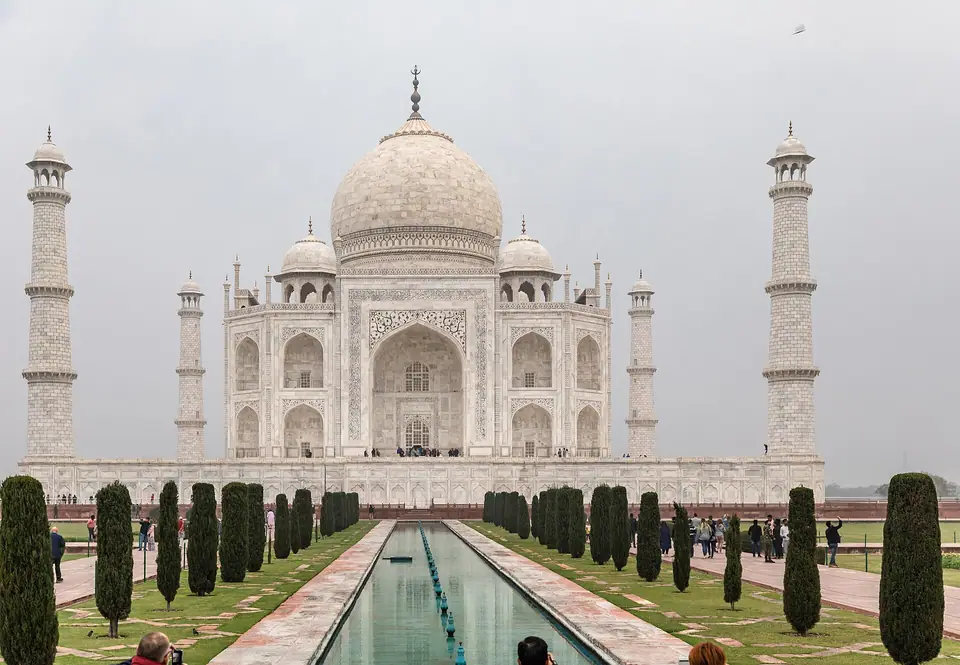
Knowing what to wear and what not to carry in your daypack is more critical in Agra than in almost any other destination in Asia. At the entrance turnstiles of the Taj Mahal, officers of India's Central Industrial Security Force (CISF) conduct airport-style X-ray bag scans and full physical pat-downs in separate men's and women's lanes. Every morning at sunrise, dozens of visitors are turned back at the East and West Gates and forced to walk 600 metres back to the Shilpgram cloakroom while the golden dawn light fades. Most are rejected simply because they carried a portable phone power bank, earphones, a packet of biscuits, or a mini tripod in their pocket. Below is our complete 2026 field guide to the Taj Mahal's prohibited items list, marble footwear rules, and seasonal clothing.
| Item Category | Strictly Permitted at Taj Mahal | Strictly Prohibited (Will Be Rejected at Gate) | Field Solution |
|---|---|---|---|
| 1. Electronics & Cameras | Smartphone, handheld digital/DSLR camera, extra camera battery in slot | Power banks, charging cables, wired/wireless earphones, tripods, selfie sticks, drones, microphones, gimbal stabilizers | Charge your phone to 100% at your hotel and leave power banks, AirPods, and cables in your room safe |
| 2. Food, Drink & Tobacco | Clear bottled water (1 free 500 ml bottle included with foreign ticket) & infant milk | All food, snacks, chewing gum, sweets, chocolates, lighters, matches, cigarettes, e-cigarettes/vapes, alcohol | Eat light fruit at your hotel before walking to the gate, then enjoy a full breakfast after leaving the grounds mid-morning |
| 3. Bags, Books & Personal Items | Small waist pouch or compact daypack, wallet, passport, sunglasses, sunscreen, lip balm, umbrella | Large backpacks, guidebooks, notebooks, pens, pencils, markers, pocketknives, nail clippers, flags, banners | Carry only a small cross-body bag or waist pouch so you can breeze through the "No Bag / Small Bag" fast lane |
Footwear strategy: Slip-on walking shoes and thick socks for the Taj Mahal plinth
Across a full day covering the Taj Mahal, Agra Fort, and the Baby Taj, you will walk 8 to 12 kilometres over red sandstone pathways and white marble floors. Because you must cover or remove your shoes at several thresholds, footwear choice matters.
- How the Taj Mahal Mausoleum Shoe-Cover Rule Works. You wear your normal shoes while walking through the red sandstone forecourt, the Great Gate, and the grassy charbagh pathways of the Taj Mahal. Before climbing the main staircase onto the elevated white Makrana marble plinth (chameli farsh) and central mausoleum, every visitor must pull disposable cloth shoe covers over their footwear or walk in socks. A complimentary pair of elastic cloth shoe covers comes inside the mausoleum-access foreign ticket kit issued at the official counters and Shilpgram.
- Why Thick Cotton or Merino Socks Save Your Feet (March to October & January). At the Tomb of Itimad-ud-Daulah ("Baby Taj"), Akbar's Tomb at Sikandra, and the white marble mosque of Fatehpur Sikri, shoe covers are often not used. Instead, you leave your shoes at the entrance rack and walk in your socks. Between April and October, bare marble and red sandstone exposed to sunlight heat above 50°C by mid-morning, while 8°C January dawns leave the stone freezing underfoot. Always wear comfortable slip-on sneakers or loafers paired with thick, dark-coloured cotton or merino socks (never walk barefoot on scorching stone or pigeon droppings).
Modest dress etiquette and photography colours that pop against white marble
The Taj Mahal and Agra Fort operate as protected archaeological monuments rather than active places of worship, except on Friday afternoons when the Taj mosque hosts local prayers. Even so, Uttar Pradesh observes modest social norms, and CISF guards prohibit revealing outfits, props, or commercial fashion shoots.
- Cover Shoulders and Knees for Effortless Respect and Comfort. For both men and women, covering shoulders and knees with lightweight linen or cotton trousers, chinos, a maxi dress, a midi skirt, or an Indian cotton kurta or salwar kameez is ideal. Dressing modestly earns warm smiles across Agra and lets you step straight into active shrines like Mankameshwar Mandir or the Sufi tomb of Salim Chishti at Fatehpur Sikri. Carry a light cotton scarf (dupatta or shawl) in your bag to cover your head when entering the tomb of Salim Chishti or the Jama Masjid.
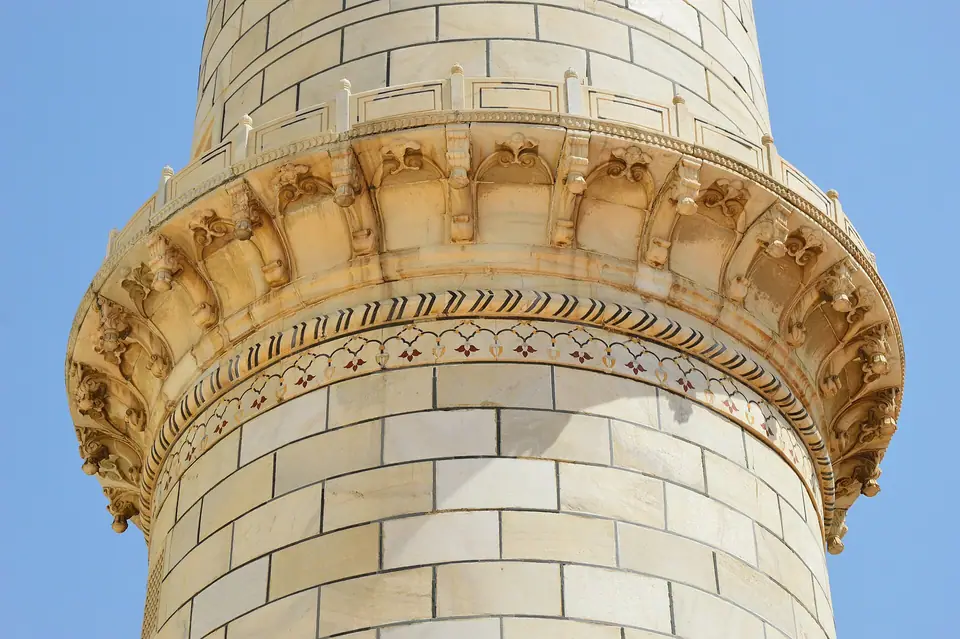
- Best Colours to Wear for Taj Mahal Sunrise Photographs. Because the Taj Mahal's Makrana marble is ivory-white and its gateways are terracotta-red sandstone, solid white outfits can wash out against the mausoleum while bright red blends into the arches. Instead, choose jewel tones such as emerald green, sapphire blue, mustard yellow, turquoise, or soft pastel pink for strong visual contrast against both stone surfaces.
Seasonal clothing layers: Chilly 8°C winter dawns vs 42°C summer heat
Adjust your luggage to match the seasonal climate normals covered in our Agra weather guide.
- Winter (November to February, Pack a Warm Dawn Layer). Many visitors assume India is tropical year-round and arrive in Agra in January with only t-shirts. When queuing outside the Taj Mahal East Gate before sunrise in December or January, temperatures dip to 8°C to 10°C in damp Yamuna river mist. Wear a peelable three-layer outfit combining a cotton base layer, warm fleece or knitwear and a light windbreaker. By late morning, courtyards warm toward 22°C and you can pack away outer layers.
- Summer and Pre-Monsoon (March to June, Breathable Linen & UV Gear). When afternoon highs climb from 32°C in March to 42°C in May, wear loose-fitting 100% linen or thin khadi cotton with long sleeves to shield your skin from UV reflection off the white marble. Pack polarised UV400 sunglasses to cut the bright white glare off the marble plinth by mid-morning, plus a wide-brimmed hat and high-SPF sunscreen.
- Monsoon (July to September, Compact Umbrella & Quick-Dry Fabrics). A compact folding umbrella is permitted through Taj Mahal security and serves double duty as a rain shield during brief afternoon downpours and a portable shade parasol across the open courtyards of Fatehpur Sikri.
Traveller tips
If you arrive in Agra by morning train from Delhi carrying a daypack with a power bank or snacks, do not join the main Taj Mahal security queue first. Instead, stop at the free official ASI Cloakroom (Locker Room) beside the ticket counters at the East Gate (Shilpgram) or West Gate and deposit your bag against a numbered metal token. Then walk to the turnstiles carrying only your phone, camera, passport, wallet, and ticket. Remember that different religious precincts around Agra have specific footwear and head-covering customs beyond the Taj Mahal. When visiting the Jama Masjid and the Tomb of Salim Chishti at Fatehpur Sikri, you must remove your shoes at the outer racks. The same rule applies at Gurudwara Guru ka Tal and the Soami Bagh Samadh in Dayalbagh, where visitors cover their heads with a cotton scarf or shawl. Packing a dedicated draw-string cloth shoe bag and two pairs of thick socks in your daypack keeps your feet clean on sun-warmed stone and saves you from hunting for loose change at every temple threshold. If you plan to browse the spice and bridal alleys of Kinari Bazaar, wear closed-toe walking sneakers. Neutral layers also work well for an early boat safari in the National Chambal Sanctuary. If you plan to attend the 30-minute full-moon Night Viewing at the Taj Mahal, remember that security rules are even stricter at night. Mobile phones, video cameras, and batteries are prohibited during evening sessions. Only still cameras are permitted after inspection by CISF officers at Shilpgram. Pack a small packet of tissues, hand sanitizer, and wet wipes in your pocket. Those hygiene items pass easily through the Taj Mahal turnstiles. If you want to wear Indian cotton or silk outfits for morning photographs, fixed-price boutiques in Sadar Bazaar and along Fatehabad Road sell ready-to-wear kurta sets and scarves. Keep a printed copy of your e-ticket in your pocket in case your phone battery fades in morning cold, and match clothing rules to our Agra orientation and 3-day itinerary.
Weather by month
Agra is warmest in May, with average highs around 42°C, and coldest in January, when nights drop to about 8°C. August is the wettest month by rainfall (77 mm), with rain on about 11 days. For mild weather with fewer rainy days, aim for January, February and December.
| Month | Low | Range | High | Rain | Rainy days |
|---|---|---|---|---|---|
| Jan | 8°C | 21°C | 7 mm | 1 d | |
| Feb | 11°C | 25°C | 7 mm | 1 d | |
| Mar | 16°C | 32°C | 7 mm | 1 d | |
| Apr | 22°C | 38°C | 7 mm | 1 d | |
| May | 27°C | 42°C | 14 mm | 2 d | |
| Jun | 29°C | 40°C | 28 mm | 4 d | |
| Jul | 27°C | 35°C | 70 mm | 10 d | |
| Aug | 26°C | 33°C | 77 mm | 11 d | |
| Sep | 25°C | 34°C | 42 mm | 6 d | |
| Oct | 19°C | 33°C | 7 mm | 1 d | |
| Nov | 13°C | 28°C | 0 mm | 0 d | |
| Dec | 9°C | 23°C | 7 mm | 1 d |
Averages of daily values from 2015 to 2024. Rainy days are days with at least 1 mm of rain. Source: Open-Meteo · Compare destinations by month.
Official prices and opening hours
- Taj Mahal (Foreign Visitor Entry + Mausoleum Add-On)Official site ↗
- Agra FortOfficial site ↗
- Tomb of Itimad-ud-Daulah (Baby Taj)Official site ↗
Taj Mahal gates, cloakroom and key sites on the map
- 1Shilpgram Cloakroom & East Gate Road · Leave power banks, earphones, tripods and large packs before CISF checks
- 2Taj Mahal (East & West Gates) · Strict CISF bag scan; cloth shoe covers required on the marble plinth (closed Fridays)
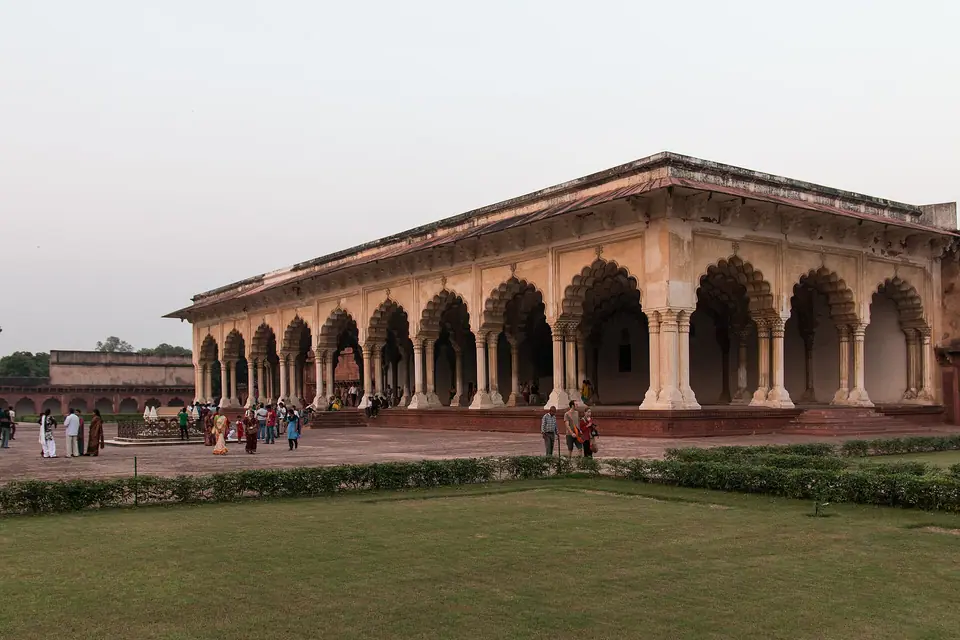
- 3Agra Fort (Amar Singh Gate) · Open daily including Fridays; red sandstone courtyards across the fort
- 4Tomb of Itimad-ud-Daulah (Baby Taj) · Shoes left at the entrance rack; thick socks help on hot or cold marble
Traveller tips
Real advice from people who have been to Agra. Every tip is read by our team before it goes live.
No tips yet. Been here? Yours could be the first.
Thank you! Your tip will appear here after a quick review.
More in Agra
Continue exploring Agra with related neighbourhood, food, and planning guides
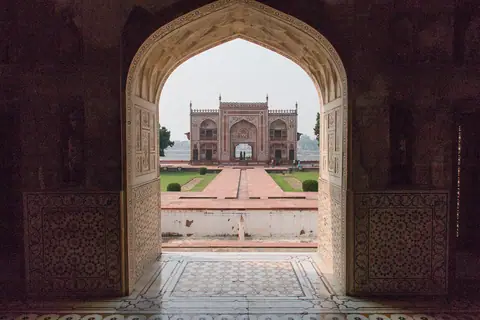
East Bank of the Yamuna Guide: Tomb of Itimad-ud-Daulah (Baby Taj), Chini Ka Rauza & Mehtab Bagh
Agra, India
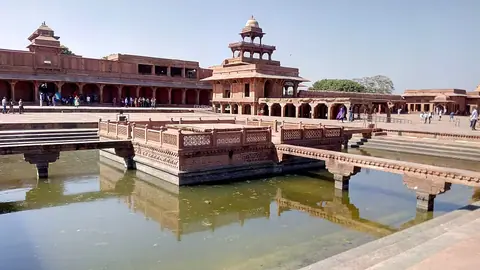
Fatehpur Sikri Guide: Buland Darwaza, Jama Masjid, Salim Chishti & Royal Complex
Agra, India
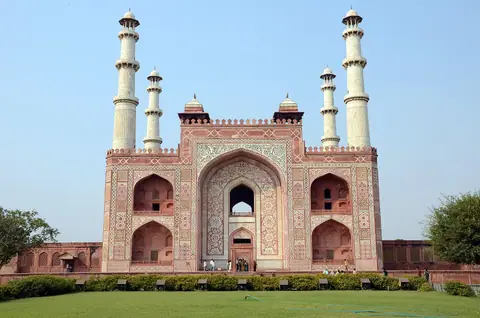
Sikandra (Akbar's Tomb), Mariam-uz-Zamani & Dayalbagh Soami Bagh Temple Route
Agra, India
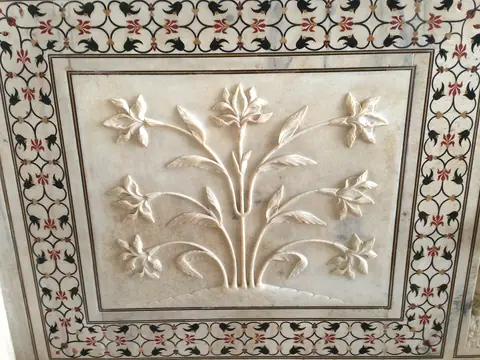
Agra Crafts & Markets: Parchin Kari Marble Inlay, Zardozi, Sadar & Kinari Bazaar
Agra, India
