Peru · Inscribed 1983
Historic Sanctuary of Machu Picchu
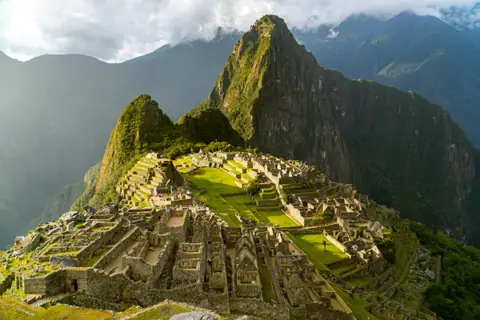
Machu Picchu stands 2,430 metres above sea level, surrounded by tropical mountain forest in one of the most striking settings in Peru.
Recently added places
All destinationsCountry & travel guides
All guidesThings worth booking
All experiencesConcerts, tours & festivals
All eventsFrom the community
All vlogsExplore UNESCO cultural monuments, national parks and mixed heritage landscapes on the interactive map below. Filter by region or heritage category, open linked city and standalone visitor guides for practical transit and season notes, and mark places you have visited or saved.
Machu Picchu stands 2,430 metres above sea level, surrounded by tropical mountain forest in one of the most striking settings in Peru.
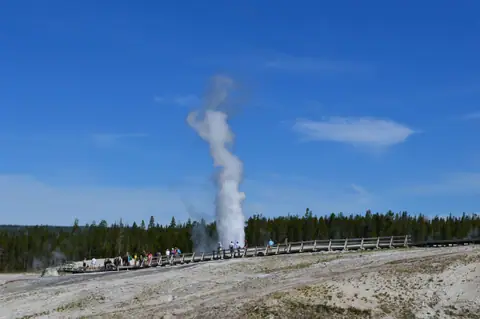
Yellowstone's natural forest covers nearly 9,000 square kilometres, with 96% of the park in Wyoming, 3% in Montana and 1% in Idaho.
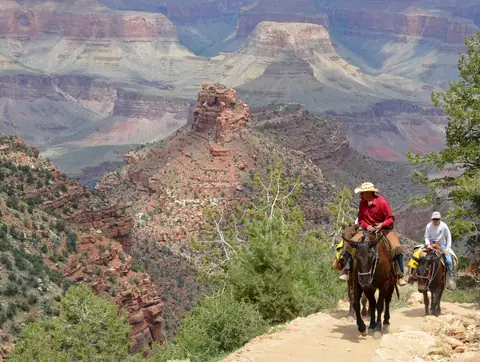
The Colorado River carved the Grand Canyon, a gorge nearly 1,500 metres deep that cuts through Grand Canyon National Park in Arizona.
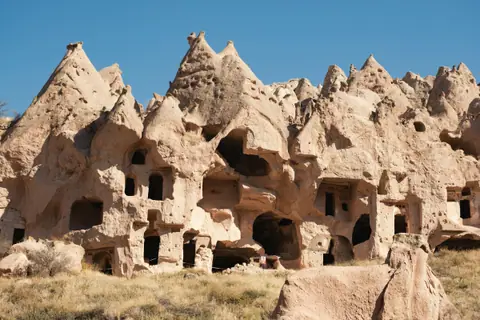
A walk through Cappadocia's valley of painted rock churches.
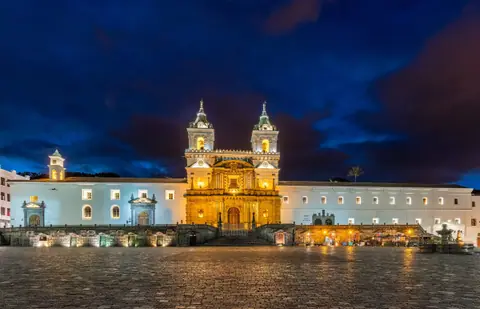
Quito, the capital of Ecuador, was founded in the 16th century on the ruins of an Inca city and sits at 2,850 metres.
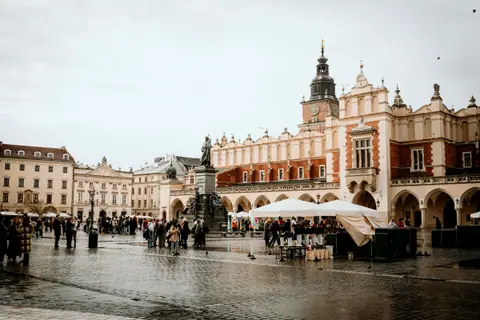
Below Wawel Castle, Kraków's 13th-century merchants' town keeps Europe's largest market square, with historic houses, palaces and churches around it.
Rock salt has been mined at Wieliczka and Bochnia since the 13th century, and both royal mines can be explored underground today.
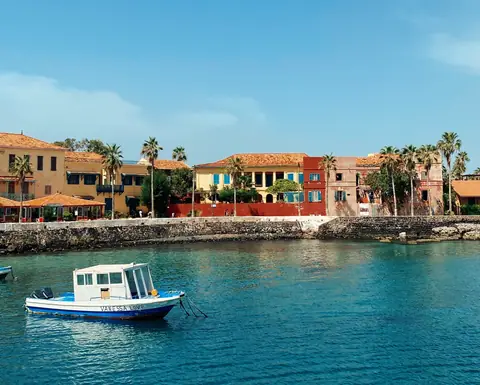
Combining Dakar's historic southern peninsula with the twenty-minute ferry to Île de Gorée.
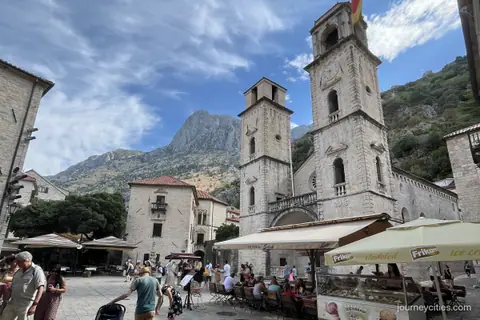
Walls, squares and the climb above the bay, timed around the ships.
Looking beyond the postcard front of Bryggen into its 1702 timber passages and Hanseatic assembly halls.
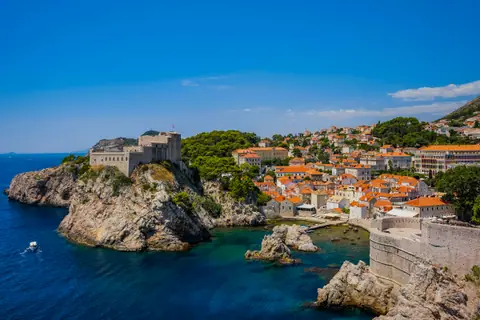
Dubrovnik, the 'Pearl of the Adriatic' on the Dalmatian coast, grew into an important Mediterranean sea power from the 13th century.
Inside modern Cairo lies one of the world's oldest Islamic cities, a dense quarter of mosques, madrasas, hammams and fountains.
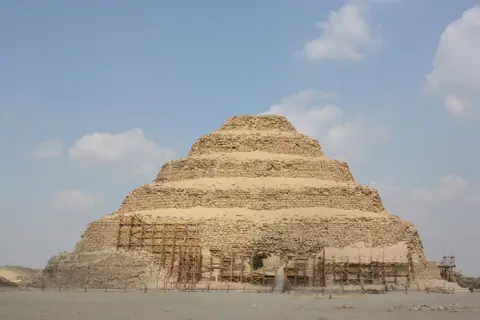
Trace the birth of pyramid building on a half- or full-day trip 30 km south of Cairo: visit Imhotep's 2670 BCE Step Pyramid of Djoser and the subterranean Serapeum at Saqqara, the Ramesses II colossus at Memphis, and the Bent and Red Pyramids at Dahshur.
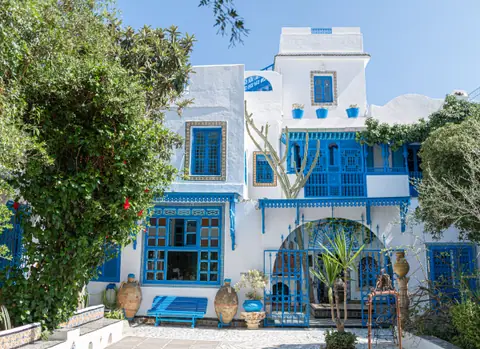
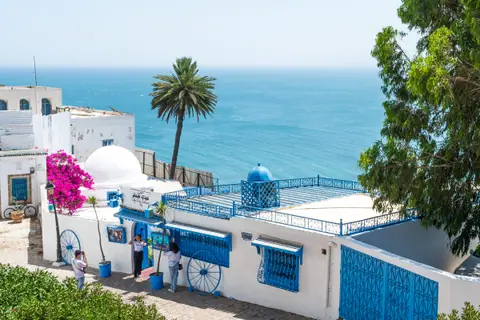
Riding the TGM railway along the Gulf of Tunis to ancient Punic and Roman Carthage and cliffside Sidi Bou Said.
Guild souks, Husainid palaces and rooftop terraces in the medieval Medina, plus French-era Centre Ville.
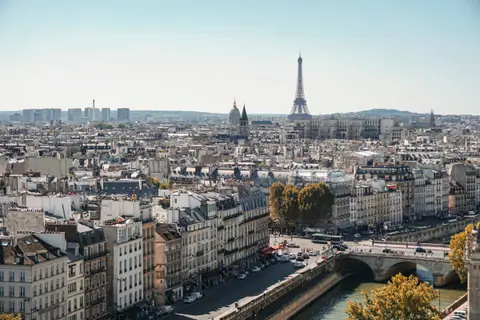
From Louis XIV to Louis XVI, the Palace of Versailles was the main residence of the kings of France.
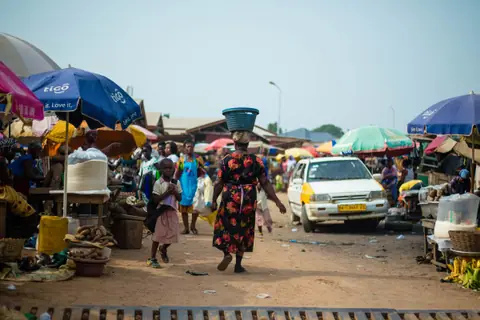
Fortified trading posts built between 1482 and 1786 still stand along Ghana's coast, between Keta in the east and Beyin in the west.
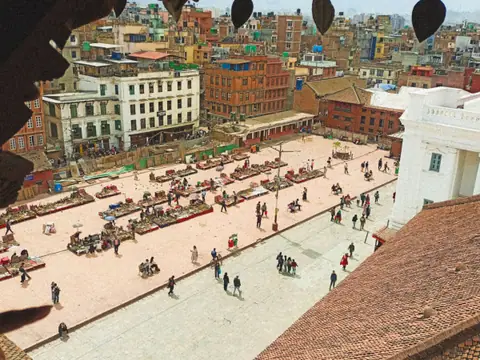
Seven groups of monuments and buildings in the Kathmandu Valley trace the full range of the valley's historic and artistic achievements.
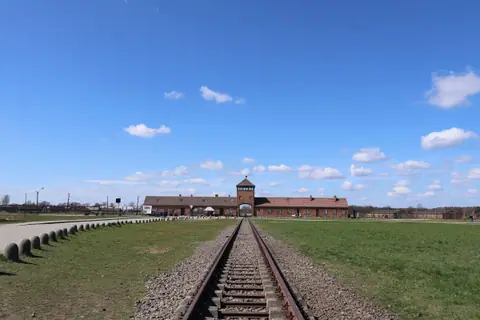
At this camp, about 1.5 million people, a great number of them Jews, were systematically starved, tortured and murdered by Nazi Germany.
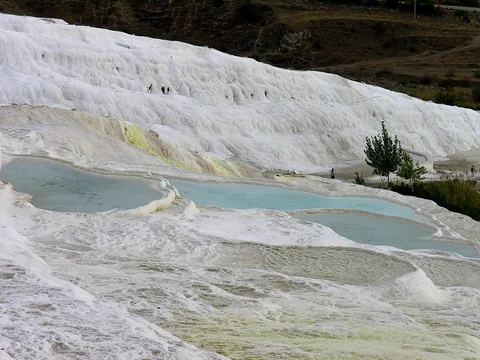
A walking route through the Roman spa city above the terraces.
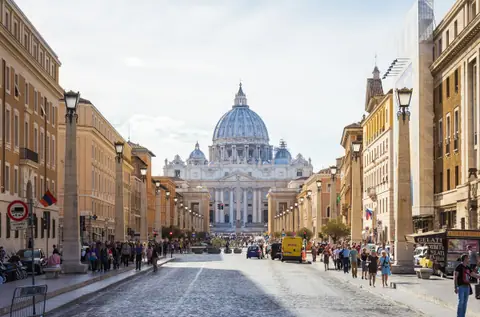
Rome, founded by legend in 753 BC by Romulus and Remus, led the Republic and the Empire and became the Christian capital in the 4th century.
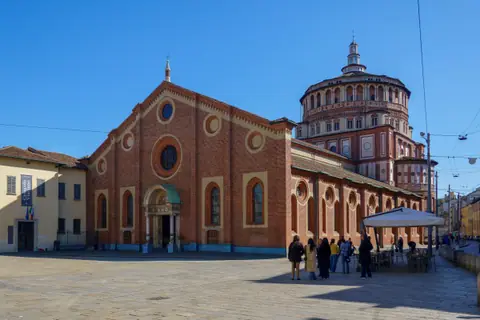
The refectory holding Leonardo's Last Supper belongs to a Milan convent complex begun in 1463 and reworked by Bramante at the end of the 15th century.
Set in an immense park, Fontainebleau's Italianate palace mixes Renaissance and French traditions, and the work of enlarging and decorating it sustained a true artistic centre.
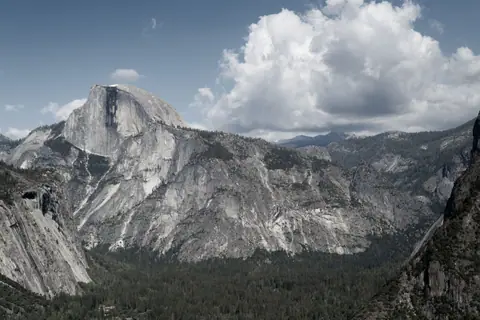
Hanging valleys, waterfalls, cirque lakes, polished domes, moraines and U-shaped valleys in central California show every kind of glacier-cut granite relief.
At the heart of the park, a semicircular waterfall some 80 metres high and 2,700 metres across falls over a basalt ridge that straddles the Argentina and Brazil border.
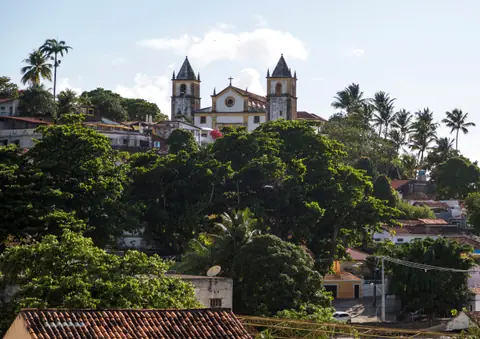
Olinda, 6 km north of Recife, keeps the 1582 Monastery of São Bento, Alto da Sé, Franciscan azulejos and the lanes of Rua do Amparo.
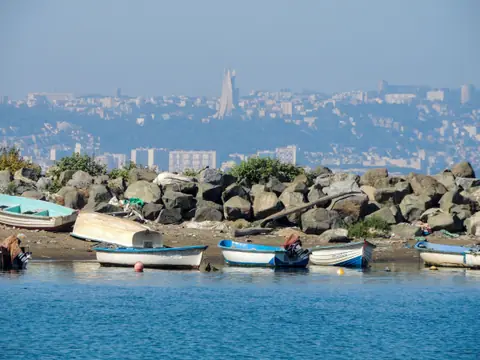
Tipasa began as a Punic trading post on the Mediterranean, then Rome took it as a base for conquering the kingdoms of Mauritania.
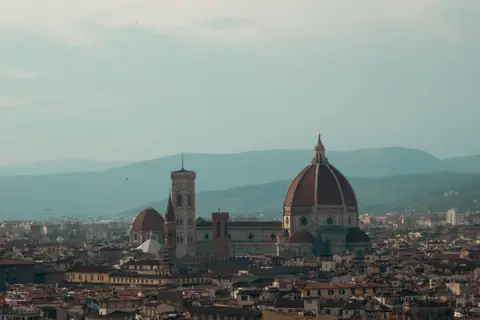
Florence grew on an Etruscan settlement and, under the Medici in the 15th and 16th centuries, became the economic and cultural centre of the Renaissance.
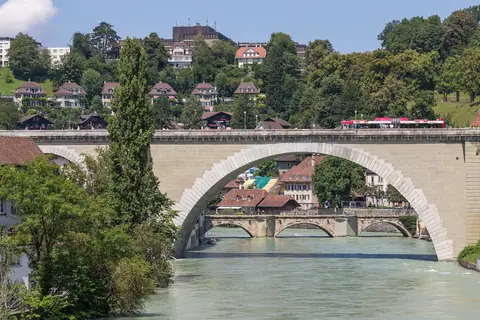
Founded in the 12th century on a hill almost encircled by the Aare River, Berne grew to a single, unusually coherent town plan.
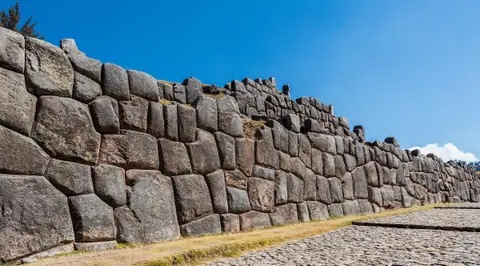
High in the Peruvian Andes, Cuzco grew under the Inca ruler Pachacutec into a complex city with distinct religious and administrative roles.
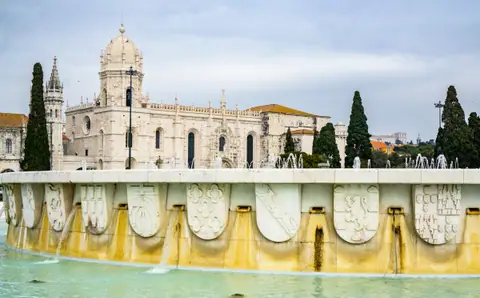
Manueline monuments, the original custard tarts and how to beat the queues.
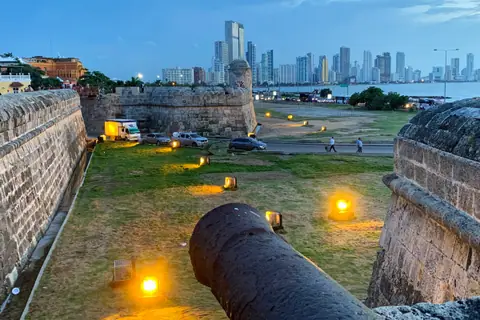
Set on a Caribbean bay, Cartagena has the most extensive fortifications in South America.
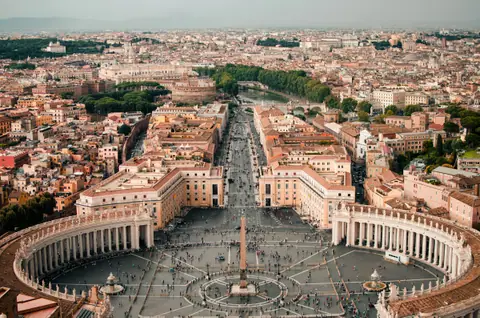
A realistic plan for the Museums, the Sistine Chapel and the basilica.
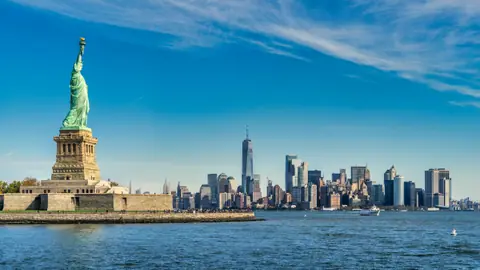
Which ticket to buy, how to avoid scams and how long to allow.
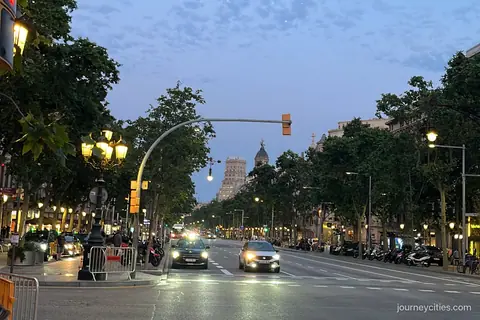
Two Gaudí apartment houses on one avenue, and how to choose between them.
Built at the end of the 16th century on a gridiron-shaped plan, recalling the instrument of St Lawrence's martyrdom, the Escurial stands in open Castilian country.
No UNESCO World Heritage sites match your current filter combination.

JourneyCities appOpen guides from your home screen, even offline.