






Paris Travel Guide: What to Know Before You Go
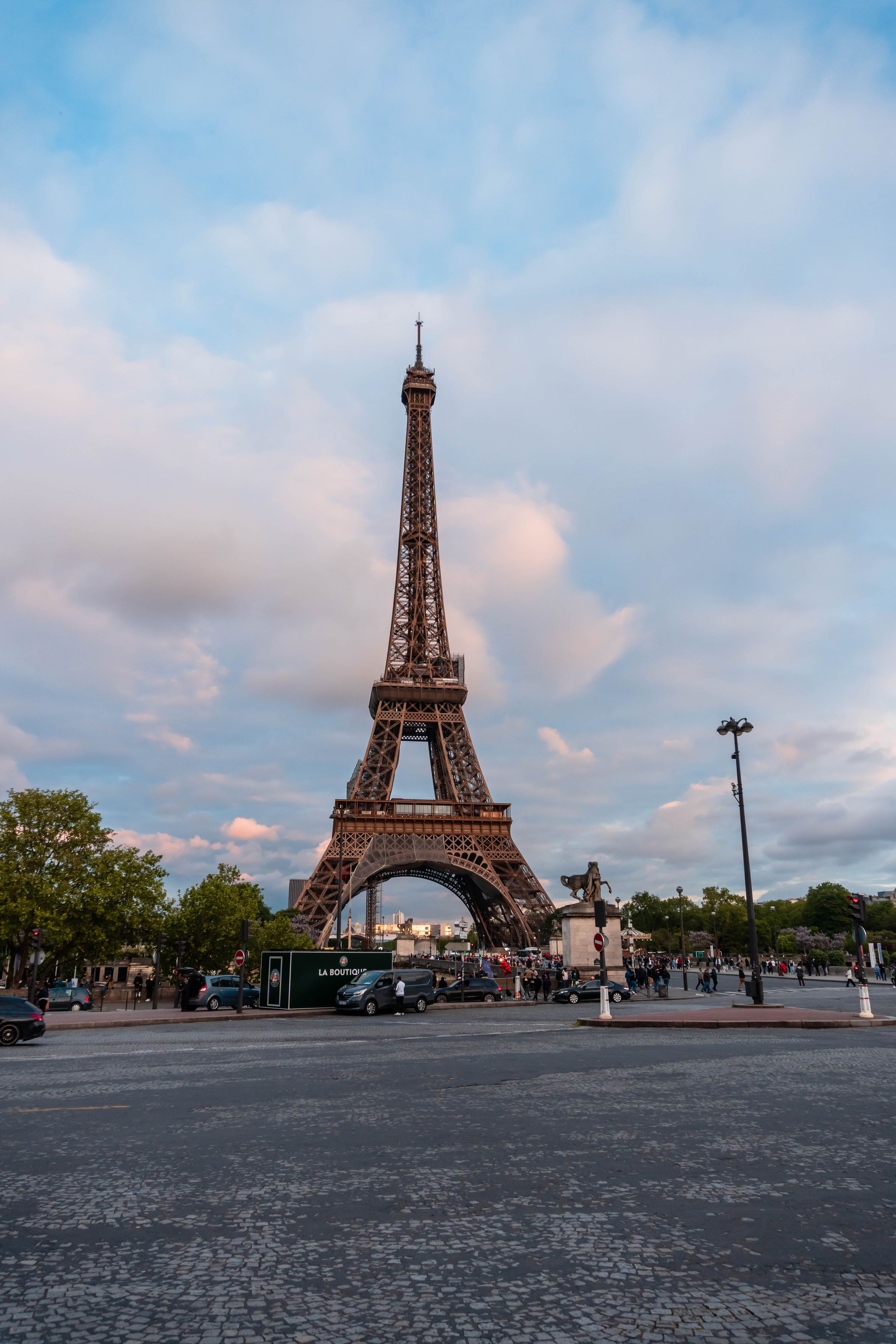
Paris rewards a bit of patience — trying to see the Eiffel Tower, the Louvre, and Notre-Dame all in one day usually means rushing through each rather than actually experiencing any of them.
How the city is laid out
Paris spirals out in 20 arrondissements from the center, with most major sights concentrated in the first through eighth — a genuinely walkable core once you get oriented.
Is Paris walkable?
Very much so within the center, and the metro fills the gaps for longer distances or tired legs.
Booking ahead matters
The Louvre and Eiffel Tower both sell timed-entry tickets that book out in advance during busy months — securing these before you land saves hours of queuing.
How much does a trip to Paris cost?
Paris runs expensive by European standards, particularly for accommodation — museum passes and picnic lunches from a boulangerie both help manage costs without cutting corners on the experience.
Language and etiquette
A simple 'bonjour' before switching to English is genuinely expected rather than optional politeness — skipping it is one of the more common ways visitors come across as rude without meaning to.
Connectivity
France runs on 230V with the standard European two-pin plug, and tap water is safe to drink throughout the city.
Is Paris expensive?
Paris runs expensive by most standards, particularly accommodation, though museum passes, picnic lunches, and free sights like Notre-Dame's exterior and Sacré-Cœur's terrace help manage costs without cutting the experience short.
Currency and payments
Contactless card payment is widely accepted throughout Paris, including small purchases at boulangeries and cafés, though carrying some cash helps at smaller markets or older establishments.
SIM cards and connectivity
Prepaid SIM cards are available at both airports and phone shops throughout the city, a straightforward way to stay connected without relying entirely on hotel wifi.
Time zone and daylight
France follows Central European Time, with noticeably longer summer daylight hours than winter's early sunsets, worth factoring into how much sightseeing fits into a winter day.
Tipping norms
Service is included by law in restaurant bills, so a tip is a genuine bonus rather than an expectation — rounding up is common, a large additional percentage is not.
None of this needs rigid planning — Paris rewards mixing a major landmark with an unplanned wander through a side street you haven't researched.
A note on pace
Trying to see too much in one day is the most common Paris planning mistake — the city's density means even a short list of stops can fill a full afternoon once walking and café breaks are factored in.