



Machu Picchu
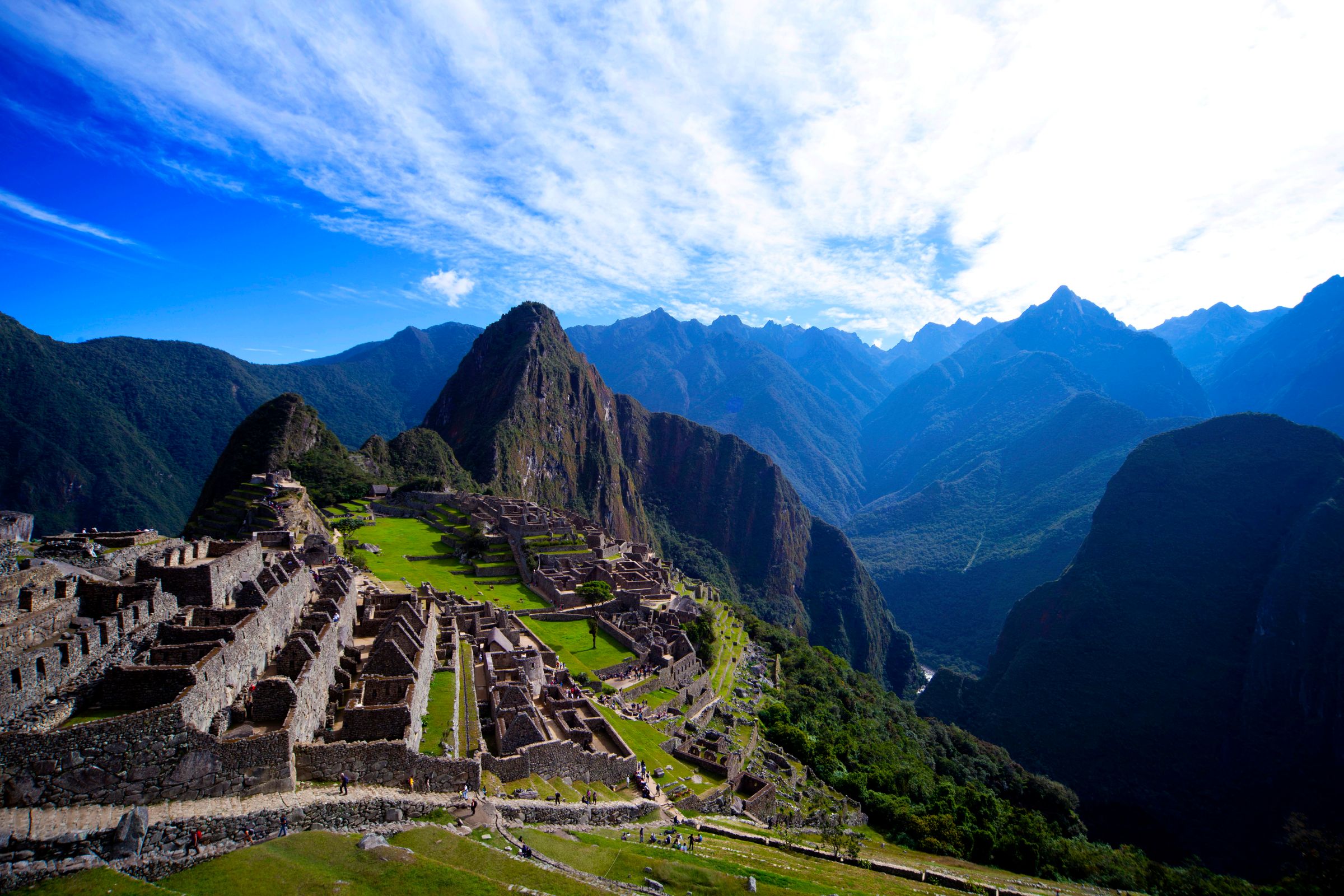
The 15th-century Inca citadel high in the Andes, reached by train or the Inca Trail.
Quick decisions
How many days?
1 day trip: possible from Cusco, but very long and tiring. 2 days: overnight in Aguas Calientes, more relaxed. 4-5 days: the Inca Trail or another multi-day trek route.
Where should I stay?
Cusco: for acclimatization and the wider Sacred Valley. Aguas Calientes: right at the base of the citadel. See our full where-to-stay guide.
Do I need a guide?
Yes. A licensed guide is now required for entry to Machu Picchu itself, confirmed at a checkpoint before the main gate.
Best for
First-time visitors: yes, plan well ahead. Couples: yes. Families: workable with older children given the altitude and walking involved. Budget travelers: costs add up fast between tickets, trains, and guides.
Before you go
Altitude: spend at least two nights in Cusco first to acclimatize. Tickets: book months ahead for peak season, especially for Huayna Picchu or the Inca Trail. Circuit choice: pick your route when booking — you can't switch on the day.
Getting around
Cusco → Ollantaytambo: road transfer, about 1.5 hours. Ollantaytambo → Aguas Calientes: train, about 1h50. Aguas Calientes → citadel: shuttle bus, about 25 minutes.
Continue your trip
Return to Cusco for the wider Sacred Valley, or fly onward to Lima or Lake Titicaca to continue exploring Peru.
Overview
Machu Picchu sits at around 2,430 meters in the Peruvian Andes, built by the Inca in the 15th century and abandoned within a century, never found by the Spanish — which is part of why it survives as intact as it does.
Most visitors base themselves in Cusco for a few days of altitude acclimatization before a single dedicated day (or a multi-day trek) at the citadel itself. See our full Machu Picchu travel guide for how to plan.
Getting there
Most visitors fly into Cusco, then reach Machu Picchu by train via Ollantaytambo, or hike the Inca Trail. See our full guide to getting to Machu Picchu for the full breakdown.
Where to stay
Most travelers split their stay between Cusco and Aguas Calientes, the small town at the base of Machu Picchu. See our full where-to-stay guide for the details.
Things to do
The citadel itself, the Inca Trail, and the surrounding mountain hikes anchor most visits — our Inca Trail guide and tickets guide cover the practical side in detail.
Food and drink
Cusco's food scene blends traditional Andean ingredients — quinoa, native potatoes, alpaca — with a genuinely serious modern Peruvian dining scene that's drawn international attention over the past decade.
Culture
Machu Picchu was built as a royal estate for the Inca emperor Pachacuti, and its precise, mortar-free stonework remains a genuine engineering puzzle — some blocks fit together so tightly that a knife blade won't slide between them.
In-depth Machu Picchu guides
Planning your visit? These cover the specifics.
- Machu Picchu Travel Guide: What to Know Before You Go
- Best Things to Do at Machu Picchu
- How to Get to Machu Picchu
- Best Time to Visit Machu Picchu
- What to Wear and Pack for Machu Picchu
- Inca Trail Guide: Permits, Route, and What to Expect
- Machu Picchu Tickets Guide: Circuits and Booking
- Where to Stay: Cusco vs. Aguas Calientes
- Machu Picchu 2-Day Itinerary
Reviews
Log in to write a review.
No reviews yet — be the first to write one.