
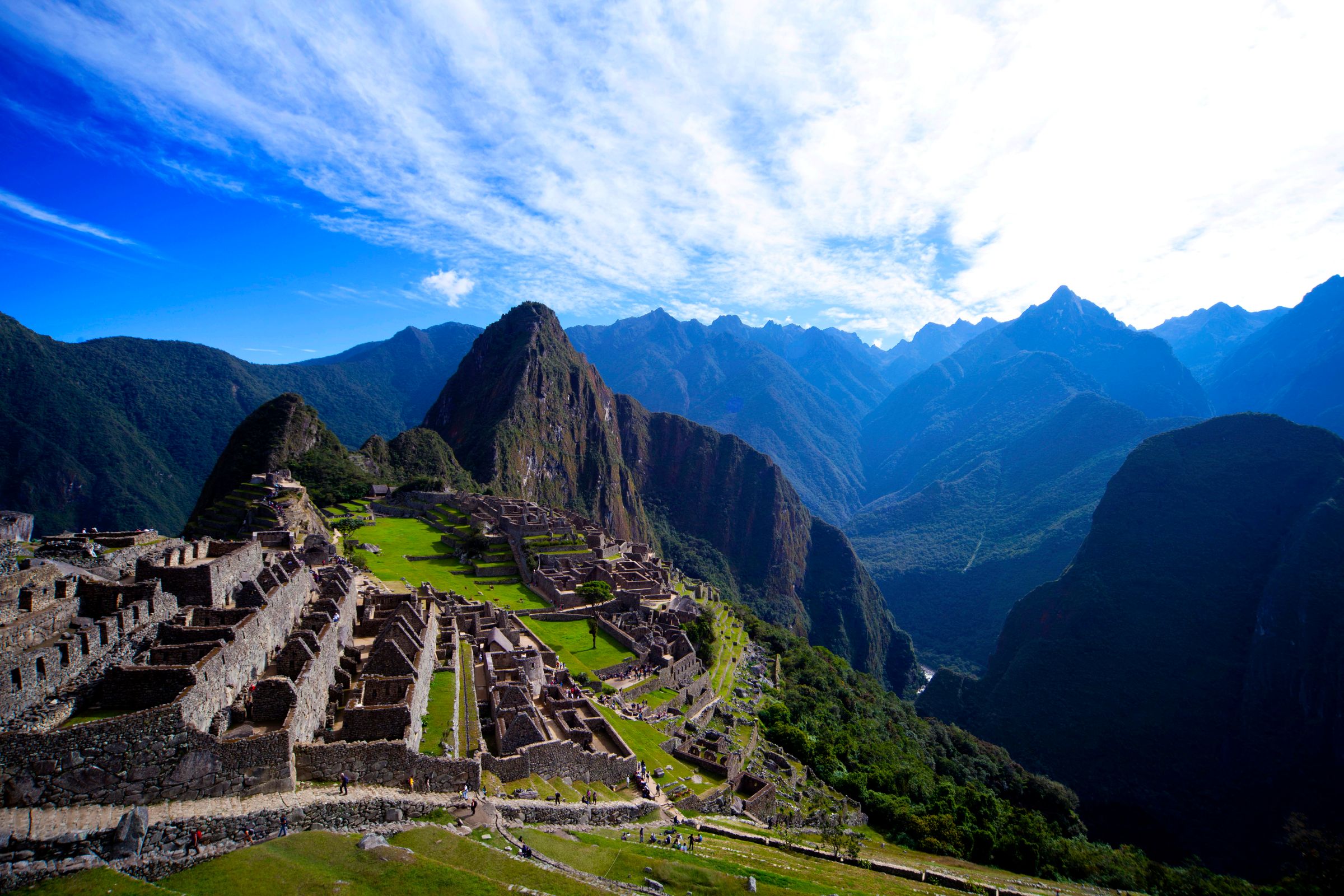





Machu Picchu Travel Guide: What to Know Before You Go
Machu Picchu takes more advance planning than almost anywhere else on this site — tickets, trains, and guides all need arranging ahead, and altitude means the trip itself starts well before you reach the citadel.
The basic sequence
Fly into Cusco, spend at least two nights acclimatizing to the altitude, then travel to Machu Picchu by train via Ollantaytambo or by trekking the Inca Trail.
Booking timelines
Standard entrance tickets can sell out weeks ahead in peak season; Inca Trail permits and Huayna Picchu tickets often sell out months ahead given strict daily caps.
A guide is required
Since access rules changed in 2024, a licensed guide is mandatory for entry, checked at a checkpoint before the main gate.
How much does a trip cost?
Costs add up across flights to Cusco, trains, entrance tickets, and a guide — budget more than a typical single-day sightseeing stop elsewhere in this guide.
Language
Spanish is the national language, with Quechua also spoken widely in the Cusco region — English coverage is decent in tourist-facing businesses but thinner elsewhere.
Connectivity
Peru runs on 220V with both two-pin and three-pin plug types in use, and tap water is not safe to drink — bottled or purified water is standard.
Currency and payments
Peru uses the sol, and while cards work in Cusco's better hotels and restaurants, cash remains necessary in Aguas Calientes and for smaller vendors throughout the region.
SIM cards and connectivity
Local prepaid SIMs are available in Cusco, though coverage becomes patchy once you're deeper into the Sacred Valley or on the trail itself.
Time zone
Peru follows its own standard time year-round, with no daylight saving adjustments, and daylight hours near the equator stay relatively consistent throughout the year.
Tipping norms
Tipping guides and porters is genuinely expected on treks and tours, generally as a separate cash amount at the end rather than built into the tour price — budgeting for this in advance avoids an awkward surprise.
None of this requires rigid planning beyond the fixed booking deadlines — once tickets and trains are secured, the trip itself has room for spontaneity around meals and rest days.
Emergency contacts
Peru's general emergency number is 105, and Cusco has clinics accustomed to treating altitude-related issues in tourists, given how common the adjustment period is.
None of this needs to feel overwhelming — thousands of travelers navigate this same sequence successfully every year, and the logistics, while real, are well-established rather than improvised.
Responsible tourism considerations
Given the site's fragility and cultural significance, staying on marked paths, not touching the stonework, and following your guide's instructions matter more here than at most tourist destinations.