




Inca Trail Guide: Permits, Route, and What to Expect
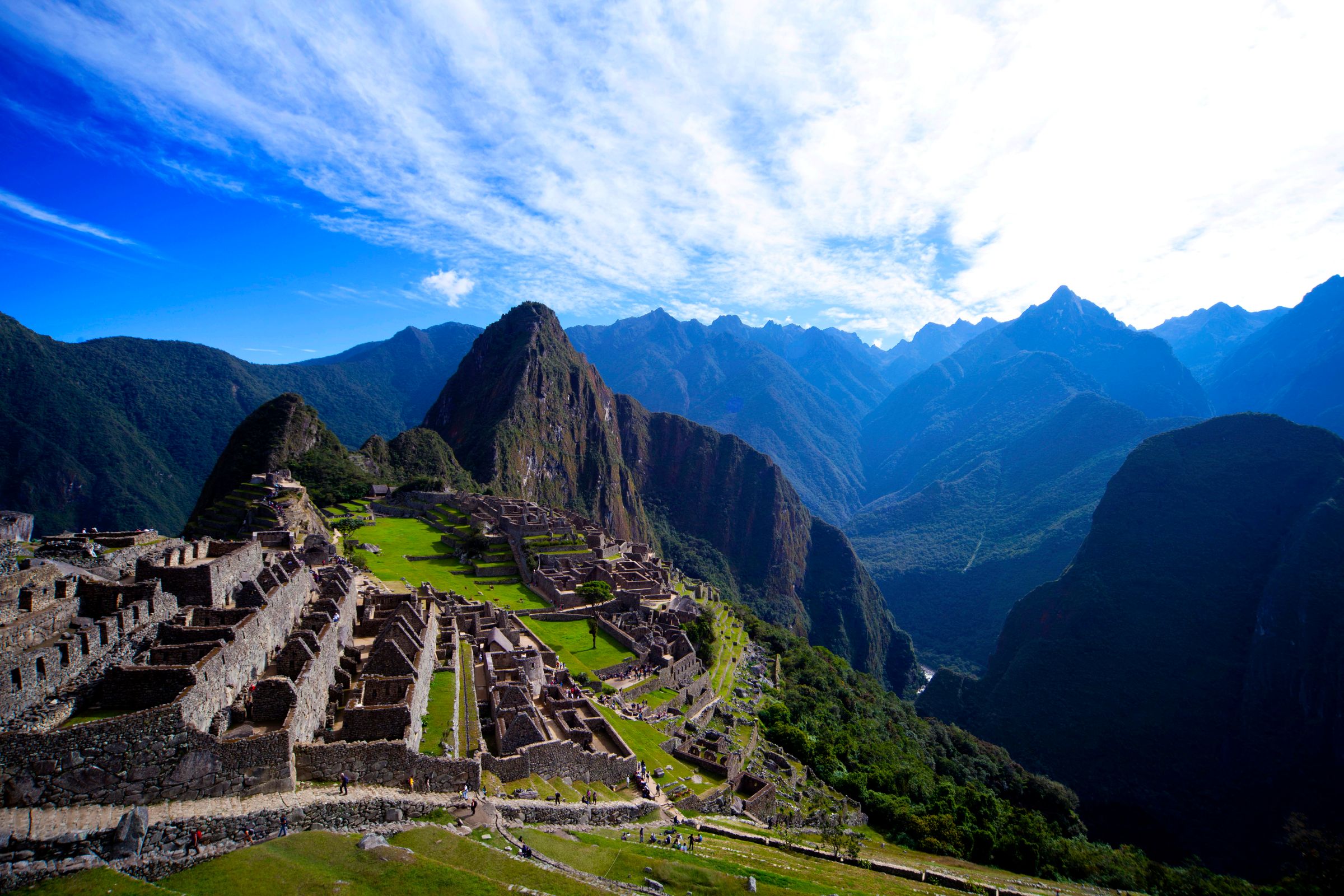
The classic Inca Trail is a multi-day trek ending at the Sun Gate, arriving at Machu Picchu the way the Inca themselves once did — the single most sought-after route to the citadel.
Permits are strictly limited
Daily permits, including for support staff, are capped, and the trail regularly sells out months ahead in peak season — this is not a trip to book last minute.
Physical demands
The classic route typically runs four days, crossing a high mountain pass above 4,000 meters — genuine fitness and prior altitude acclimatization both matter.
Booking through a licensed operator
Independent trekking isn't permitted — permits are only issued through licensed tour operators, who handle logistics, porters, and camping.
February closure
The trail closes entirely each February for maintenance — plan around this if your dates fall near that window.
What's included
Licensed operators typically handle porters, camping equipment, and meals throughout the trek, though it's worth confirming exactly what's covered before booking, since packages vary.
Alternative shorter treks
A one- or two-day version of the trail exists for those without a permit for the full four-day route, though it doesn't include the same Sun Gate arrival as the classic trek.
Group size and pacing
Group treks typically move at the pace of the slowest member, so choosing an operator whose stated difficulty level and group size match your own fitness matters more than the specific brand name.
Alternative routes if the classic trail is full
The Salkantay and Lares treks both offer multi-day alternatives with different scenery and no permit cap, worth considering if Inca Trail permits have sold out for your dates.
Physical preparation beforehand
Regular cardiovascular exercise in the weeks before your trip, even without access to altitude training, meaningfully improves the experience on trail days involving steep, sustained climbs.
Whichever operator you choose, reading recent reviews specifically about porter treatment and food quality gives a better sense of trip quality than price alone.
However demanding it sounds, thousands of moderately fit travelers complete the trail successfully each year with reasonable preparation rather than elite athletic ability.
Whatever your fitness level going in, training hikes with a loaded pack in the weeks before departure make a genuine difference on the trail itself.
What porters carry
Licensed operators use porters (or occasionally mules on certain sections) to carry camping equipment and food, meaning trekkers typically only carry a daypack with personal items for each day's hike.
However you prepare, the sense of arrival through the Sun Gate is consistently described as worth every step that came before it.