






Kyoto
Japan's former imperial capital, home to thousands of temples and shrines and the country's geisha tradition.
Quick decisions
How many days?
2 days: Fushimi Inari plus one other major temple area. 3 days: add Arashiyama and Gion. 4+ days: room for day trips to Nara or a slower pace.
Where should I stay?
Kyoto Station area: easy transport. Gion/Higashiyama: traditional atmosphere, walkable to major sights. See our full where-to-stay guide.
Do I need a car?
No. Buses, trains, and taxis cover the city well, and driving in central Kyoto adds parking hassle without much benefit.
Best for
First-time visitors: yes. Couples: yes, especially during cherry blossom or autumn leaf season. Families: yes, with pacing around temple-heavy days. Budget travelers: most temples charge modest entry fees, keeping costs reasonable.
Before you go
Gion etiquette: photography is banned on private alleys, with fines enforced. Shoes: expect to remove them at temples and traditional restaurants. Cash: still widely used alongside cards.
Getting around
Arriving: bullet train from Tokyo (about 2h15) or Osaka (about 15 min). Around the city: city buses reach most temples; a day pass is worth it if sightseeing heavily.
Continue your trip
Osaka is 15 minutes away by train, and Nara, with its deer park, is under an hour — both make easy add-ons to a Kyoto-based trip.
Overview
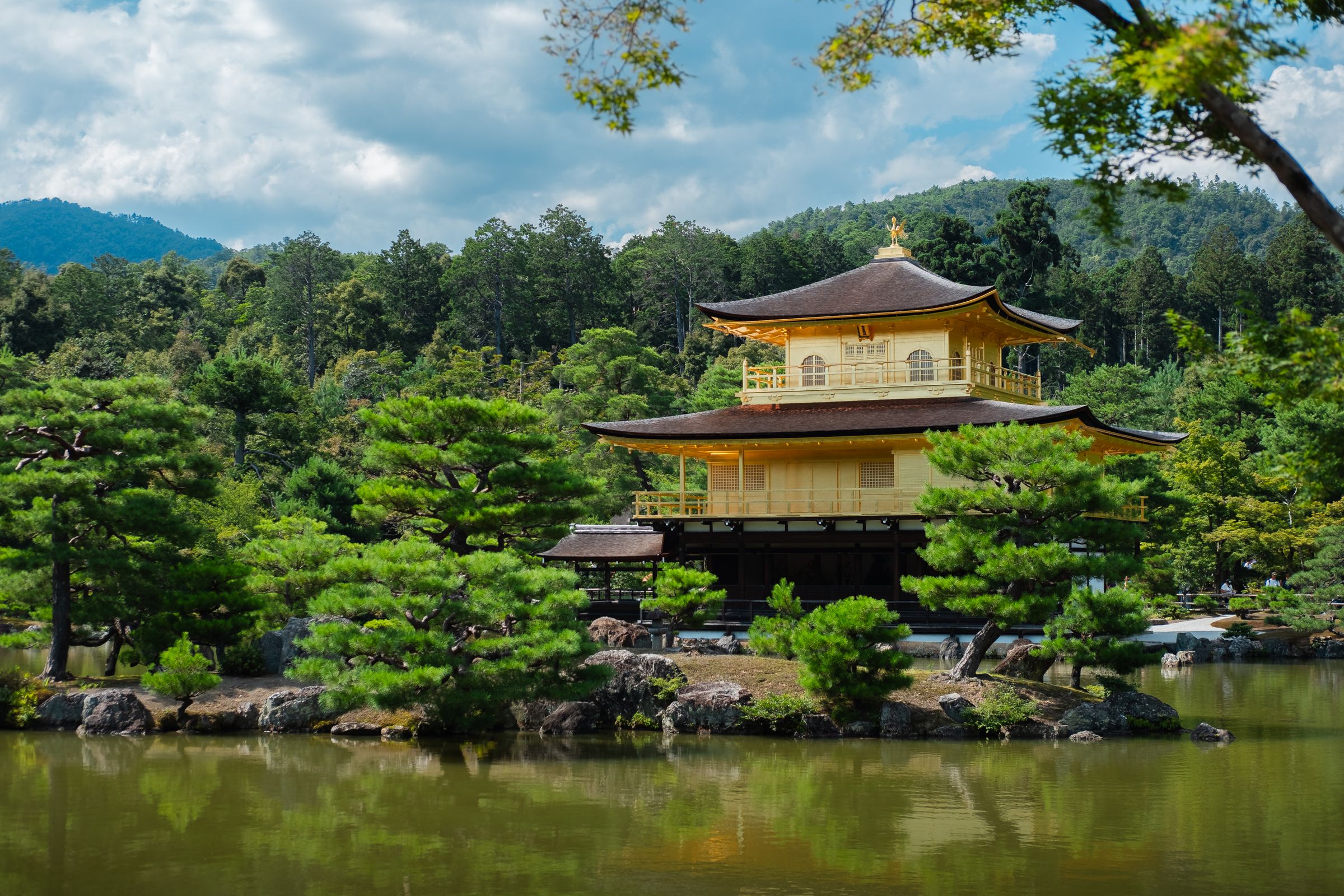
Kyoto was Japan's capital for over a thousand years, and it shows in a density of temples, shrines, and traditional wooden architecture that no other Japanese city matches. Unlike Tokyo's relentless modernity, Kyoto moves at a deliberately slower pace, at least in its historic districts.
Most visitors need three to four days to cover the major temples and at least one traditional neighborhood without rushing. See our full Kyoto travel guide for how to plan around that.
Getting there
Most visitors arrive by bullet train from Tokyo or Osaka rather than flying directly, since Kyoto has no major airport of its own. See our full guide to getting to Kyoto for routes.
Where to stay
Staying near Kyoto Station keeps transport simple, while a traditional ryokan in Gion or Higashiyama offers a very different kind of stay. See our full where-to-stay guide for the breakdown.
Things to do
Fushimi Inari's torii gates, Arashiyama's bamboo grove, and the Gion geisha district anchor most itineraries — our Fushimi Inari guide, Arashiyama guide, and Gion guide cover each in detail.
Food and drink
Kyoto has its own refined culinary tradition, kaiseki, built around seasonal, multi-course meals, alongside more everyday specialties like yudofu (simmered tofu) and matcha sweets from the city's centuries-old tea culture.
Culture
Kyoto escaped the heaviest bombing of World War II, which is part of why so much of its traditional architecture survives intact today, including entire districts of wooden machiya townhouses that most Japanese cities lost decades ago.
In-depth Kyoto guides
Planning your visit? These cover the specifics.
- Kyoto Travel Guide: What to Know Before You Go
- Best Things to Do in Kyoto
- How to Get to Kyoto
- Best Time to Visit Kyoto
- What to Wear in Kyoto (Temple Etiquette)
- Fushimi Inari Guide: The Torii Gate Trail
- Arashiyama Bamboo Grove Guide
- Gion Guide: Kyoto’s Geisha District
- Where to Stay in Kyoto: A Neighborhood Guide
- Kyoto 3-Day Itinerary
Reviews
Log in to write a review.
No reviews yet — be the first to write one.
