



Kyoto Travel Guide: What to Know Before You Go
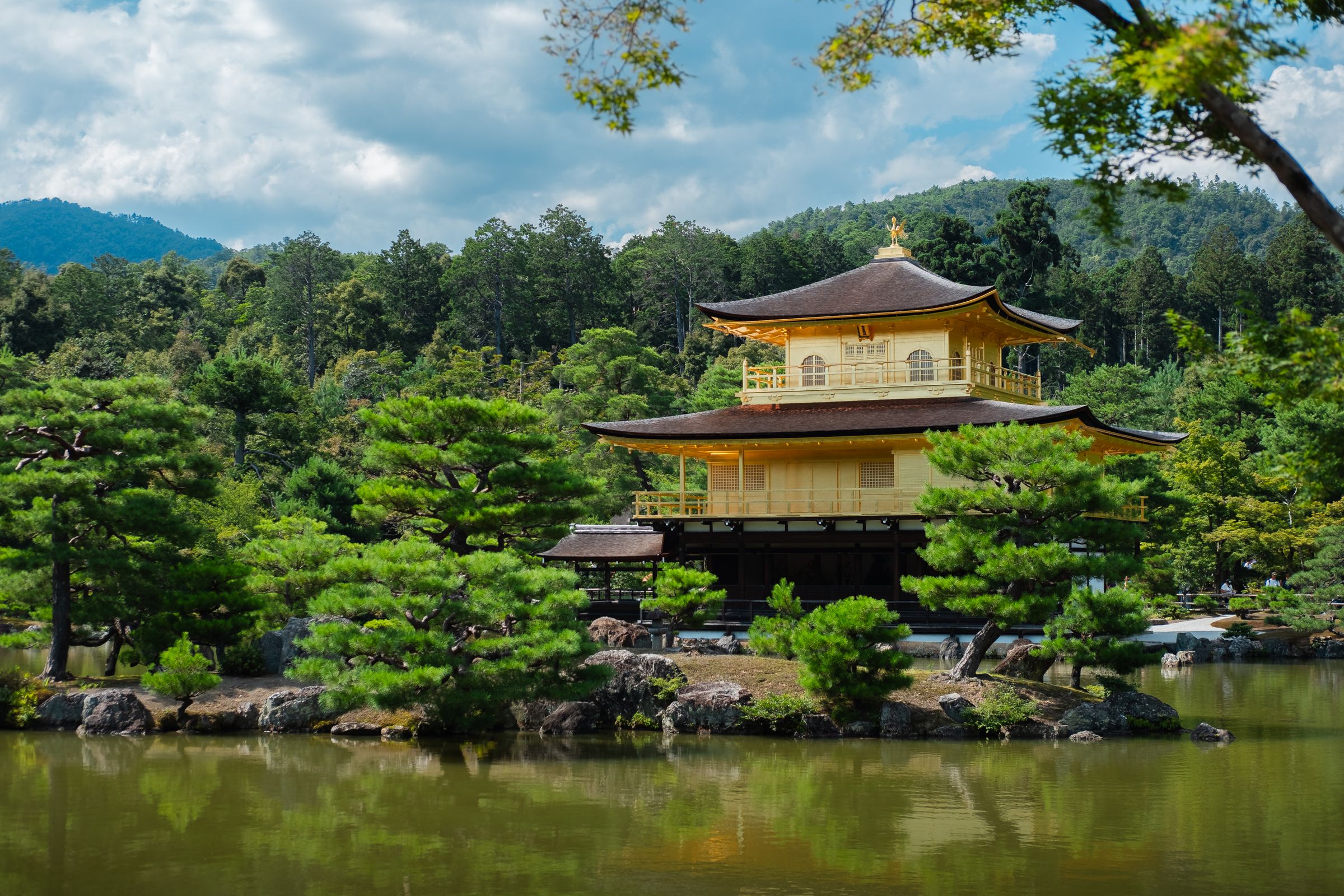
Kyoto packs over 1,600 Buddhist temples and 400 Shinto shrines into a single city, and the obvious challenge isn't finding things to see but deciding what to skip.
How the city is laid out
Central Kyoto radiates out from Kyoto Station, with Higashiyama and Gion to the east, Arashiyama to the west, and Fushimi Inari to the south — most major sights sit in one of these clusters rather than scattered randomly.
Is Kyoto walkable?
Within each district, yes — Higashiyama's stone-paved lanes in particular reward walking. Between districts, buses and trains do most of the work.
Booking ahead
Some popular sites, including certain temple gardens during peak cherry blossom or autumn leaf season, now require timed reservations — worth checking specific sites before you go.
How much does a trip to Kyoto cost?
Kyoto runs moderate by Japanese standards, with most temple entry fees modest and public transport inexpensive — accommodation is usually the largest line item.
Language and money
English signage is common at major sights and train stations, though everyday interactions in smaller shops may require basic Japanese or translation apps. Japan remains a relatively cash-reliant society outside major hotels and chain stores, so carrying yen matters more here than in many other destinations on this site.
Connectivity
Japan runs on 100V with a distinctive two-pin plug (compatible with most flat two-pin devices without an adapter), and tap water is safe to drink throughout the country.
Is Kyoto expensive?
Kyoto runs moderate by international standards — temple entry fees are typically a few hundred yen each, and public transport is inexpensive, though accommodation, particularly a traditional ryokan, can push costs up considerably.
Time zone and daylight
Japan sits on a single national time zone, and summer offers considerably longer daylight hours for temple-hopping than the shorter winter afternoons.
Photography etiquette
Most temple grounds welcome photography, though interiors of certain halls, particularly those housing important religious statues, sometimes prohibit it — signage is generally clear where this applies.
Currency and payments
Japan remains more cash-reliant than many countries, though card acceptance has grown significantly in tourist areas — carrying some yen is still wise for smaller temples, shops, and vending machines.
Bowing and basic etiquette
A slight nod is generally sufficient for tourists rather than a formal bow, and it's appreciated as a gesture of respect at temples and shrines specifically.
None of this requires rigid scheduling — Kyoto rewards mixing a famous temple with a quieter, lesser-known one, rather than chasing only the names everyone recognizes.
SIM cards and connectivity
Airport kiosks and convenience stores sell prepaid data SIMs or pocket wifi rentals, both straightforward options for staying connected throughout a Japan trip.