

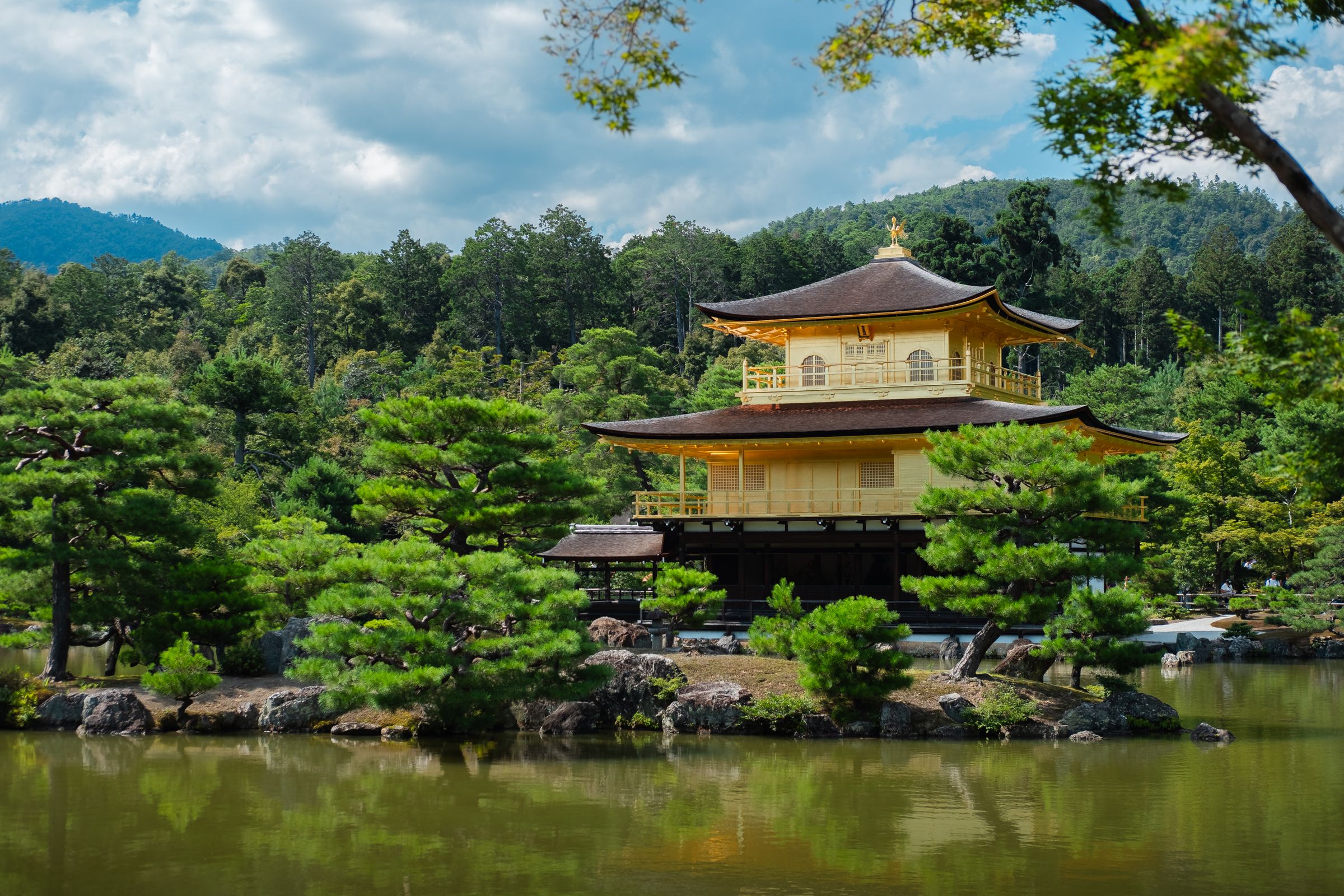







How to Get to Kyoto
By bullet train (shinkansen)
Kyoto has no major international airport, so most visitors arrive by shinkansen — about 2 hours 15 minutes from Tokyo, and around 15 minutes from Osaka, both arriving directly into Kyoto Station.
From Kansai Airport
Osaka's Kansai International Airport (KIX) is the nearest major airport, connected to Kyoto by direct train in around 75 minutes.
Getting around once you're there
City buses reach most temples and are the most common way to get around, though the bus network can be confusing at first — a one-day bus pass simplifies things if you're moving around a lot.
The Japan Rail Pass
If Kyoto is part of a wider Japan trip, a JR Pass can cover the shinkansen legs — worth calculating whether it saves money based on your specific route before buying.
Visa requirements
Many nationalities, including most of Europe, the US, Canada, and Australia, can enter Japan visa-free for short tourist stays, though it's worth confirming current rules for your specific passport before booking.
The IC card
A rechargeable IC card (Icoca in the Kansai region) covers buses, trains, and even some vending machines and convenience stores — worth picking up on arrival rather than buying individual tickets throughout your stay.
From Tokyo, comparing options
The shinkansen is faster and more comfortable than flying once airport transfer time is factored in, and for a route this well-served by rail, most travelers skip flying between the two cities entirely.
Booking shinkansen tickets
Tickets can be bought at the station on the day for most departures, though reserved seats are worth securing in advance during peak travel periods like cherry blossom season or Japanese holidays.
Luggage forwarding
A same-day or next-day luggage forwarding service (takkyubin) is widely used in Japan, letting you travel between cities without hauling large suitcases on trains — worth considering for a multi-city trip.
Arriving from Tokyo by other means
Overnight buses offer a considerably cheaper, if far slower, alternative to the shinkansen for budget travelers willing to trade comfort for cost.
Whichever route you choose, keep your ticket handy until you've exited the platform gates — Japanese rail staff do check tickets on the exit side at busier stations.
The Kansai Thru Pass
A regional transport pass covering trains and buses across the Kansai area, including Kyoto, Osaka, and Nara — worth comparing against individual tickets if you're moving around the region a lot.
Whichever method you choose, Japan's trains run on time closely enough that arriving even a minute late to the platform can mean missing a reserved departure.