



Best Things to Do in Kyoto
Walk the Fushimi Inari torii gates. Thousands of vermillion gates climbing a mountain — see our full guide.
See the Arashiyama bamboo grove. A short, quiet path through towering bamboo — our Arashiyama guide covers timing and crowds.
Explore Gion. Kyoto's geisha district, with strict etiquette around photography — see our full Gion guide.
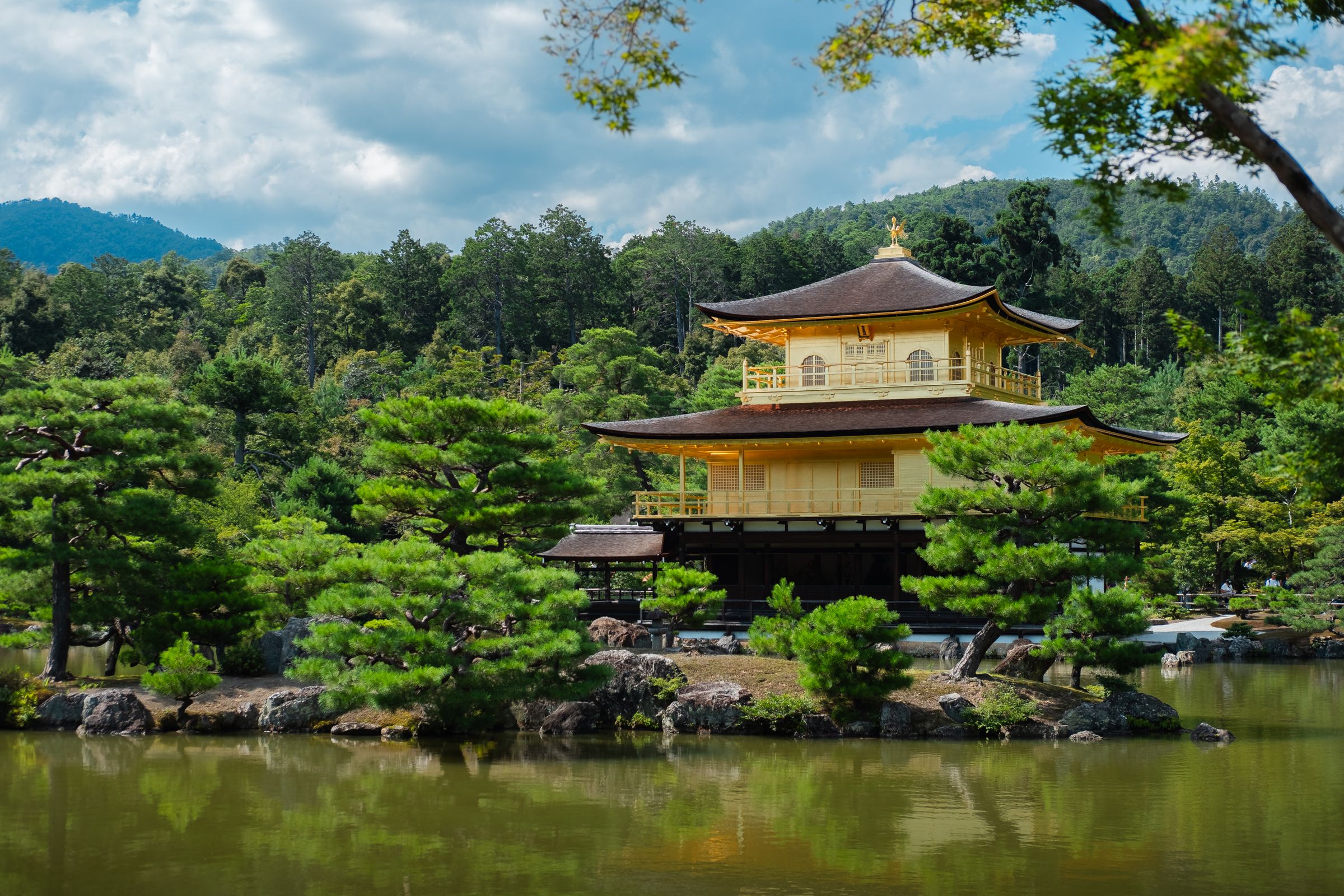
Visit Kinkaku-ji. The Golden Pavilion, a gold-leaf-covered temple reflected in its own pond, one of Kyoto's most photographed sights.
Walk Philosopher's Path. A canal-side walking path lined with cherry trees, especially stunning in spring but pleasant year-round.
Attend a tea ceremony. Several venues offer beginner-friendly introductions to the ritual behind Japanese tea culture.
Nijo Castle
A former shogunate residence with famous 'nightingale floors' that chirp underfoot, an intentional security feature designed to alert guards to intruders centuries ago.
Kyoto's traditional crafts
Nishijin textile weaving and Kiyomizu-yaki pottery both have centuries-old workshops in the city still producing traditional work, some open for visitor demonstrations.
Nishiki Market
Known as 'Kyoto's Kitchen,' this narrow covered market street sells everything from fresh seafood to pickles and sweets, and grazing your way through it makes for a genuinely different kind of sightseeing than temple-hopping.
Kyoto Imperial Palace
The former residence of Japan's imperial family before the capital moved to Tokyo, with formal gardens open to the public and the palace buildings themselves visible from the grounds.
Ginkaku-ji, the Silver Pavilion
Despite its name, never actually covered in silver — a more understated, contemplative counterpart to the gold-leafed Kinkaku-ji, with a notable dry sand garden.
A day trip to Nara
Under an hour from Kyoto, Nara's famous deer park and Todai-ji temple, home to one of Japan's largest bronze Buddha statues, make an easy addition to a longer Kyoto-based trip.
Kifune and Kurama
A mountain village north of the city with a shrine, hiking trail, and riverside dining platforms in summer — a genuinely different, cooler side of the Kyoto area for travelers wanting to escape the basin heat.
Kyoto Railway Museum
A large, genuinely engaging museum for train enthusiasts and families alike, tracing Japan's rail history including preserved steam locomotives and shinkansen models.
Uji, for tea lovers
A short train ride from central Kyoto, Uji is considered the birthplace of Japanese matcha, with tea houses and shops built around centuries of cultivation.
None of these need a fixed order — combining a famous stop with a quieter one on the same day tends to make for a more memorable stretch than back-to-back headline sights.
Pace yourself across whichever of these you choose — Kyoto punishes an overpacked schedule more than most cities, given how much walking even a single temple visit involves.