



Best Time to Visit Machu Picchu
Dry season (May-September)
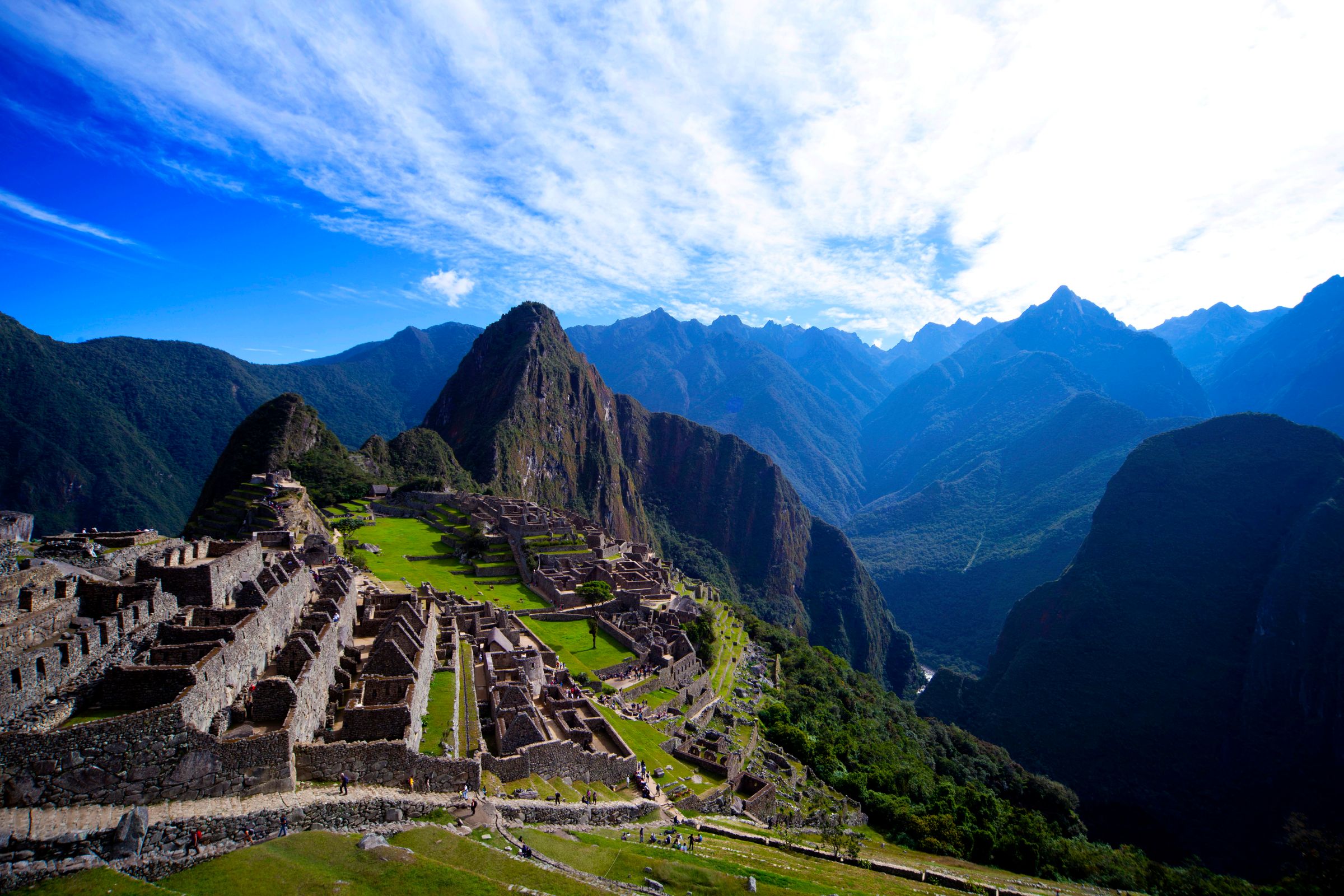
The most reliable weather for clear mountain views, and correspondingly the busiest and most expensive season, with June-August as the peak.
Shoulder months
April and October-November often balance decent weather with somewhat thinner crowds and lower prices than peak season.
Wet season (December-March)
Rain is more frequent and can obscure mountain views, and the Inca Trail closes entirely each February for maintenance.
Time of day
Morning entry slots often offer clearer conditions before afternoon clouds roll in, particularly in shoulder season.
Who each season suits
Dry season suits travelers prioritizing clear mountain views over cost or crowds. Shoulder months suit those balancing decent weather with better availability. Wet season suits budget travelers willing to risk cloudier views and the Inca Trail's February closure.
Cusco's own weather pattern
Nights in Cusco get genuinely cold year-round given the altitude, regardless of daytime conditions — pack for this even in the warmer months.
Crowds by time of year
July and August combine peak weather with peak crowds and prices — if flexibility allows, May, June, or September offer a meaningfully quieter experience.
Month-by-month at a glance
May: dry and clear, moderate crowds and prices. June–August: dry, clear, cold nights, peak crowds, highest prices. September: dry and clearing, moderate crowds and prices. October–November: increasing rain, low-to-moderate crowds, lower prices. December–March: wet, with the Inca Trail closed in February, low crowds, lowest prices.
Treat this as a general guide — mountain weather at this elevation can shift quickly regardless of season.
A practical takeaway
Late April through May and September offer a reasonable balance of good weather and somewhat lower prices than the June-August peak.
Comparing to the Amazon-adjacent regions
If combining Machu Picchu with a wider Peru trip including Amazon lodges, note that rainforest regions run on a different, generally wetter climate pattern than the Andes highlands.
Booking timing relative to season
Regardless of which season you choose, tickets and trekking permits for peak months should be booked considerably earlier than the trip itself, sometimes six months or more ahead for the Inca Trail specifically.
Photography considerations by season
Dry season's clearer skies favor classic wide-angle citadel shots, while wet season's dramatic cloud formations rolling through the mountains appeal to photographers chasing atmosphere over pure clarity.
A practical takeaway
If you have to pick one window, late May or early June often delivers dry-season clarity before the absolute peak crowds of July and August set in.
Whatever season you choose, remember that weather at this elevation can shift within a single day regardless of the broader seasonal pattern — pack for variability rather than a single expected condition.
In the end, most visitors find the trip worthwhile regardless of season — the citadel's scale and history come through even under cloud cover that would disappoint a purely photography-focused visit.