







How to Get to Machu Picchu
The standard route
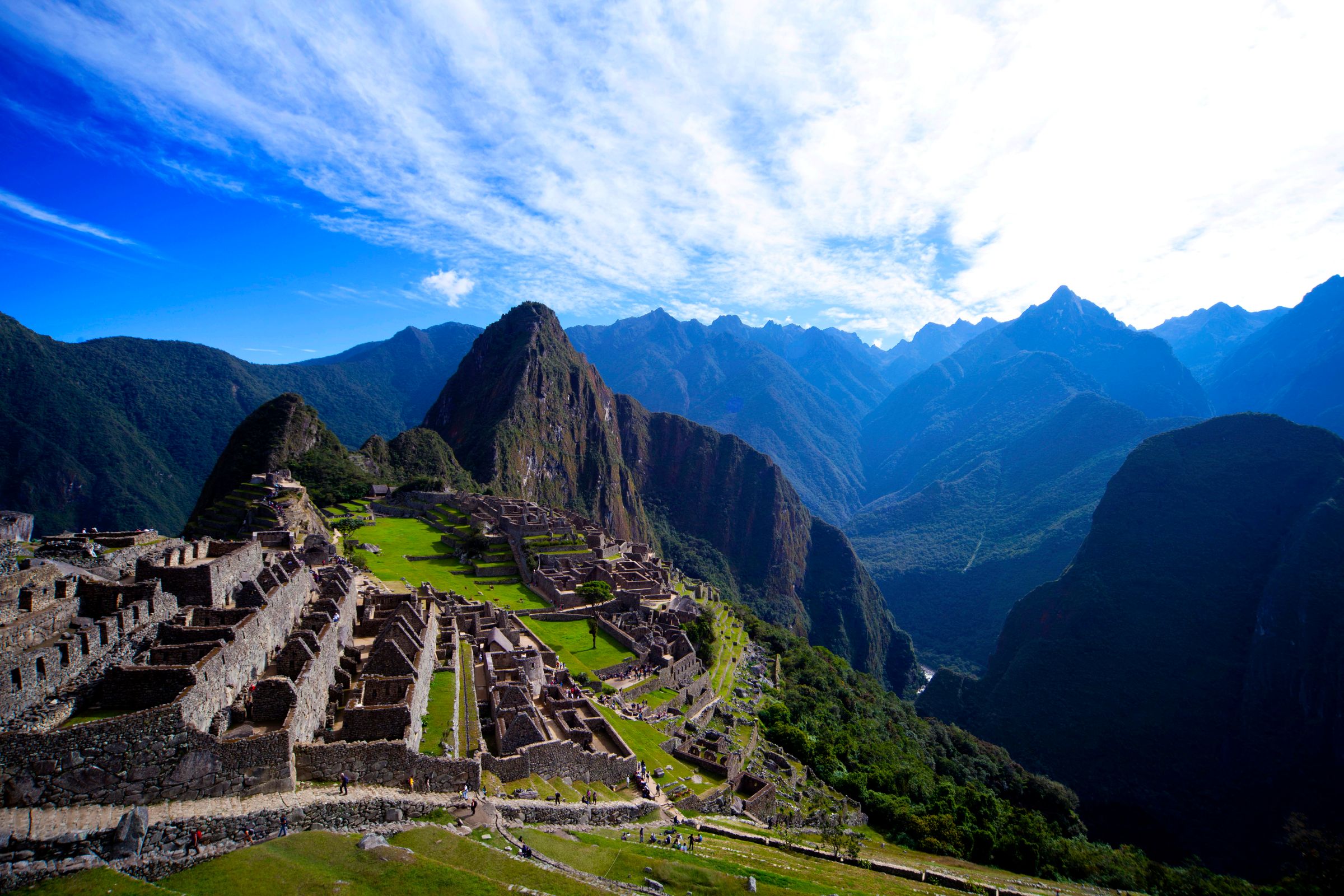
Fly into Cusco, transfer by road to Ollantaytambo (about 1.5 hours), then take the train to Aguas Calientes (about 1 hour 50 minutes), followed by a shuttle bus up to the citadel entrance (about 25 minutes).
The Inca Trail
A multi-day trek ending at the Sun Gate, requiring a permit booked months in advance given strict daily limits — see our full guide.
Alternative treks
Routes like the Salkantay Trek offer a multi-day alternative to the Inca Trail without the same permit restrictions, ending at Aguas Calientes rather than the Sun Gate directly.
Booking trains
Train tickets, like entrance tickets, are worth booking well ahead in peak season rather than assuming same-week availability.
Visa requirements
Many nationalities, including the US, Canada, the UK, the EU, and Australia, can enter Peru visa-free for short tourist stays — worth confirming current rules for your specific passport.
Booking your flight into Cusco
Direct flights typically originate from Lima, and morning departures are generally more reliable given afternoon weather patterns that can affect Cusco's mountain-airport approach.
Altitude on arrival
Landing directly into Cusco's elevation from sea level is a genuine shock for many travelers — some choose to fly into Lima first and take a day or two before continuing to Cusco, though most simply push through the initial adjustment.
What to expect on the train
Panoramic windows on most services showcase the Sacred Valley's mountains and river as you travel, making the journey itself part of the experience rather than just transit.
Baggage limits on the train
Train services to Aguas Calientes enforce fairly strict luggage size limits, so leaving larger bags in Cusco storage and traveling with just a daypack is common practice.
Whichever route you take, keep your passport accessible throughout the journey — it's required for both train travel and citadel entry, checked against your ticket at multiple points.
Weather delays
Heavy rain occasionally disrupts train schedules during wet season — building a buffer day into your itinerary before an international flight home reduces the risk of a missed connection.
Whichever combination of transport you use, confirming pickup times and locations the night before with your hotel or operator avoids the most common source of early-morning stress.
Traveling with a tour group versus independently
Group tours typically bundle all these transfers into a single coordinated schedule, removing the need to book trains and buses separately — a genuine convenience for travelers who'd rather not manage the logistics themselves.
However you piece the journey together, it remains one of the more involved multi-stage trips featured on this site.