Olinda UNESCO Historic Centre Guide: Alto da Sé, São Bento & Giant Puppets
Olinda features UNESCO-listed colonial hilltops, ornate baroque churches, scenic viewpoints over Recife, and traditional giant carnival puppets.
Colonial Foundations and the Climb to Alto da Sé
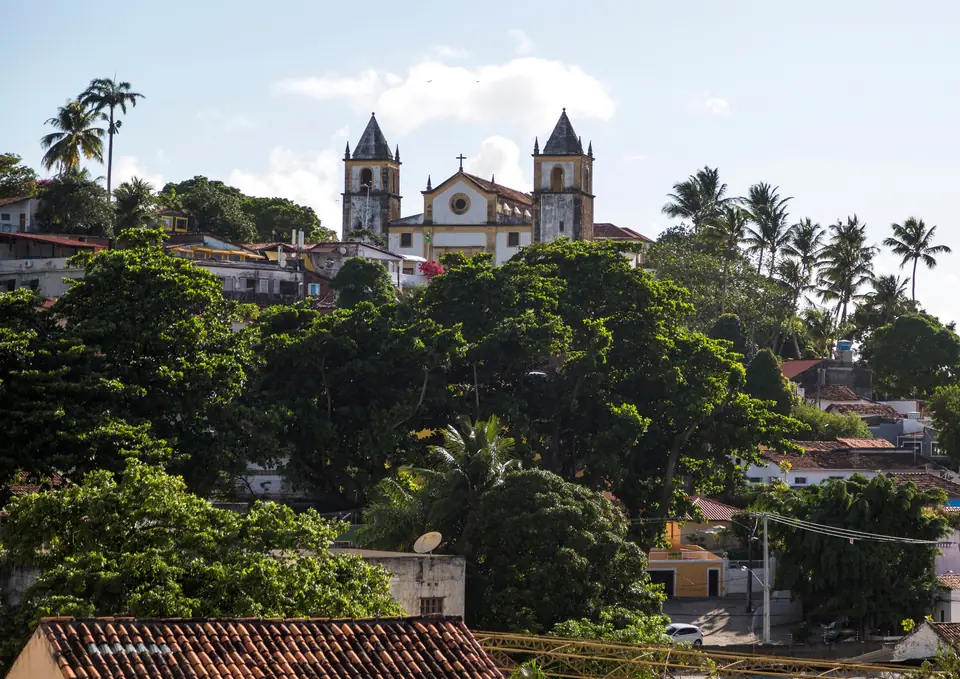
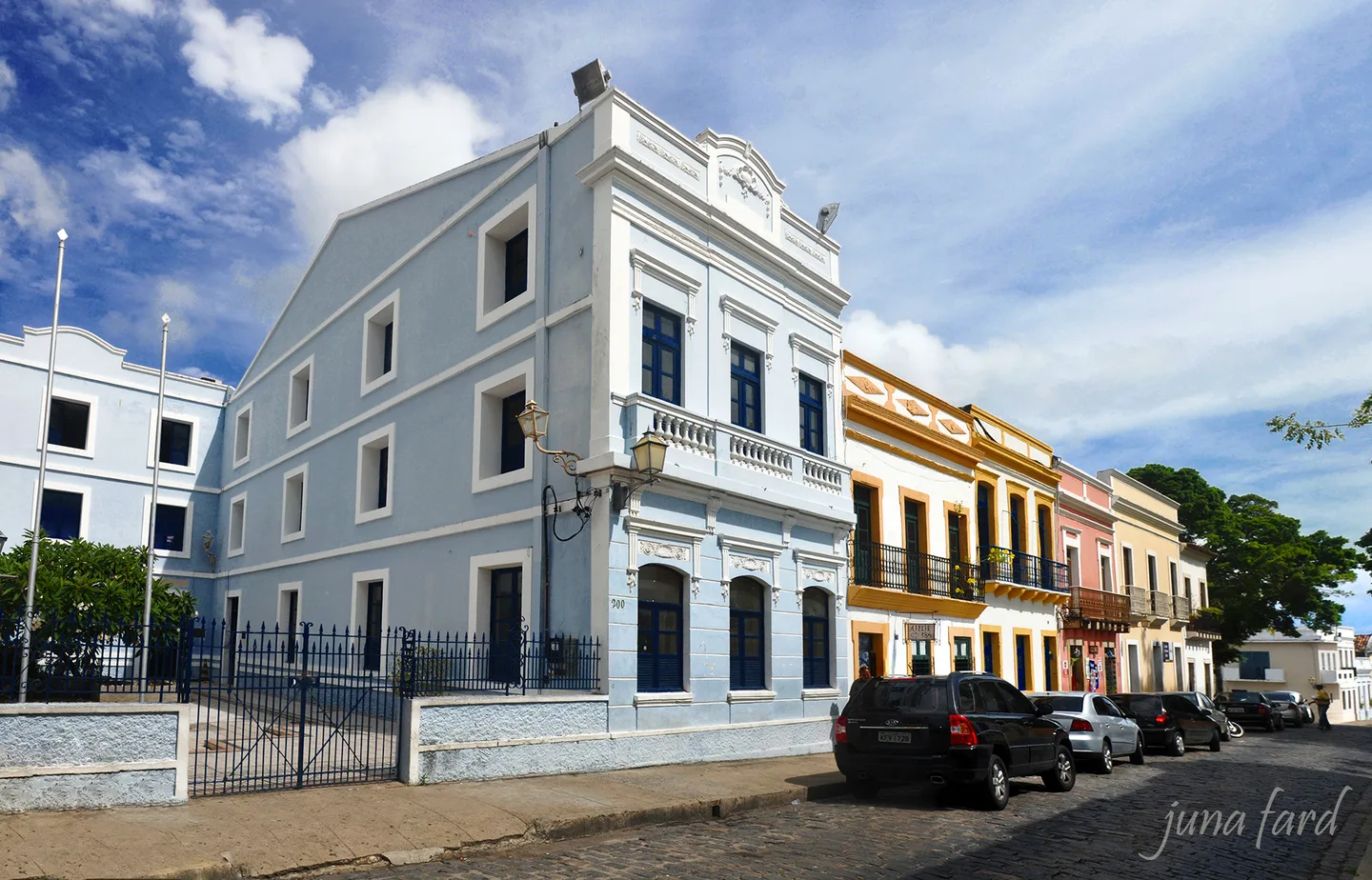
Perched on green hills overlooking the Atlantic coastline, the historic centre preserves a distinct seventeenth-century townscape of pastel houses, tiled roofs, and convent gardens. We begin our ascent along steep stone lanes where mango trees and coconut palms shade colourful domestic facades. The original street grid follows the contours of the rolling ridge. This hillside pattern creates sudden vistas of the modern towers standing across the bay.
Reaching the summit brings travellers to Alto da Sé, the historic cathedral precinct that crowns the entire settlement. Open-air stalls assemble here in late afternoon, filling the church square with aromas of fresh tapioca pancakes and chilled coconut water. Standing beside the cathedral terrace, we take in panoramic views spanning coastal reefs, lush shoreline palms, and the distant skyline of central Recife.
Baroque Monasteries and Sacred Architecture
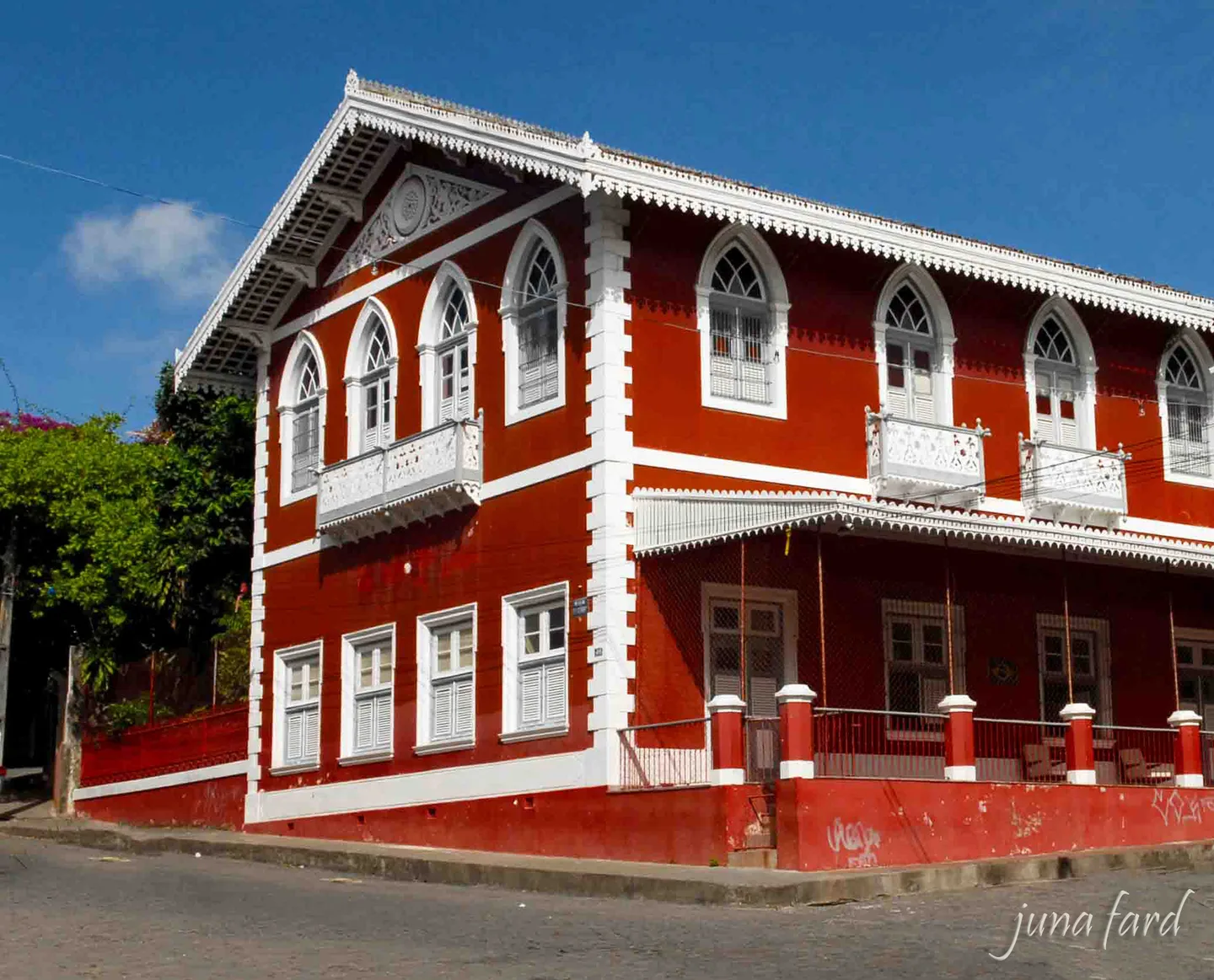
Dozens of religious foundations dot the slopes, each built during the lucrative sugar-planting eras of colonial Pernambuco. The Monastery of São Bento anchors the lower slope with an austere exterior that conceals elaborate gilded woodwork, ornate cedar choir stalls, and painted ceiling panels. Monks still maintain daily prayer cycles here, filling the cool stone nave with quiet dignity away from the humid midday streets outside.
Higher up the hillside, the Convento de São Francisco complex displays exquisite hand-painted blue-and-white tiles depicting allegorical scenes, theological virtues, and coastal landscapes. Walking through the cloistered courtyards allows us to appreciate peaceful stone colonnades and shaded monastic corridors. Nearby at Praça do Carmo, the monumental Igreja de Nossa Senhora do Carmo rises above landscaped lawns and colonial brickwork. Connecting this uphill circuit with port quarters in central Recife reveals how sugar commerce financed baroque church construction across northeast Brazil.
Frevo Traditions, Craft Markets, and Giant Puppets
Carnival heritage defines local identity as intensely as the colonial architecture. Artisans throughout the old hillside quarter construct towering papier-mâché figures known as bonecos gigantes, which parade through the tight alleys during annual celebrations. Local workshops open their doors along side streets, where sculptors mould expressive faces depicting folk characters, brass musicians, and regional legends. Down towards Rua do Amparo, the former Mercado da Ribeira preserves colonial slave-market arcades converted into bright artisan galleries displaying woodcuts and hand-carved masks.
Rhythmic brass melodies of frevo drift across outdoor rehearsal courtyards during afternoon sessions. Dancers practise acrobatic leaps with small umbrellas, keeping centuries of street choreography alive. While planning your route through Pernambuco, pairing Recife island museums and coastal sights helps balance this living street performance with mainland gallery visits.
| Historic Precinct | Key Feature | Walking Terrain |
|---|---|---|
| Alto da Sé | Cathedral square and coastline views | Steep stone ramps and open paved terrace |
| São Bento | Gilded baroque altar and quiet cloisters | Gentle lower slope near town entrance |
| São Francisco | Historic azulejo tiles and courtyard gardens | Intermediate cobblestone hill slope |
| Rua do Amparo | Artisan ateliers and traditional puppet houses | Narrow paved street with cafes |
Navigating Cobblestones, Transit Links, and Shaded Streets
Walking through the upper historic core requires sensible footwear, as polished stone cobbles can prove slick after tropical showers. Sun protection remains vital throughout the middle of the day, as steep climbs offer minimal shade when moving between monuments. Carrying a refillable bottle of water keeps hill ascents comfortable when sea breezes drop behind walled gardens. We recommend starting early in the morning, pausing inside breezy convent gardens during midday heat, and continuing through craft studios in late afternoon.
- Lower arrival point: Begin near Praça do Carmo, where coastal buses drop passengers close to gentle entry ramps.
- Studio lane pacing: Follow Rua do Amparo uphill towards artisan woodcut ateliers and traditional puppet houses.
- Hilltop terrace: Finish at Alto da Sé for cool afternoon winds and broad ocean views back across the bay.
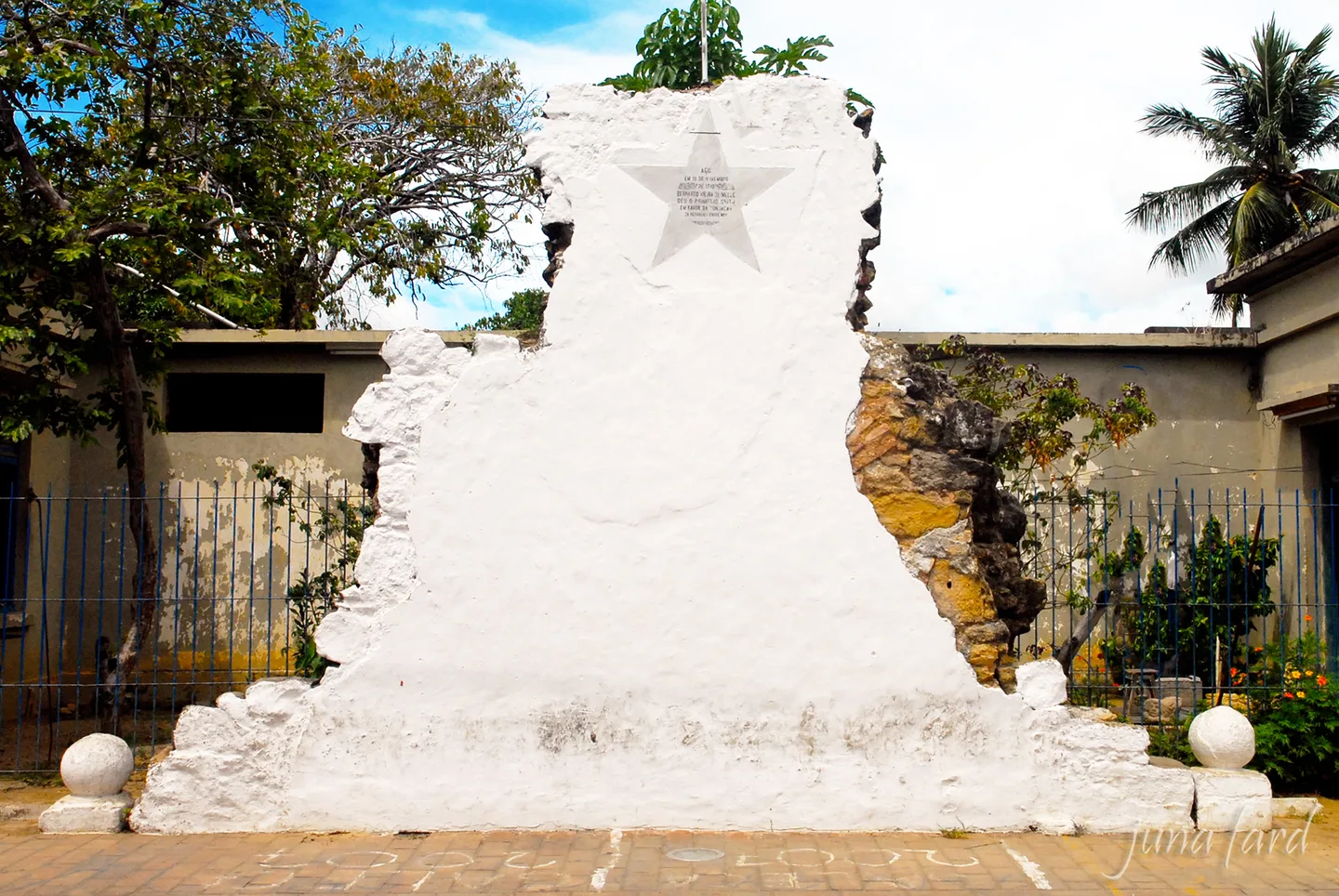
Frequent metropolitan buses and ride-hailing services link central Recife along the PE-15 corridor with the base of the historic hill, allowing straightforward day excursions without complex logistics. Visitors can alight near Praça do Carmo and begin walking upward past the restored senate ruins and residential lanes. Checking Recife district layout and seasonal tips before departure clarifies connections between harbour bridges and these hillside colonial paths.
Official prices and opening hours
- Instituto Ricardo Brennand (Várzea)Official site ↗
Where it is
- 1Olinda UNESCO Historic Centre
- Recife/Guararapes - Gilberto Freyre International Airport (REC) · about 15 km from here in a straight line
- Directions in Google Maps
Stations and taxi ranks: OpenStreetMap. Airports: OurAirports. Distances are in a straight line.
Traveller tips
Real advice from people who have been to Recife. Every tip is read by our team before it goes live.
No tips yet. Been here? Yours could be the first.
Thank you! Your tip will appear here after a quick review.
More in Recife
Continue exploring Recife with related neighbourhood, food, and planning guides
Where to Stay in Recife and Olinda: Boa Viagem and Historic Pousadas
Recife, Brazil
Three Days in Recife and Olinda: Historic Streets, Canals and Coastal Reefs
Recife, Brazil
What to Eat in Recife and Olinda: Bolo de Rolo, Peixada and Cartola
Recife, Brazil
Recife Antigo: Marco Zero, Rua do Bom Jesus and Kahal Zur Israel
Recife, Brazil
