Visiting Recife and Olinda: Tropical Seasons, Tide Tables, and Cultural Calendars
Planning around coastal Atlantic rainfall patterns and daily tide cycles lets you experience Recife and historic Olinda comfortably throughout the year.
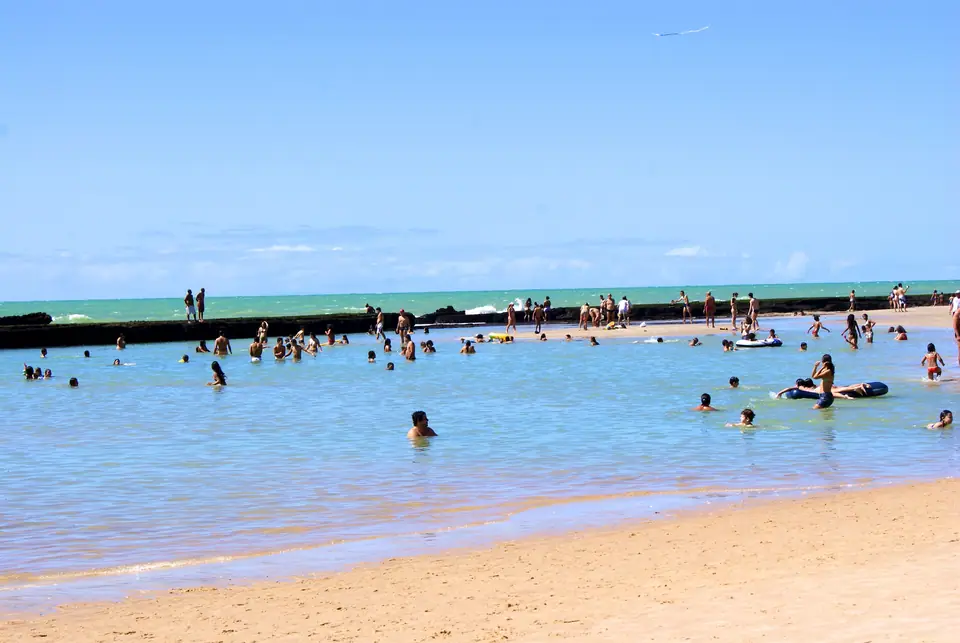
Coastal Pernambuco experiences warm temperatures throughout every month, yet seasonal precipitation shifts transform daily sightseeing conditions across the metropolitan area. The drier period runs from late September through February, bringing steady sea breezes and consistent sunshine across the regional beaches. In contrast, autumn and winter bring frequent tropical downpours that peak from April through July. These heavy rains often cause localised urban water pooling along low-lying riverfront avenues. Useful Recife regional routes coordinate museum stops and outdoor monuments according to prevailing weather patterns. Mornings during the dry months offer comfortable conditions for exploring historic squares before peak midday heat arrives.
Even during wetter months, rainfall frequently arrives in short, intense bursts rather than continuous overcast drizzle. This pattern allows for productive excursions between cloudbursts. The cooling trade winds keep coastal neighbourhoods bearable even when humidity rises significantly across urban districts. Coastal breezes drop slightly inland, making visits to suburban collections feel noticeably warmer during early afternoon hours. Carrying lightweight, quick-drying clothing and sturdy umbrellas proves essential when touring during transitional calendar windows.
Navigating Natural Reef Pools with Daily Ocean Tides
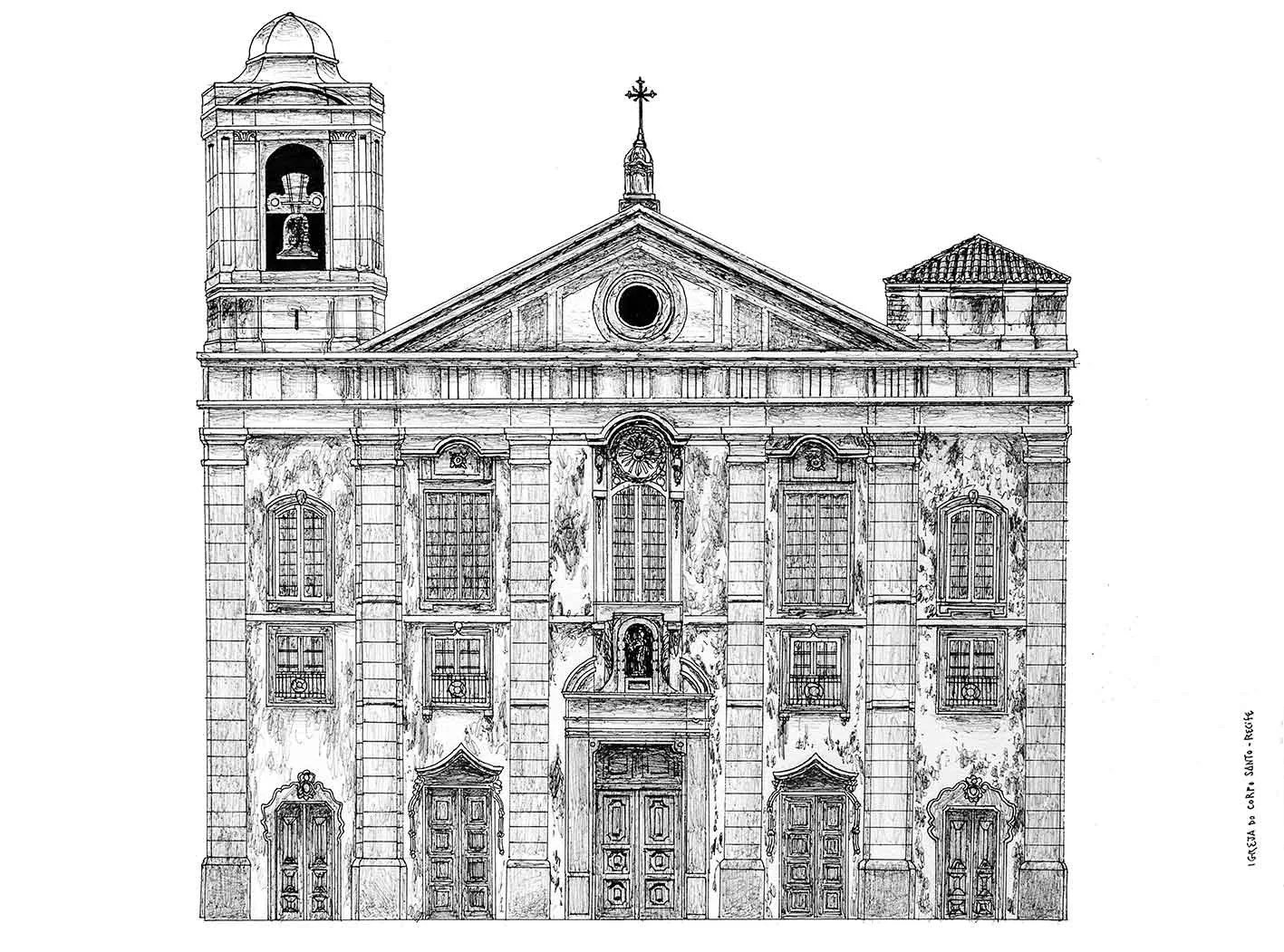
The urban beaches of Boa Viagem and nearby coastal stretches depend heavily on the lunar cycle and fluctuating tide tables. Long offshore sandstone barriers create calm, shallow natural pools during low tide, shielding swimmers from ocean currents. Conversely, approaching high tide completely submerges these protective stone shelves, bringing stronger waves and deeper water directly toward the sand shelf. Checking local maritime forecasts helps swimmers identify optimal low-water periods to bathe safely in the natural rock formations.
Marine safety signs stand positioned across the urban coastline, instructing visitors on safe swimming zones bounded by the natural barriers. Pairing morning low tides with outdoor leisure gives the most rewarding coastal beach routine. During high tide, seaside promenades remain popular for walking, running, and stopping at beachfront kiosks for fresh coconut water. Aligning beach excursions with maritime tide calculations prevents unexpected interruptions from encroaching surf.
Carnival Celebrations and the Olinda Hillside Processions
Cultural calendars in Pernambuco peak in the weeks leading up to Ash Wednesday, when traditional street celebrations take over public spaces. Olinda fills with costumed revellers dancing down steep cobbled lanes to the lively pace of frevo brass bands and maracatu drumming troupes. In central Recife, massive musical parades like the Galo da Madrugada gather vast crowds along riverbank boulevards. Securing accommodation well in advance becomes critical if you intend to experience these famed street processions. Booking early through Recife neighbourhood lodgings secures rooms within reach of festival transit corridors.
| District Focus | Seasonal Highlights | Practical Planning Focus |
|---|---|---|
| Olinda Old Town | Street bands, colourful banners, colonial churches | Steep cobbled climbs, best navigated during dry mornings |
| Recife Antigo | Cultural centres, riverside walks, night markets | Waterfront promenades linked to river bridges |
| Boa Viagem | Warm ocean bathing, paved running path | Strict adherence to daily low tide tables |
Pre-Carnival rehearsal sessions begin weeks before the main event, giving visitors lively street experiences with fewer crushing crowds. The cooler late afternoons invite pleasant strolls through historic Olinda to watch musicians rehearse on public squares. Travellers seeking a quieter journey should choose late spring or mid-autumn, when colonial streets return to an unhurried rhythm.
Seasonal Itinerary Logistics and Urban Transit Timing
Balancing seasonal weather variations requires planning transfers between coastal strips and historic districts with care. Combining morning heritage walks with sheltered afternoon museum stops helps you avoid sudden tropical rainfall and harsh sun. Rainy-season afternoons work well indoors inside the castle galleries of Instituto Ricardo Brennand in Várzea after confirming entry rules on official museum portals. Travellers can review transit connections and airport and rail arrivals before mapping journeys between distant boroughs.
- Schedule open-air hillside walks across historic Olinda during dry morning hours to minimise heat exposure.
- Reserve indoor cultural centres in Recife Antigo for early afternoon periods when summer heat peaks.
- Consult official tide prediction tables daily before swimming along Boa Viagem reef pools.
- Pack compact rain protection during the wetter months to keep urban walking tours comfortable.
Planning day trips around tidal movements and seasonal sunshine creates a balanced journey across the state of Pernambuco. Early departures protect your schedule from afternoon road congestion and heavy seasonal downpours. Matching each district's topography with the appropriate time of day produces a smooth coastal and cultural itinerary.
Weather by month
Recife is warmest in February, with average highs around 30°C, and coldest in August, when nights drop to about 23°C. May is the wettest month by rainfall (193 mm), with rain on most days.
| Month | Low | Range | High | Rain | Rainy days |
|---|---|---|---|---|---|
| Jan | 25°C | 29°C | 80 mm | 21 d | |
| Feb | 25°C | 30°C | 91 mm | 20 d | |
| Mar | 25°C | 29°C | 123 mm | 25 d | |
| Apr | 24°C | 29°C | 125 mm | 22 d | |
| May | 24°C | 28°C | 193 mm | 25 d | |
| Jun | 23°C | 27°C | 192 mm | 26 d | |
| Jul | 23°C | 27°C | 153 mm | 27 d | |
| Aug | 23°C | 27°C | 103 mm | 24 d | |
| Sep | 23°C | 27°C | 72 mm | 20 d | |
| Oct | 24°C | 28°C | 53 mm | 19 d | |
| Nov | 24°C | 29°C | 51 mm | 17 d | |
| Dec | 25°C | 29°C | 69 mm | 20 d |
Averages of daily values from 2015 to 2024. Rainy days are days with at least 1 mm of rain. Source: Open-Meteo · Compare destinations by month.
Official prices and opening hours
- Instituto Ricardo Brennand (Várzea)Official site ↗
Where it is
- 1Recife
- Recife/Guararapes - Gilberto Freyre International Airport (REC) · about 9 km from Recife in a straight line
- Directions in Google Maps
Stations and taxi ranks: OpenStreetMap. Airports: OurAirports. Distances are in a straight line.
Traveller tips
Real advice from people who have been to Recife. Every tip is read by our team before it goes live.
No tips yet. Been here? Yours could be the first.
Thank you! Your tip will appear here after a quick review.
More in Recife
Continue exploring Recife with related neighbourhood, food, and planning guides
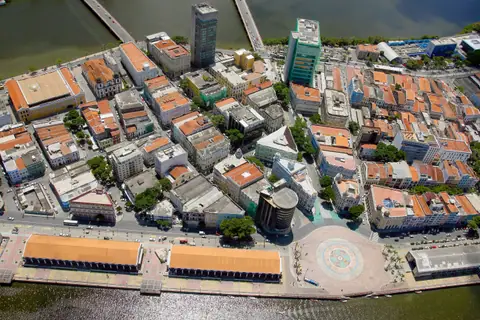
Three Days in Recife and Olinda: Historic Streets, Canals and Coastal Reefs
Recife, Brazil

What to Eat in Recife and Olinda: Bolo de Rolo, Peixada and Cartola
Recife, Brazil
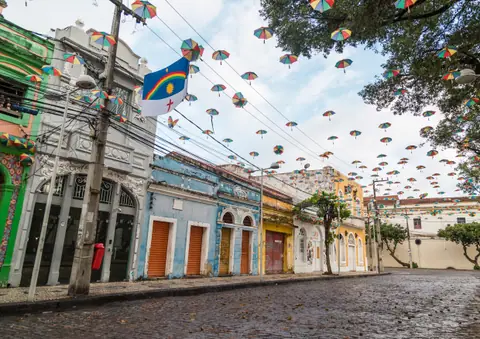
Recife Antigo: Marco Zero, Rua do Bom Jesus and Kahal Zur Israel
Recife, Brazil
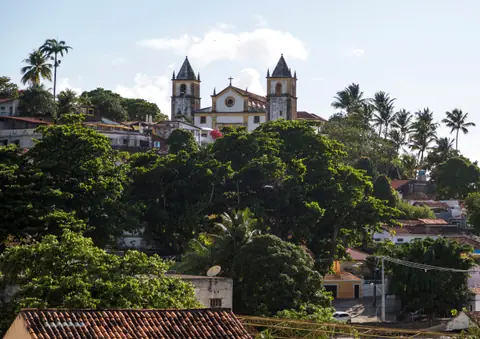
Olinda UNESCO Historic Centre Guide: Alto da Sé, São Bento & Giant Puppets
Recife, Brazil
