Recife: Santo Antônio, Capela Dourada and Heritage Bridges
Santo Antônio forms the historic civic heart of Recife, displaying centuries of religious art, artisan markets, and riverside bridges.
Santo Antônio stands as one of the oldest planned districts of the city, positioned gracefully between winding waterways and historic civic squares. Walking through these central streets reveals a remarkable density of sacred architecture, colonial government halls, and lively public thoroughfares that contrast with modern coastal towers. When planning a heritage loop, check historic waterfront landmarks throughout central neighbourhoods to sequence church entries before afternoon market crowds build up.
The urban layout of Santo Antônio developed during colonial transformations that linked riverbanks with civic administration buildings. Stone bridges and wide public squares replaced older swamp borders as commerce flourished along the river estuary. Travellers exploring these corridors encounter a mix of ecclesiastical monuments, municipal offices, and neighbourhood street sellers.
Baroque Magnificence at Capela Dourada
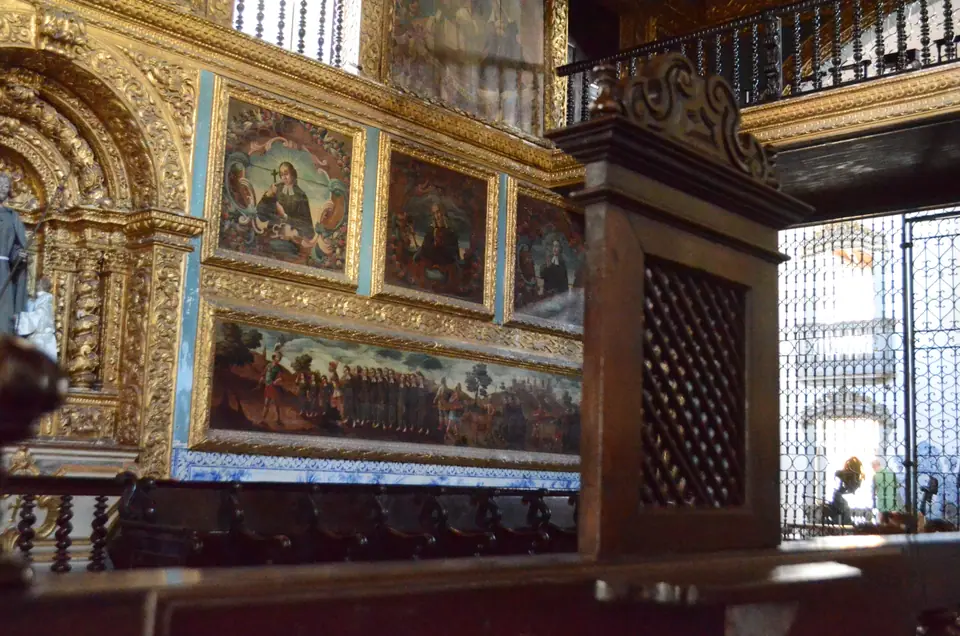
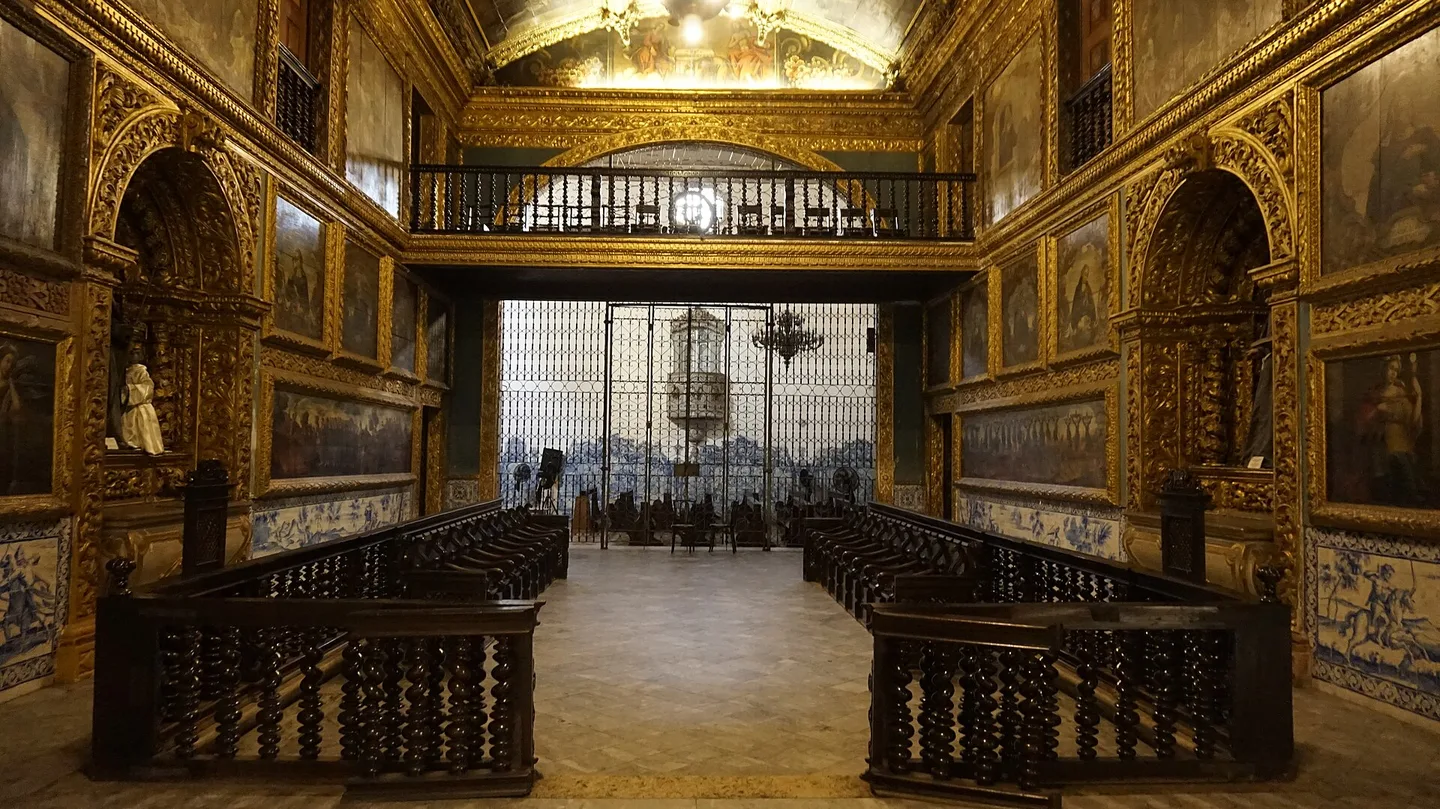
The Franciscan convent complex contains the revered Capela Dourada, celebrated across the country for its gold leaf woodwork and detailed cedar carving. Master craftsmen assembled this sacred interior during the height of the regional sugar economy, coating nearly every surface in gleaming leaf. The chapel ceiling presents oil panels of Franciscan saints set inside intricate frames, casting warm reflections across the marble flooring below.
Standing beneath the high altar reveals decades of patient religious devotion, where natural light filters through side windows to illuminate gilded columns. The adjacent religious museum displays sacred silver chalices, antique vestments, and ceremonial furniture used by the Third Order of Saint Francis across multiple generations. Stepping inside offers a tranquil retreat from the warm tropical avenues of the central district.
The Franciscan site also preserves a quiet cloister lined with historic Portuguese ceramic tiles depicting moral lessons and allegorical figures. Stone corridors surround a shaded courtyard where convent members gathered away from the crowded harbour lanes. Preserved funeral markers embedded in the stone pavement record the names of benefactors who funded regional artistic expansions.
Visitors can easily walk to nearby colonial sanctuaries, creating a rewarding route across the southern bank of the river:
- Capela Dourada: Exceptional Brazilian Baroque gilded woodwork, high altars, and Franciscan historical displays.
- Igreja de Santo Antônio: Ornate parish church framing the central commercial avenues.
- Nossa Senhora do Carmo: Towering Carmelite basilica featuring sweeping nave vaults and marble statuary.
- Convento de São Francisco: Historic religious compound enclosing devotional tilework and antique courtyards.
Navigating Central Bridges Across the Capibaribe
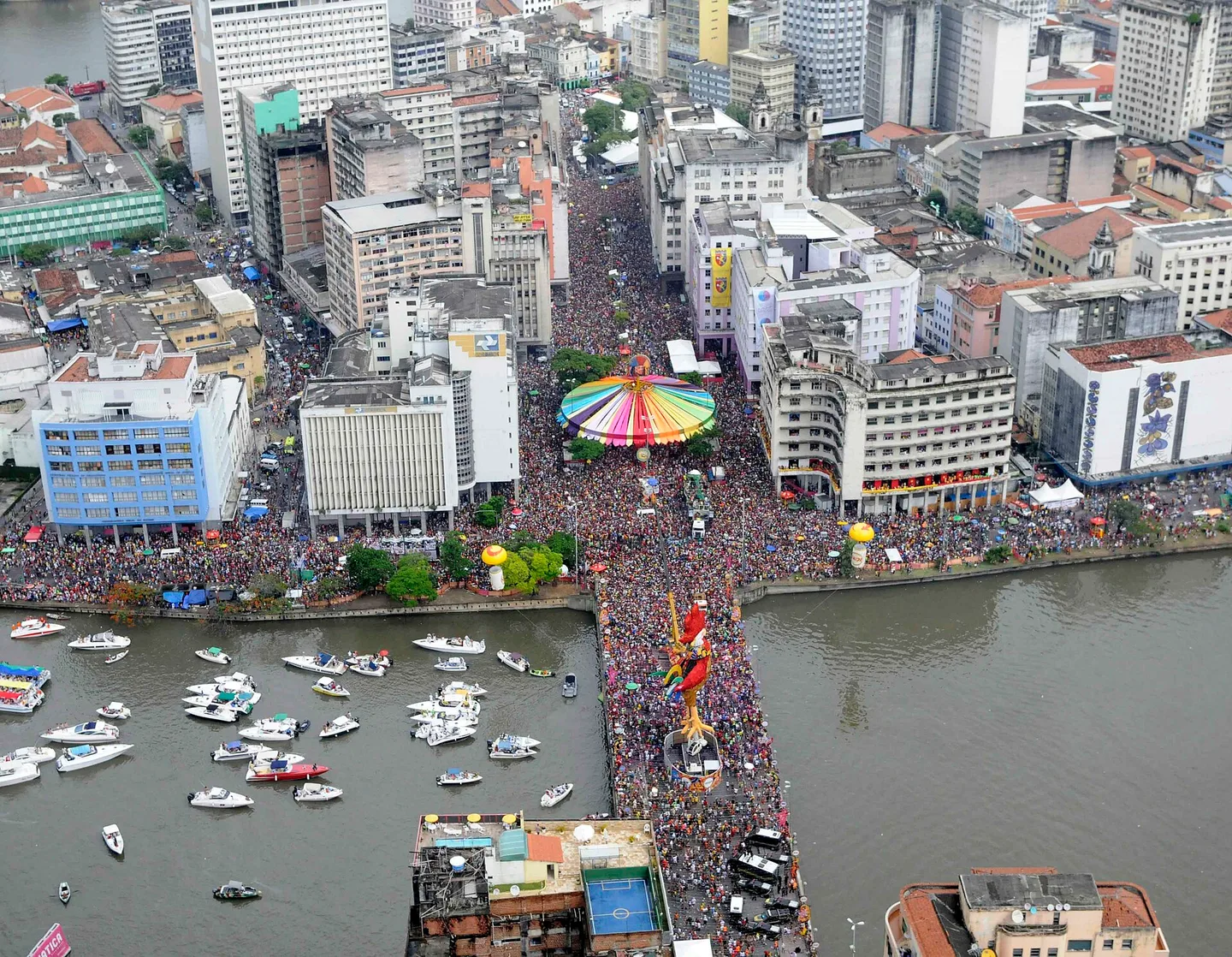
Recife earned its reputation as an island city largely through the intricate network of crossings joining Santo Antônio to surrounding landmasses. The calm waters of the Capibaribe River flow around the district, spanned by iron and concrete structures reflecting distinct engineering eras. Crossing these walkways affords expansive views over quiet water channels, mangrove fringes, and weathered colonial facades.
Ponte Maurício de Nassau traces historical foundations established during early Dutch governance, linking the commercial heart of Santo Antônio directly with Recife Antigo. Ponte Santa Isabel and Ponte Duarte Coelho channel pedestrian traffic toward modern thoroughfares while retaining decorative lampposts and river vistas. Pair your walking route with our island orientation notes to coordinate bridge crossings with adjacent gallery stops.
River currents beneath these historic spans rise and fall with the coastal tides, altering the reflections of riverside government palaces. Historic lamp standards and parapets offer pleasant viewpoints where visitors pause to watch traditional barges and waterbirds. Walking across at a measured pace reveals the changing urban texture between old colonial quays and newer transport arteries.
| Bridge Name | Connecting Districts | Primary Character |
|---|---|---|
| Ponte Maurício de Nassau | Santo Antônio to Recife Antigo | Historic pedestrian walkway with river views |
| Ponte Duarte Coelho | Santo Antônio to Boa Vista | Wide transport corridor with central civic monuments |
| Ponte Santa Isabel | Santo Antônio to Boa Vista | Decorative iron railings framing theatre squares |
| Ponte Buarque de Macedo | Santo Antônio to Recife Antigo | Broad vehicular and pedestrian crossing with harbour vistas |
Casa da Cultura and Regional Craft Traditions
Further south along the riverside sits the Casa da Cultura, occupying the former central penitentiary built during the imperial era. The facility underwent complete restoration, converting former detention cells into independent craft workshops, bookshops, and traditional regional pantries. Three long wings radiate outwards from a tall central hub, allowing cool breezes from the river to circulate naturally through open corridors.
Local artisans display handwoven lace, clay figurines from the regional interior, leather sandals, and bright textiles reflecting traditional Pernambucano rhythms. Ground floor counters offer regional cashews, fruit preserves, and seasoned snacks, while upper tiers house painters and woodcarvers demonstrating their craft. Exploring these former stone cells highlights how adaptive restoration can celebrate creative resilience and civic culture.
Cultural performances frequently take place within the open courtyard, where regional musicians play frevo brass tunes and maracatu rhythms. Visitors browsing through the cell corridors find distinctive handcrafted pottery and embroidered linens made by communities across the Agreste plateau. The radial floor plan allows intuitive movement between artisanal galleries and historical displays.
Civic Spaces and Urban Walkways of São José
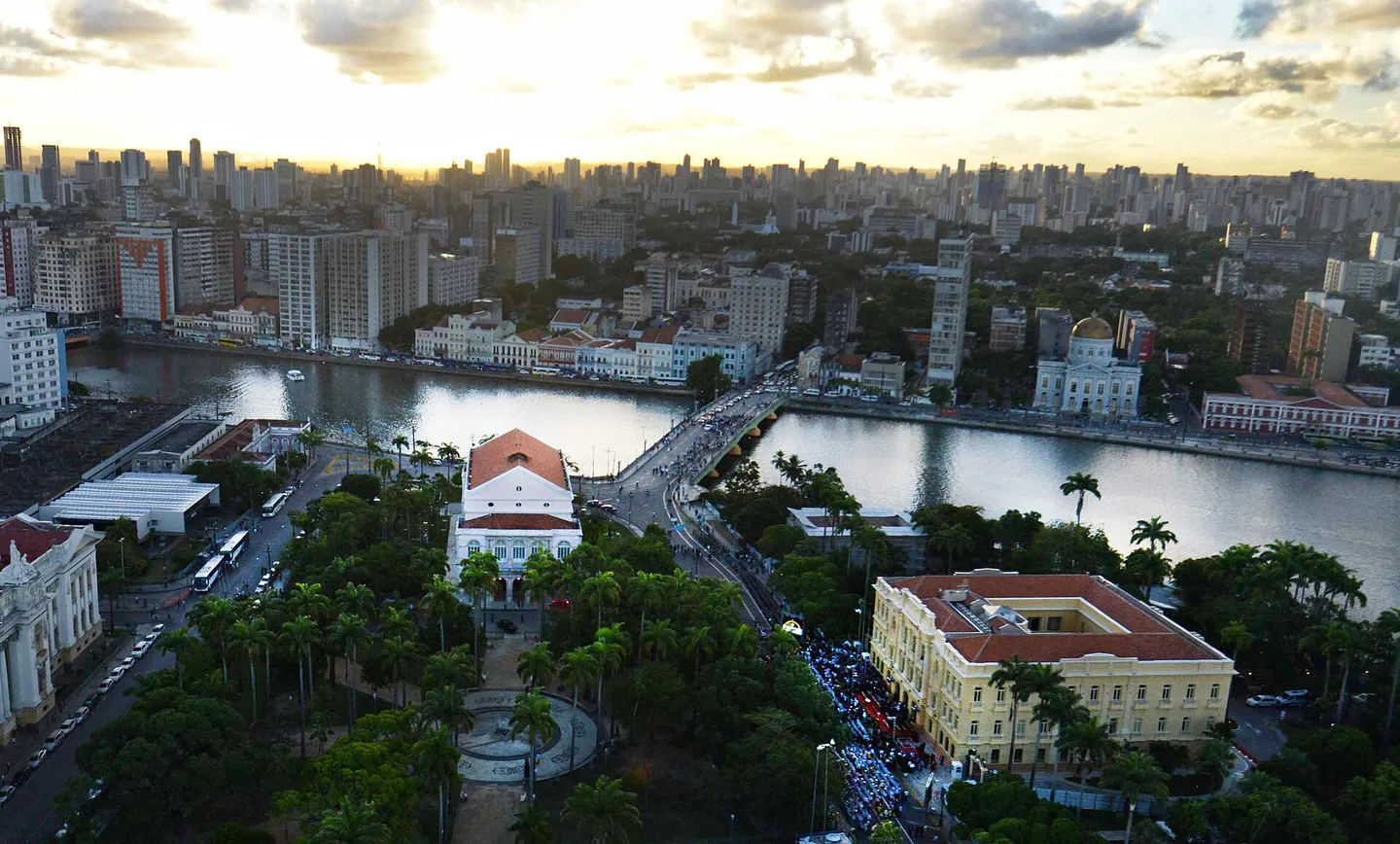
Praça da República forms an imposing green lung at the northern edge of the district, bordered by grand nineteenth-century civic structures. Mature baobab trees and palms shade gravel footpaths leading past the Governor Palace and the neoclassical Teatro de Santa Isabel. This open square serves as a tranquil starting point for walking south toward the commercial lanes of São José.
The adjoining district of São José hums with market traders, haberdashers, and street vendors supplying daily goods to suburban commuters. Mercado de São José showcases cast-iron architecture imported from European foundries, providing a lively counterpoint to the quiet chapels nearby. Walking between these plazas and riverbanks offers travellers a comprehensive appreciation of everyday urban life in the coastal northeast.
Shaded benches around the plaza perimeter allow travellers to observe civic life and architectural details without rushing. Surrounding streets contain historic law offices, bookstores, and small coffee houses housed in nineteenth-century townhomes. This heritage sector remains central to the civic pride and ongoing urban revitalization of Recife.
Official prices and opening hours
- Instituto Ricardo Brennand (Várzea)Official site ↗
Where it is
- 1Recife
- Recife/Guararapes - Gilberto Freyre International Airport (REC) · about 9 km from here in a straight line
- Directions in Google Maps
Stations and taxi ranks: OpenStreetMap. Airports: OurAirports. Distances are in a straight line.
Traveller tips
Real advice from people who have been to Recife. Every tip is read by our team before it goes live.
No tips yet. Been here? Yours could be the first.
Thank you! Your tip will appear here after a quick review.
More in Recife
Continue exploring Recife with related neighbourhood, food, and planning guides
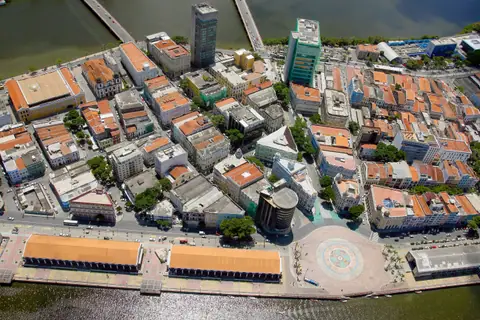
Three Days in Recife and Olinda: Historic Streets, Canals and Coastal Reefs
Recife, Brazil

What to Eat in Recife and Olinda: Bolo de Rolo, Peixada and Cartola
Recife, Brazil
Recife Antigo: Marco Zero, Rua do Bom Jesus and Kahal Zur Israel
Recife, Brazil
Olinda UNESCO Historic Centre Guide: Alto da Sé, São Bento & Giant Puppets
Recife, Brazil
