What to Eat in Recife and Olinda: Bolo de Rolo, Peixada and Cartola
Pernambuco cuisine unites coastal seafood, Atlantic sugarcane heritage, and indigenous manioc traditions across the dining rooms of Recife and historic Olinda.
Dining across Pernambuco reflects centuries of coastal maritime trade, indigenous agriculture, and rural sugar plantation kitchens. Sugarcane syrup, freshly grated coconut, sun-dried beef, and local manioc flour define dishes throughout the historic ports. Travellers who study Recife heritage quarters quickly encounter these distinct regional culinary traditions across quiet neighbourhood bistros and municipal avenues.
Sugarcane Heritage and Pernambuco Cake Traditions
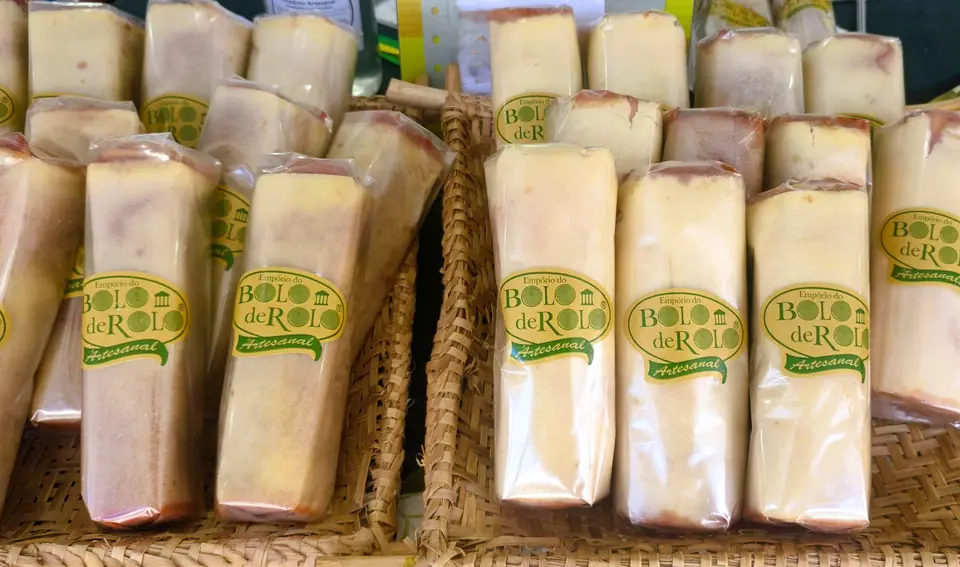
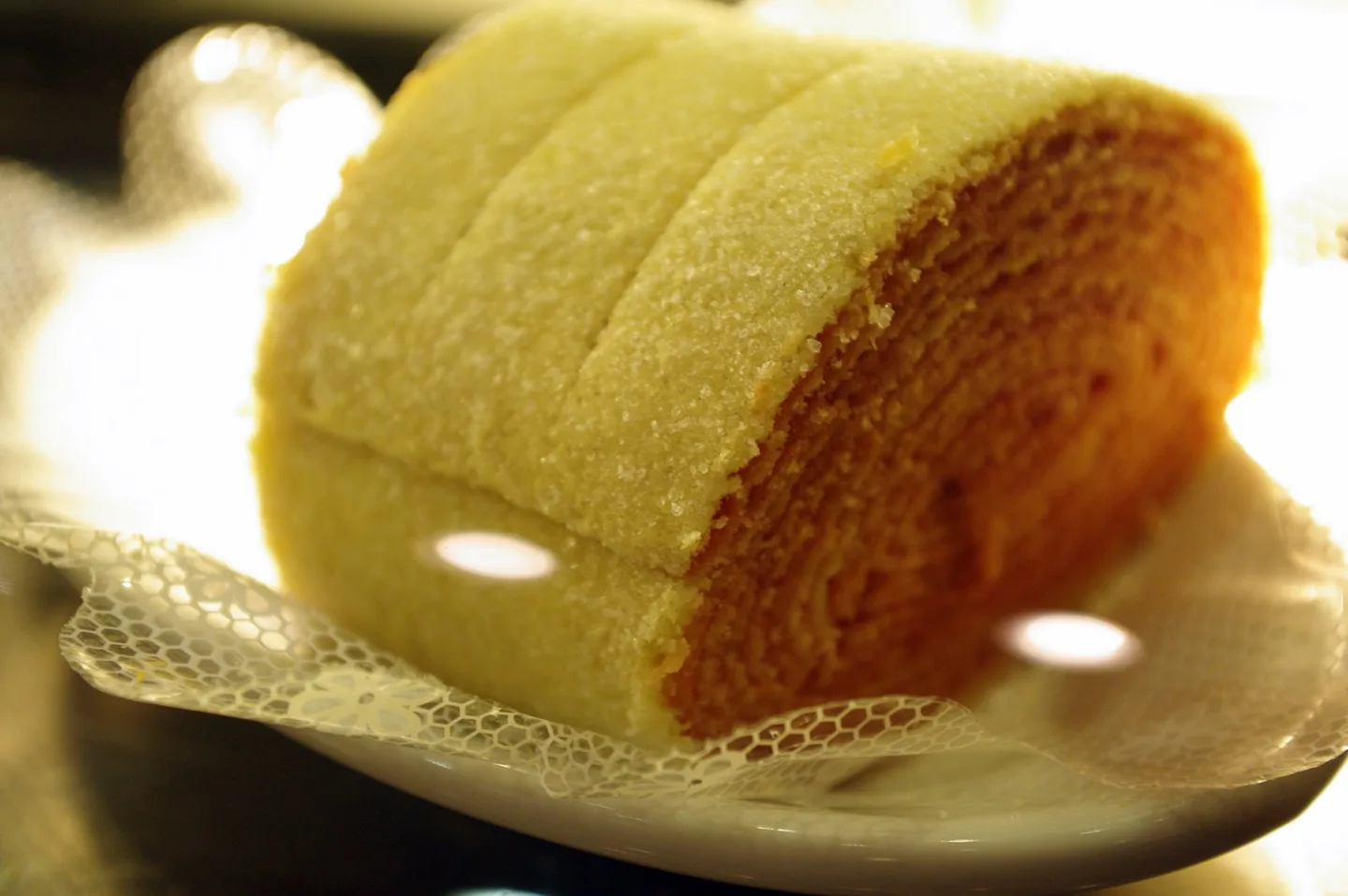
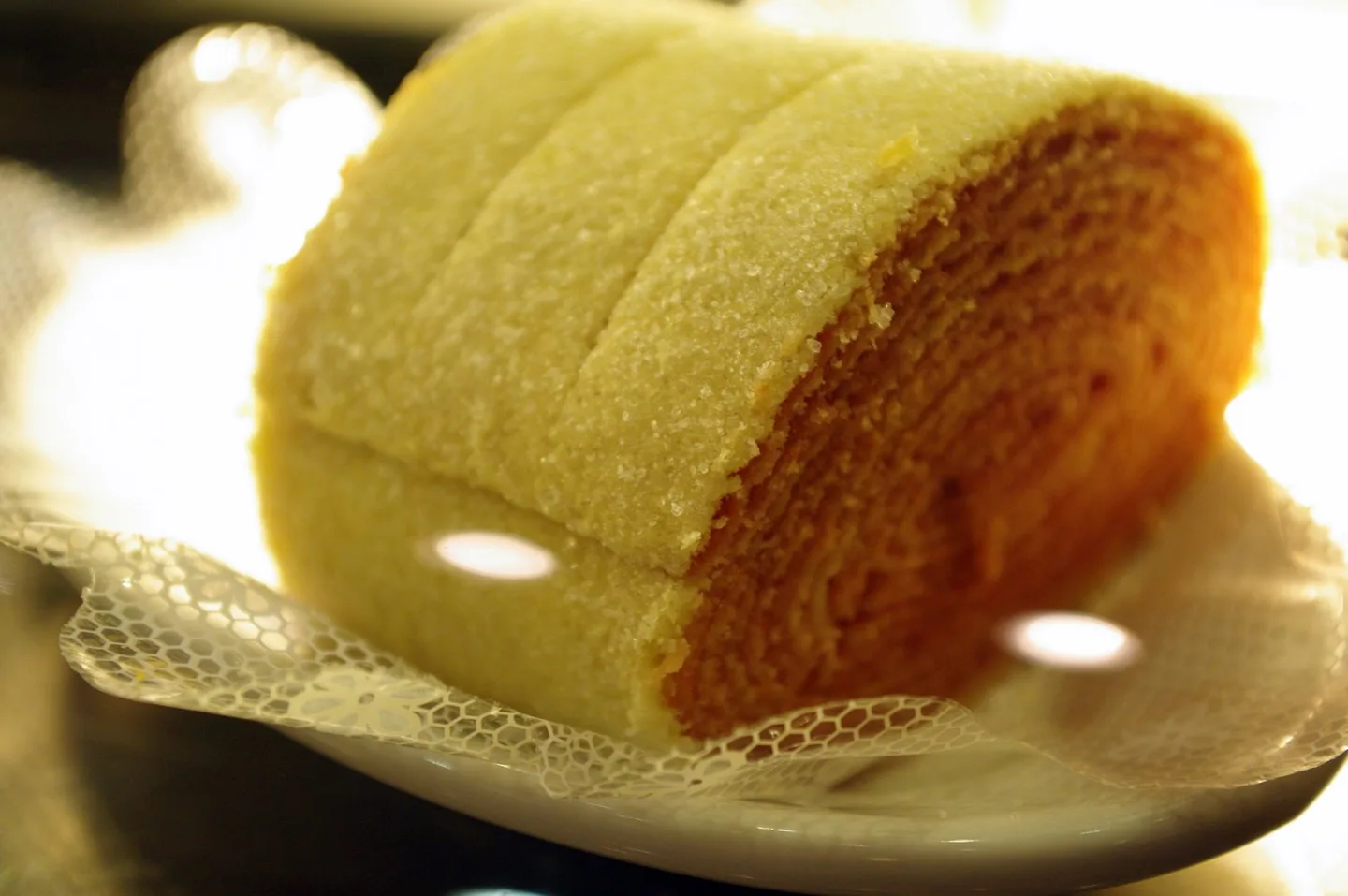
The culinary identity of Pernambuco developed around early sugar processing estates along coastal river basins. Bolo de rolo stands out as the proudest confectionery symbol of the region. Bakers spread paper-thin layers of buttery sponge with melted guava paste before rolling the pastry into tight, delicate spirals. Slices display dozens of fine red rings that melt instantly on the tongue.
Another revered estate sweet is bolo souza leão, an ancient recipe based on manioc dough, rich coconut milk, fresh butter, and egg yolks. The baked batter produces a dense, glossy pudding consistency with a rich golden colour. Plantation families historically reserved this prestigious cake for aristocratic visitors and grand seasonal holidays. Today, central bakeries and market halls across the state serve generous slices alongside fresh black coffee.
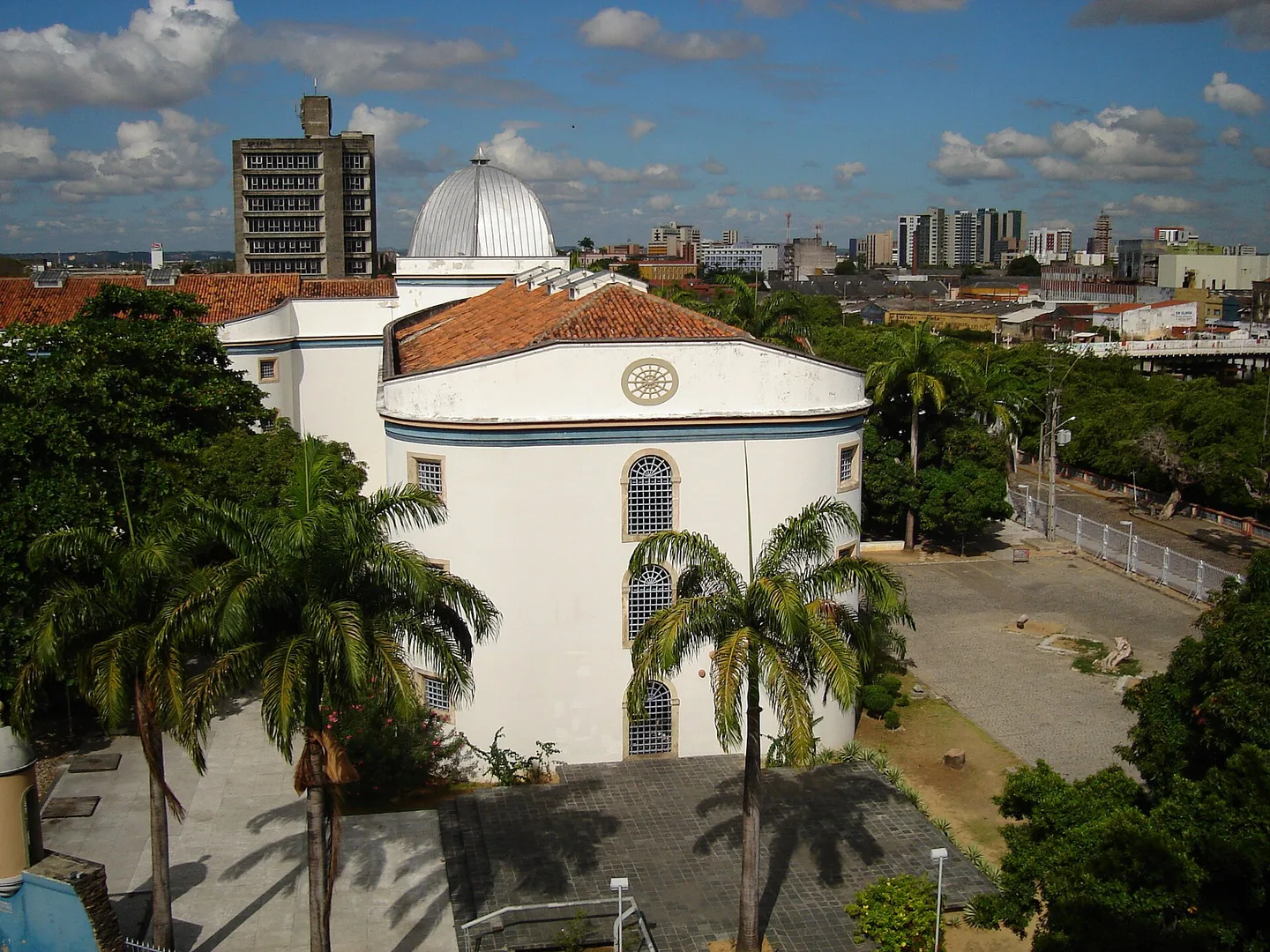
Regional markets showcase these baked goods in tidy presentation boxes for travellers carrying gifts home. Former municipal institutions such as the repurposed cell corridors at historic Casa da Cultura stalls offer authentic rolls prepared by family bakeries. Confectioners wrap each roll carefully in protective parchment to maintain moisture in the tropical heat.
Afternoon Street Stalls and Alto da Sé Tapioca
As the afternoon cools, culinary activity shifts towards open panoramic viewpoints and historic church squares. On the crest of Alto da Sé in neighbouring Olinda, uniformed tapioca vendors assemble mobile griddles facing the sea. They sprinkle hydrated manioc starch onto hot iron plates, watching the grains fuse into tender, pliable crepes without added fat.
Vendors fold the white flatbreads around shredded fresh coconut and salty curd cheese, known locally as queijo coalho. Sweet variations include sweetened condensed milk or sliced bananas dusted with cinnamon. Travellers can contrast these evening bites by sampling classic cartola in traditional family restaurants:
- Queijo Coalho: Firm, salted curd cheese that caramelises gently against hot manioc crepes.
- Fresh Coconut Meat: Moist shreds extracted daily, adding natural sweetness and texture.
- Cartola: Fried ripe bananas topped with melted cheese, finished with toasted sugar and cinnamon.
- Manioc Crepe: Light flatbread created entirely from sifted starch on iron plates.
Cartola balances sweet and savoury elements in a manner typical of north-eastern Brazilian domestic cooking. Chefs fry whole bananas in butter until golden, drape warm local cheese over the fruit, and coat the dish with ground spice. The combination appears on nearly every dinner menu across the metropolitan area.
Coastal Peixada and Seafood Along the Estuary
The meeting of ocean waves and tidal rivers shapes the savoury menus of neighbourhood taverns. Peixada pernambucana represents the region's premier seafood stew. Cooks simmer thick ocean fish steaks in a fragrant broth enriched with tomatoes, sweet peppers, onions, and mild coconut milk. Boiled eggs and fresh pirão porridge complete the serving.
The accompanying pirão uses cooking liquid from the stew stirred into fine toasted manioc flour until thick. This velvety gravy provides substantial texture alongside fluffy white rice. Dining rooms across the oceanfront also prepare casquinha de siri, serving seasoned crab meat baked inside natural shells with manioc crumbs and lime.
Estuary fishermen land fresh catches daily, supplying local kitchens with firm white fish, swimming crabs, and wild prawns. The regional cooking style relies on coriander leaves, garlic, and sweet peppers rather than pungent palm oil. This lighter seasoning highlights the natural sweetness of fresh ocean fish caught along the coastal shelf.
Distinctive Flavours Across Recife Neighbourhoods
Locating traditional specialities depends on understanding neighbourhood kitchen cultures. Historic island quarters specialise in rustic lunchtime buffets, while hilltop districts excel at afternoon street foods. The following overview details where key dishes fit into daily city exploration:
| Dish Name | Key Ingredients | Neighbourhood Setting | Dining Style |
|---|---|---|---|
| Bolo de Rolo | Guava paste, butter sponge | Santo Antônio bakeries | Morning coffee snack |
| Tapioca da Sé | Manioc starch, coconut, cheese | Alto da Sé hilltop | Sunset street snack |
| Peixada | Ocean fish, coconut milk, pirão | Boa Viagem promenade | Leisurely lunch |
| Arrumadinho | Sun-dried beef, beans, vinaigrette | Recife Antigo taverns | Casual dinner plate |
Arrumadinho presents sun-dried beef tossed with tender cowpeas, toasted manioc flour, and sharp tomato vinaigrette. Cooks arrange each component in neat rows across the platter, allowing diners to blend the savoury ingredients together. The dish pairs naturally with cool drinks during warm tropical afternoons.
Travellers moving between historical museums and coastal walks encounter diverse neighbourhood versions of these foundational recipes. Each dining quarter preserves recipes passed down through domestic households and riverside trading stalls. Sampling these distinct sweet and savoury creations offers deep insight into the enduring domestic culture of Pernambuco.
Official prices and opening hours
- Instituto Ricardo Brennand (Várzea)Official site ↗
Where it is
- 1Recife
- Recife/Guararapes - Gilberto Freyre International Airport (REC) · about 9 km from Recife in a straight line
- Directions in Google Maps
Stations and taxi ranks: OpenStreetMap. Airports: OurAirports. Distances are in a straight line.
Traveller tips
Real advice from people who have been to Recife. Every tip is read by our team before it goes live.
No tips yet. Been here? Yours could be the first.
Thank you! Your tip will appear here after a quick review.
More in Recife
Continue exploring Recife with related neighbourhood, food, and planning guides
Visiting Recife and Olinda: Tropical Seasons, Tide Tables, and Cultural Calendars
Recife, Brazil
Where to Stay in Recife and Olinda: Boa Viagem and Historic Pousadas
Recife, Brazil
Three Days in Recife and Olinda: Historic Streets, Canals and Coastal Reefs
Recife, Brazil
Recife Antigo: Marco Zero, Rua do Bom Jesus and Kahal Zur Israel
Recife, Brazil
