Arriving in Recife: Airport Connections, Metrô Lines and Coastal Transfers
Navigating Recife begins with understanding its international airport terminal, rapid transit lines and central bus station across Pernambuco.
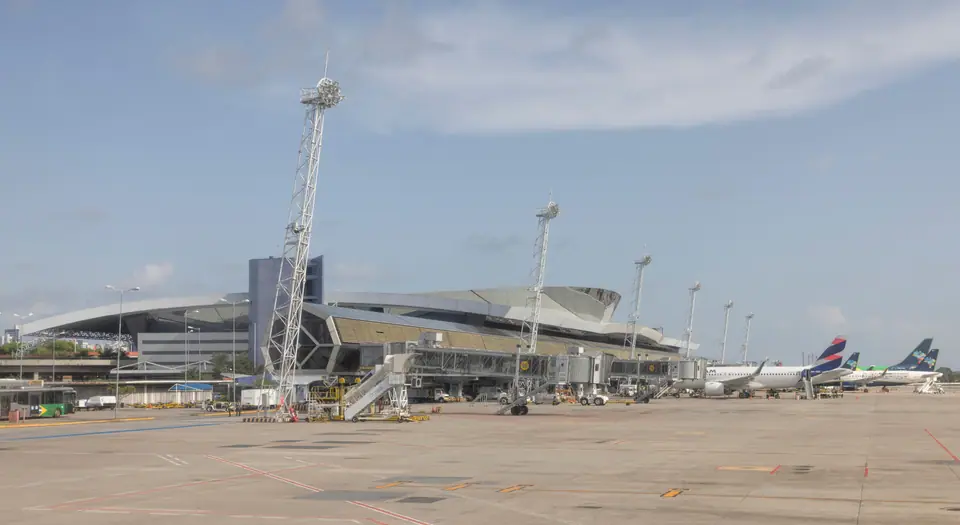
Arriving in Pernambuco places travellers right in the core of northeast Brazil. International and domestic flights touch down at Recife Guararapes Gilberto Freyre International Airport. The airfield sits conveniently close to the southern shoreline. This setting makes initial journeys into city neighbourhoods straightforward and relatively quick. Modern concourses handle incoming baggage claims efficiently. These walkways lead directly into arrival halls equipped with registered taxi counters, official car hire desks and foreign exchange offices.
Stepping out of the terminal, visitors can select between regulated airport taxis, pre-booked private transfers or an elevated pedestrian footbridge. The footbridge links directly to the rapid transit network. Choosing official taxi stands inside the arrivals lounge helps avoid informal drivers. It also guarantees clear metered itineraries into popular lodging hubs. Those who decide on renting a car will find major rental agencies stationed along the ground floor concourse.
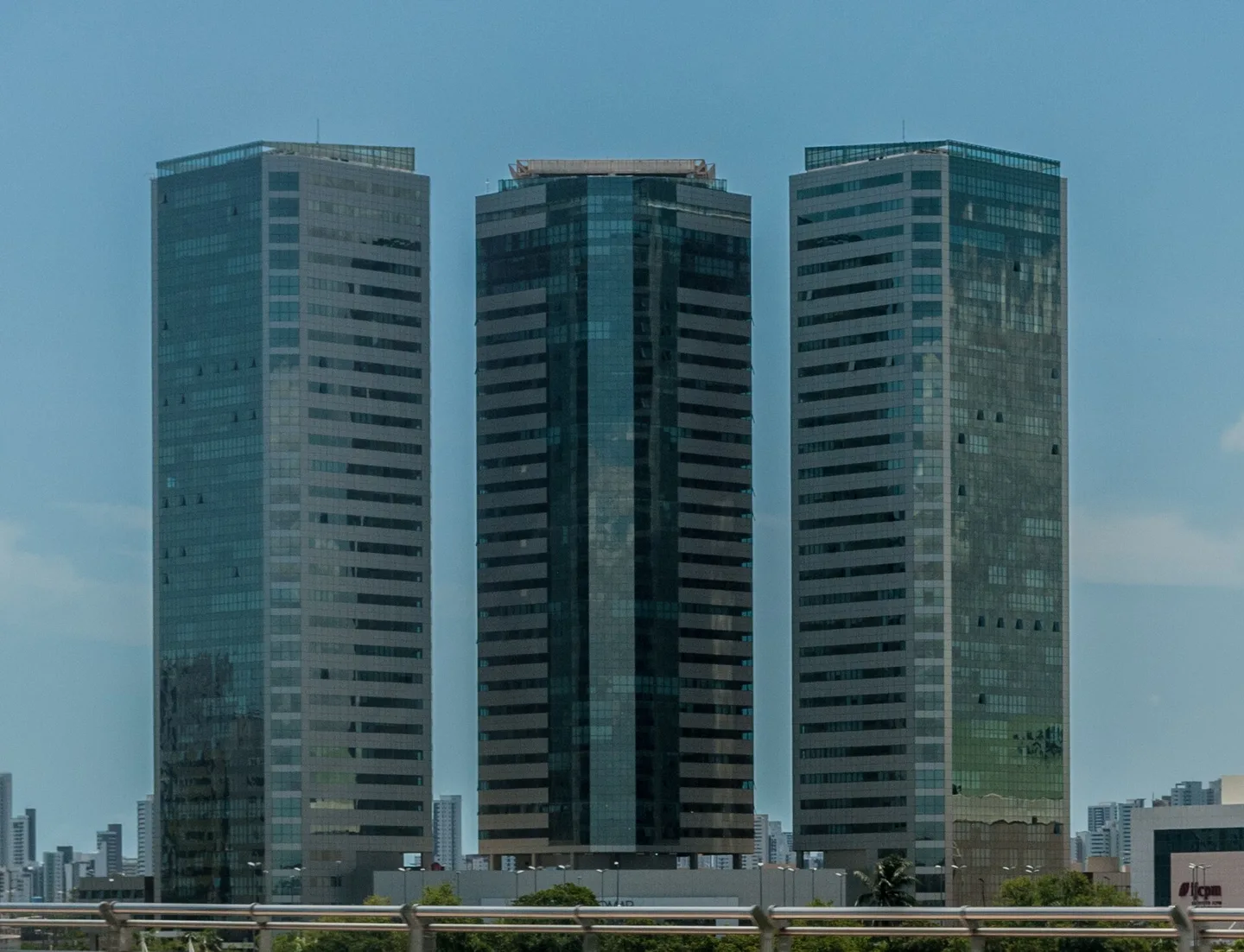
Visitors heading directly towards southern coastal resorts often choose scenic waterfront quarters along the shoreline. Road connections feed promptly from the airfield into regional avenues. Navigating out of the terminal area during late afternoon rush hours requires patience. Southern commuter traffic intensifies considerably along the main coastal avenues at that time. Keeping small local bank notes handy proves practical for incidental parking expenses and quick road tolls outside the metropolitan boundary.
Urban avenues linking the airport to the city centre pass through busy commercial sectors. Traffic signals regulate dense intersections where municipal buses merge with regional shuttles. Travellers who arrange private shuttles meet their drivers inside the main arrival reception hall. Drivers usually hold name cards near the designated meeting pillars. This pre-arranged pickup option eliminates waiting times outside the terminal during humid afternoons.
Connecting Through the Urban Metrô Network
Recife operates an extensive rail transit system linking southern suburbs, western residential communities and the historic core. An elevated footbridge connects the airport terminal directly to Aeroporto station. This pathway allows budget-minded travellers with lightweight bags to bypass road congestion entirely. From there, southbound and northbound tracks carry passengers toward central junctions without intermediate street transfers.
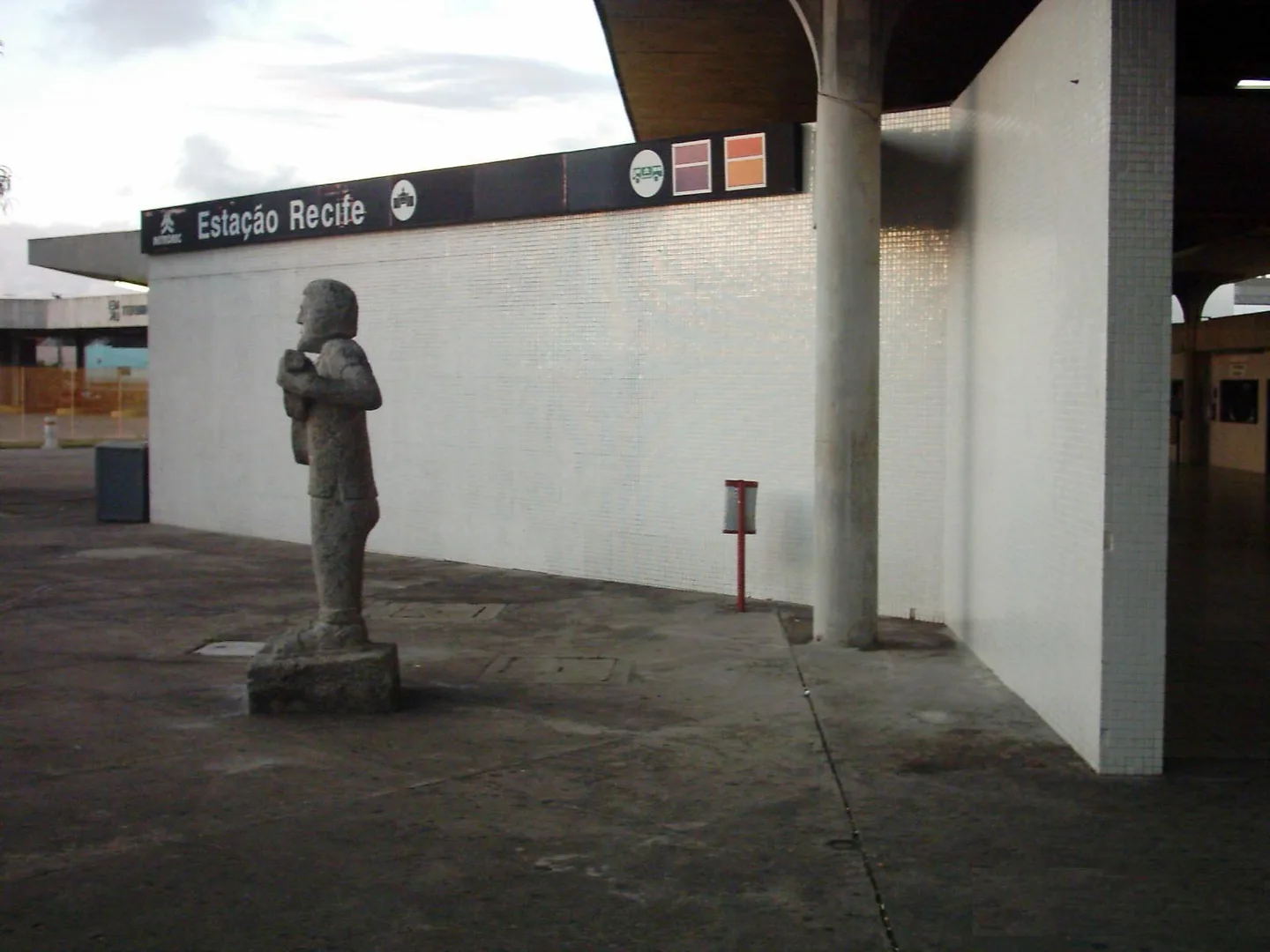
Central transfers converge primarily at Estação Recife. This important transport hub anchors the northern rail terminus near historic waterfront districts. Commuters transferring between suburban passenger lines and the central business district use this junction daily. They navigate comfortably between commercial work zones and riverfront avenues. The stations feature ticket barriers, directional maps and staffed assistance booths to help incoming passengers select the right platform.
When planning journeys through the urban rail system, keeping route features in mind helps ensure smooth transfers across regional districts:
- Aeroporto station offers sheltered elevated walkway access directly from the terminal concourse without street-level traffic crossings.
- Estação Recife serves as the historic core railway terminus connecting downtown business streets and cultural attractions.
- Joana Bezerra provides a major interchange hub for switching between different regional rail directions efficiently.
- Rodoviária station adjoins the interstate coach terminal, allowing direct rail transfers for long-distance regional bus arrivals.
- Afogados station connects rail lines with local neighbourhood bus feeder loops serving surrounding residential communities.
Using the urban rail system is particularly convenient during morning and evening rush hours. Surface road traffic often slows to a crawl across metropolitan bridges at peak times. While trains can become crowded during peak commuter intervals, off-peak services offer a steady and practical path across urban distances. Keeping personal belongings tucked securely in front packs remains wise practice whenever travelling on local public transit carriages.
Ticketing counters at each station sell standard single-ride tokens for entry. Automated turnstiles read the magnetic tokens upon entry and collect them upon exit. Station platforms feature digital signboards showing incoming train times and terminal destinations. Platform staff members monitor passenger boarding areas to maintain order during busier commuter periods.
Interstate Coach Arrivals at Terminal Rodoviário
Long-distance overland travellers generally arrive at the Terminal Integrado de Passageiros, locally known as TIP. This western terminal sits on the outer fringes of the metropolis. The massive transport complex welcomes interstate coaches arriving from neighbouring northeastern capitals and inland Brazilian towns. The complex features multiple boarding bays, ticket windows, eateries and left-luggage counters to serve arriving overland passengers.
Reaching central historic quarters or coastal lodging from TIP is most reliably achieved by boarding the connected rail line at Rodoviária station. The metro carriage carries passengers directly east towards Estação Recife. From that terminus, passengers connect with neighbourhood bus networks and taxi stands downtown. Readers can also study the detailed regional orientation overview to coordinate onward transfers throughout the province.
Licensed taxi ranks operate directly outside the main coach arrival doors for late night arrivals or travellers with heavy baggage. Private ride-hailing services operate designated pickup points along the terminal perimeter. These services offer fixed digital pricing before departure. Engaging registered terminal transport offers a secure and direct journey through western ring roads straight to your destination.
Coach journeys connecting from neighbouring state capitals run regularly throughout the day and night. Long-distance buses feature air-conditioned cabins, reclining seats and onboard restrooms. Passengers stepping off intercity coaches can store large bags in luggage storage facilities inside the main hall. Cafes and newsstands operate around the central waiting concourse to cater to arriving travellers.
Regional Roads, Car Hire and Coastal Highways
Exploring beyond the urban limits often involves renting a vehicle or booking regional shared shuttles that trace the tropical shoreline. Federal highway routes connect the city northwards towards historic colonial towns and southwards towards palm-fringed coastal beaches. Driving gives independent travellers freedom to explore regional nature reserves, secluded coastal coves and cultural centres situated across the outer plains.
Driving within central districts requires defensive awareness. Local traffic flows can be lively, and lane markings occasionally disappear across older bridge spans. Main coastal avenues offer clear signposting, but historic downtown streets frequently feature tight one-way patterns and limited street parking options. Choosing secure commercial parking garages near your planned stops removes the stress of searching for elusive street bays.
Cultural explorers heading to outer historic quarters can consult our catalogue of heritage sites for destination ideas. Coastal highways running south connect travellers directly to popular beach strips and protected marine reefs. These scenic roads feature roadside fruit stalls, fuel stations and rest stops along the route. Having digital navigation apps ready helps drivers anticipate turnoffs and road conditions outside the urban centre.
Metropolitan traffic authorities actively monitor major road junctions using automated cameras and speed monitors. During rainy spells, coastal roads experience localised puddles, making steady speeds and safe braking distances essential for visiting drivers.
The table below summarises standard transport connections between major transit nodes across the metropolitan zone:
| Departure Node | Primary Connection | Typical Transit Medium | Key Advantage |
|---|---|---|---|
| Guararapes Airport | Elevated Footbridge | Metrô / Registered Taxi | Bypasses terminal street traffic directly |
| Interstate TIP Hub | Rodoviária Station | Urban Rail / Highway Cab | Connects regional coach passengers downtown |
| Estação Recife | Central Interchange | Suburban Train / City Bus | Central gateway to historic riverfront streets |
Recife maintains established transit infrastructure across air, coach, and urban rail corridors. Planning arrival transfers in advance creates a smooth introduction to this historic maritime capital and its surrounding tropical coast.
Official prices and opening hours
- Instituto Ricardo Brennand (Várzea)Official site ↗
Where it is
- 1Recife
- Recife/Guararapes - Gilberto Freyre International Airport (REC) · about 9 km from Recife in a straight line
- Directions in Google Maps
Stations and taxi ranks: OpenStreetMap. Airports: OurAirports. Distances are in a straight line.
Traveller tips
Real advice from people who have been to Recife. Every tip is read by our team before it goes live.
No tips yet. Been here? Yours could be the first.
Thank you! Your tip will appear here after a quick review.
More in Recife
Continue exploring Recife with related neighbourhood, food, and planning guides
Day Excursion to Ilha de Itamaracá, Forte Orange, and Historic Igarassu
Recife, Brazil
Capibaribe River Catamaran, Cais do Sertão and Paço do Frevo Guide
Recife, Brazil
Recife: Port Islands, Dutch Heritage and Coral Reefs
Recife, Brazil
12 Best Things to Do in Recife and Olinda: Heritage, Art, and Reefs
Recife, Brazil
