Recife: Port Islands, Dutch Heritage and Coral Reefs
Recife unfolds across alluvial river islands, protected reefs, and colonial bridges shaped by Dutch and Portuguese maritime history.
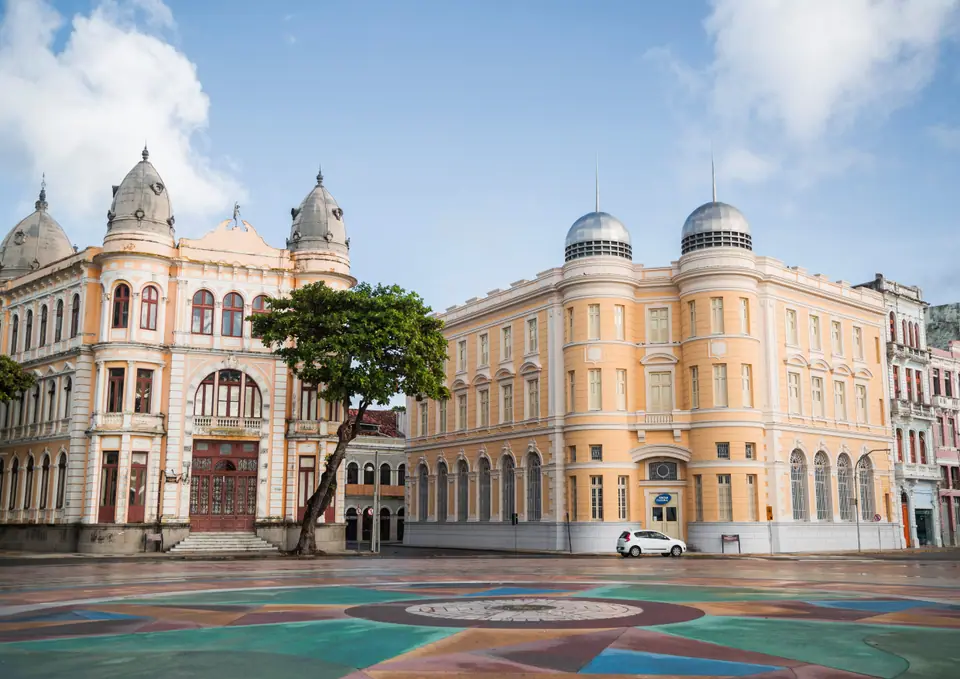
Recife presents a distinctive maritime layout formed where coastal rivers meet the Atlantic ocean across low alluvial islands. The historic core occupies an offshore barrier island known as Recife Antigo. Here, maritime trade warehouses face calm inner harbour waters. Walking through these cobbled lanes reveals seventeenth-century urban foundations laid during the Dutch colonial occupation of Pernambuco. Journeys across the historic quarter begin at Praça Rio Branco, the open plaza locally celebrated as Marco Zero.
The plaza opens directly towards the harbour mouth, where a natural sandstone breakwater shields anchored vessels from heavy Atlantic swells. From the waterfront edge, visitors observe classical port architecture transformed into cultural venues and open riverside esplanades. Pedestrian routes link the square to craft markets and historic synagogues established during the era of Johan Maurits. Connecting this port island to the mainland requires crossing historical bridges that span the Capibaribe and Beberibe rivers.
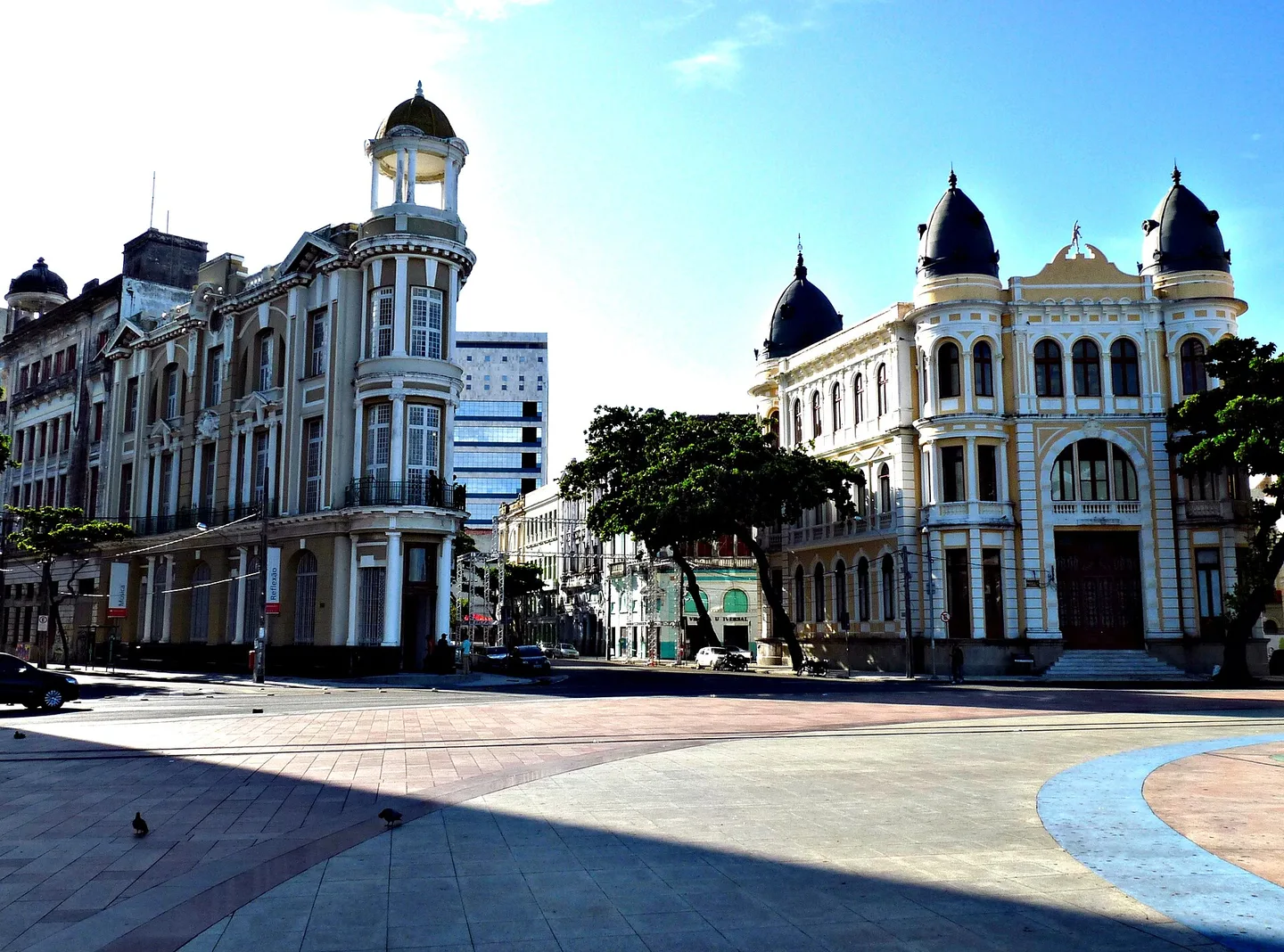
Exploring the port district on foot gives an immediate sense of the maritime defences and river passages that defined regional commerce. The surrounding quays retain their broad loading aprons. These aprons offer pedestrians wide walkways separated from general motor traffic. Visitors mapping city itineraries often compare nearby activities in our notes on central museums and coastal reefs before continuing deeper into mainland quarters.
Maritime trade through Recife Antigo expanded rapidly due to sugar production in the surrounding coastal plains. Dutch administrators recognised the natural harbour formed by the offshore reef shelf and fortified the estuarine channels. The stone embankments, warehouses, and customs buildings visible today reflect layers of reconstruction that continued through the nineteenth and twentieth centuries.
Riverfront Bridges and Mauritsstad Heritage
Crossing westward from the port brings travellers into the island neighbourhood of Santo Antônio. This district served as the seventeenth-century core of Dutch Mauritsstad. Elegant cast-iron bridges connect the separate landmasses, offering wide views along the Capibaribe river where mangroves still cling to tidal mudbanks. Along the northern bank of the river stands Rua da Aurora, lined with nineteenth-century neoclassical townhouses painted in pastel tones.
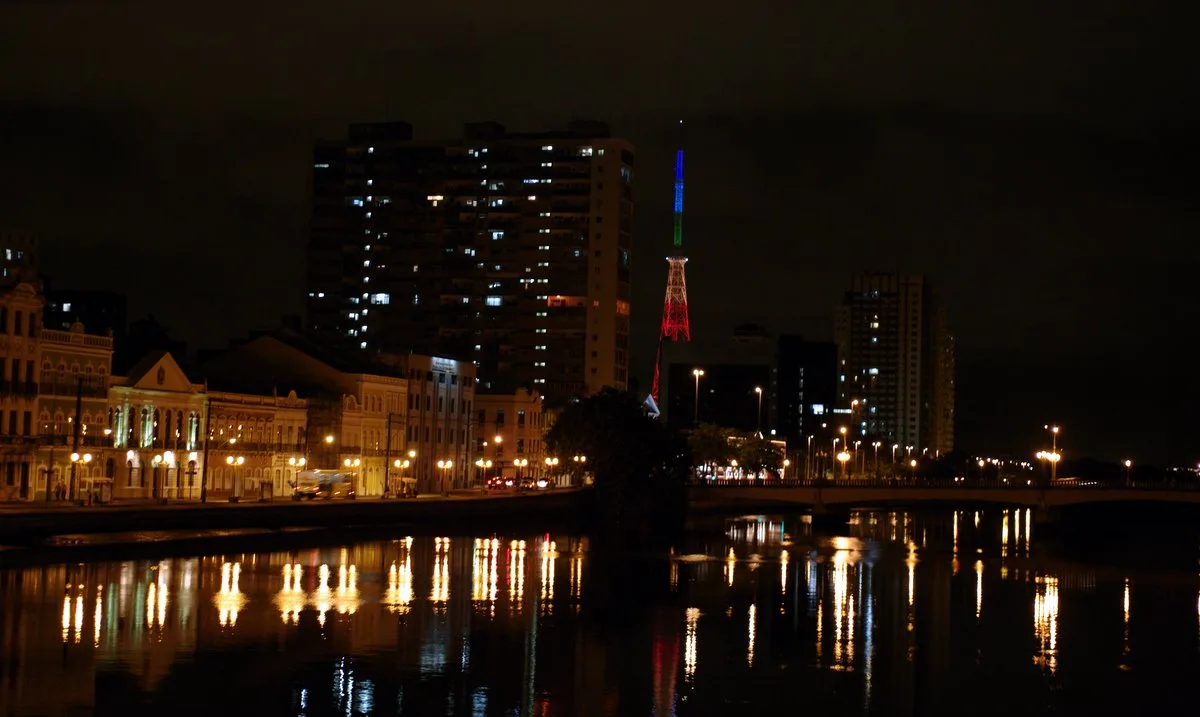
Rua da Aurora offers a quiet waterside promenade along the riverfront, particularly in late afternoon when the water reflects the historic facades. The street borders wide public walkways equipped with shaded benches, iron street lamps, and bronze statues commemorating regional poets and musicians. From here, footpaths lead southward into São José, an atmospheric district defined by traditional market halls and baroque church towers.
The urban fabric of Santo Antônio and São José reveals how colonial planners reshaped the delta. Low marshlands were drained through engineered channels, creating elevated plots for administrative buildings and religious convents. Franciscan and Carmelite complexes arose alongside the waterways, featuring gilded altars and carved stone portals that contrast with earlier austere Dutch civic structures.
- Recife Antigo: Maritime warehouses, open port plazas, and foundational harbour points.
- Santo Antônio: Historic bridges, colonial administrative squares, and classical theatres.
- São José: Public market halls, craft stalls, and ornate religious architecture.
- Boa Viagem: Oceanfront promenades, coastal hotels, and extensive natural reefs.
The transition between Dutch civil layout and Portuguese religious architecture remains visible in the street orientations and stone church facades of Santo Antônio. Walking these districts reveals deep layers of urban expansion built directly over estuarine wetlands and reclaimed tidal flats.
Urban Reef Coastline and Ocean Safety
South of the estuarine centre, the city stretches along the Atlantic coastline towards the residential and hotel district of Boa Viagem. The neighbourhood takes its name from the coastal coral barrier that runs parallel to the sandy beach. This geological feature gave the city its original Portuguese name. At low tide, the exposed stone reef forms long, calm saltwater pools between the sand and the breaking surf.
Walking along the broad Boa Viagem promenade allows visitors to experience the coastal rhythm of the modern metropolis. Kiosks selling fresh coconut water line the paved paths alongside dedicated lanes for cycling and running. However, swimming along this coastline requires strict adherence to local municipal safety notices and lifeguard flags.
Deep ocean channels lie just beyond the natural barrier reef, making open-water swimming outside the protected tidal pools prohibited. Clear signage marks the safe shallow zones sheltered by the reef rock, where bathers can cool off during low tides. Reviewing regional transit routes through airport rail and coastal bus connections assists visitors planning journeys between the historic riverfront and southern beaches.
The coastal strip of Boa Viagem developed into the primary tourism corridor during the mid-twentieth century as high-rise residential towers replaced single-family summer cottages. Despite this modern vertical development, traditional artisanal fishing boats still anchor behind the natural reefs. These coastal waters remain tied to regional maritime traditions that predate the modern skyline.
Cultural Outposts and Practical Neighbourhood Sequences
Beyond the central islands and coastal strips, cultural complexes occupy the leafy western suburbs along the Capibaribe basin. In the district of Várzea, travellers encounter vast collections of colonial art, weaponry, and regional sculpture set within private parklands. Reaching these inland attractions requires travelling westward by taxi, rideshare service, or municipal bus lines across the outer residential avenues.
Visiting these suburban estates gives helpful context for understanding the sugar trade and colonial rivalries that built the regional capital. Check official Várzea museum portals ahead of your visit for seasonal entry schedules and ticketing guidelines before setting out. These sprawling estate grounds contrast sharply with the tight grid of the port island, demonstrating the agricultural wealth of Pernambuco.
To build a balanced visit across the city, allocate focused blocks of time to each distinct geographic sector:
- Morning port circuit: Walk through Recife Antigo and explore the open quayside near Marco Zero.
- Midday bridge crossing: Traverse Santo Antônio and photograph the painted riverfront row along Rua da Aurora.
- Afternoon coastal stroll: Walk the sea promenade at Boa Viagem while observing the natural reef formations.
- Inland excursion: Travel out to Várzea to view historical collections and landscaped regional grounds.
By pacing journeys according to these waterways and bridges, visitors experience both the maritime colonial past and the modern coastal life of Pernambuco.
Official prices and opening hours
- Instituto Ricardo Brennand (Várzea)Official site ↗
Where it is
- 1Recife
- Recife/Guararapes - Gilberto Freyre International Airport (REC) · about 9 km from Recife in a straight line
- Directions in Google Maps
Stations and taxi ranks: OpenStreetMap. Airports: OurAirports. Distances are in a straight line.
Traveller tips
Real advice from people who have been to Recife. Every tip is read by our team before it goes live.
No tips yet. Been here? Yours could be the first.
Thank you! Your tip will appear here after a quick review.
More in Recife
Continue exploring Recife with related neighbourhood, food, and planning guides
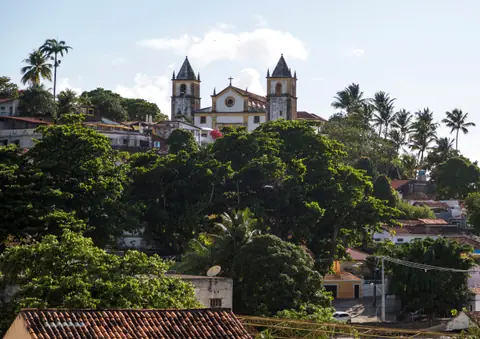
Olinda UNESCO Historic Centre Guide: Alto da Sé, São Bento & Giant Puppets
Recife, Brazil
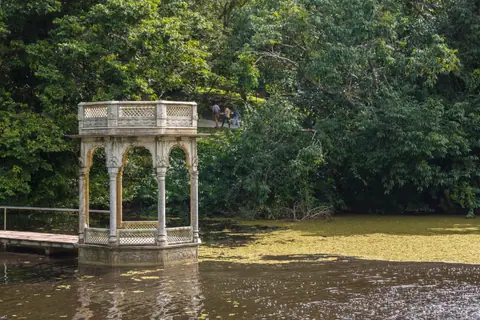
Visiting Instituto Ricardo Brennand and Oficina Brennand in Várzea
Recife, Brazil
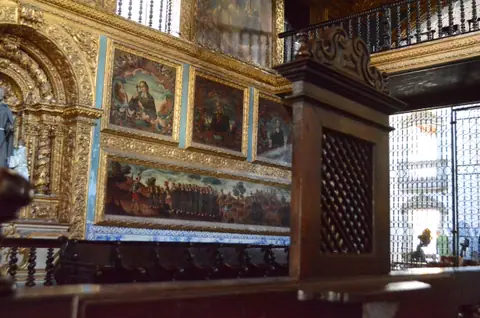
Recife: Santo Antônio, Capela Dourada and Heritage Bridges
Recife, Brazil
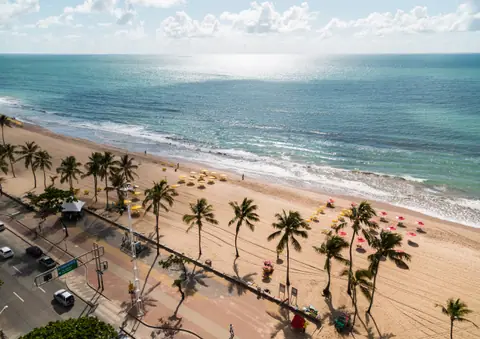
Boa Viagem Beach and Pina: Sandstone Reefs, Tide Pools and Coastal Promenade
Recife, Brazil
