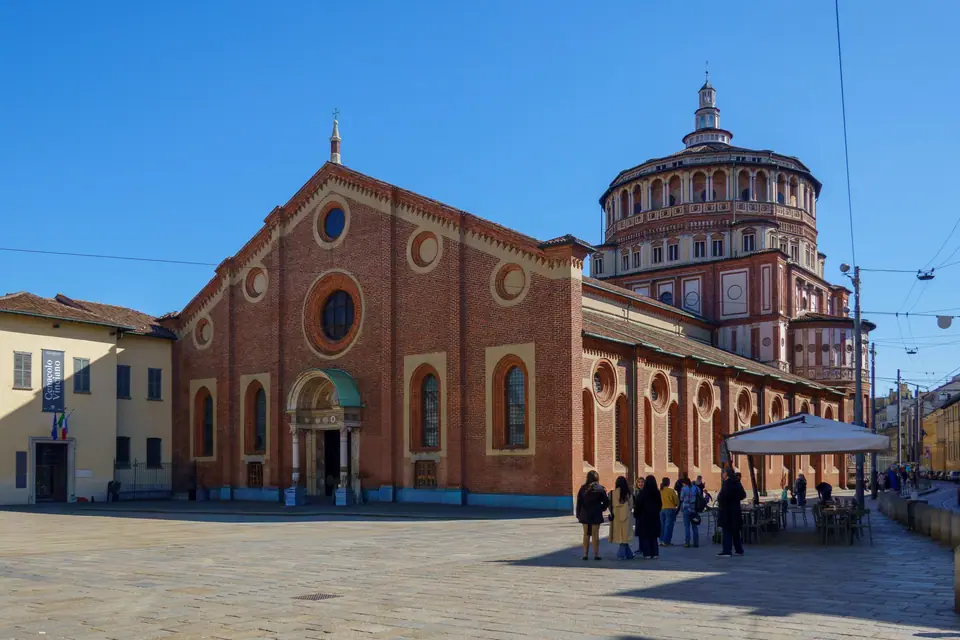
Visiting Leonardo’s Last Supper in Milano
Viewing Leonardo da Vinci’s masterpiece at Santa Maria delle Grazie requires advance preparation and thoughtful walking plans through historic western Milano.
Encountering the Refectory Masterpiece
Entering the quiet refectory of Santa Maria delle Grazie offers a startling contrast to the energetic urban avenues of central Milano. The wall painting commands the hall with calm authority, capturing the dramatic biblical moment when Christ speaks to his assembled companions. Leonardo chose to experiment with tempera and oil directly upon dry plaster, rather than applying traditional wet fresco techniques to the wall.
This daring technical choice allowed the artist to render subtle shadows, delicate facial expressions, and complex emotional gestures across the long communal table. However, humidity and kitchen fumes from the adjacent convent chambers began to affect the fragile paint surface within mere decades of completion. Centuries of conservation campaigns have carefully preserved the remaining pigments, presenting a pale, deeply moving image full of quiet emotional tension.
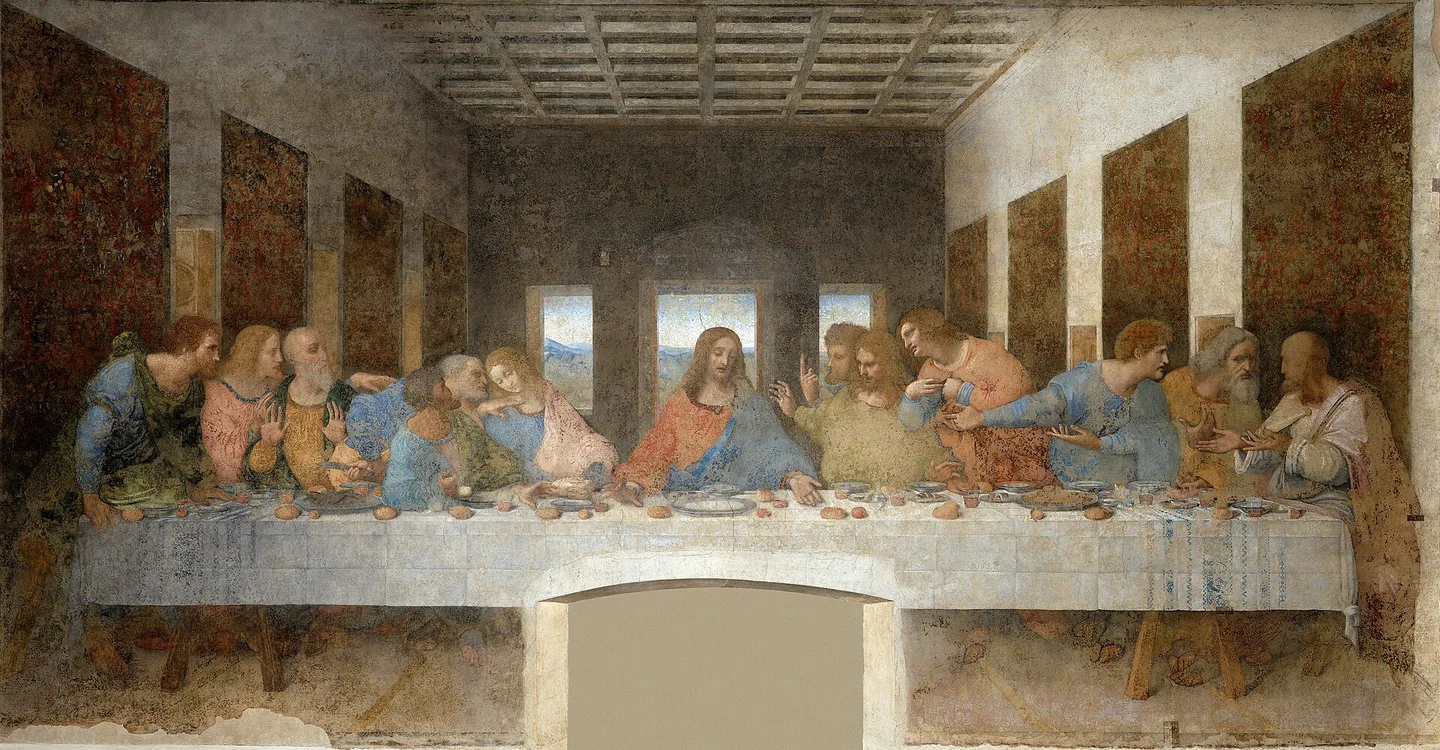
Visitors enter the refectory through climate-controlled filtration chambers designed to maintain steady atmospheric conditions. These chambers protect the delicate painted surface from external pollution. Standing inside the refectory, you can study the deliberate perspective lines converging precisely upon Christ. These lines anchor the surrounding architectural illusions to the real monastic hall, rewarding early timed reservations booked weeks ahead.
Navigating to Santa Maria delle Grazie
Reaching the convent complex remains straightforward thanks to Milano’s efficient public transit grid. The red underground line serves the area effectively. You can alight at Conciliazione or Cadorna stations for a comfortable ten-minute stroll. Alternately, heritage streetcars run along adjacent avenues. Their vintage wooden carriages offer a scenic approach through leafy residential streets.
Key transit corridors serving the refectory district include the following convenient connections:
- Conciliazione underground station, placed on line one, sits just a brief walk north-west of the convent piazza.
- Cadorna railway interchange connects several rail links with underground lines one and two, allowing straightforward transfers across town.
- Tram line sixteen stops directly along the roadway flanking Santa Maria delle Grazie, dropping passengers beside the church portals.
- Sant’Ambrogio underground station, located south along line two, offers an attractive walking route through ancient brick basilicas.
Arriving well before your allotted entry interval gives you time to store backpacks in the automated cloistered lockers. The surrounding quiet streets offer shaded stone benches. These seating spots invite calm reflection before stepping into the regulated humidity locks of the museum complex.
Connecting Church Architecture and Vicinity
The refectory belongs to the broader complex of Santa Maria delle Grazie, which deserves thorough appreciation in its own right. The church presents a striking blend of refined Lombard Gothic nave design and an expansive Renaissance tribune attributed to Donato Bramante. The brick and terracotta exterior displays rich geometric motifs. It crowns the crossing with a grand hemispherical dome that captures northern Italian sunlight.
Wandering into the adjacent cloister reveals graceful columns, quiet green lawns, and peaceful arcades away from city traffic. The surrounding streets belong to the elegant Magenta neighbourhood. Here, private courtyards hide mature magnolia trees behind wrought-iron residential gates. Travellers can combine art appreciation with local culinary traditions by pausing at traditional neighbourhood bakeries for rich pastries.
From this western quarter, moving eastwards connects smoothly into other historic districts. You can easily stroll past private palaces toward the artistic quarters of cobbled Brera lanes. You can also continue straight toward the monumental square fronting Milan Cathedral and its marble terraces along wide central avenues.
Curating a Balanced Historic Itinerary
Because visits inside the refectory adhere to strictly controlled entrance protocols, structuring the rest of your day requires thoughtful pacing. Rather than rushing between disconnected monuments, we recommend linking Santa Maria delle Grazie with adjacent medieval fortifications and civic art galleries. The massive brick bastions of the Sforza Castle lie a pleasant fifteen-minute walk to the north-east, offering public courtyards and open gardens.
Following an afternoon of Renaissance art and castle ramparts, evening appetites naturally lead toward authentic local dining. Classic restaurants serve hearty saffron risotto, rich braised veal shanks, and local polenta alongside traditional Milanese dining rooms. You can also trace the city's ancient water network south towards the lively evening canal basin of Navigli's waterfront promenades.
Milano rewards travellers who balance headline artistic encounters with relaxed strolls across leafy residential quarters. Setting aside time to walk through the Magenta district lets you absorb the calm domestic elegance surrounding the world’s most celebrated refectory.
Official prices and opening hours
- Duomo di Milano (Cathedral, Terraces & Museum)Official site ↗
- Cenacolo Vinciano (Leonardo’s Last Supper)Official site ↗
Where it is
- 1Visiting Leonardo’s Last Supper in Milano
- Milano Linate Airport (LIN) · about 9 km from here in a straight line
- Directions in Google Maps
Stations and taxi ranks: OpenStreetMap. Airports: OurAirports. Distances are in a straight line.
Traveller tips
Real advice from people who have been to Milano. Every tip is read by our team before it goes live.
No tips yet. Been here? Yours could be the first.
Thank you! Your tip will appear here after a quick review.
More in Milano
Continue exploring Milano with related neighbourhood, food, and planning guides