Sarpi and Milan Chinatown Field Guide
Pedestrianised Via Paolo Sarpi presents a distinct side of Milan where heritage regional bakeries sit beside northern Chinese dumpling kitchens.
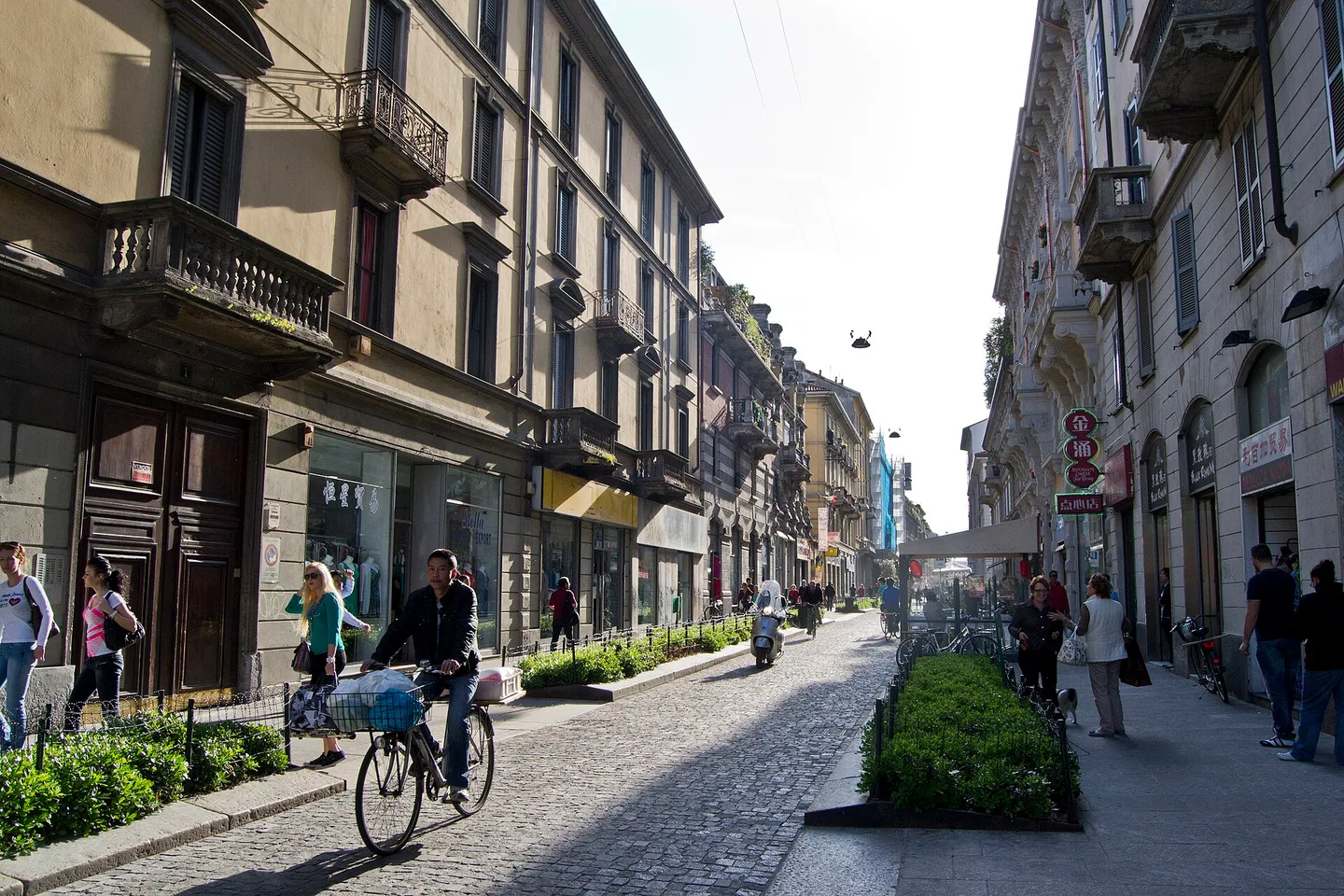
Via Paolo Sarpi functions as the backbone of Milan Chinatown, running east to west as a peaceful pedestrian corridor paved with smooth stone flags. Potted plants and low-rise residential blocks frame the street, where workshop fronts alternate with specialty grocers, tea rooms, and modern dessert parlours. The district feels distinct from the grand neoclassical avenues of central Milano, offering intimate shop thresholds and calm morning foot traffic. Early hours see local merchants wheeling crates of produce and fresh greens, while bicycle couriers glide along the central paving stones. It remains an active working residential quarter where longtime Italian haberdashers trade right beside family-run Asian supermarkets.
Walking along Sarpi allows visitors to watch the daily community rhythm unfold away from heavy motor vehicle noise. Families gather on corner benches, shopkeepers pause for quick espresso cups, and regulars chat over crates of imported winter melons and fresh citrus. The side streets branch off towards small courtyards that reveal hidden bike workshops, tailor counters, and private residential stairwells. Unlike busier avenues, the pace here encourages slow walking and casual window shopping. You can easily spend an entire morning meandering along the paved alleys, peering into storefronts stacked with porcelain tea sets and woven bamboo steamers.
Food anchors neighbourhood life along Paolo Sarpi, drawing crowds from across the city for warm street-side snacks and long communal lunches. Counters open directly onto the pavement, passing paper parcels filled with steamed pork buns, pan-fried baozi, and scallion pancakes. Behind glass windows, cooks knead dough and hand-pull long wheat noodles destined for deep bowls of spiced beef broth. Alongside traditional Cantonese roast meat stands and Sichuan peppercorn dishes, you will also spot historic Milanese bakeries serving buttery brioche and espresso. This natural blend of traditions means you can follow a tray of soup dumplings with a crisp cannolo or artisanal gelato.
Sarpi Culinary Highlights
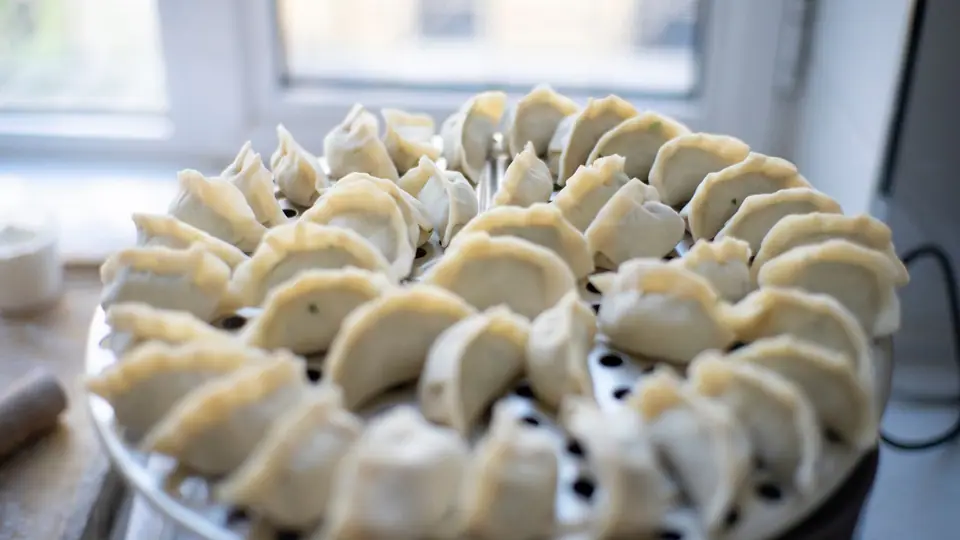
- Handmade Dumplings: Delicate wheat skins wrapped around minced pork, wild greens, or mushrooms, fried crisp or steamed in bamboo baskets on demand.
- Pulled Wheat Noodles: Fresh noodles stretched to order and served in rich broths with braised beef, pickled mustard greens, and toasted sesame oil.
- Baozi and Street Snacks: Soft, cloudy steamed buns filled with spiced pork, warm tofu pudding, and flaky scallion flatbreads wrapped in greaseproof paper.
- Italian Counter Classics: Neighbourhood bakeries offering morning brioche, strong espresso, and traditional pastries beside modern bubble tea storefronts.
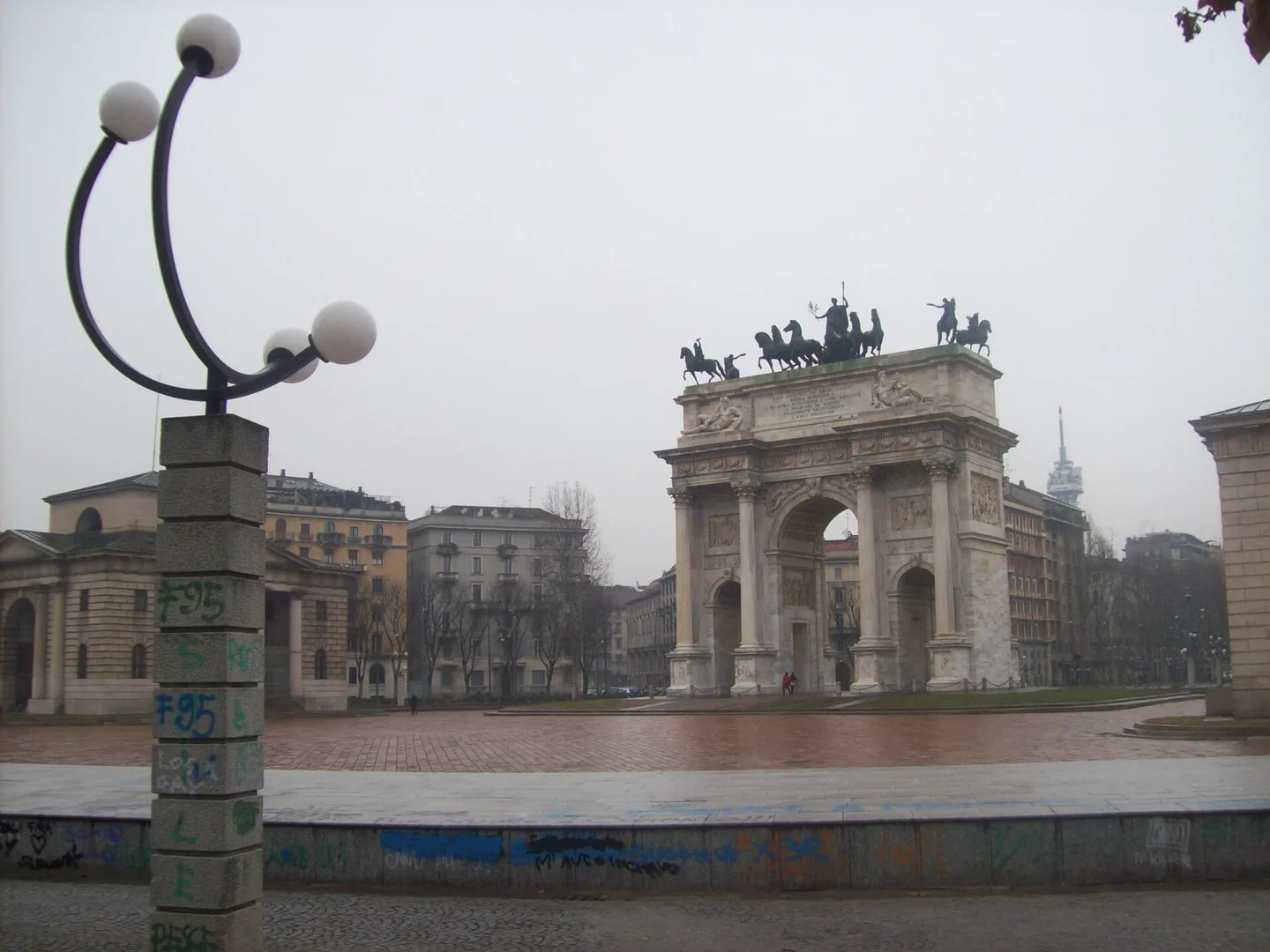
The neighbourhood connects easily to the leafy lawns of Parco Sempione and the historic arches of Porta Sempione to the south. A brief stroll southwards takes you out of the dense commercial grid and into shaded parkland paths suitable for quiet afternoon walking. From there, you can continue through green grounds towards the galleries of Brera, bridging modern multicultural commerce with historic art institutions. The visual contrast between Sarpi brick facades and open neoclassical monuments offers a rewarding perspective on the layered urban growth of northern Italy.
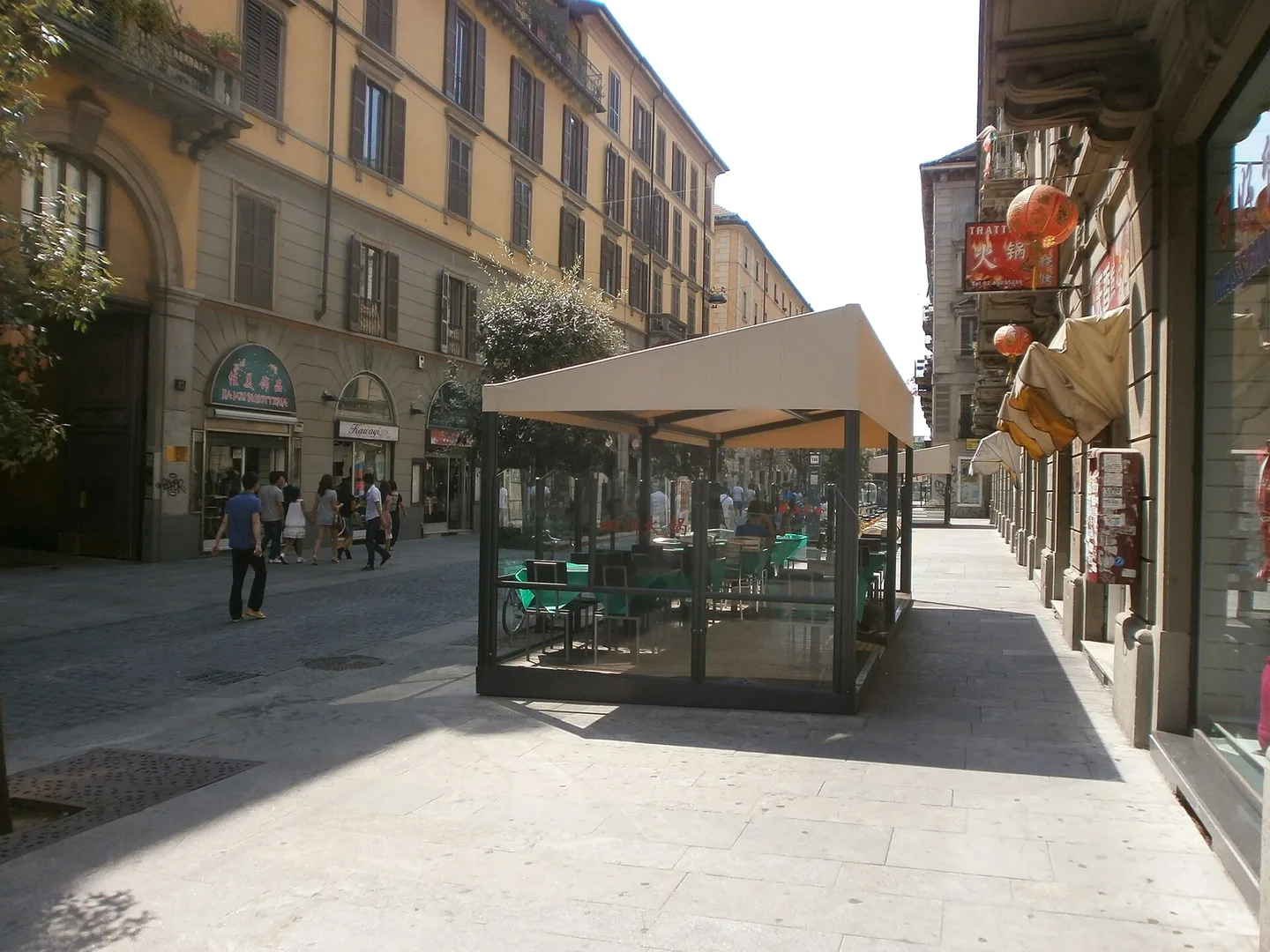
Evening brings a lively social ritual to the street, with aperitivo bars opening outdoor tables along the pedestrian lane. Locals meet after work to sip chilled spritz, craft beer, or floral loose-leaf teas paired with skewers of grilled tofu and spiced meats. Conversation echoes across the flagstones as dusk settles over the rooftops, filling the district with welcoming neighbourhood chatter. It offers a grounded alternative to the busier nightlife quarters around the canals of Navigli. You can sit at an outdoor table, watching neighbours exchange greetings while street lamps cast warm light across the pavement.
Reaching the area on foot or by local tram remains simple from surrounding transit stops, making it a convenient midday pause during city explorations. Combining lunch along Via Paolo Sarpi with visits to the central monuments around Duomo gives a well-rounded portrait of Milanese daily life. The streets stay level and straightforward to navigate, making the walk accessible for buggies and travellers with light luggage. Small independent shops accept card payments widely, though having loose coins helps for swift purchases at smaller street food counters. Visiting on weekdays offers the quietest pacing, while weekend afternoons bring energetic family crowds and full outdoor seating.
Official prices and opening hours
- Duomo di Milano (Cathedral, Terraces & Museum)Official site ↗
- Cenacolo Vinciano (Leonardo’s Last Supper)Official site ↗
Where it is
- 1Sarpi and Milan Chinatown Field
- Milano Linate Airport (LIN) · about 9 km from here in a straight line
- Directions in Google Maps
Stations and taxi ranks: OpenStreetMap. Airports: OurAirports. Distances are in a straight line.
Traveller tips
Real advice from people who have been to Milano. Every tip is read by our team before it goes live.
No tips yet. Been here? Yours could be the first.
Thank you! Your tip will appear here after a quick review.
More in Milano
Continue exploring Milano with related neighbourhood, food, and planning guides