Porta Venezia Neighbourhood Guide: Architecture, Gardens, and Streets
Porta Venezia blends grand neoclassical entrance gates, expansive public parkland, and elegant decorative residential streets in central Milano.
Neoclassical Gates and Historic Entrance
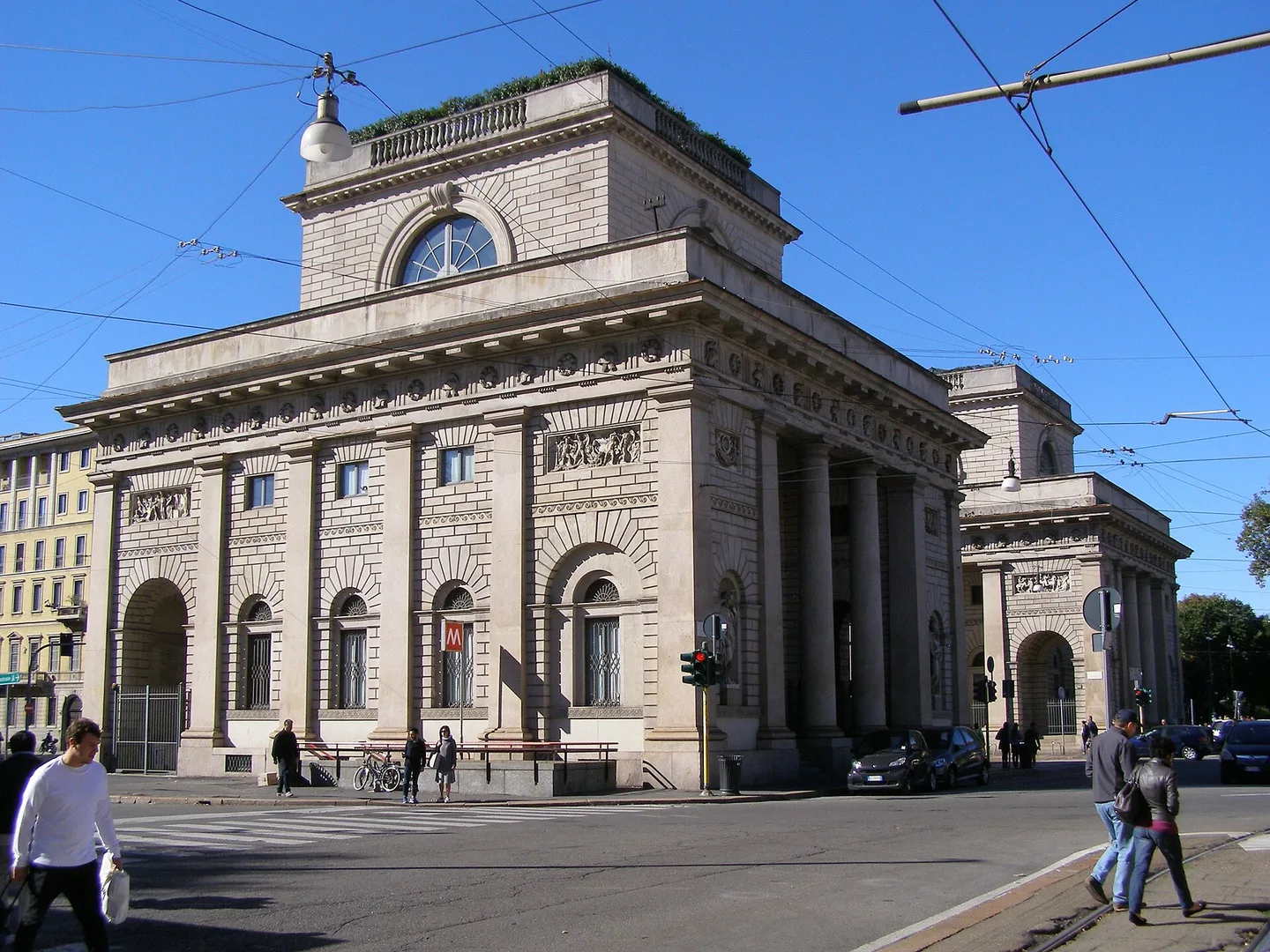
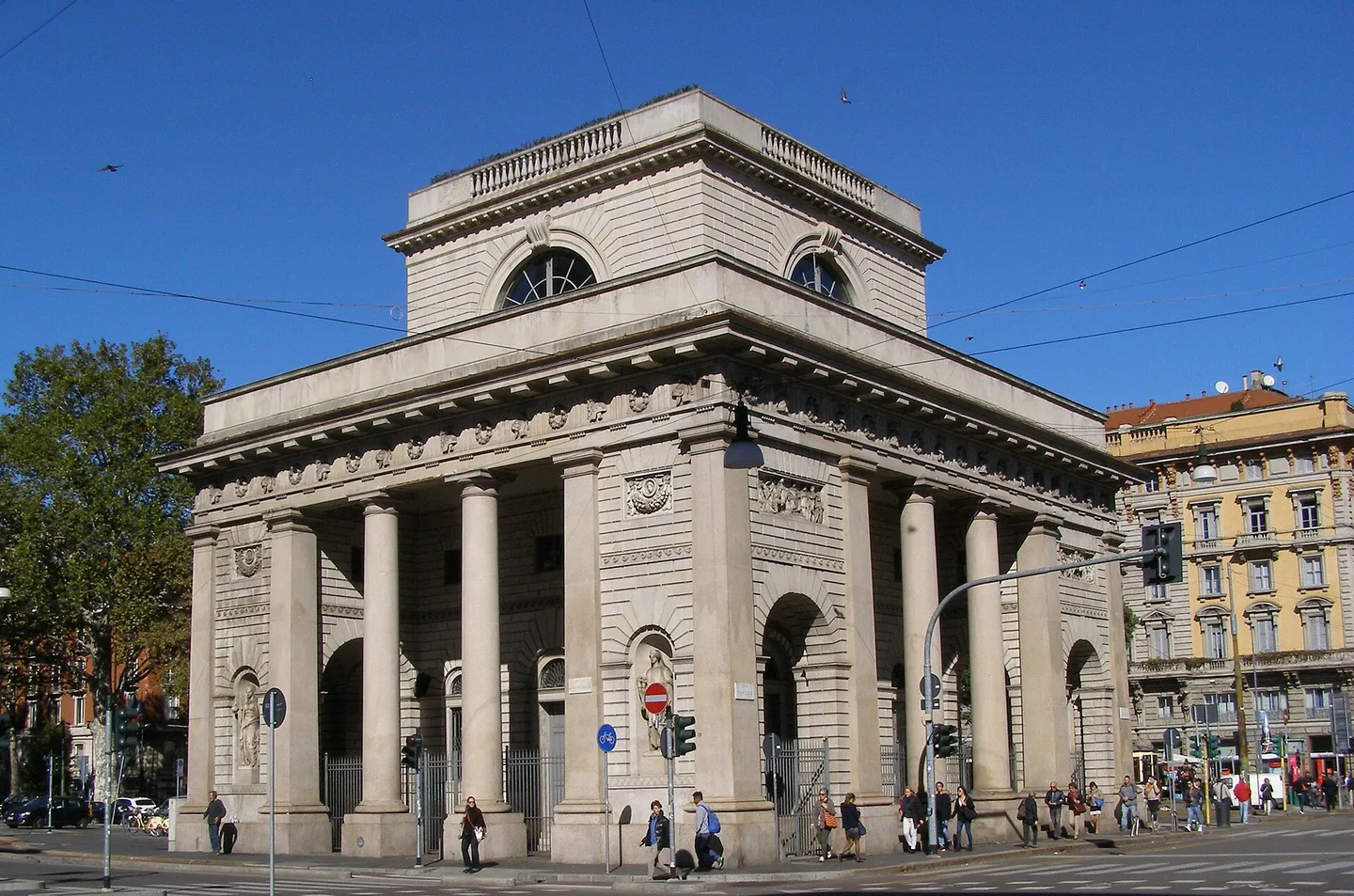
Porta Venezia marks an important historical entrance into central Milano, defined by two neoclassical stone buildings flanking the wide roadway. These twin pavilions stood as formal customs gates, welcoming travellers arriving along the northeastern routes into the city. Today, the open junction separates long commercial avenues from traditional residential blocks, creating an immediate sense of urban scale. Moving through this threshold reveals how modern tram tracks coexist with centuries of municipal planning, linking antique roadways directly to modern life.
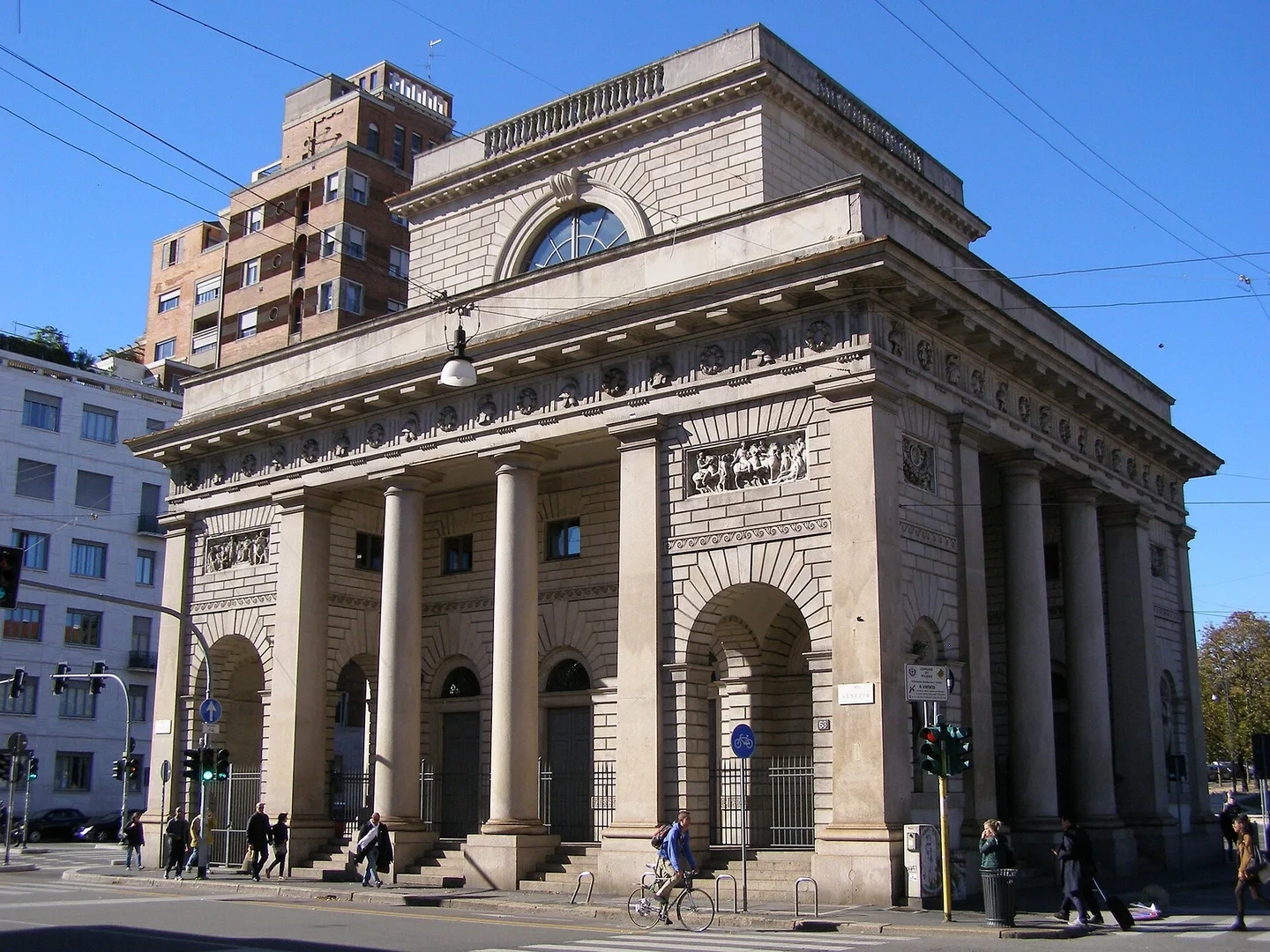
Standing by the pavilions gives an immediate view down broad avenues lined with stone architecture and leafy tree canopies. Visitors stepping off regional transport quickly notice the wide pavements, making the district particularly comfortable for walking tours. Rather than rushing across the major crossing, taking time to observe the sculpted relief carvings and exterior friezes offers an engaging introduction to the quarter. The junction acts as a natural landmark, keeping orientation simple while wandering between lively avenues and quieter domestic streets.
Historical records reveal that this portal formed part of the Spanish walls that once enclosed central Milano. Over decades of municipal renovation, engineers removed the defensive ramparts to develop open ring boulevards for urban expansion. The stone toll pavilions remained preserved as civic monuments, framing the northeastern approach with balanced classical proportions. Examining the stonework up close highlights intricate classical mouldings, grand arched portals, and decorative urns along the upper balustrades.
Streetscape Character and Art Nouveau Heritage
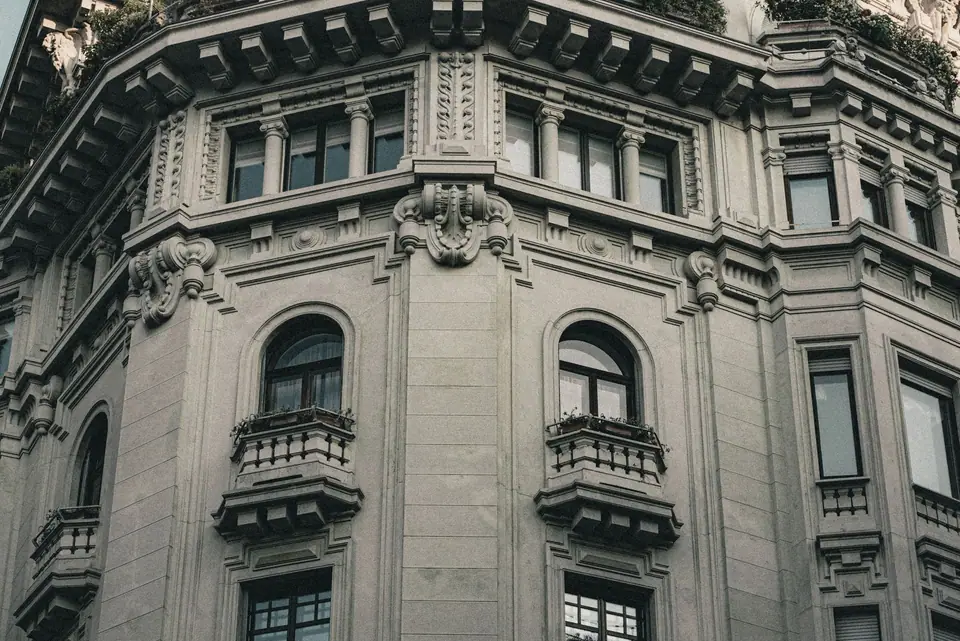
Wandering away from the main thoroughfare brings travellers into one of the most architecturally distinctive areas of northern Italy. The residential lanes around Porta Venezia preserve outstanding examples of the Liberty style, which is the Italian interpretation of Art Nouveau. Facades throughout the neighbourhood display carved stone garlands, floral plaster motifs, and expressive wrought-iron balconies. Walking down these quieter roads offers a peaceful atmosphere compared to the central avenues, inviting close observation of decorative doorways and stained glass.
These residential pockets also contain welcoming local bakeries, independent coffee bars, and small courtyard bookshops tucked behind historic archways. Residents gather on quiet pavement corners, giving the neighbourhood an authentic residential rhythm throughout the morning and early afternoon. For travellers interested in urban design, the variety of building materials creates an exceptional walking experience. Polished marble porticoes sit alongside patterned tile friezes, reflecting the creative craft of the late nineteenth and early twentieth centuries.
Notable residential buildings feature asymmetric window frames, curving wrought-iron grilles, and glazed ceramic tiles depicting natural botanical patterns. Private courtyards conceal leafy interior gardens behind heavy wooden gates, showing the domestic luxury favoured by the rising industrial families of the era. Exploring side alleys reveals quiet residential courtyards where ivy climbs historic brickwork alongside delicate stucco mouldings. Architectural historians frequently single out these streets as an open-air museum of early twentieth-century decorative crafts.
Parkland Borders and Walking Links
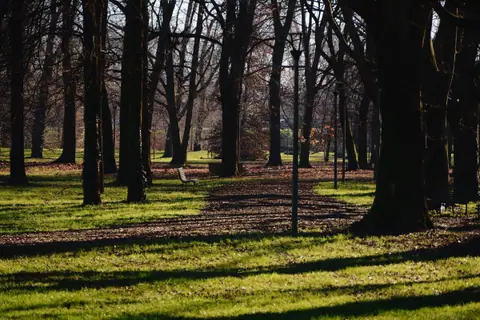
Directly bordering the historic gates lies a vast public park, offering shaded tree paths, stone bridges, and open grassy lawns. These public gardens present a tranquil counterpoint to the energetic streetscapes, allowing visitors to rest beneath mature trees during midday heat. Winding footpaths guide walkers past ornamental ponds, neoclassical pavilions, and civic cultural buildings situated within the green perimeter. It serves as a favourite retreat for neighbourhood runners, reading students, and families throughout all four seasons.
Following paths westward through the green grounds offers a pleasant connection towards historic Brera, avoiding noisy vehicle corridors entirely. The route links civic museums directly to artistic galleries, allowing a gradual transition between distinct neighbourhoods. Travellers can also continue walking southwest towards the marble spires of Duomo di Milano, completing a scenic promenade through the city. The shaded avenues preserve historic tranquility while connecting major central attractions along simple paths.
Within the park perimeter, travellers can explore botanical collections, monumental plane trees, and classical water basins arranged across geometric terraces. The green landscape transitions naturally into quiet residential borders, encouraging pedestrians to explore leafy perimeter lanes. Benches placed along gravel paths offer restful viewpoints across manicured lawns and duck ponds. Taking this shaded route lets walkers experience urban nature before returning to the energetic commercial avenues outside.
Transit Hubs and Route Comparisons
Porta Venezia functions as a major transport interchange, housing metro train tracks alongside surface tram lines. Commuters change here between red metro services and the Passante suburban rail loop, creating fast journeys across greater Milano. Subterranean concourses connect passengers efficiently, while historic orange trams travel along the surface streets to give panoramic urban perspectives. Planning transit journeys carefully allows travellers to combine historic wandering with rapid cross-city transfers.
| Transit Choice | Primary Route | Best For |
|---|---|---|
| Underground Metro | Central underground line | Direct rides to central squares and rail terminals |
| Suburban Rail Link | Passante underground tracks | Swift regional transfers across the metropolitan zone |
| Historic Tram | Surface street tracks | Relaxed sightseeing through neighbourhood corridors |
After finishing a walking loop around the neighbourhood, boarding an underground train provides rapid transit towards western districts. Passengers can easily reach the church housing Leonardo's Last Supper or change lines towards southern destinations. Those wanting a change of evening pace can journey down to the Navigli canals, where waterside paths offer dining options. Check schedules and ticket validation requirements at street machines before boarding any regional service across the regional network.
Travellers heading onward to suburban hubs can access the underground Passante rail system directly from the main station concourse. This multi-level interchange allows effortless switching between subterranean railway platforms and surface streetcar routes. Clear signage directs passengers toward neighbourhood exits, commercial shopping streets, and nearby public gardens. The integration of historic tramways and modern underground lines makes Porta Venezia one of the most accessible areas in Milano.
Official prices and opening hours
- Duomo di Milano (Cathedral, Terraces & Museum)Official site ↗
- Cenacolo Vinciano (Leonardo’s Last Supper)Official site ↗
Where it is
- 1Porta Venezia Neighbourhood
- Milano Linate Airport (LIN) · about 6 km from here in a straight line
- Directions in Google Maps
Stations and taxi ranks: OpenStreetMap. Airports: OurAirports. Distances are in a straight line.
Traveller tips
Real advice from people who have been to Milano. Every tip is read by our team before it goes live.
No tips yet. Been here? Yours could be the first.
Thank you! Your tip will appear here after a quick review.
More in Milano
Continue exploring Milano with related neighbourhood, food, and planning guides