National Museum of Science and Technology in Milano
Historic cloisters, transport hangars, and engineering galleries fill the science institution inside Milano.
Navigating the Historic Monastery Complex
Entering the museum grounds places us directly inside a former monastery, where broad stone arcades encircle calm central courtyards. The monumental complex creates an unexpected atmosphere for industrial technology, pairing Renaissance architectural proportions with vast technical collections. We begin our circuit on the ground floor, where corridors guide visitors past early computing displays, materials science prototypes, and historical energy production machinery.
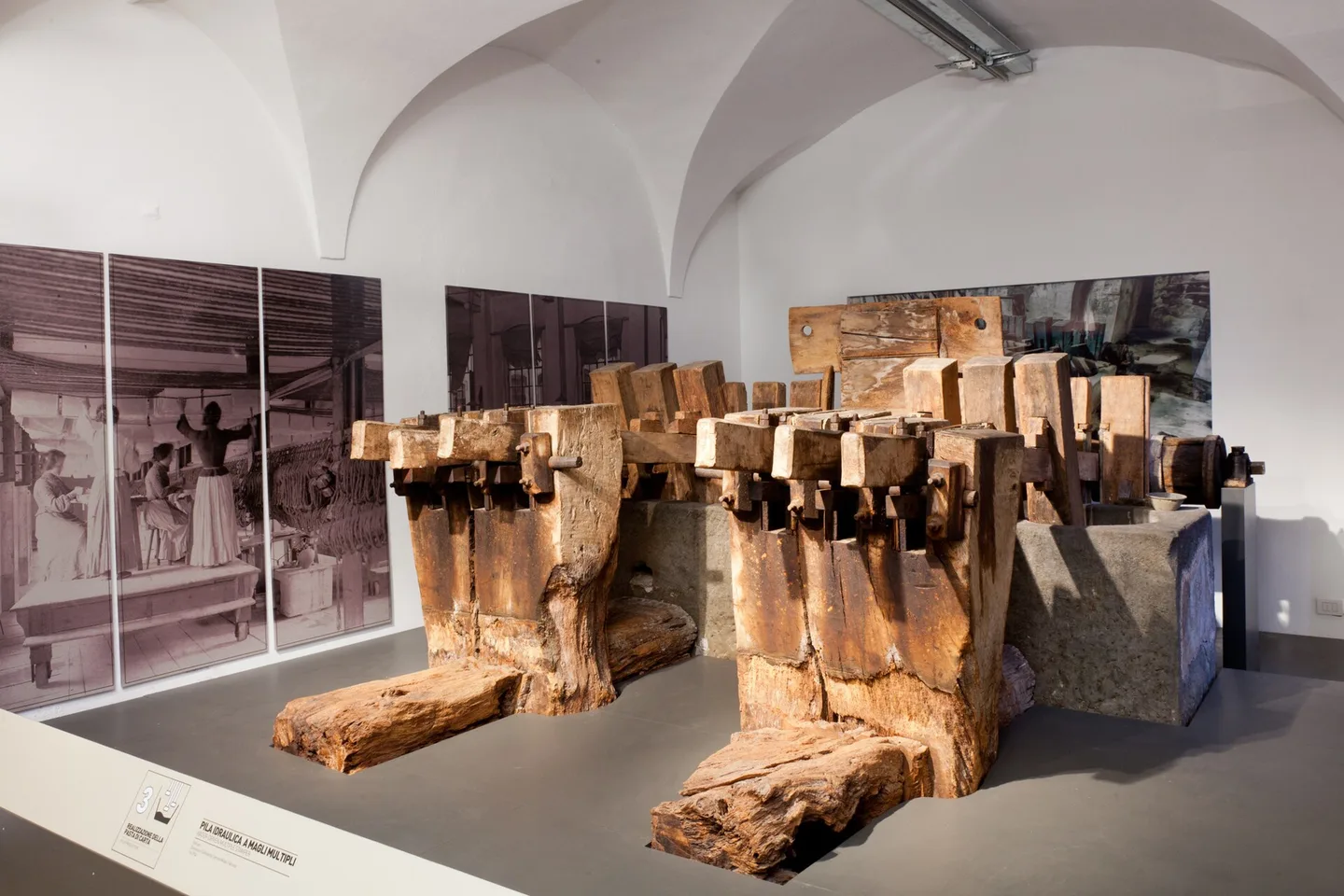
Galleries devoted to Leonardo da Vinci occupy an extensive upper wing within these historic halls. Intricate wooden working models interpret sketches from Leonardo's codices, demonstrating early concepts for military defences, textile machinery, and civil engineering works. Placed alongside physical mechanisms, historical drawings demonstrate the transition from Renaissance design into modern Italian mechanics. Soft daylight filters across the polished brickwork, creating quiet corners between interactive workstations.

Modern consumer electronics and telecommunications exhibits branch off from the main monastic quadrangle. These rooms track the rapid evolution of recorded sound, radio communication, and digital devices through everyday household objects. We take time to study prototypes of commercial media hardware, alongside domestic instruments that transformed twentieth-century daily life. Clear wall plaques detail how Italian designers shaped international communication standards across previous decades.
Additional exhibition halls on adjacent floors cover foundational developments in chemical manufacturing, metallurgy, and physics. Glass cabinets display early optical instruments, calibrated brass balances, and glassware used in pioneering laboratory research. Informational panels explain how laboratory breakthroughs supported northern Italy's rapid industrial expansion during the nineteenth and twentieth centuries. These quiet cloister spaces let visitors observe minute mechanical details before heading towards the larger transport sheds.
Rail, Sea, and Aviation Pavilions
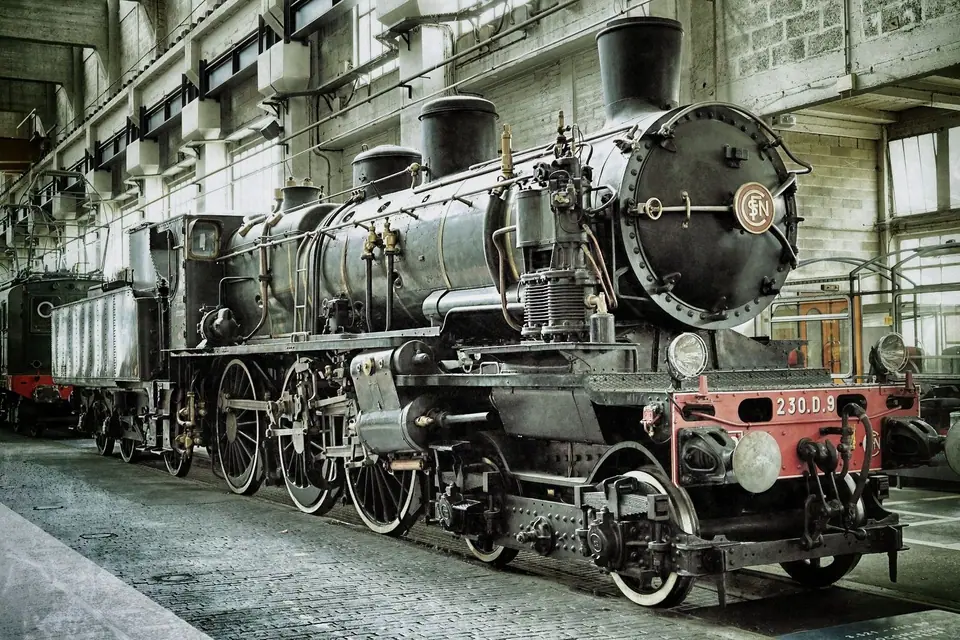
Stepping beyond the monastery corridors leads us into the massive railway pavilion, where original tracks hold towering iron engines. Polished black locomotives stand over stone inspection pits, their heavy bronze fittings catching reflections from tall glass ceiling lanterns. Wooden passenger coaches and utility tenders line adjacent platforms, showing the engineering leaps that united Italian regions through heavy freight and commuter transit.
Directly across the open courtyard, the air and water transport hall spreads across several split-level balconies. Huge marine vessels rest firmly on the ground tier, surrounded by historic navigation gear, brass propellers, and naval weaponry. Overhead, suspended aircraft and early biplanes hover beneath steel roof trusses, giving visitors elevated viewpoints along the upper metal walkways. Walking along these railed corridors lets us trace structural designs from wooden glider ribs to aluminium fuselages.
Outdoor yards connecting these hangars display heavy industrial equipment, retired naval installations, and massive outdoor machinery. Between the transport sheds, broad gravel paths offer open seating away from indoor gallery echoes. We recommend stepping outside between pavilion visits to enjoy fresh air before proceeding into the deep basement workshops and technical laboratory rooms.
The open courtyards also display full-scale maritime equipment and industrial boilers that could not fit within indoor halls. Large metal propellers stand alongside decommissioned steam cranes, illustrating the scale of port operations that supported Mediterranean trade routes. Strolling along the outdoor perimeter reveals how naval architects solved propulsion and stability challenges over successive generations of maritime engineering.
Practical Route Sequencing and Gallery Pacing
Because the complex covers several multi-storey buildings and detached pavilions, planning a logical sequence helps avoid fatigue. The site encompasses disparate collections ranging from delicate historical horology to heavyweight diesel transport. We map out our visit by separating the interior cloister floors from the expansive transport hangars across the courtyard.
| Museum Sector | Primary Focus | Walking Profile |
|---|---|---|
| Monumental Cloisters | Leonardo models, physics, energy | Level indoor flagstones, upper stairs |
| Railway Pavilion | Steam engines, electric stock, track gear | Ground-level platforms, broad tracks |
| Air and Water Hall | Naval craft, suspended aircraft | Split-level balconies, metal walkways |
| Outdoor Grounds | Heavy outdoor machinery, naval gear | Open gravel paths, flat courtyards |
We suggest setting aside a dedicated morning or afternoon block for these pavilions. Morning crowds gather early around interactive family laboratories, leaving the upper monastic galleries remarkably peaceful. Taking a brief rest between the monastic halls and the transport sheds keeps energy levels high throughout the circuit. Timed admissions control gallery crowd sizes cleanly during school holidays and rainy weekends.
Neighbourhood Connections Across Milano
After completing our tour of the pavilions, stepping outside brings us into the leafy Sant'Ambrogio neighbourhood. Broad pavements lead towards ancient brick basilicas, quiet residential courtyards, and local bakeries selling fresh espresso and focaccia. The surrounding streets feel calm compared to central shopping corridors, making the district ideal for a relaxed walking break.
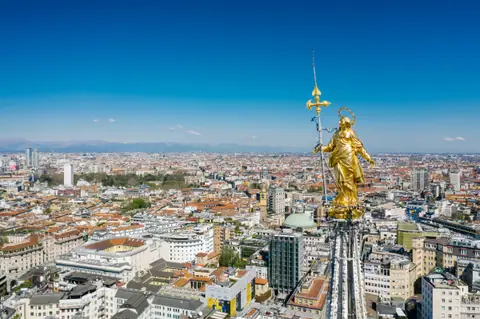
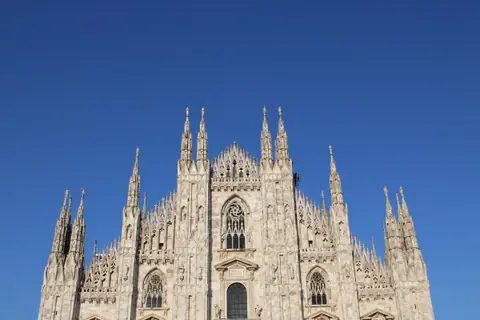
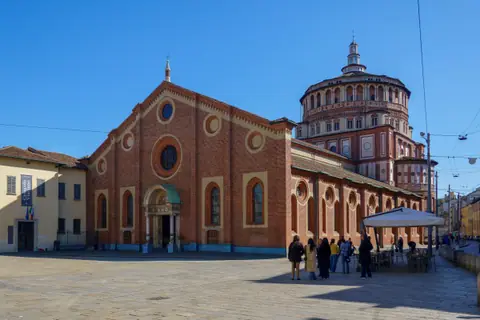
We can walk eastward through quiet residential streets directly into the historical core around the Duomo di Milano. A brief stroll northward connects our route with the refectory holding Leonardo's mural at the Last Supper. Continuing north leads to the art academies and cobbled passages of Brera, while walking southward along tree-lined avenues brings us to the historic canals of Navigli.
The museum serves as an excellent anchor point for a broader city tour. Whether combining technical history with artistic masterworks or continuing along tranquil waterside paths, this western corner connects smoothly into central Milan avenues and transit circuits. Metro stations and tram stops located right outside the museum gates allow effortless connections across the entire metropolis.
Official prices and opening hours
- Duomo di Milano (Cathedral, Terraces & Museum)Official site ↗
- Cenacolo Vinciano (Leonardo’s Last Supper)Official site ↗
Where it is
- 1National Museum of Science and Technology in Milano
- Milano Linate Airport (LIN) · about 8 km from here in a straight line
- Directions in Google Maps
Stations and taxi ranks: OpenStreetMap. Airports: OurAirports. Distances are in a straight line.
Traveller tips
Real advice from people who have been to Milano. Every tip is read by our team before it goes live.
No tips yet. Been here? Yours could be the first.
Thank you! Your tip will appear here after a quick review.
More in Milano
Continue exploring Milano with related neighbourhood, food, and planning guides