Milan Parks, Public Gardens, and Urban Green Spaces
Shady urban parklands, quiet villa grounds, and peaceful green walking routes connect central quarters of Milan.
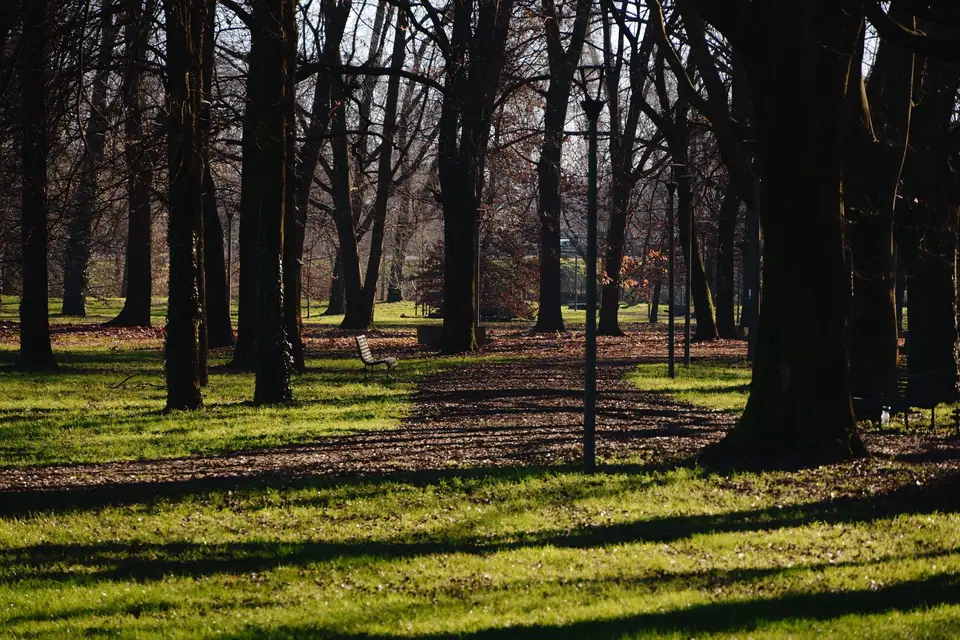
Milan reveals a peaceful character across its historic public parks, where grand canopy trees and broad gravel avenues balance dense stone boulevards. We often begin our open-air walks around the vast lawns behind the medieval fortresses, where wide paths give cool shelter under mature plane trees and lime canopies.
These expansive landscape grounds offer quiet respites right beside busy thoroughfares. Visitors can easily plan quiet pedestrian connections between historic quarters without encountering heavy street traffic.
Historic Green Belts and the Sempione Promenade
The vast expanse behind the historic fortress grounds forms an expansive landscape park laid out in the traditional English style. Winding paths lead walkers past duck ponds, gently rolling turf, and shaded benches positioned beneath centuries-old horse chestnut trees.
Passing through the park allows travellers to transition smoothly between historic stonework and green open clearings. When travelling from the western monuments toward central art districts, crossing these lawns offers a tranquil alternative to navigating crowded avenues.
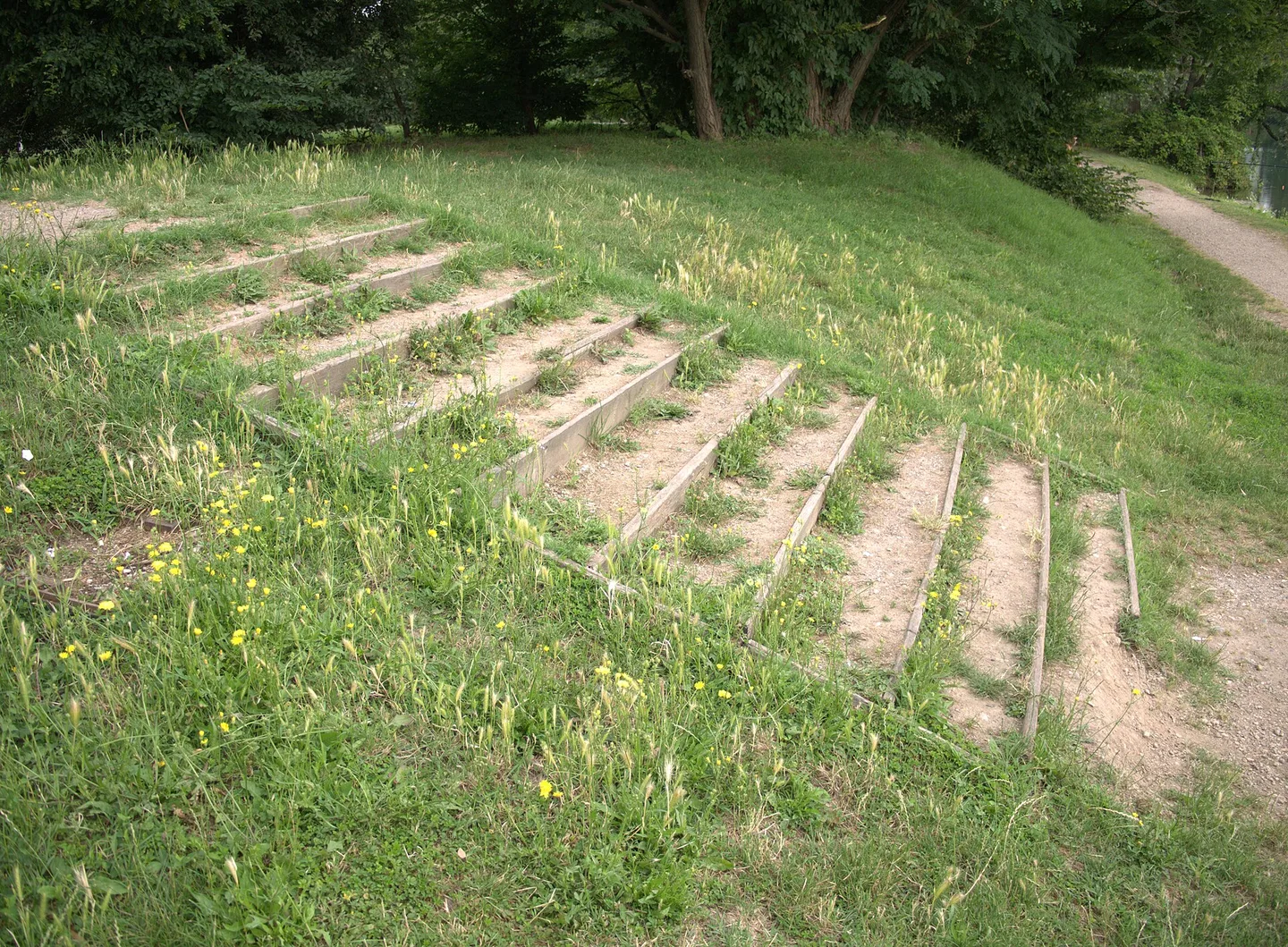
Locals gather along the perimeter lawns during warmer afternoons, reading books, resting after work, or jogging along the crushed gravel circuits. The open sightlines toward surrounding monuments create an airy escape without leaving the heart of the city.
Shaded promenades connect outer entrance gates with internal pathways, creating peaceful loops for morning runners. Benches placed beneath tall lime canopies offer quiet corners for reading and pausing throughout the day.
Eastern City Gardens and Elegant Villa Grounds
Moving toward the eastern side of the city centre brings us to classic formal gardens featuring neoclassical statuary and tiered ornamental waterways. These landscaped public grounds hold wide shaded avenues lined with plane trees that stay pleasantly cool even during summer afternoons.
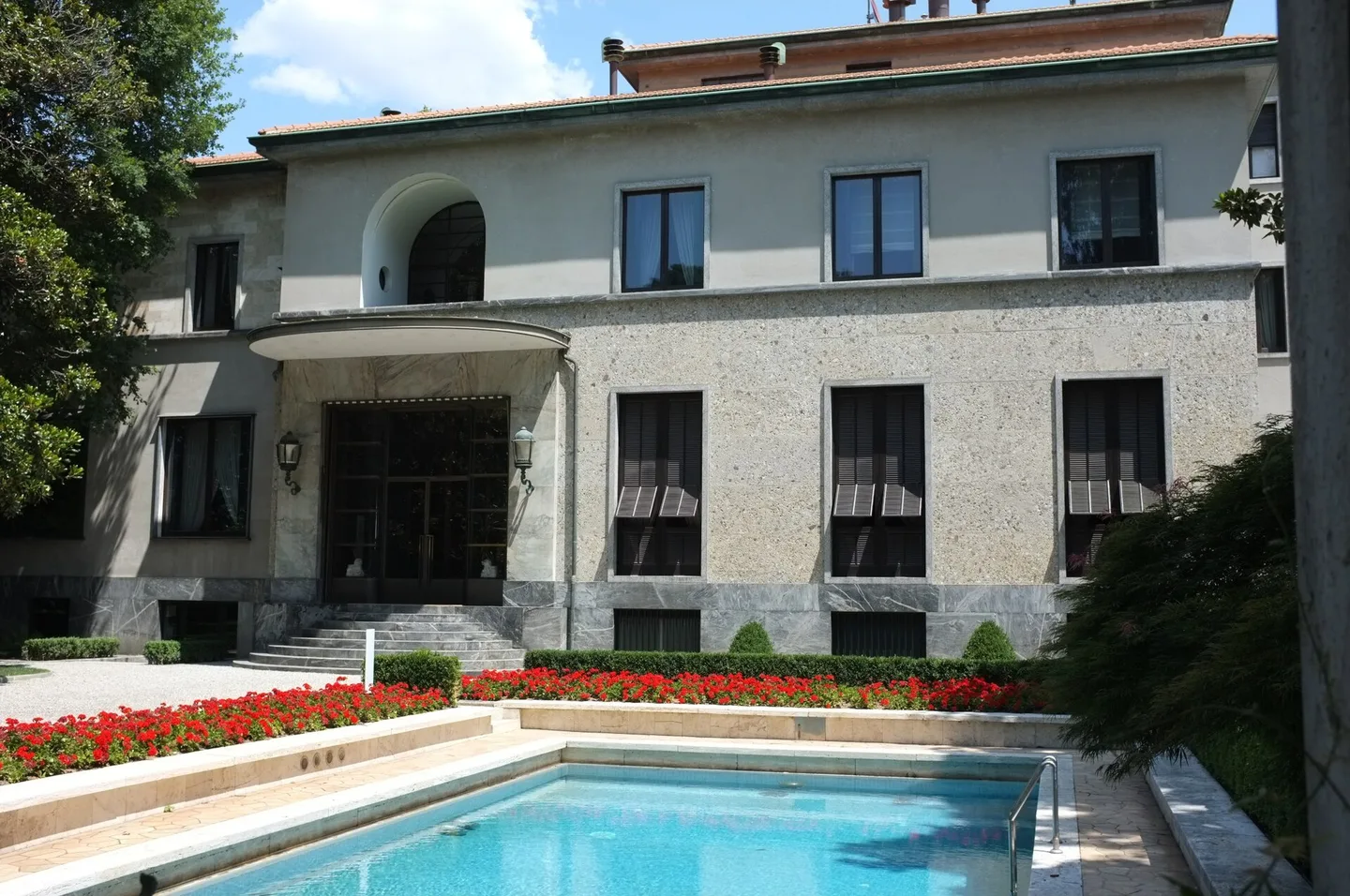
Nearby side streets conceal smaller private estates with walled gardens visible through wrought-iron gates. Strolling through these residential lanes reveals hidden courtyards, creeping wisteria, and secluded pools set behind refined mid-century facades.
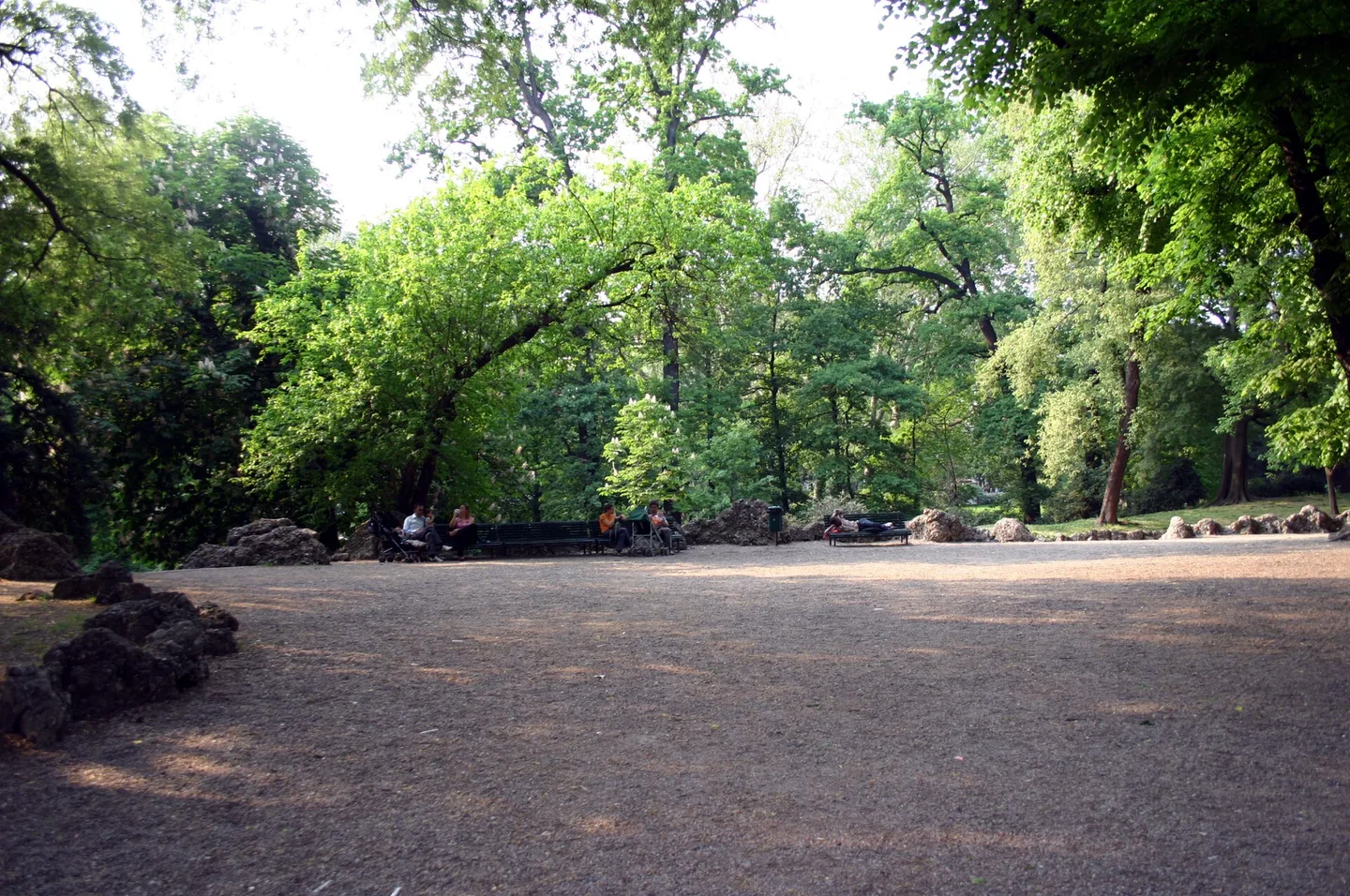
The eastern gardens also house gentle artificial mounds, wooden footbridges, and quiet groves that attract migratory songbirds throughout the change of seasons. Families gather around the grassy glades, while walkers use the leafy corridors to travel between major boulevards away from traffic noise.
Broad gravel avenues extend across the eastern landscape, offering direct foot corridors between historic gates and nearby residential quarters. Tall plane trees canopy the central paths, filtering bright sunlight across wide lawns.
Green Enclaves Around Brera and Central Quarters
Smaller green spaces lie tucked between dense apartment blocks in the older artistic quarters. A walk through cobblestone lanes leads toward cloistered botanical collections, where ancient brick walls shelter rare herbs, citrus trees, and climbing vines.
These compact green courtyards offer deep shade and total quiet, despite sitting only a short walk from prominent city galleries. Visitors heading through Brera can pause on stone benches to enjoy cool breezes rustling through mature magnolia trees.
Further south, pocket parks along older canal routes offer grassy canal banks and weeping willows. Walkers moving south toward the waterways around Navigli can trace linear green strips that soften the urban stone landscape.
These narrow waterside pathways give pedestrians a refreshing connection between older southern quarters and central transit junctions. Small grassy verges allow visitors to rest beside shaded waterways away from busy tram routes.
Practical Walking Sequence and Green Transit Connections
Planning a park walk across Milan works best when linking connected neighbourhoods on foot, breaking up longer museum itineraries. The following table outlines our recommended walking sequence across major city parks, pairing green spaces with nearby metro connections and key features:
| Park Area | Connecting District | Nearby Metro Hub | Landscape Highlight |
|---|---|---|---|
| Parco Sempione | Castello and Sempione | Cadorna / Cairoli | Broad turf lawns and duck ponds |
| Giardini Pubblici | Porta Venezia | Palestro / Porta Venezia | Neoclassical avenues and tall planes |
| Orto Botanico | Brera Arts Quarter | Lanza / Montenapoleone | Sheltered herb beds and old brick walls |
| Villa Grounds | Palestro Residential | San Babila | Secluded pools and perimeter hedges |
We suggest starting in the western parklands before walking eastward across quiet residential streets, keeping away from busy tram arteries. Combining shady park stretches with quiet neighbourhood footpaths opens a relaxing way to experience Milan from morning until dusk.
Navigating through these green links allows travellers to explore the city at an unhurried pace. Each park offers swift access to nearby underground transit lines, making onward urban journeys straightforward and calm.
Official prices and opening hours
- Duomo di Milano (Cathedral, Terraces & Museum)Official site ↗
- Cenacolo Vinciano (Leonardo’s Last Supper)Official site ↗
Where it is
- 1Milan Parks, Public Gardens, and Urban Green Spaces
- Milano Linate Airport (LIN) · about 7 km from here in a straight line
- Directions in Google Maps
Stations and taxi ranks: OpenStreetMap. Airports: OurAirports. Distances are in a straight line.
Traveller tips
Real advice from people who have been to Milano. Every tip is read by our team before it goes live.
No tips yet. Been here? Yours could be the first.
Thank you! Your tip will appear here after a quick review.
More in Milano
Continue exploring Milano with related neighbourhood, food, and planning guides