Museo del Novecento: Modern Art Facing the Duomo
Museo del Novecento showcases influential twentieth-century Italian art inside the converted Palazzo dell'Arengario directly overlooking the central cathedral square.
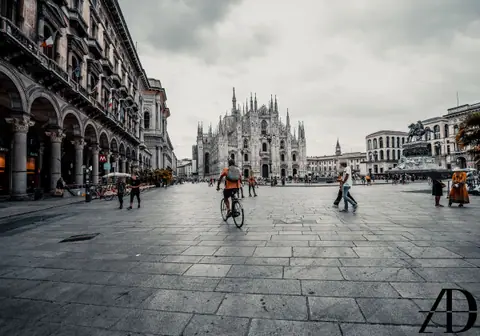
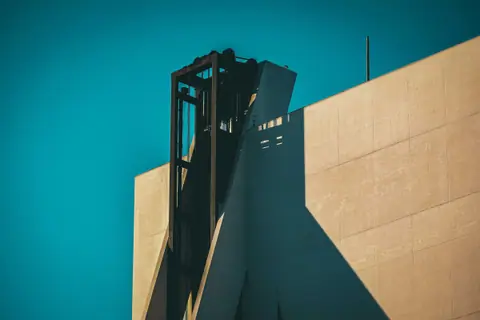
Standing directly beside the monumental royal palace, the building commands an immediate presence along the southern flank of the central cathedral square. Architects converted the historic civic halls into a multi-tiered public gallery designed to display civic modern art collections. Inside, a spiral ramp draws visitors upward into calm white exhibition halls that contrast sharply with the energetic plaza outside. You encounter quiet rooms displaying modern canvases, kinetic sculptures, and avant-garde manifestos. Windows look straight across to the marble pinnacles of the cathedral facade. This position establishes an ongoing dialogue between historical civic architecture and daring twentieth-century artistic expressions.
The collection offers an engaging journey through the dramatic shifts in modern Italian visual culture. Room after room reveals how painters and sculptors responded to rapid industrial growth, urban expansion, and wartime upheaval. Bold brushstrokes and dynamic compositions illustrate how local artists helped redefine European creative movements. As you ascend, the curators present major themes in thoughtful chronological sequences that allow clear comparisons across different media. Visitors can wander at an unhurried pace, absorbing painting, bronze casting, and experimental materials across several expansive levels.
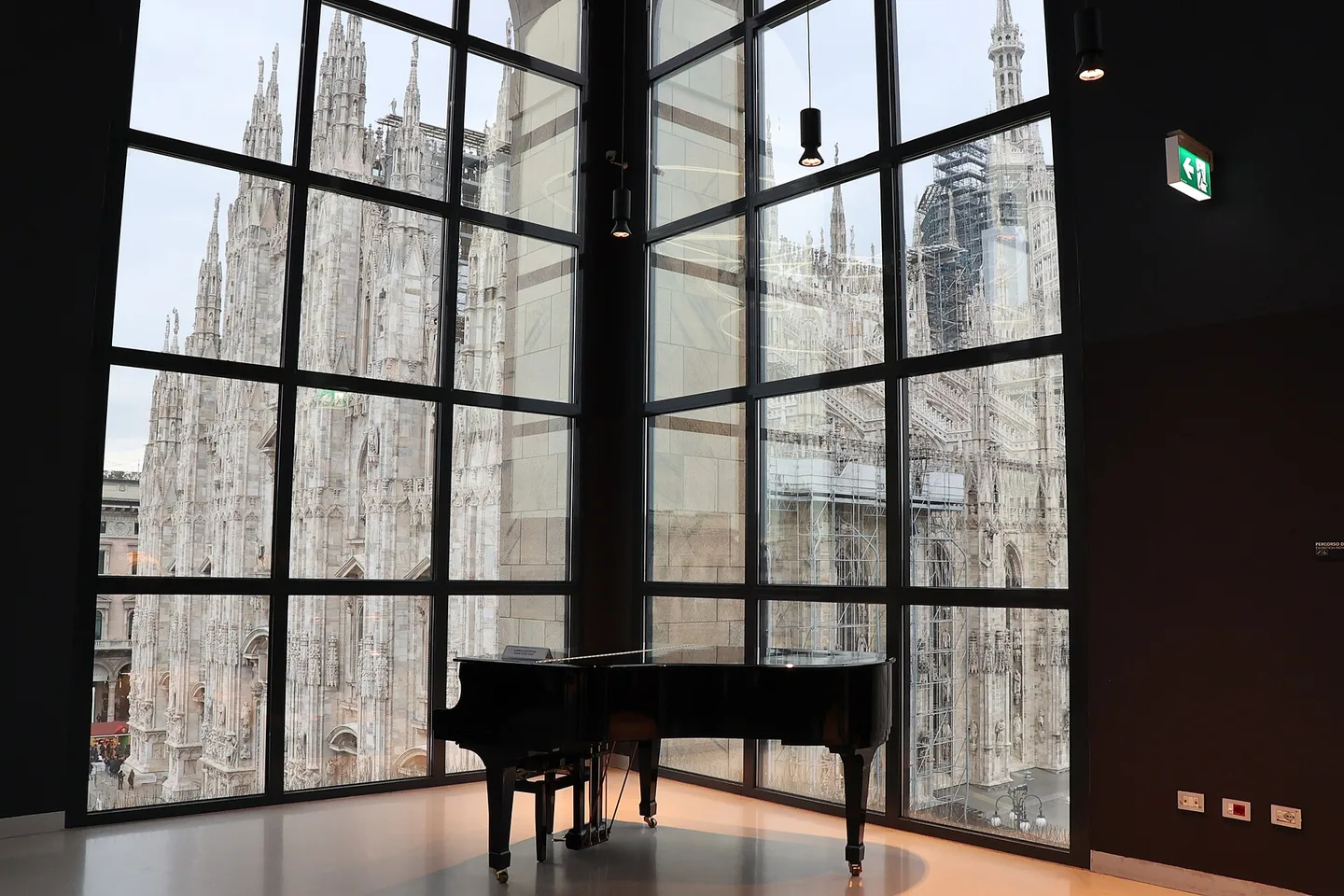
The architectural layout guides travellers progressively from foundational early twentieth-century inquiries toward mid-century abstractions. Each floor provides dedicated spaces where visitors can sit, read interpretative boards, and observe original sketches. The gallery rooms frame shifting vistas of the busy city pavement and cathedral rooftop statues below. This design weaves the exterior urban landscape directly into the internal rhythm of your museum visit.
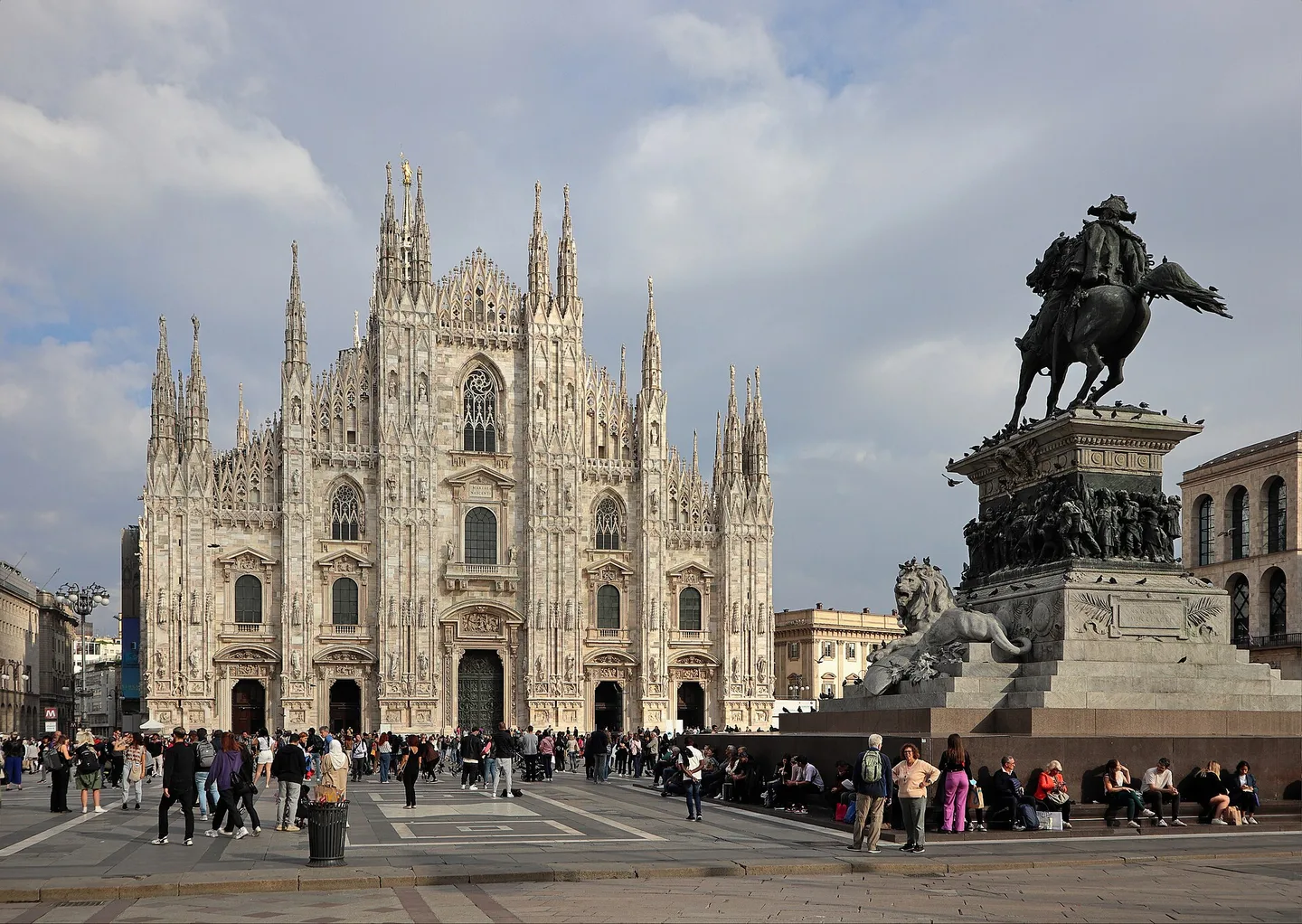
Futurism and the Energy of the Modern Metropolis
The early galleries capture the intense creative momentum that swept through northern Italy during the opening decades of the modern era. Dynamic lines and fractured perspectives evoke speeding locomotives, busy factories, and the rapid pace of city streets. These pioneering works celebrate mechanical movement and urban vitality with radiant colours and sharp geometric forms. Walking between these canvases, you sense the eagerness of young artists seeking to break away from traditional academic painting. The curation pairs manifesto publications with finished masterworks, grounding visual experiments in their cultural and philosophical contexts.
Beyond early avant-garde experiments, the middle floors introduce diverse artistic movements that emerged across the mid-twentieth century. Thoughtful displays present metaphysical still lifes alongside expressive figuration and post-war abstraction. Each gallery maintains a restrained, focused atmosphere that encourages close study of texture, pigment, and form. Informative wall panels outline how artists formed short-lived collectives to debate the role of aesthetics in everyday society. The sequence demonstrates how Milano served as a fertile testing ground where international dialogue and regional traditions constantly met.
Curators also highlight the transition toward industrial design and sculptural experimentation during the post-war reconstruction years. Visitors can study models, graphic layouts, and kinetic installations that challenged traditional definitions of fine art. The halls present these creative milestones with generous spacing, allowing each piece to command focused attention. As a result, guests gain a clear perspective on how artistic communities responded to shifting post-war values.
- Early twentieth-century avant-garde paintings showcasing urban momentum and kinetic rhythm.
- Post-war experimental pieces exploring unusual textures, raw canvas, and unconventional industrial pigments.
- Reflective mid-century sculptures that engage directly with surrounding gallery proportions.
- Documentary archives illustrating artistic manifestos, historic exhibitions, and creative debates.
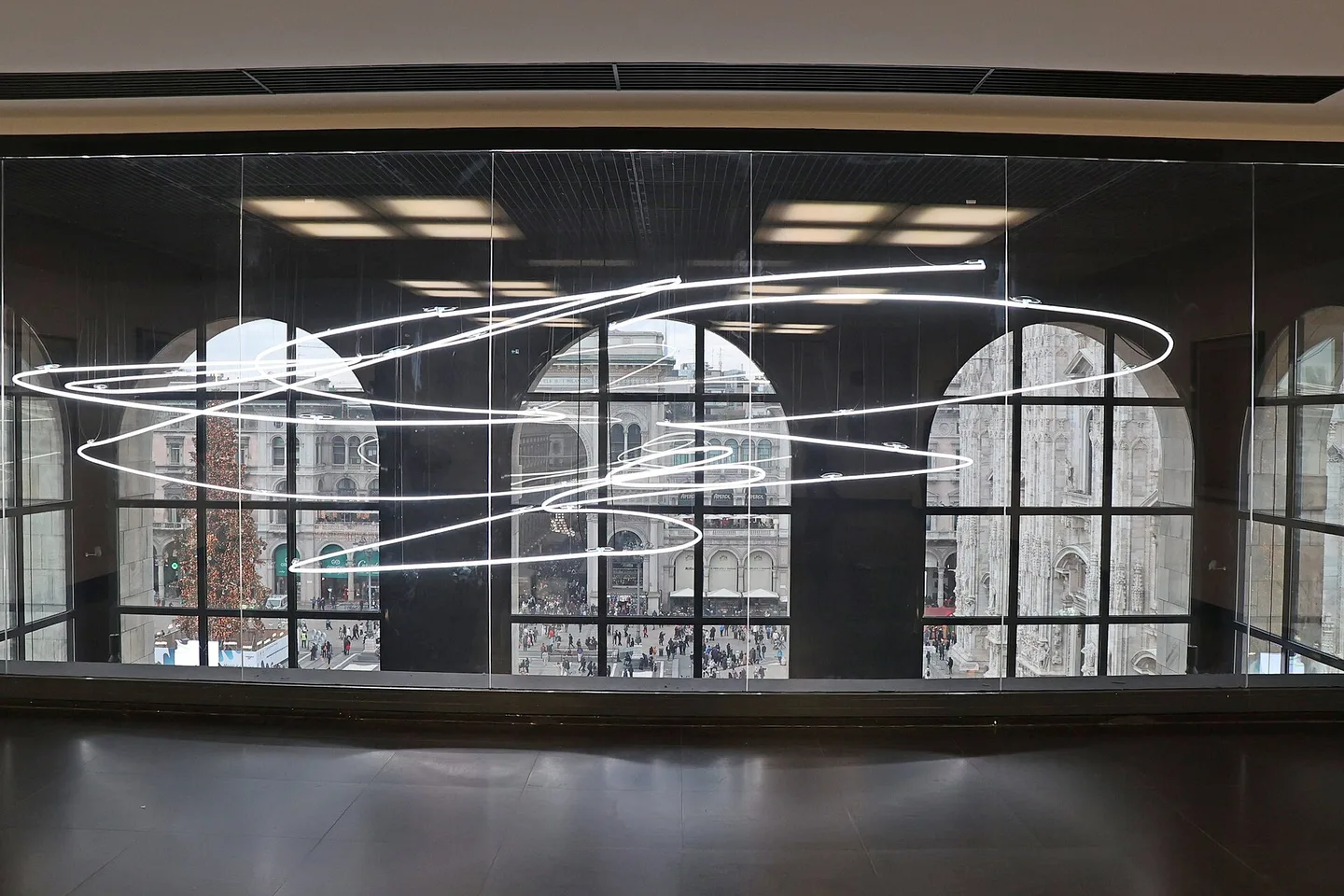
Lucio Fontana and the Elevated Vista
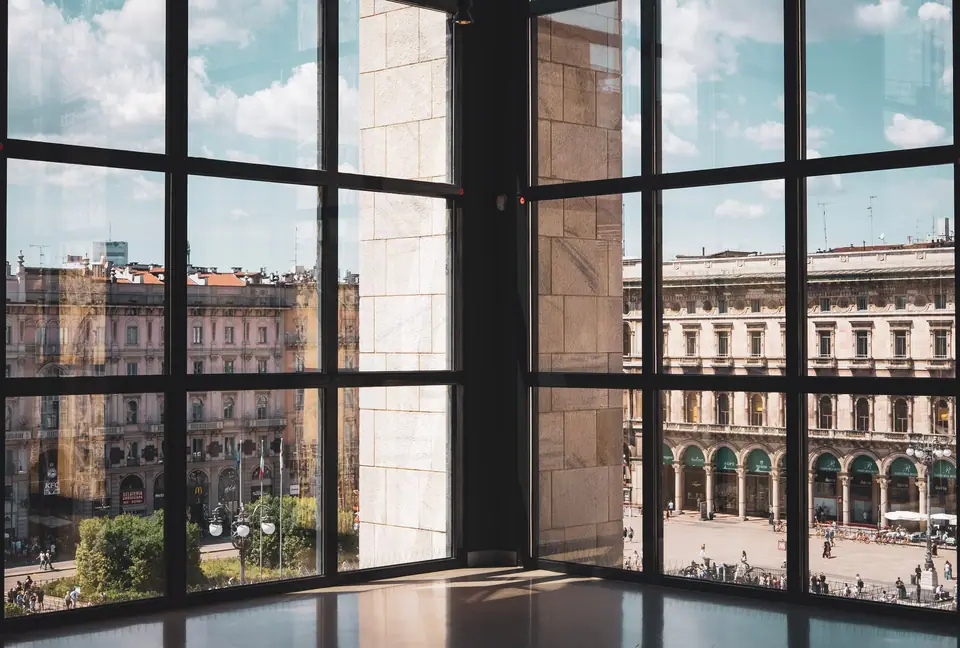
The upper level culminates in a vast, luminous chamber dedicated entirely to the spatial concepts of Lucio Fontana. Here, graceful neon flourishes suspended beneath the ceiling interact with punctured canvases and monochromatic surfaces. Ambient light filters through broad floor-to-ceiling glass, blurring the boundary between interior installation and exterior cityscape. Looking out, visitors observe the ornate Gothic buttresses of Duomo di Milano from a commanding vantage point. The interplay of neon light, open air, and medieval stone creates one of the most striking visual juxtapositions in the entire city.
This luminous room invites visitors to sit quietly and observe changing light conditions across the cathedral facade. As daylight shifts, reflections across the glass panels mingle with the undulating neon tubing hanging overhead. It represents a clear example of how contemporary curation can revitalise civic architecture while providing fresh perspectives on familiar landmarks. The elevated terrace perspective allows you to view rooftop statues and spire details rarely visible from ground level. Many travellers pause here to sketch, write notes, or simply watch crowds drifting across the vast stones below.
The spacious Fontana hall serves as a peaceful contemplative pause before visitors descend back to ground level. Its minimalist setting removes unnecessary visual distractions, allowing the curving neon light and historic marble architecture to dominate the view. Art lovers frequently return to this room at different hours to appreciate how shifting shadows alter the appearance of the punctured canvases. The chamber stands as a high point of twentieth-century Italian interior display.
Navigating the Surrounding Cultural Quarter
Exiting the exhibition spaces places you right back into the energetic civic heart of the city. Because the gallery occupies an accessible position on the public transit network, combining your visit with other landmark sites remains straightforward. A brief journey north takes you toward the artistic quarter of Brera, where historic masterworks and charming cobblestone lanes offer a rewarding traditional contrast. Alternatively, travellers fascinated by Renaissance masterworks can plan ahead for the preserved convent housing Leonardo’s Last Supper.
To help balance your artistic schedule across the city centre, consider the distinct character of each prominent creative district:
| District | Primary Artistic Focus | Key Landmark Connection |
|---|---|---|
| Piazza del Duomo | Twentieth-century modern collections and avant-garde installations | Direct views of the gothic cathedral facade |
| Brera Quarter | Renaissance paintings and historic academy collections | Walkable stone alleys and classical courtyards |
| Porta Ticinese | Canal heritage, evening social life, and historic trade routes | Direct tram links to the lively Navigli basin |
Whether you spend a single quiet afternoon viewing avant-garde canvases or pair your gallery walk with wider sightseeing across Milano, the museum rewards patient viewing. Its compact footprint makes it a refreshing indoor retreat during winter showers or midday summer heat. Clear pathways, lifts, and helpful attendants allow effortless movement between the distinct creative movements on show. Modern art reveals fresh facets of the city, showing that its celebrated design legacy extends far beyond fashion runways into profound creative statements.
Official prices and opening hours
- Duomo di Milano (Cathedral, Terraces & Museum)Official site ↗
- Cenacolo Vinciano (Leonardo’s Last Supper)Official site ↗
Where it is
- 1Museo del Novecento
- Milano Linate Airport (LIN) · about 7 km from here in a straight line
- Directions in Google Maps
Stations and taxi ranks: OpenStreetMap. Airports: OurAirports. Distances are in a straight line.
Traveller tips
Real advice from people who have been to Milano. Every tip is read by our team before it goes live.
No tips yet. Been here? Yours could be the first.
Thank you! Your tip will appear here after a quick review.
More in Milano
Continue exploring Milano with related neighbourhood, food, and planning guides