Milanese Culinary Traditions and Historic Dining Quarters
Traditional Milanese food pairs butter, rich broths, and saffron across historic trattorias and neighbourhood bakeries throughout northern Italy.
Northern Italian dining centres on butter, lard, bone marrow, and slowly simmered stocks rather than olive oil and tomato sauce. Rice paddies across the nearby plains supply plump grains that define city counters and local family tables.
Golden Saffron and the Rhythm of the First Course
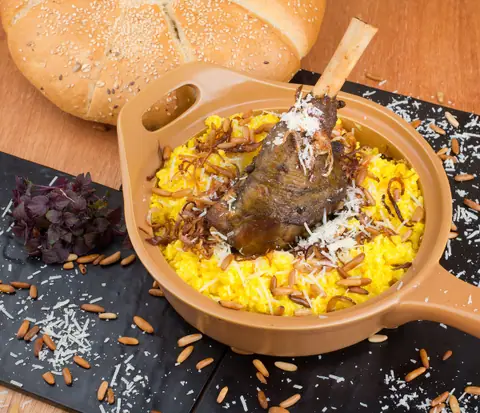
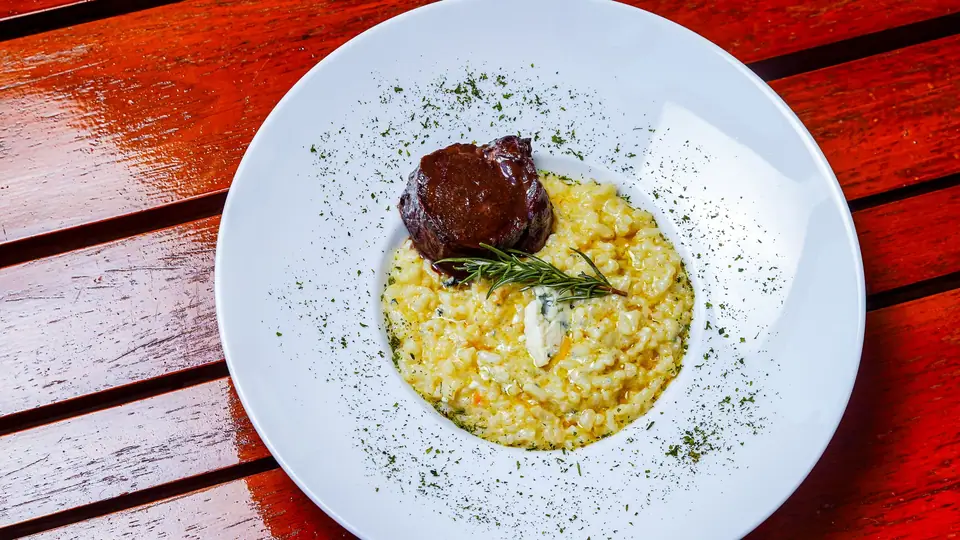
Risotto alla milanese stands as the premier culinary emblem of the city, recognisable by its deep golden hue and velvety texture. Local cooks toast short rice grains in butter and beef marrow before adding simmering broth ladle by ladle. Saffron threads steep in warm stock to release floral warmth and bright yellow shades, finished off with finely grated cheese.
Many neighbourhood dining rooms serve this golden rice alongside braised veal shanks known locally as ossobuco. The marrow-rich bone melts gently into the rich wine and vegetable reduction during long simmering. Cooks scatter gremolata over the tender meat just before serving, combining grated lemon zest, minced garlic, and fresh parsley to cut the richness.
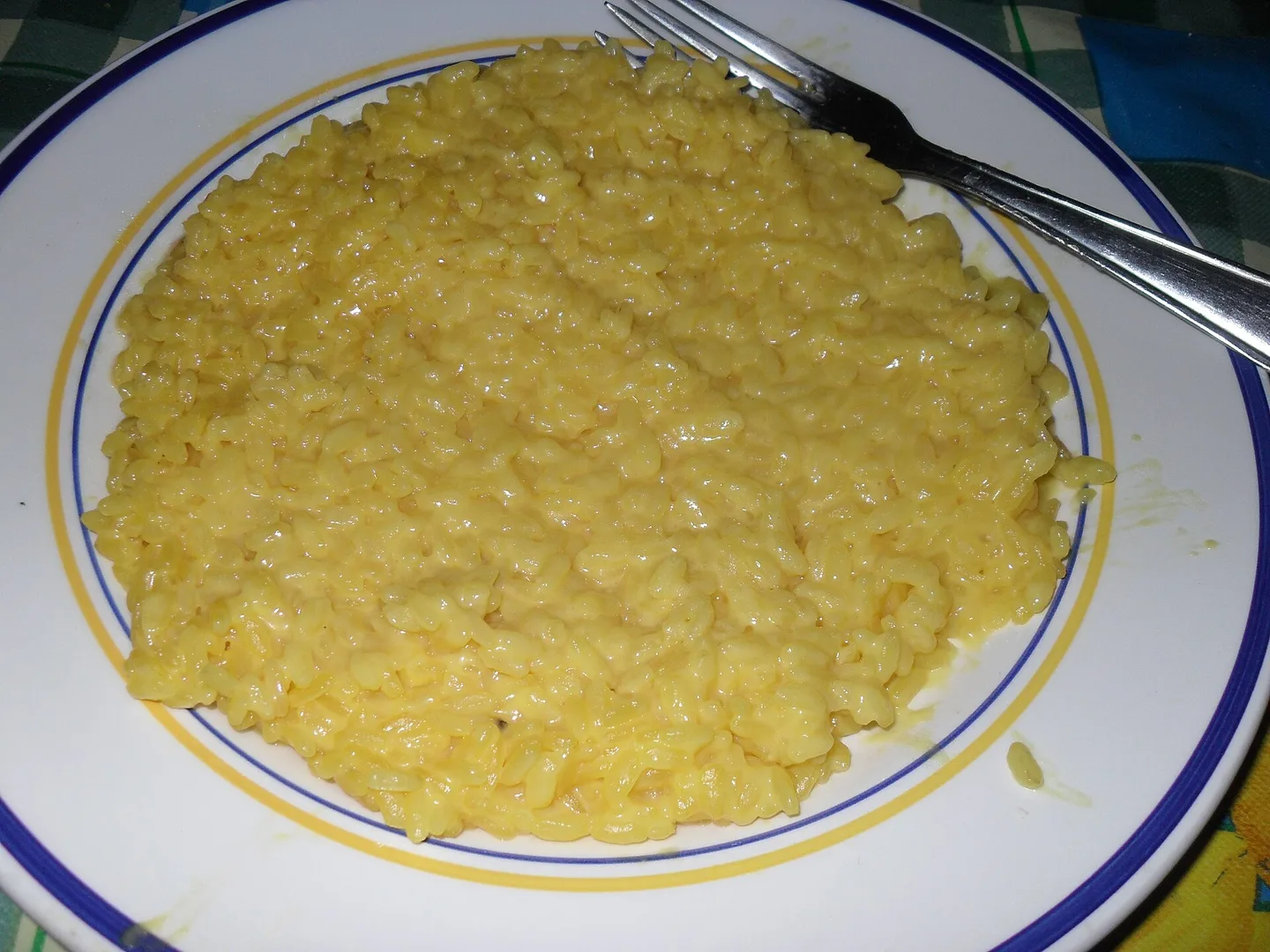
You will find regional rice dishes while wandering between visits to the central Duomo complex. Traditional establishments maintain menus that honour seasonal game stocks and winter squash variations throughout cooler months. A proper first plate requires patience from the kitchen, as staff prepare each pan to order rather than reheating batches.
Veal Cutlets and Savoury Meat Specialties
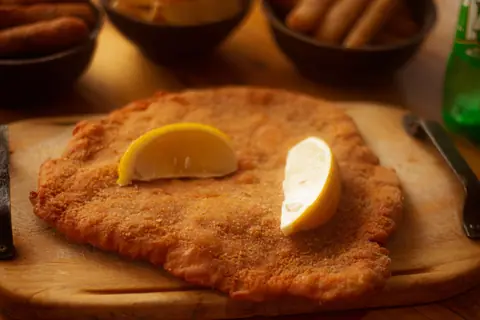
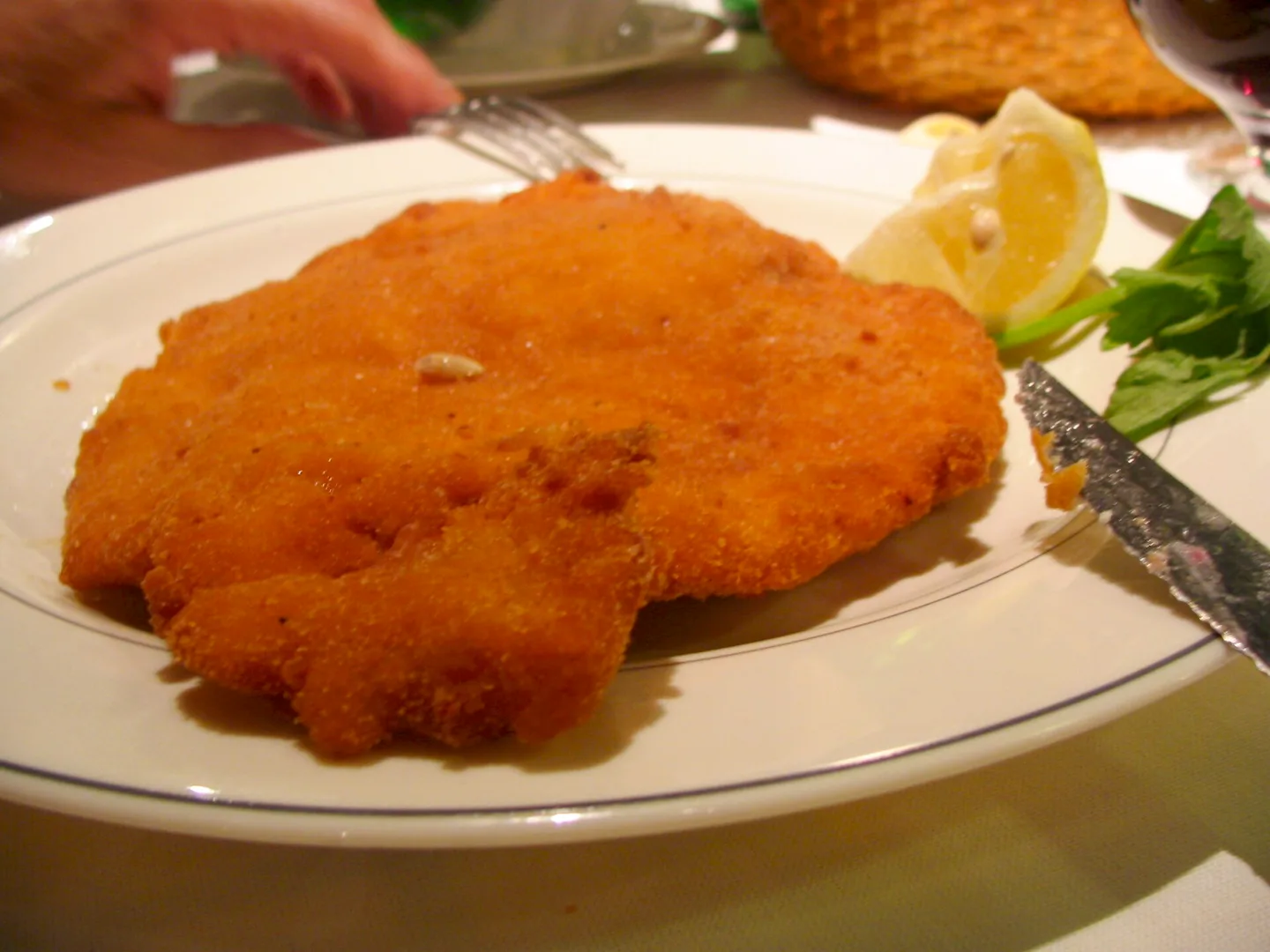
Second courses in the regional repertoire focus heavily on milk-fed veal, hearty pork cuts, and rustic cabbage stews. The cotoletta alla milanese features a bone-in veal chop coated in fine breadcrumbs and fried gently in clarified butter. The exterior turns crisp and golden while the interior meat remains tender and succulent on the bone.
Locals debate whether the bone must remain attached, but traditionalists insist on the thick, bone-in cutlet rather than thin variations. A wedge of fresh lemon often rests alongside the meat, though purists prefer the buttery crust unadorned by acid.
Winter tables frequently welcome cassoeula, a substantial stew combining savoy cabbage with pork ribs, rind, and seasoned local sausages. The vegetables turn soft and sweet from prolonged cooking, soaking up savoury juices from the assorted pork pieces. Steaming yellow polenta complements these robust meat courses, balancing the deep flavours of the rich braising liquids.
| Dish Name | Primary Elements | Traditional Pairing |
|---|---|---|
| Risotto alla Milanese | Carnaroli rice, saffron, marrow, butter | Ossobuco braised veal shank |
| Cotoletta alla Milanese | Bone-in veal chop, egg, breadcrumbs | Roast potatoes or fresh salad |
| Cassoeula | Savoy cabbage, pork ribs, local sausages | Coarse yellow cornmeal polenta |
| Mondeghili | Minced leftover boiled beef, mortadella | Spiced seasonal fruit mostarda |
Casual taverns also prepare mondeghili, which are fried meatballs created originally to avoid wasting leftover boiled beef. Cooks bind the minced meat with stale bread soaked in milk, egg, mortadella, and a hint of fragrant nutmeg.
Aperitivo Culture and Canal Waterways
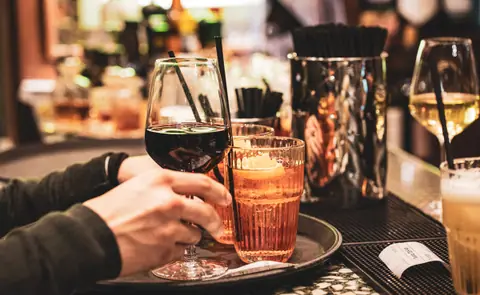
Late afternoon introduces the cherished local ritual of the pre-dinner drink accompanied by savoury bites at neighbourhood counters. Bartenders mix classic bitter drinks, sparkling regional wines, and vermouth as small plates of cured meats fill the tables.
Historic bars around the artistic lanes of Brera serve elegant canapés topped with gorgonzola, walnuts, and cured prosciutto. Moving southward toward the waterways of the Navigli district reveals waterside quays lined with casual dining spots and wine taverns.
- Campari-based drinks provide crisp bitterness that awakens the appetite before hearty dinner dishes.
- Local cheeses like taleggio and creamy gorgonzola appear on wooden boards alongside crusty rolls.
- Toasted focaccia slices topped with lard and fresh rosemary offer warm snacks between sips.
- Pickled vegetables and seasoned green olives cleanse the palate before rich meat courses.
Planning your culinary stops alongside cultural sights like the Last Supper helps balance busy museum hours with relaxing neighbourhood meals.
Festive Panettone and Historic Confectionery
No culinary journey through the city feels complete without exploring its storied bakery counters and holiday sweet breads. Panettone reigns supreme as the tall dome-shaped leavened bread filled with candied orange peel, cedar citron, and sweet raisins. Master bakers cultivate natural mother yeast over several days, allowing the airy dough to rise slowly into delicate pockets.
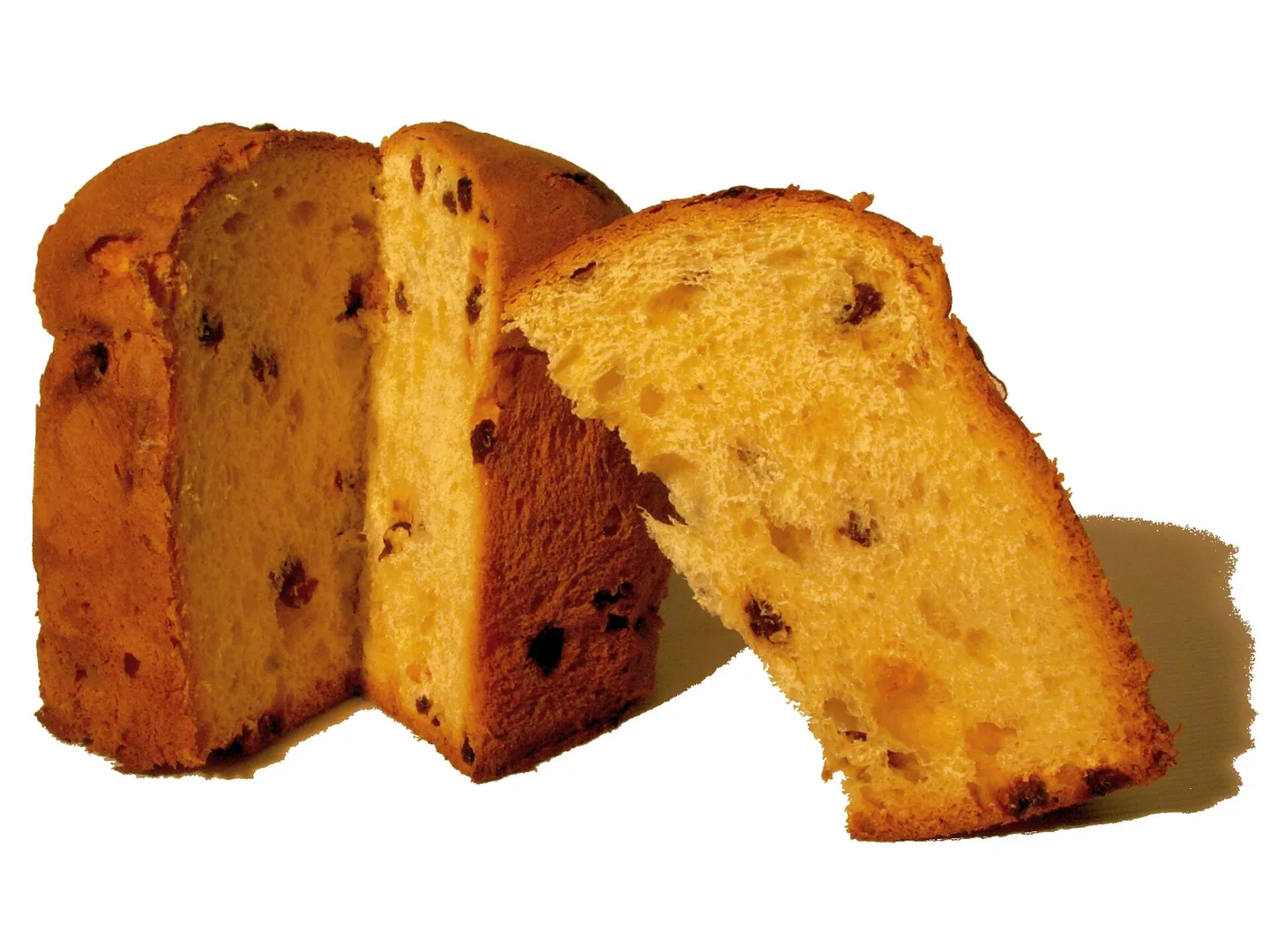
Historic pastry shops display beautifully wrapped loaves throughout the entire winter season, tied with festive ribbons and protective papers. Slices reveal a golden crumb scented with natural vanilla and citrus oils, best savoured alongside sweet sparkling dessert wine.
Morning coffee counters offer delicate brioche pastries alongside rich espresso, setting the pace for workers across wider Milano. Standing at the counter remains standard practice, letting you admire glass cases filled with miniature tartlets, cream horns, and almond biscuits. Taking time to enjoy these pastry arts connects modern travel with generations of dedicated craft.
Official prices and opening hours
- Duomo di Milano (Cathedral, Terraces & Museum)Official site ↗
- Cenacolo Vinciano (Leonardo’s Last Supper)Official site ↗
Where it is
- 1Milanese Culinary Traditions and Historic Dining Quarters
- Milano Linate Airport (LIN) · about 7 km from here in a straight line
- Directions in Google Maps
Stations and taxi ranks: OpenStreetMap. Airports: OurAirports. Distances are in a straight line.
Traveller tips
Real advice from people who have been to Milano. Every tip is read by our team before it goes live.
No tips yet. Been here? Yours could be the first.
Thank you! Your tip will appear here after a quick review.
More in Milano
Continue exploring Milano with related neighbourhood, food, and planning guides