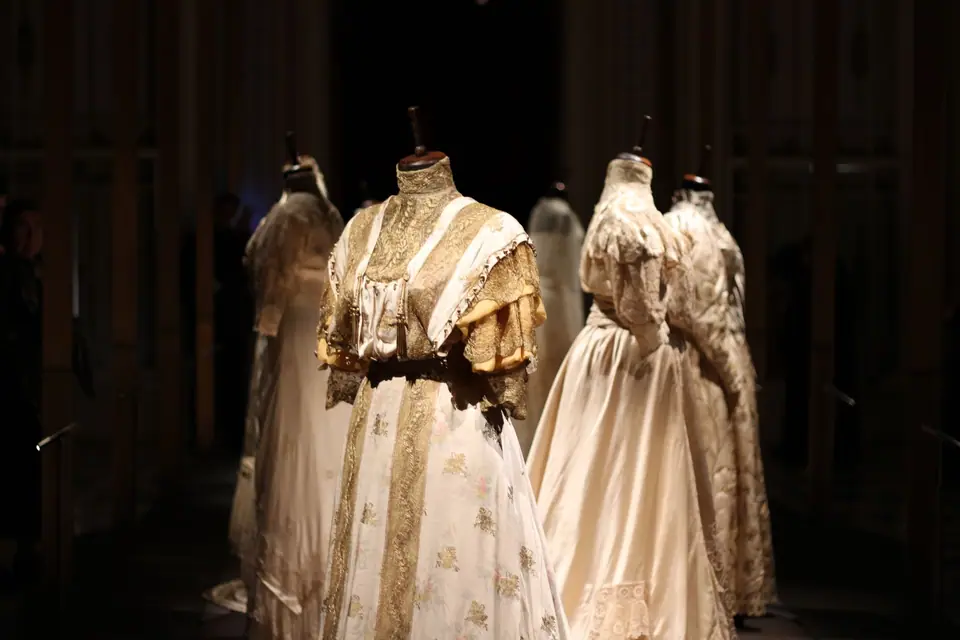
Milan Fashion Museums and Historic Textile Collections
Milan displays centuries of sartorial history through patrician palazzi, archive collections, and contemporary exhibition spaces across its central districts.
Milan holds a deep sartorial heritage rooted in aristocratic tailoring, industrial manufacture, and avant-garde couture. Exploring these collections reveals how local textile crafts evolved from ducal court costumes into international design prominence. Rather than concentrating in one central venue, garments and decorative textiles appear across historic patrician homes, municipal collections, and former industrial complexes. Visitors can trace fine silk brocades, mid-century tailoring, and seasonal design presentations across interconnected urban neighbourhoods.
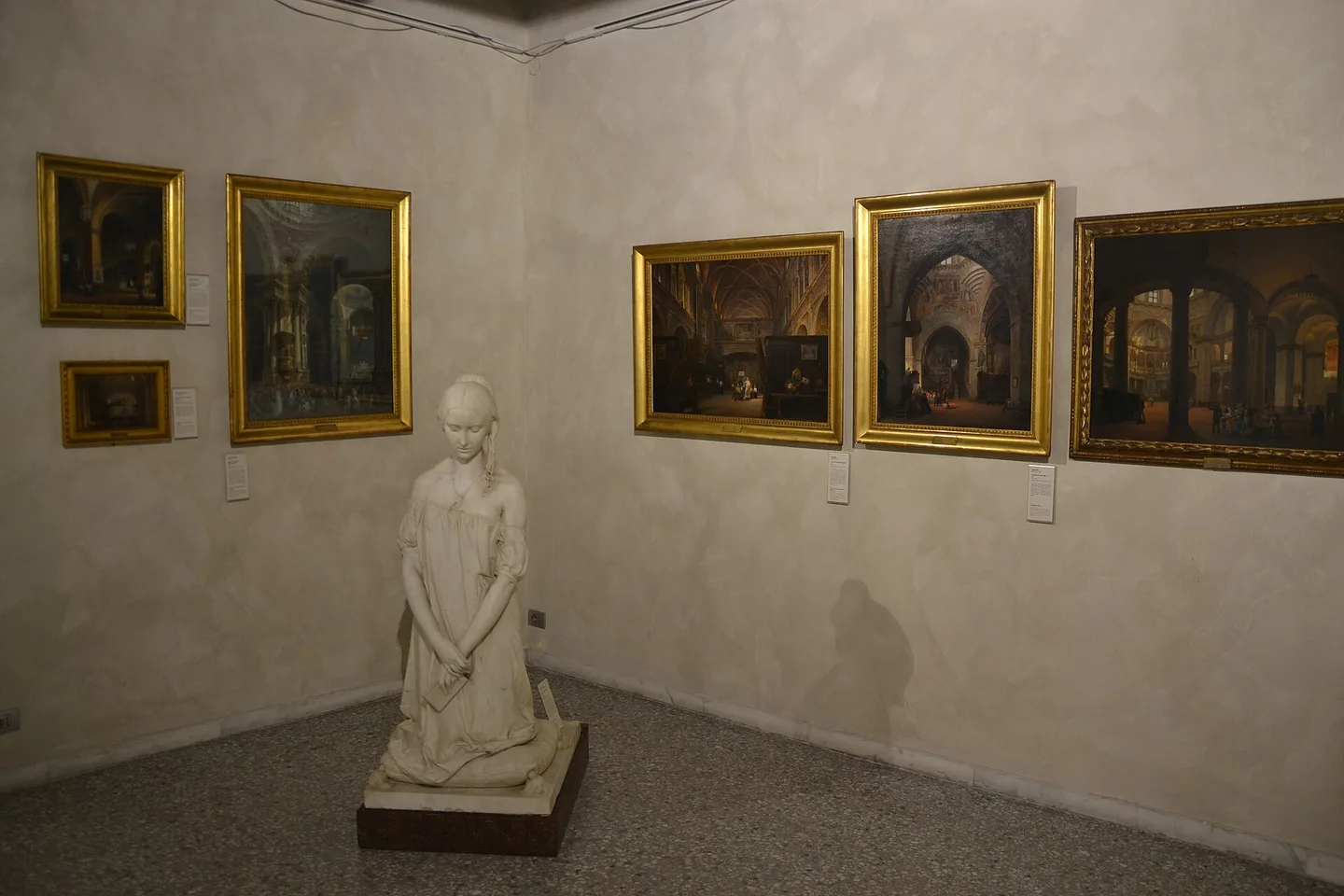
Palazzo Morando stands as a focal point for historic attire within the elegant Quadrilatero della Moda district. Housed inside an eighteenth-century aristocratic residence, the museum unites period art with the municipal collection of fashion and costume. Visitors wander through rooms adorned with original stuccoes and antique furnishings while viewing rare walking dresses, court gowns, and delicate silk accessories. The curated displays rotate regularly to preserve sensitive antique fibres from light fatigue.
The galleries display changes in taste from early regional tailoring to twentieth-century design innovations. Because historical textiles remain vulnerable to environmental conditions, exhibition rooms feature low lighting and strict climate control. A walk through Palazzo Morando connects easily to retail corridors and cultural stops throughout central Milan. The museum presents an intimate view of bourgeois and noble domestic life across changing centuries.
Renaissance Textiles and Castle Wardrobes
At the western end of the historic core, Castello Sforzesco hosts municipal collections that shed light on decorative arts and applied textiles. The monumental fortress once served as the seat of the ruling Visconti and Sforza dynasties. Within its vaulted halls, decorative art galleries hold ancient woven wall hangings, embroidered ecclesiastical vestments, and preserved fragments of early woven silks. These items reveal the opulence of courtly attire long before industrial looms appeared.
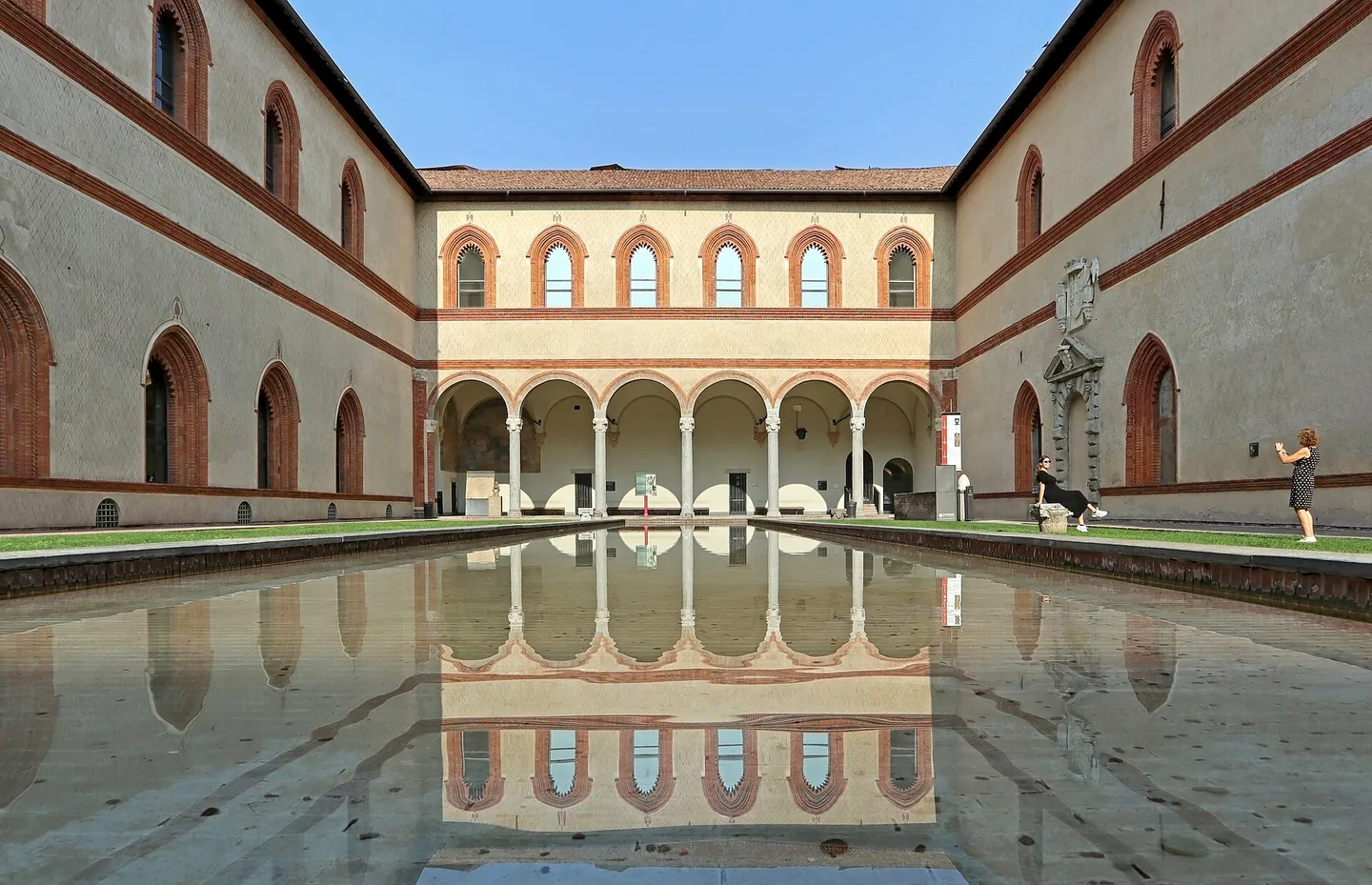
Walking through the courtyards and stone arcades offers context on how Renaissance rulers displayed personal wealth through imported dyes and metallic gold threads. Rare pieces illustrate the skilled weaving techniques that established northern Italy as a premier silk-producing region. Travellers visiting the fortress can pair these textile galleries with artistic routes nearby, including the historic highlights around Leonardo's Last Supper.
The castle rooms emphasise the functional, social, and political significance of luxury clothing in early modern Europe. Heraldic symbols, heavy velvet capes, and delicate lace collars reflected social standing, diplomacy, and alliance. Taking time to study the intricate stitchwork gives a tangible sense of the handcraft that predated ready-to-wear production.
Contemporary Exhibition Spaces and Modern Design
Beyond period dresses, contemporary Milan demonstrates its fashion leadership through striking architectural conversions and dedicated cultural institutions. Former industrial yards and converted warehouses host large-scale thematic retrospectives, photographic showcases, and multimedia apparel installations. Leading fashion houses frequently sponsor these venues to highlight experimental craftsmanship and the dialogue between visual art, cinema, and modern dress.
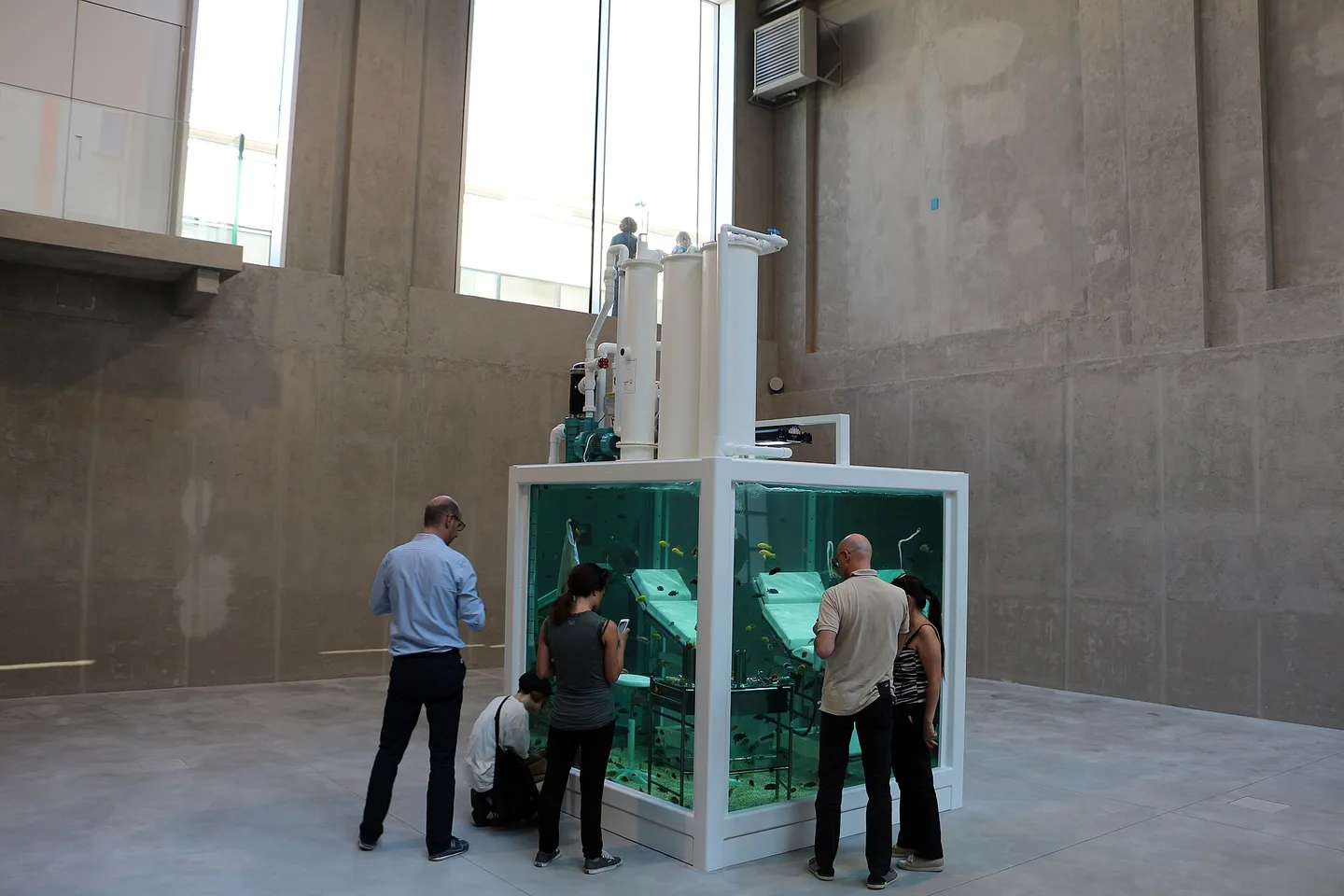
A notable example is Fondazione Prada, located in a transformed former distillery in the southern district. The campus combines early twentieth-century industrial brickwork with modern structures clad in gold leaf and mirrored surfaces. While its primary focus centres on contemporary fine art, the venue frequently stages innovative exhibitions addressing material culture, body architecture, and social uniform.
These contemporary institutions treat modern clothing as a conceptual craft rather than mere commercial merchandise. Temporary installations present rare archival garments alongside architectural models, sculpture, and film projects. Reaching these spaces allows travellers to explore residential zones beyond the tourist core, linking up easily with evening canalside dining in the energetic Navigli quarter.
District Sequences and Walk Planning
Structuring your visits by neighbourhood minimises travel time on the metro and lets you absorb distinctive local character. Pairing historic costume stops with fine art institutions creates a balanced cultural itinerary. For instance, pairing a morning at Palazzo Morando with the classical masterpieces in the nearby Brera district offers a smooth transition between historical painting and textile craft.
| District or Venue | Primary Collection Focus | Recommended Connection |
|---|---|---|
| Palazzo Morando | Eighteenth to twentieth-century fashion and municipal civic art | Quadrilatero shopping avenues and historic city centre |
| Castello Sforzesco | Renaissance court wall hangings, decorative arts, and applied crafts | Parco Sempione grounds and civic art galleries |
| Fondazione Prada | Contemporary art, material studies, and cross-genre installations | Southern tram routes and nearby canal walkways |
To avoid rushing between disparate sites, keep transit connections simple and direct. The metro network links the historic core around the monumental Duomo di Milano to outer creative districts with regular services. Remember that many municipal museums require pre-booked entry slots for special temporary exhibitions. Check timed reservations ahead of arriving during busy autumn fashion weeks.
- Organise your visits by quadrant to avoid crossing the entire city centre repeatedly during busy afternoon hours.
- Wear comfortable footwear suited to stone courtyard pavings and polished parquet floors inside historical palazzi.
- Carry compact day bags because delicate textile galleries restrict large backpacks at entry cloakrooms.
Official prices and opening hours
- Duomo di Milano (Cathedral, Terraces & Museum)Official site ↗
- Cenacolo Vinciano (Leonardo’s Last Supper)Official site ↗
Where it is
- 1Milan Fashion Museums and Historic Textile Collections
- Milano Linate Airport (LIN) · about 7 km from here in a straight line
- Directions in Google Maps
Stations and taxi ranks: OpenStreetMap. Airports: OurAirports. Distances are in a straight line.
Traveller tips
Real advice from people who have been to Milano. Every tip is read by our team before it goes live.
No tips yet. Been here? Yours could be the first.
Thank you! Your tip will appear here after a quick review.
More in Milano
Continue exploring Milano with related neighbourhood, food, and planning guides
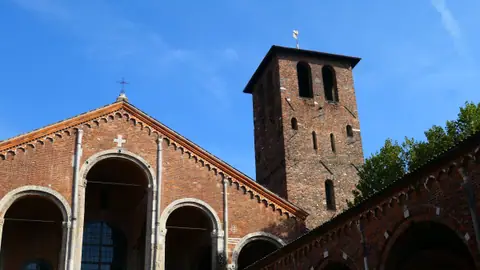
Basilica of Sant’Ambrogio: Milan’s Romanesque Masterpiece
Milano, Italy
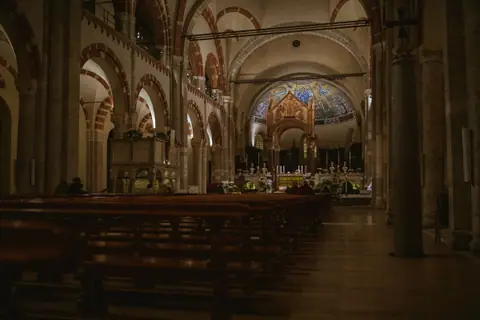
San Maurizio al Monastero Maggiore: Milan Painted Renaissance Sanctuary
Milano, Italy
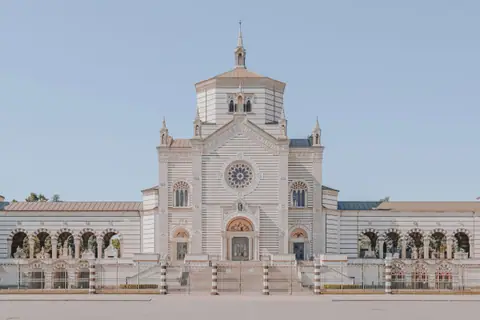
Milan's Monumental Cemetery: Grand Architecture and Outdoor Sculpture
Milano, Italy
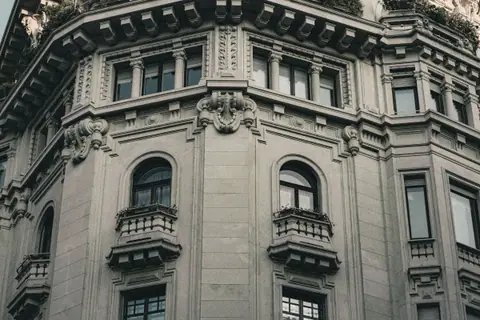
Porta Venezia Neighbourhood Guide: Architecture, Gardens, and Streets
Milano, Italy
