Arriving in Milan: Airport Rail and Metro Connections
Reaching central Milan from regional runways involves direct rail corridors, underground transfers, and clearly signposted interchange concourses across the city.
Navigating Malpensa Terminals and Rail Platforms
Stepping off a flight at Milan Malpensa brings travellers into an expansive international gateway located northwest of the urban core. Clear overhead signs lead straight through customs halls toward underground railway platforms positioned beneath the main passenger terminals. We follow marked walkways that run directly from baggage claim carousels to the airport rail station without needing outside shuttles.
Dedicated airport trains connect terminal platforms directly to the urban centre, offering steady departures throughout standard travel periods. These direct services run north of the city before swinging south toward primary passenger hubs, bypassing highway traffic jams completely. Travellers with rolling cases can easily board carriages level with the platform floor, avoiding steep steps during boarding.
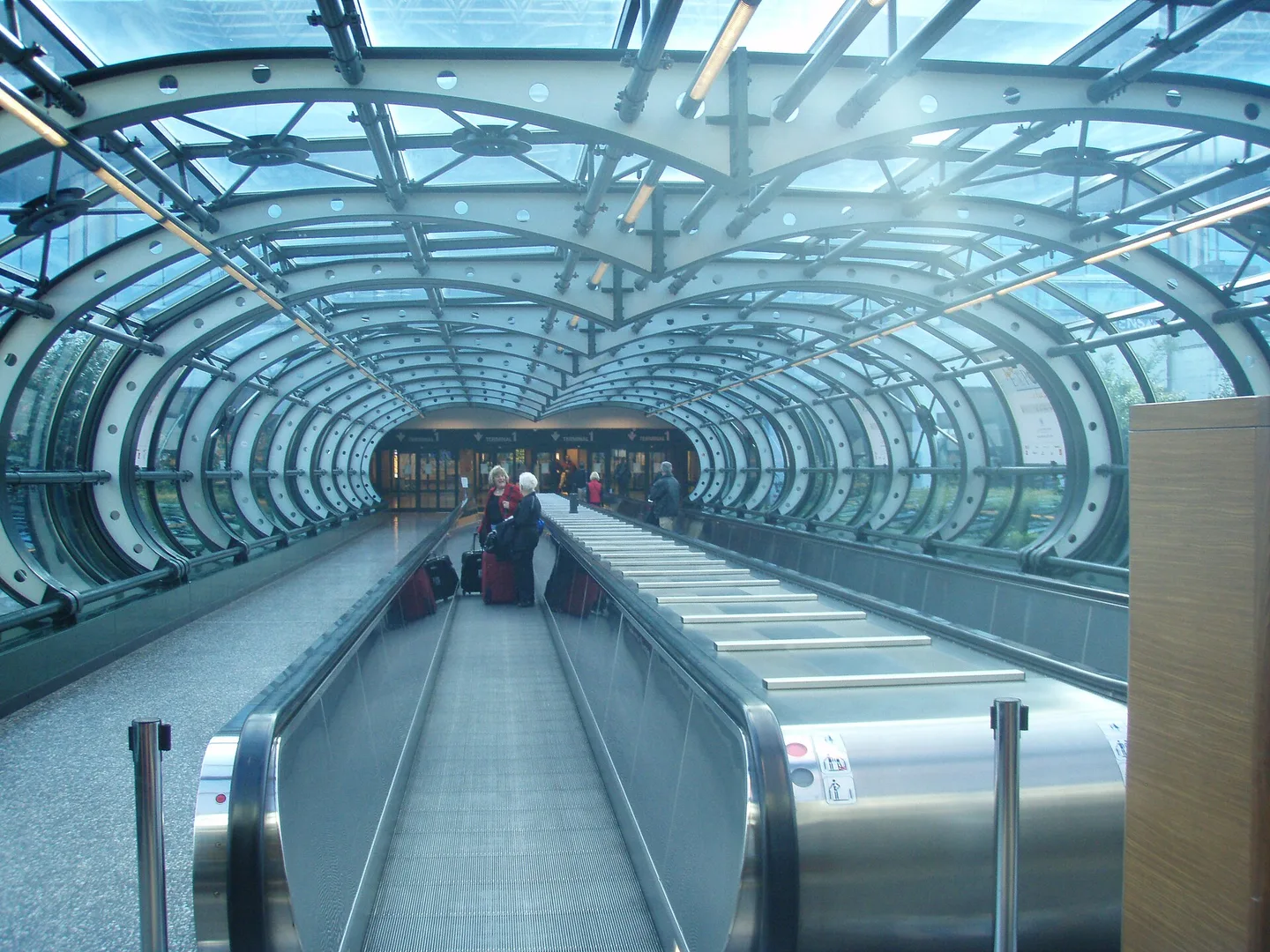
Boarding these rail links requires validating your transport passes at electronic station barriers before descending to track level. Passengers planning onward sightseeing can link directly toward central sights like the Duomo through straightforward underground lines once reaching primary city terminals. Keeping physical travel passes handy prevents bottlenecks at the exit gates.
Milano Centrale as the Regional Interchange
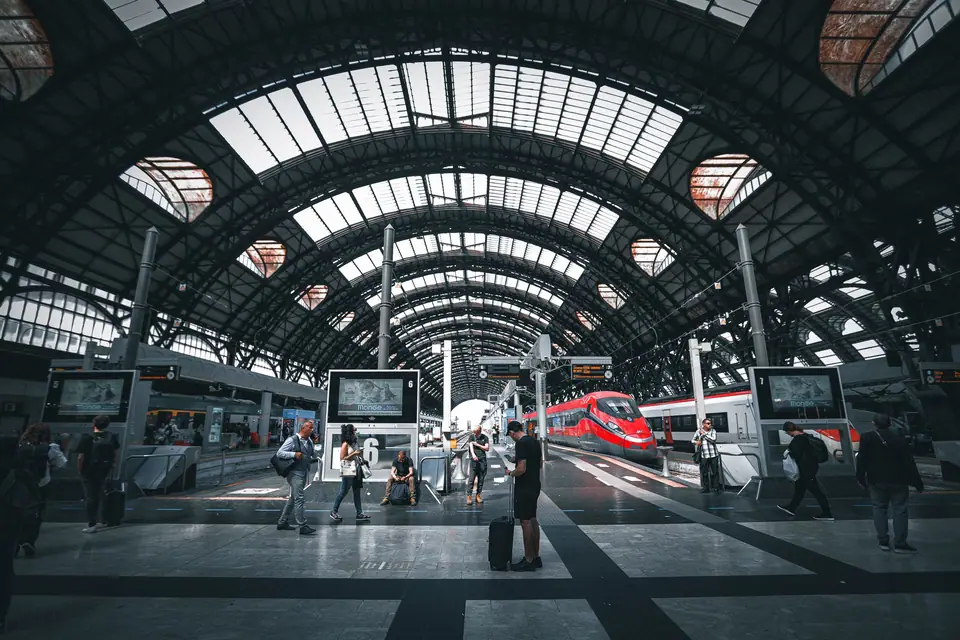
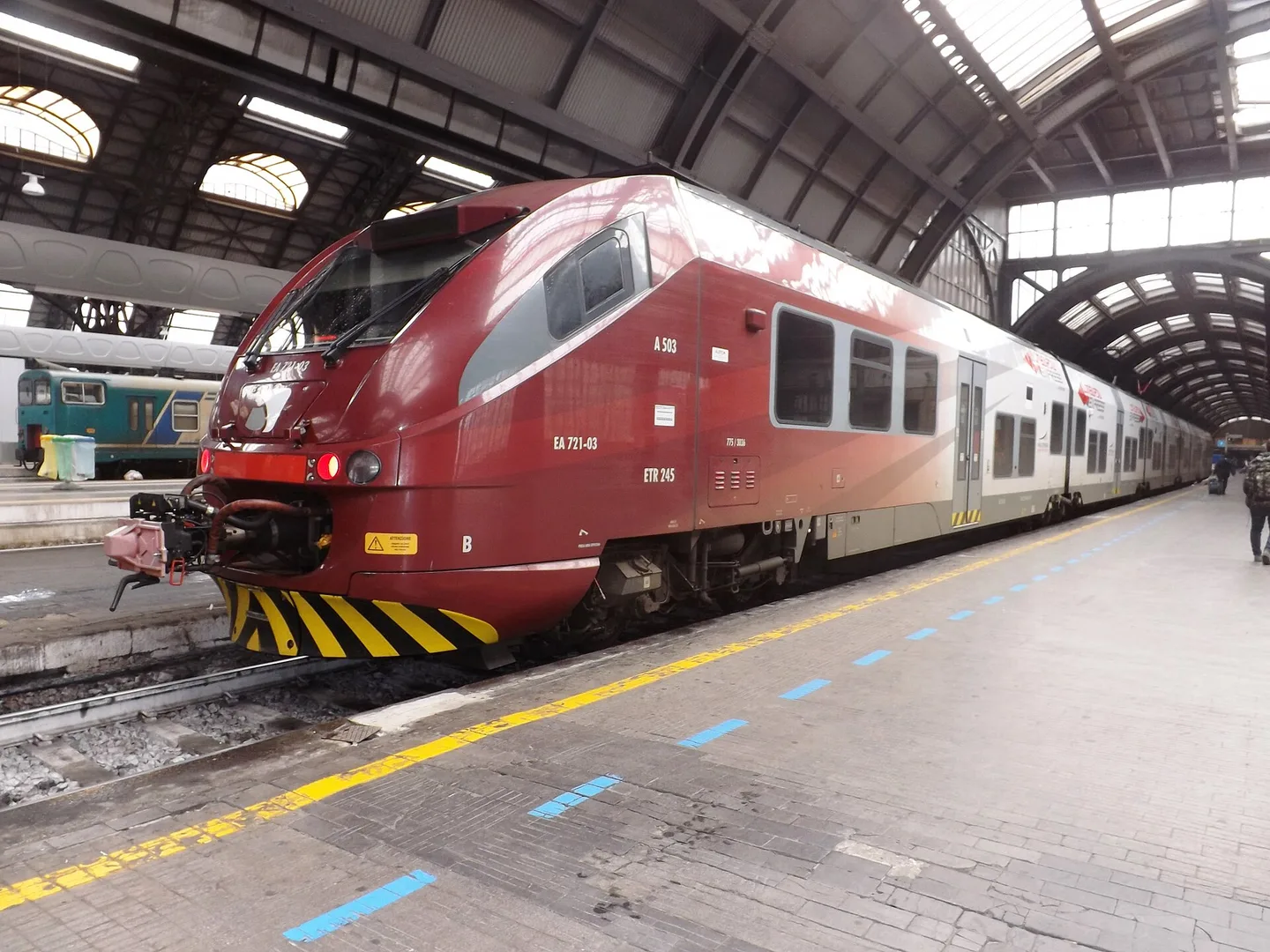
Milano Centrale functions as the primary grand terminus for incoming regional trains, airport shuttles, and long-distance rail lines from across northern Italy. The sweeping arched glass roof covers elevated tracks, where passengers alight directly onto wide stone platforms leading to the main departures concourse. Moving through this massive hall reveals ticket kiosks, newsagents, and central passenger waiting areas.
From the central arrival hall, wide stairwells and moving walkways take arriving passengers down toward street level and connecting underground transit corridors. Signage indicates exits toward broad taxi ranks located outside the lateral wings, keeping vehicular traffic separated from pedestrian flows. Visitors carrying heavier bags can use vertical lifts positioned near lateral track heads to bypass busy staircases.
Milano Centrale also hosts luggage storage facilities, foreign exchange desks, and coffee counters along its ground gallery. Taking time to orient your route before leaving the concourse makes navigating the surrounding neighbourhood around the central station far easier. The station connects smoothly into the wider transport grid of Milano, giving swift transit across every quarter.
Metro Connections Across Central Districts
Beneath the grand surface platforms of the main stations lie extensive underground metro stops that connect directly into urban neighbourhoods. Colour-coded metro signs guide arriving passengers to ticket machines, turnstiles, and subterranean platforms running north, south, and west across the city. Modern indicator screens above each platform display incoming train destinations and countdown minutes clearly.
Travellers heading straight toward cultural stops like Leonardo's Last Supper can interchange directly between major underground lines without ascending to street level. The central lines run frequently, carrying visitors beneath dense commercial avenues directly toward historic parish squares and art galleries. Digital turnstiles accept standard contactless payment cards for swift entry through station fare gates.
For those making their way toward the cobbled lanes of Brera, changing trains at intermediate transfer stations takes only a short walk through well-lit pedestrian corridors. Broad directional arrows painted along concourse walls clarify which tunnel leads to the correct platform edge. Station platforms can become crowded during evening rush periods, so keeping luggage close remains sensible practice.
Arrival Comparisons and Onward Planning
Selecting the right station exit depends largely on which district holds your accommodation or initial sightseeing plan. Walking from station concourses directly into historic districts lets travellers admire nineteenth-century stone facades and local tramways immediately after arrival. The table below outlines how central rail hubs connect into primary urban destinations:
| Arrival Station | Primary Transit Mode | Connecting District | Typical Transfer Focus |
|---|---|---|---|
| Milano Centrale | Direct underground rail | Duomo and city core | Historic centre visits |
| Milano Cadorna | Local metro and walking | Last Supper and west | Cultural gallery access |
| Porta Garibaldi | Suburban rail and metro | Brera and north | Design quarter walking |
After settling into your journey, planning routes southward toward canal districts like Navigli is equally straightforward using surface trams or underground lines. Boarding public transit directly from major rail nodes keeps arrival simple, comfortable, and independent of street congestion across town. Checking station display boards on your day of arrival confirms track assignments and current platform operations.
Official prices and opening hours
- Duomo di Milano (Cathedral, Terraces & Museum)Official site ↗
- Cenacolo Vinciano (Leonardo’s Last Supper)Official site ↗
Where it is
- 1Arriving in Milan
- Milano Linate Airport (LIN) · about 7 km from here in a straight line
- Directions in Google Maps
Stations and taxi ranks: OpenStreetMap. Airports: OurAirports. Distances are in a straight line.
Traveller tips
Real advice from people who have been to Milano. Every tip is read by our team before it goes live.
No tips yet. Been here? Yours could be the first.
Thank you! Your tip will appear here after a quick review.
More in Milano
Continue exploring Milano with related neighbourhood, food, and planning guides