Parco Sempione: Green Paths, Castles, and City Gates
Parco Sempione spreads behind Castello Sforzesco, offering shaded gravel paths, sweeping lawns, and pedestrian links toward neighboring districts.
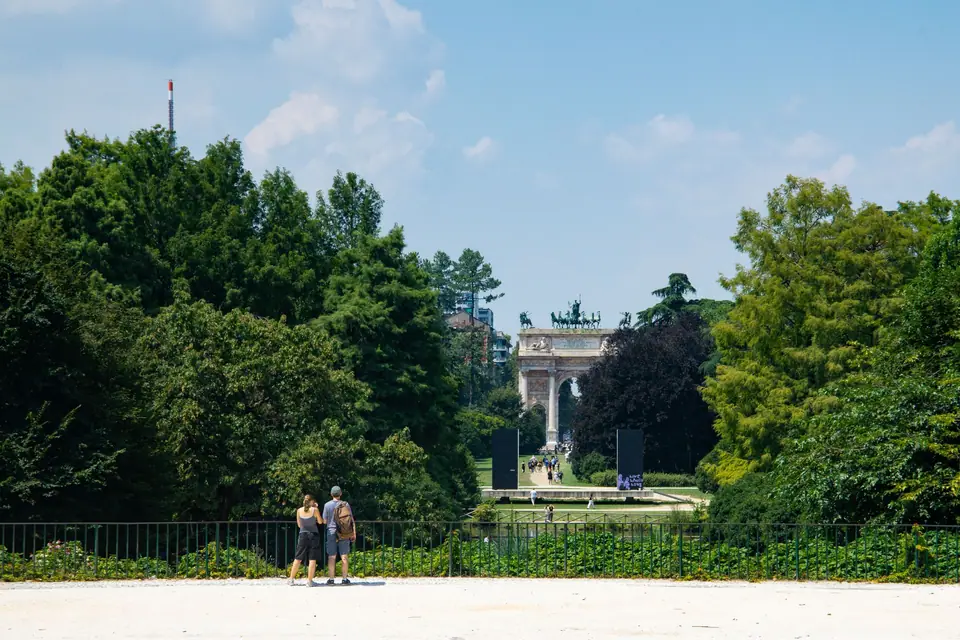
Stepping out from the rear courtyards of Castello Sforzesco reveals an immediate change of pace across the sprawling lawns of Parco Sempione. The park forms a vast green lungs system behind the fortress walls, guiding foot traffic toward the classical frame of the Arco della Pace. Sweeping grass meadows, curved gravel avenues, and tall plane trees define this parkland. The grounds replaced former ducal parade grounds with an English landscape design. Travellers emerging from the stone bastions find calm benches, tranquil duck ponds, and open horizons rarely found elsewhere in central Milano.
The central vista aligns directly through the heart of the park. It creates a theatrical corridor that links medieval fortification to neoclassical marble triumphalism. Wide paths loop gently around ornamental water features, crossed by ornate bridges that draw locals walking dogs and runners completing morning circuits. Benches rest beneath mature canopies, offering sheltered vantage points across rolling turf toward surrounding civic monuments. The park functions as a living communal courtyard where outdoor activity continues steadily throughout every mild afternoon.
Historic architecture surrounds the open fields, forming a natural open-air museum for visitors who prefer walking over confined indoor halls. Broad avenues give way to winding secondary trails lined with thick shrubs and flowering plants. These smaller pathways permit quiet strolls away from the main promenade, allowing visitors to appreciate urban nature within the dense metropolitan centre. Families, reading students, and sketching artists gather under the canopy across warm spring and summer days.
Walking Routes and Connecting Quarters
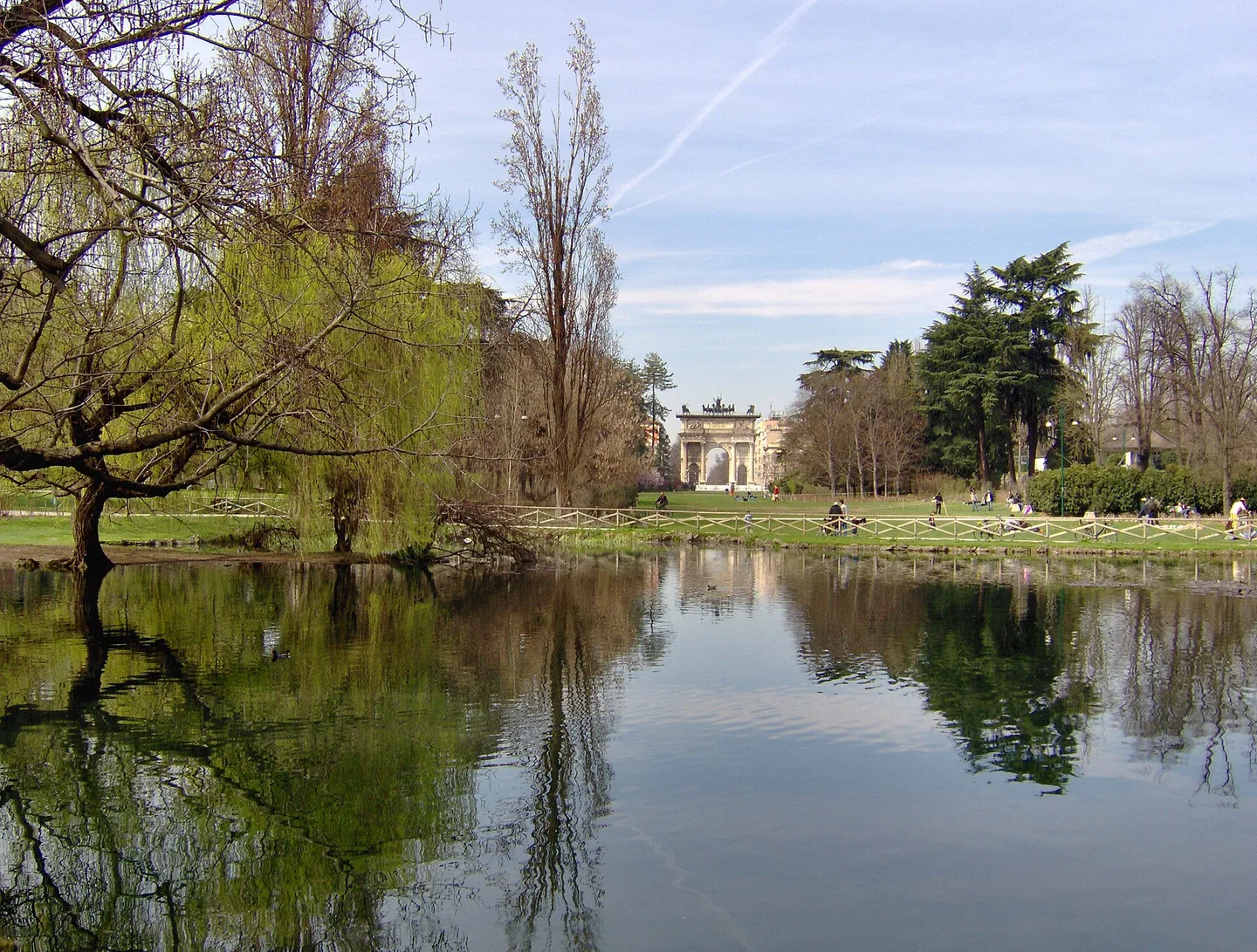
Traversing Parco Sempione allows travellers to string together key city districts on foot without fighting dense urban traffic. Entering through the fortress gates places you on wide tracks that meander past shaded groves before opening onto the western perimeter. A leisurely stroll across the green axis easily connects the artistic lanes of Brera with the lively avenues surrounding the Arch of Peace. Exploring along these winding footpaths reveals quiet clearings set back from the busier cycle corridors.
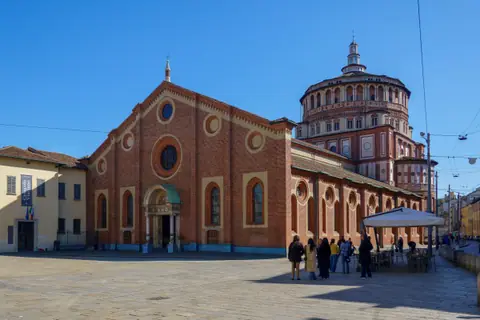
For those planning an efficient walking day, the park acts as a peaceful pause between world-renowned cultural visits. You might spend a focused morning admiring historic art near the Last Supper before escaping into these green spaces for fresh air. Moving slowly across the lawns toward the north-eastern exit leads naturally into adjacent design museums and historic residential quarters. Paved promenades keep footpaths clean and accessible even following sudden northern Italian downpours.
Walking circuits inside the perimeter can easily be tailored to short fifteen-minute wanderings or extended multi-hour explorations. The outer boundary path follows tree lines that buffer city traffic hum, creating an unbroken green ring around the open fields. Pedestrians can diverge toward historic iron bridges, pass secluded duck ponds, and emerge directly into lively dining quarters bordering Corso Sempione. This pedestrian permeability makes the park an essential connector for daily neighbourhood commutes and weekend sightseeing.
| Park Section | Visual Anchor | Connecting District |
|---|---|---|
| Castello Gateways | Fortress Bastions and Moat | Centro Storico and Cairoli |
| Central Lawns | Ornamental Pond and Bridges | Triennale and Sempione Axis |
| Northern Terminus | Arco della Pace Arcades | Corso Sempione Cafes |
| Eastern Edge | Arena Civica Perimeter | Brera Gallery Streets |
Landmark Structures Across the Grounds
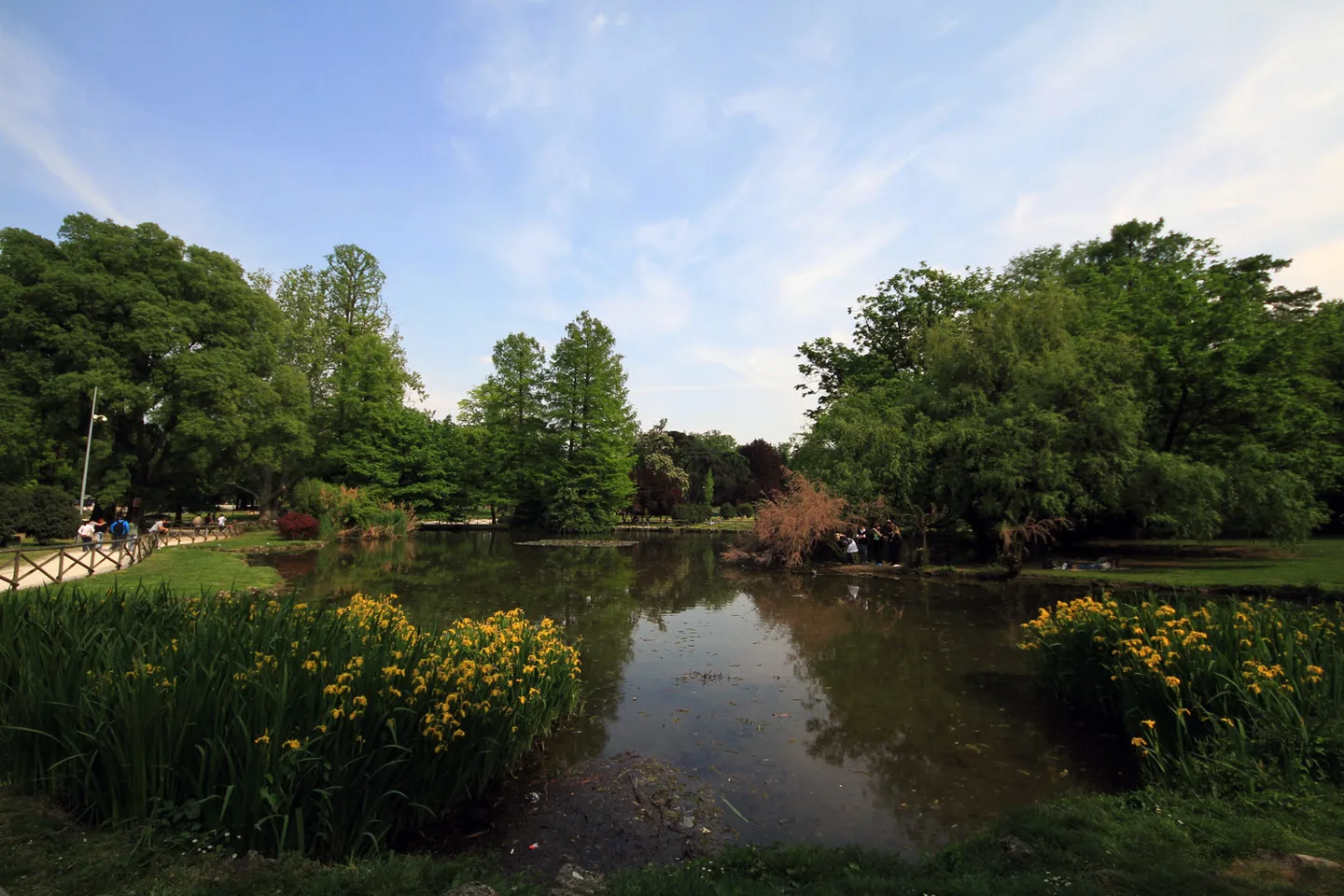
Scattered throughout the woodland belts stand several notable civic and cultural pavilions that give the grounds distinct architectural character. The striking open amphitheater of the Arena Civica frames the eastern boundary, recalling grand public spectacles and running events from earlier centuries. Nearby, contemporary cultural spaces host dynamic exhibitions, while ornamental metal pavilions give shaded places to pause and read. Each structure reflects a different chapter of urban development, integrated thoughtfully among mature beech, oak, and pine plantings.
- Central Lake bridges offer open views of swimming ducks and castle turrets.
- Arena Civica borders present grand neoclassical stone stands along running lanes.
- Arco della Pace terminus creates a dramatic backdrop for evening gatherings.
- Castello Sforzesco rear gardens supply sheltered walkways close to stone ramparts.
Approaching the far end brings travellers to the Arco della Pace, where open pedestrian plazas invite long evenings of conversation. Outdoor cafes line the avenues radiating beyond the monument, providing pleasant perches after an hour under tree cover. Walking between these varied focal points reveals why the park remains so beloved among neighbourhood residents and visiting sightseers alike. Its spacious borders absorb large gatherings while preserving sheltered pockets for solitary quietude.
Sculptural monuments and commemorative fountains dot the lawns between the botanical groves. Modern design institutions border the park grounds along the southwest edge, blending mid-century Italian design with parkland vistas. Visitors can climb scenic lookout points or relax along manicured edges where sculptures interact with natural light. The balance of architecture and nature reflects the nineteenth-century civic ambition to build a public ground accessible to every citizen.
Seasonal Rhythm and Transit Access
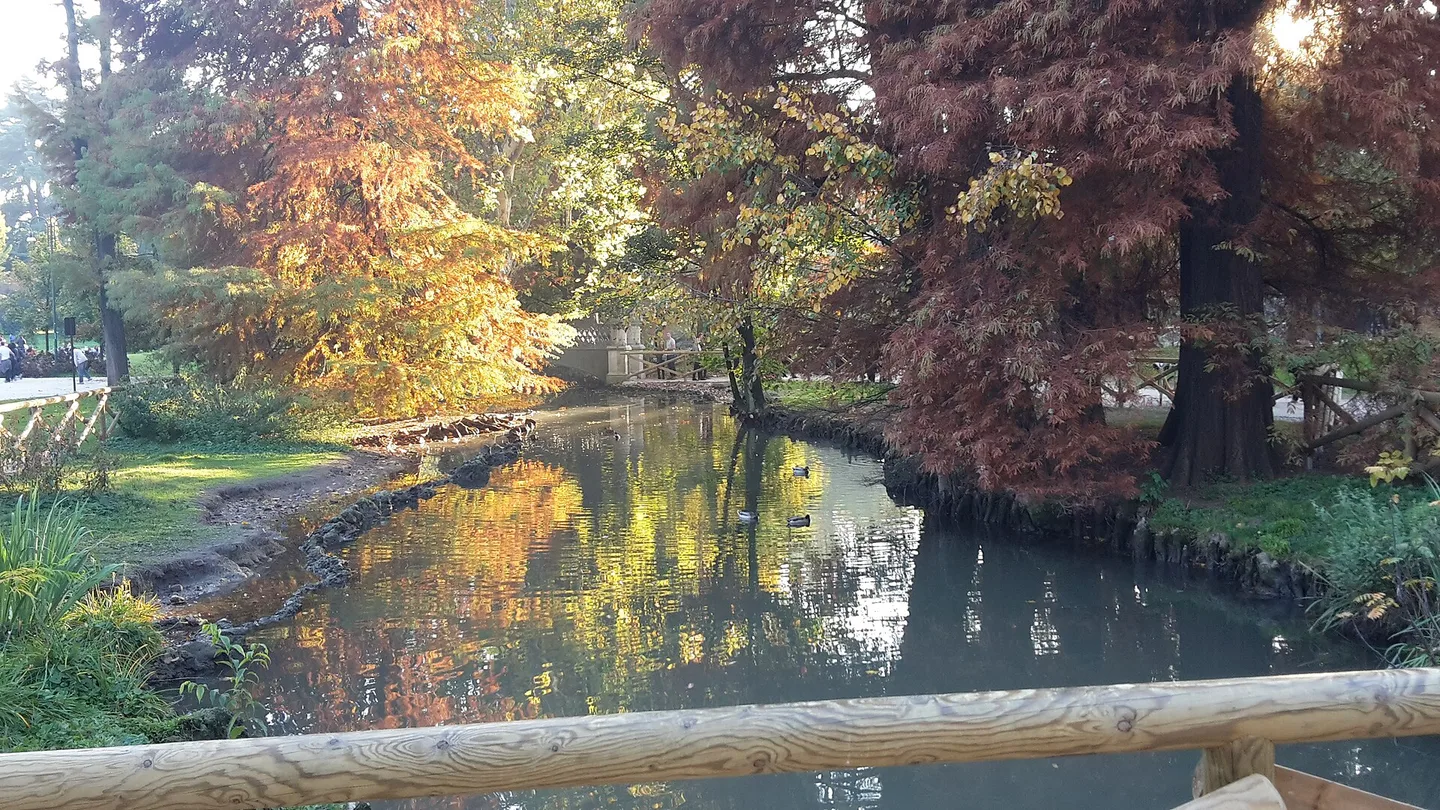
Changing seasons bring marked transformations to the greenery, from spring blossom clusters to golden autumnal canopies across the grand avenues. Summer brings cooling shade under leafy tree branches, drawing crowds to the grass meadows for afternoon resting between sightseeing stops. During winter, clear crisp skies provide striking views through bare branches toward the distant skyline and surrounding historic facades. Whatever the month, the grounds offer a refreshing outdoor contrast to crowded interior galleries.
Reaching the park grounds is remarkably straightforward, with multiple underground metro stations situated near the perimeter entrances. Stops at Cairoli, Cadorna, and Lanza deposit passengers mere steps away from the fortress gateways or eastern garden tracks. Travellers heading outward can board connections toward the Duomo or continue south toward the lively canals of Navigli. Clear directional signage along every major path makes navigation through the park simple, safe, and intuitive.
Morning visitors often experience the grounds at their calmest, sharing early sunlight with local joggers and garden maintenance crews. As mid-afternoon approaches, students and office workers fill the stone benches and green knolls for informal picnic lunches. By sunset, golden light catches the marble relief of the Arco della Pace, drawing photographers and walkers to celebrate the close of the day. This reliable daily cycle gives Parco Sempione its enduring appeal as Milan's true outdoor salon.
Official prices and opening hours
- Duomo di Milano (Cathedral, Terraces & Museum)Official site ↗
- Cenacolo Vinciano (Leonardo’s Last Supper)Official site ↗
Where it is
- 1Parco Sempione
- Milano Linate Airport (LIN) · about 8 km from here in a straight line
- Directions in Google Maps
Stations and taxi ranks: OpenStreetMap. Airports: OurAirports. Distances are in a straight line.
Traveller tips
Real advice from people who have been to Milano. Every tip is read by our team before it goes live.
No tips yet. Been here? Yours could be the first.
Thank you! Your tip will appear here after a quick review.
More in Milano
Continue exploring Milano with related neighbourhood, food, and planning guides