Porta Romana Guide: Streets, Culture, and Local Rhythm
Calm residential avenues surround the historical city gate of Porta Romana, framing a thriving contemporary arts scene.
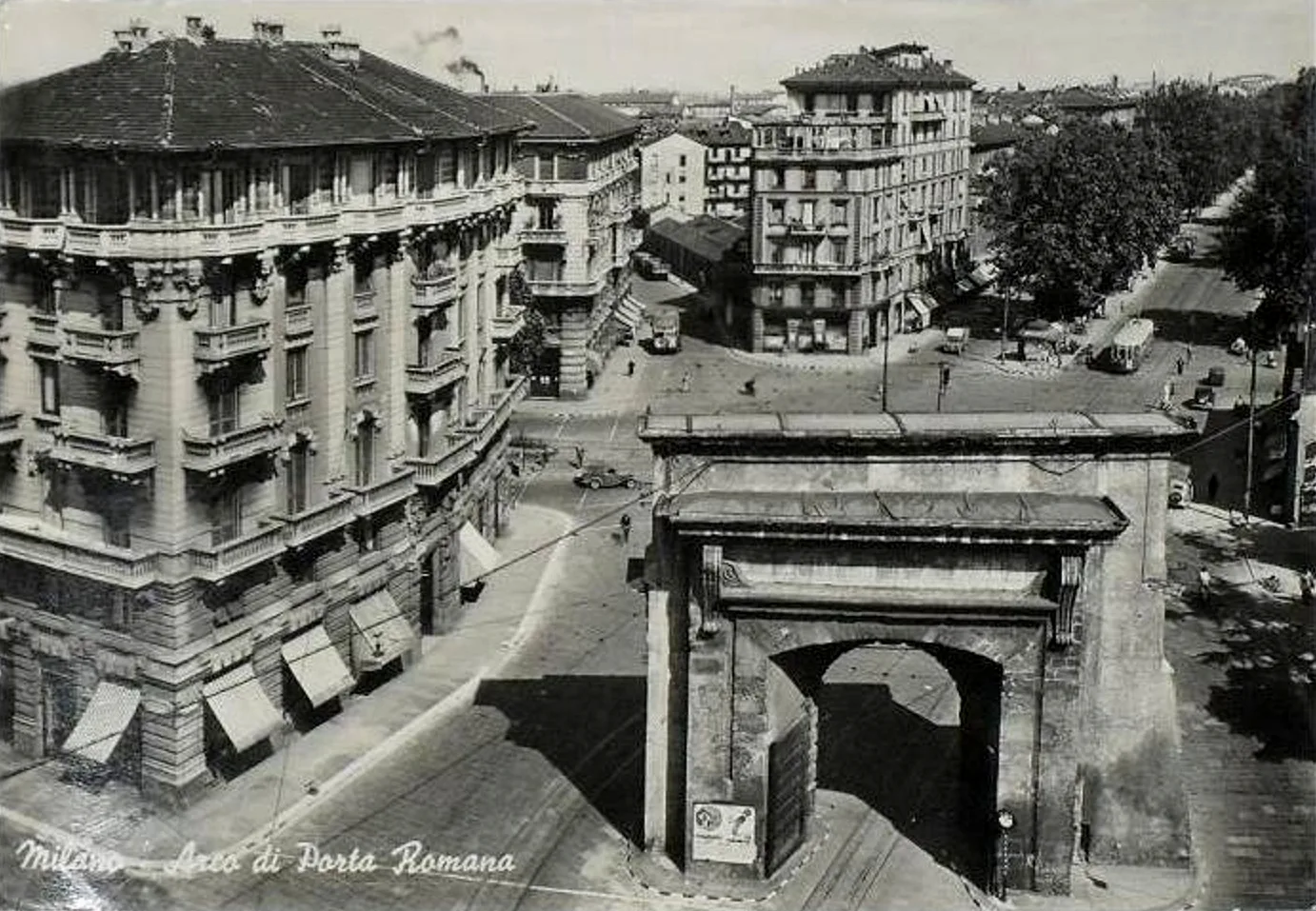
Porta Romana offers an authentic window into residential Milanese life, balancing historic stone gates with creative urban revival. Located just south of the inner ring, the neighbourhood attracts visitors seeking neighbourhood trattorias, contemporary art venues, and peaceful tree-lined avenues. Arriving via the yellow underground line drops you straight into Piazza Medaglie d'Oro, where the grand Spanish gateway commands the crossing. From this central node, local streets radiate outward towards residential courtyards, artisan workshops, and lively evening aperitivo counters.
Navigating the Southern Quarter and Metro Connections
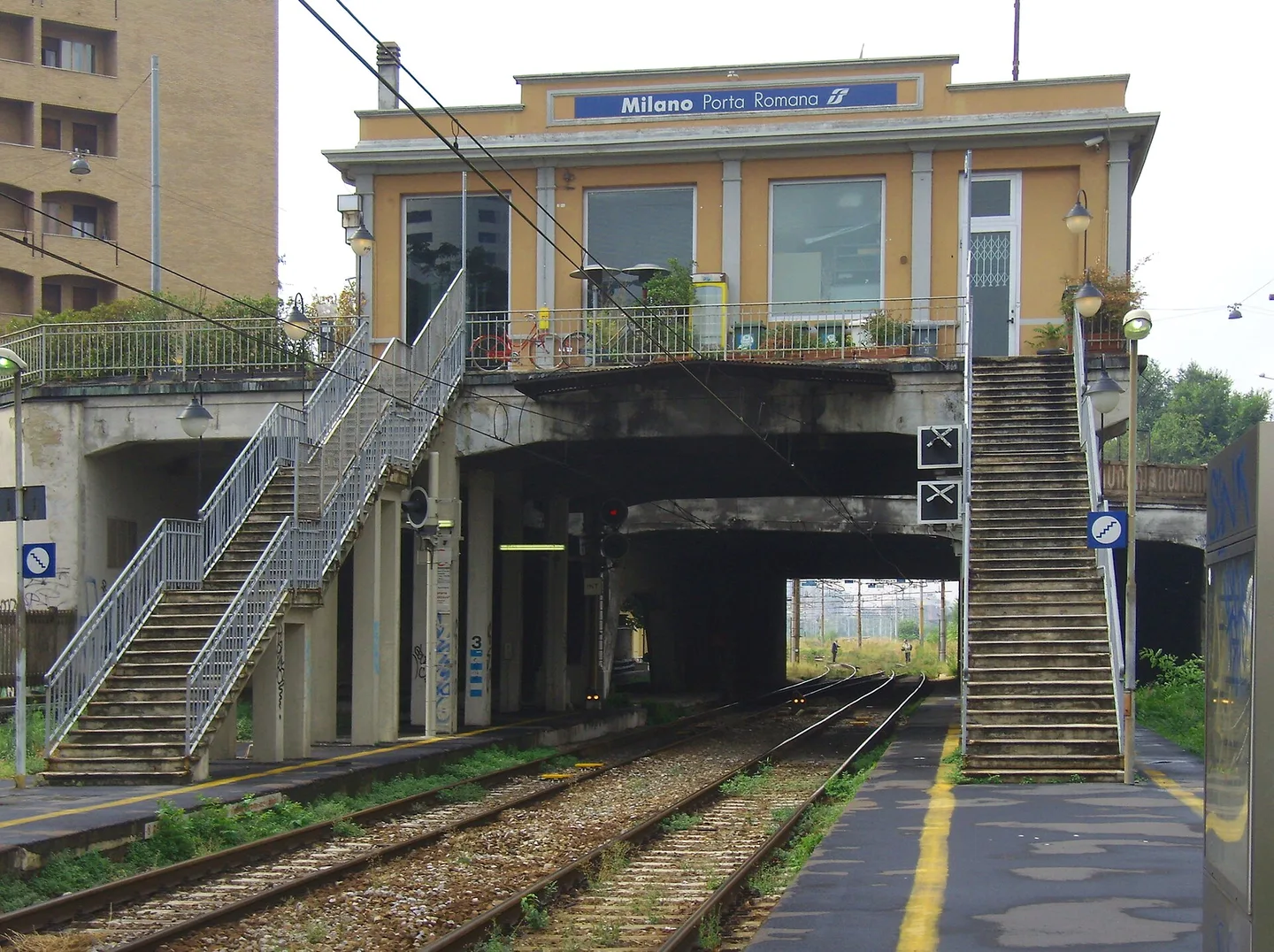
Getting around the district remains straightforward due to reliable public transit connections. The yellow metro route links directly north toward Duomo, letting you reach the central marble cathedral square within a few brief stops. Surface trams cut through the main avenues, offering slower scenic journeys across cobbles and leafy pavements. Meanwhile, local rail connections serve commuters travelling across the wider metropolitan network.
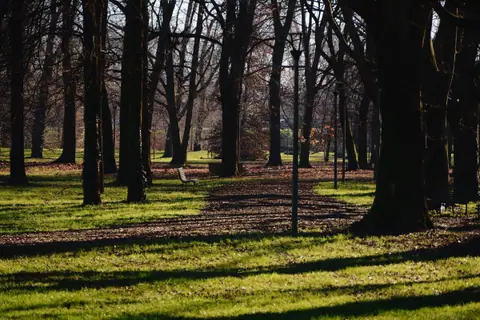
Walking along Corso di Porta Romana allows you to absorb daily street life at an unhurried pace. Delicatessens showcase fresh cheeses and cured meats, while bookshops sit beside local bakeries serving morning brioche. Compared to busier retail boulevards, foot traffic here consists primarily of university students, resident families, and dogs out for daily strolls. Bicycles glide along dedicated lanes, connecting the core to modern creative hubs further south.
Architectural Character from the Monumental Gate to Quiet Alleys
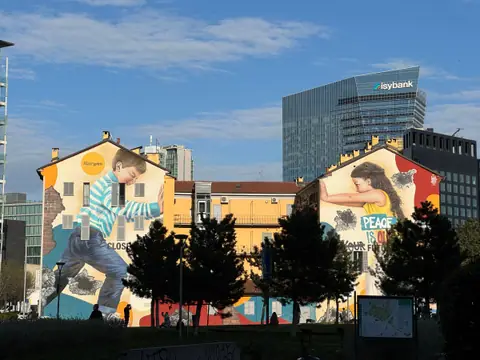
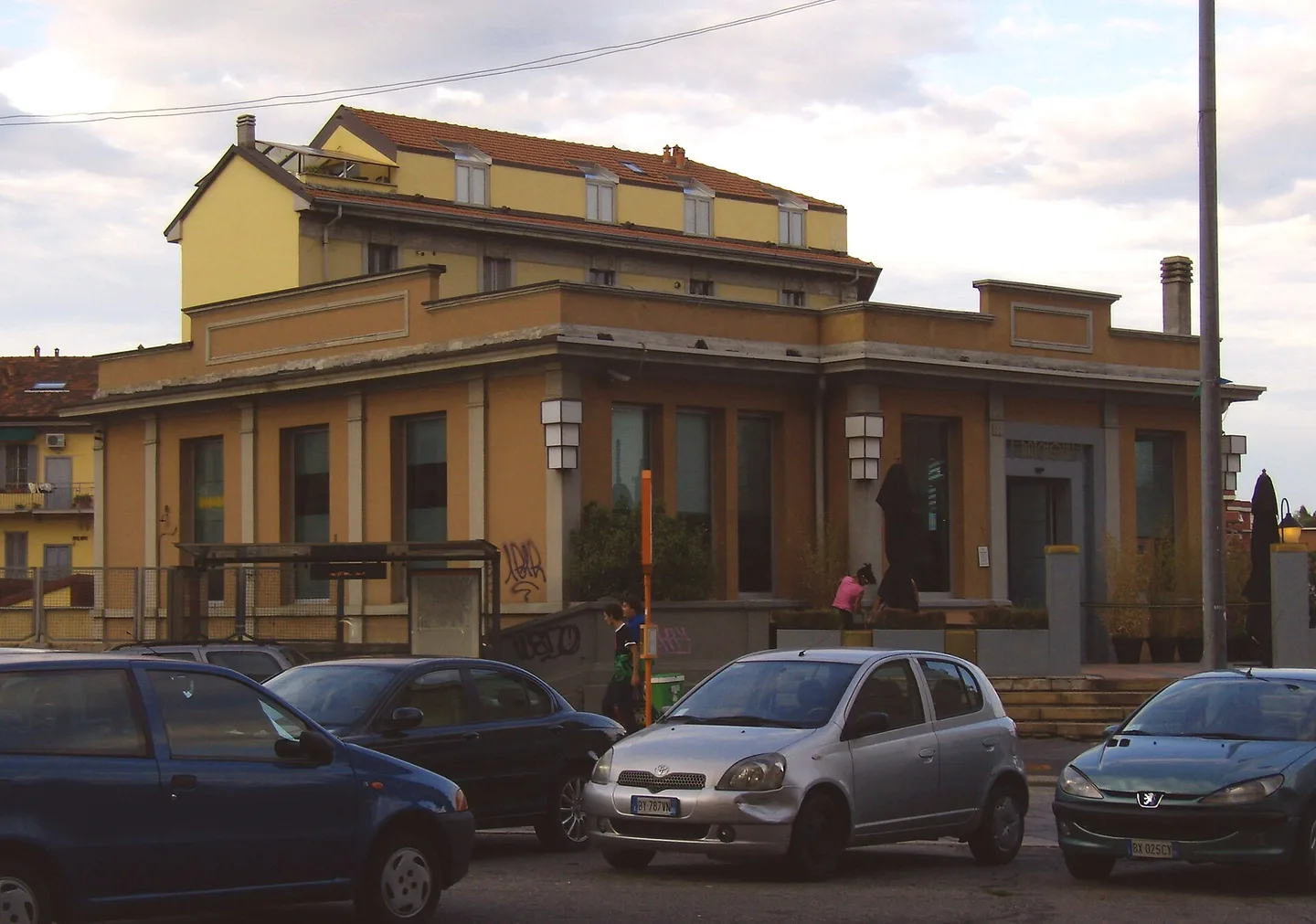
The architectural story of this district shifts markedly as you wander southwards. Ancient Spanish walls once bounded the quarter, and remnants of these brick fortifications still stand along certain thoroughfares. Grand nineteenth-century apartment buildings flank the primary avenues, featuring wrought-iron balconies and grand internal courtyards typical of Milanese domestic architecture. Moving into side lanes reveals stuccoed facades in muted ochre and terracotta shades, sheltering quiet courtyards away from traffic hum.
To understand the distinct characters of the local areas, consider how different pockets serve varying travellers:
- Piazza Medaglie d'Oro: Transit hub with historic stone gates, thermal baths, and classic cafés.
- Corso di Porta Romana: Elegant residential spine filled with family bakeries and wine bars.
- Southern Industrial Edge: Repurposed warehouses hosting cutting-edge galleries and design studios.
- Via Muratori: Popular evening strip lined with modern bistros and relaxed dining spots.
Each corner preserves a distinct mood, inviting leisurely exploration away from commercial crowds.
Contemporary Art, Thermal Baths, and Dining Enclaves
Culture in this district extends well beyond historical monuments. At the southern frontier, an expansive former distillery now houses Fondazione Prada, a globally renowned complex dedicated to contemporary art and cinema. Its shimmering gold leaf tower and industrial concrete exhibition halls host rotating displays by major international creators. After admiring modern installations, many travellers link back towards the waterways of Navigli for drinks by the canals.
Closer to the historic gate, ancient brick ramparts enclose QC Termemilano, an urban spa featuring heated outdoor pools and bio-saunas built right beside Roman stone fragments. The contrast between steaming water and weathered brickwork makes it an unusual place to unwind after long city walks. When dinner approaches, Via Muratori and surrounding side streets come alive with natural wine bars and inventive local osterias. Food lovers find authentic pasta dishes, risotto, and modern interpretations of classic Lombard fare without tourist pretension.
Walking Sequences and Connecting to Central Milano
A well-planned walking loop lets you experience both heritage and innovation in a single afternoon. Starting at the Spanish gate, head south along the railway perimeter to visit design showrooms and contemporary art spaces. After exploring modern gallery halls, retrace your route northward through quieter residential streets to discover hidden neighbourhood gardens and independent fashion boutiques. This circuit highlights the district's gradual transformation from working-class rail hub into a creative powerhouse.
Those wishing to combine cultural highlights can head northwest towards the historic galleries of Brera's cobbled art lanes. Advance tickets also unlock Leonardo's Last Supper across town at Santa Maria delle Grazie. Porta Romana serves as a restful base to return to each evening. Quiet corners hold casual wine bars, late tram lines, casual trattorias, and welcoming local dining rooms. Shaded side streets offer a calm nightly pause after long cathedral walks across central squares.
Official prices and opening hours
- Duomo di Milano (Cathedral, Terraces & Museum)Official site ↗
- Cenacolo Vinciano (Leonardo’s Last Supper)Official site ↗
Where it is
- 1Porta Romana
- Milano Linate Airport (LIN) · about 6 km from here in a straight line
- Directions in Google Maps
Stations and taxi ranks: OpenStreetMap. Airports: OurAirports. Distances are in a straight line.
Traveller tips
Real advice from people who have been to Milano. Every tip is read by our team before it goes live.
No tips yet. Been here? Yours could be the first.
Thank you! Your tip will appear here after a quick review.
More in Milano
Continue exploring Milano with related neighbourhood, food, and planning guides