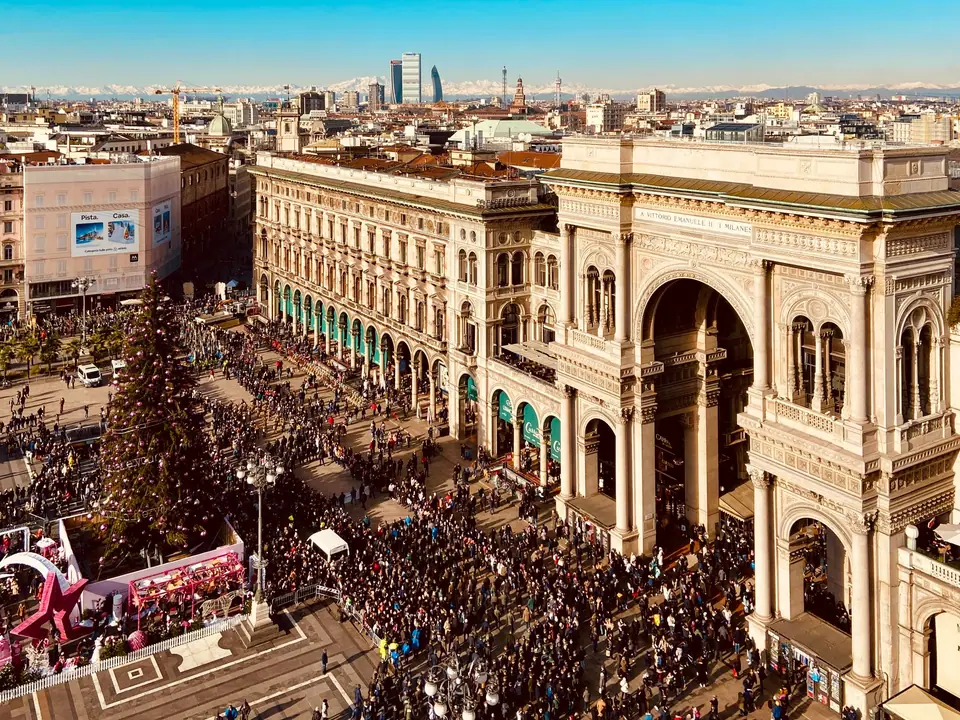
Milan Retail and Fashion Streets
Diverse shopping avenues, design arcades, and independent boutiques fill historic neighbourhoods of Milan.
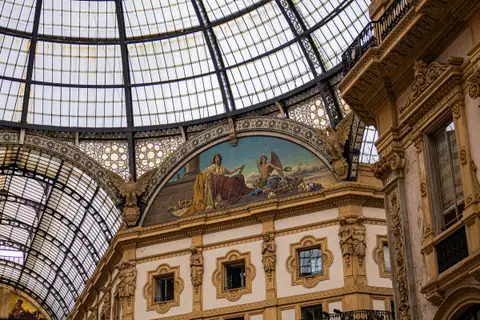
Retail geography in this northern metropolis centres around distinctive historic pockets rather than a single sprawling commercial zone. We begin our strolls beside the central marble landmark, where the grand nineteenth-century glass-vaulted Galleria Vittorio Emanuele II connects public squares. Travellers who admire the sweeping architecture of the Duomo di Milano can step directly into these ornate corridors. The walkways feature heritage flagships, traditional bookshops, and polished café counters.
A short walk northwards leads into the prestigious fashion quadrangle, defined by narrow paved passages and discreet internal courtyards. Streets such as Via Monte Napoleone, Via della Spiga, and Via Sant'Andrea gather Italian luxury houses beneath restored neoclassical facades. Here, tailored garments, leather goods, and bespoke window displays line quiet pedestrian lanes. Strolling through these refined blocks offers an unhurried perspective on traditional northern tailoring houses, family glove makers, and custom shoemakers.
The central retail grid remains compact enough for easy on-foot navigation between historical sights and shopfronts. Visitors can transition smoothly from heritage monuments into pedestrian shopping alleys without relying on ground transport. Quiet garden courtyards sit just behind heavy timber palace gates, letting walkers step off main streets into calm cloistered settings between showroom stops.
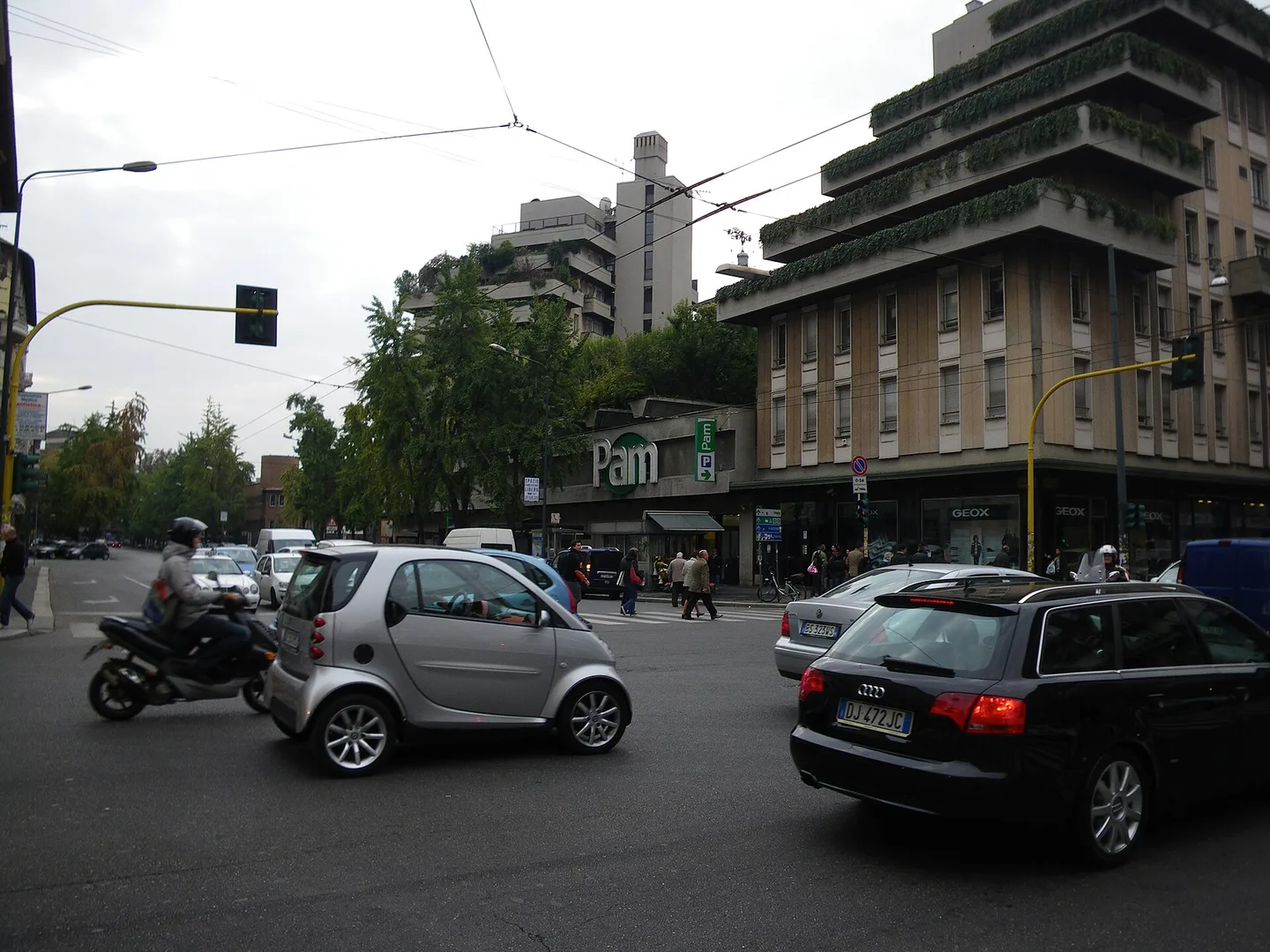
High Street Boulevards and Mass Retail
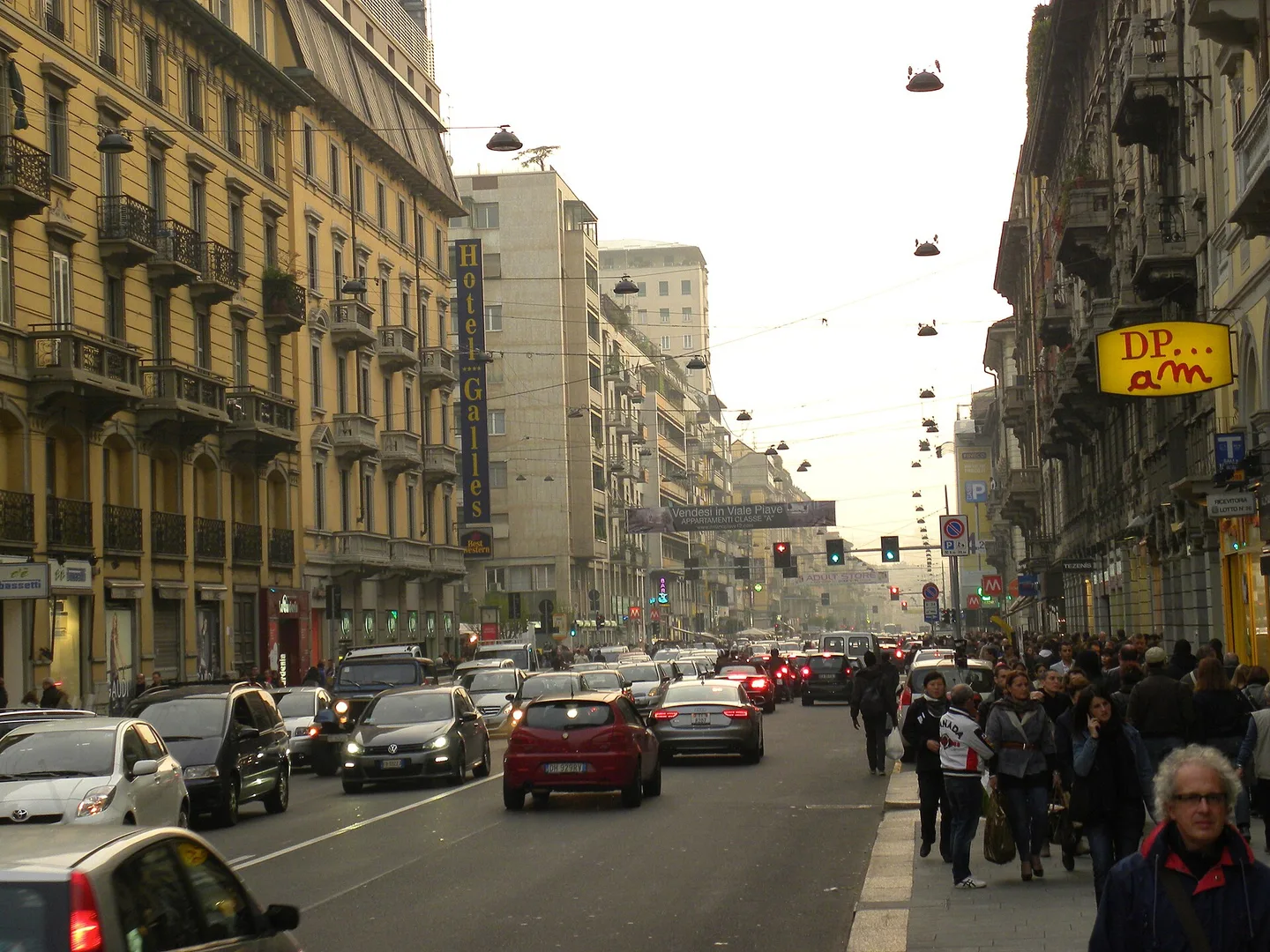
Beyond the elite fashion grid, the urban layout shifts towards expansive thoroughfares packed with international apparel brands and domestic department stores. Corso Buenos Aires runs as a massive commercial artery north-east from Porta Venezia, presenting kilometres of continuous shopfronts. We find casual clothing, footwear chains, luggage purveyors, stationery houses, and large bookshops lining both sides of this energetic avenue.
Shoppers navigating this strip benefit from regular underground stops spaced along the red metro line, allowing easy access without walking the entire avenue on foot. Pavements remain wide, though afternoon crowds gather heavily around prominent cross-streets such as Piazza Lima. Sidewalk cafés and shaded benches provide pleasant intervals to rest during long walking routes.
Side streets branching off the main boulevard offer quieter dining spots, artisan bakeries, and neighbourhood espresso bars. These residential crossways allow pedestrians to escape the heavy foot traffic along the central commercial strip while still staying close to direct metro portals.
Artisanal Quarters and Independent Design
Leaving the commercial boulevards behind, alternative neighbourhoods reveal a quieter retail atmosphere characterised by small workshops and local studios. The cobbled alleys of Brera's historic art quarter house niche perfumeries, stationery specialists, botanical print sellers, and fine art supply dealers. Exploring these stone lanes reveals historic courtyard boutiques that focus on small-batch fashion and distinctive ceramic homeware.
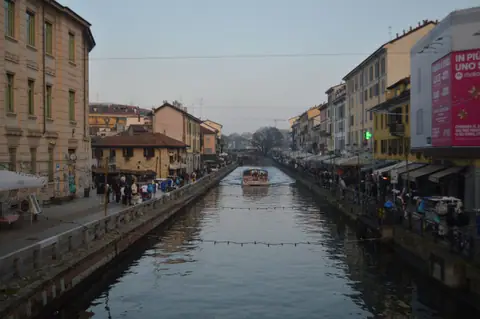
Further south, the waterfront atmosphere of Navigli's lively canal basin hosts weekend flea markets, vintage clothing vendors, and artisan jewellers beside historic towpaths. Browsing here feels relaxed and personal, with independent makers frequently staffing their own shop counters.
Artisan workshops in both districts maintain long traditions of hand-crafted goods, vegetable-tanned leather accessories, and bound paper notebooks. Visitors can watch craftspeople working on custom orders inside bright ground-floor ateliers.
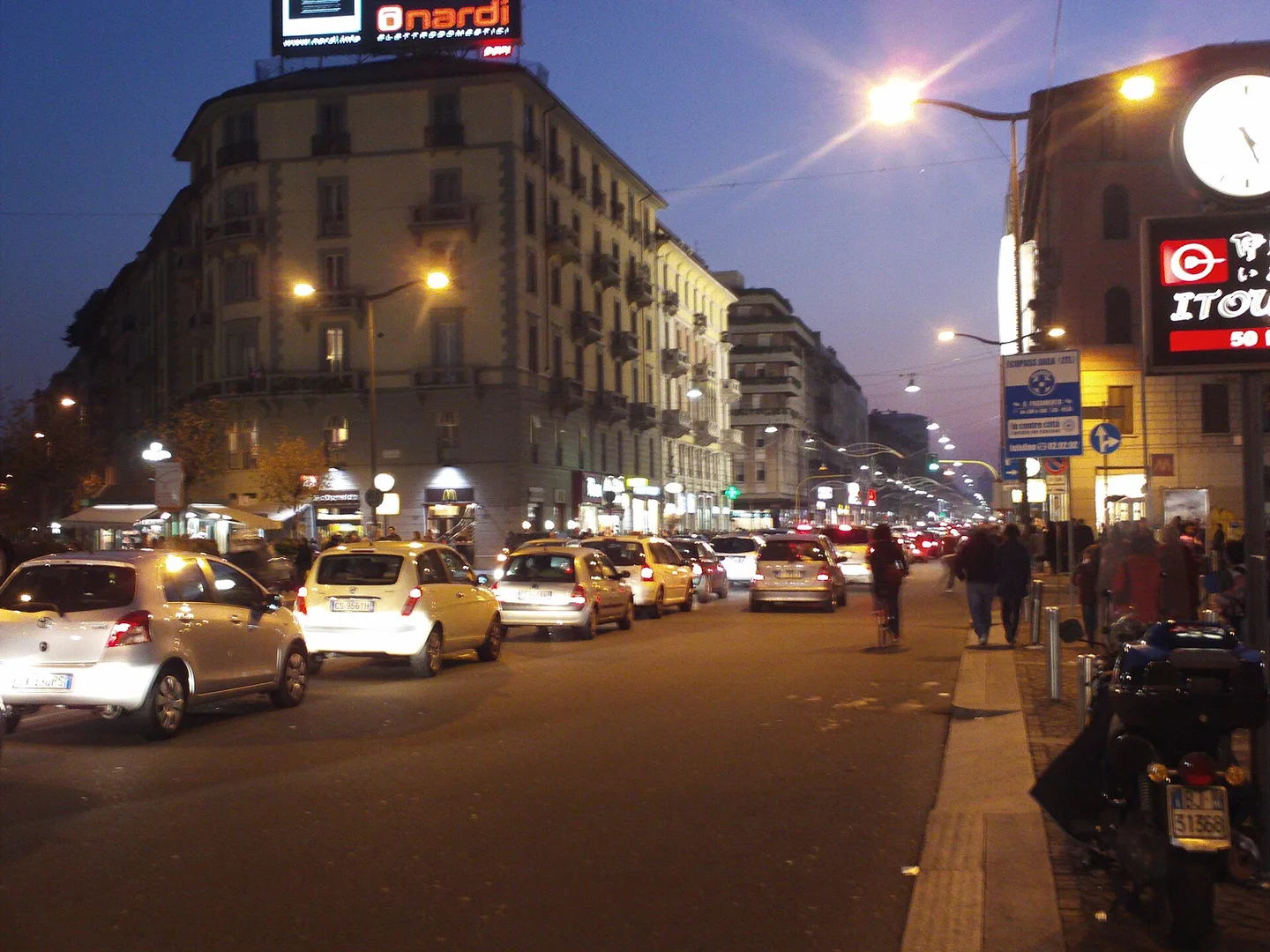
District Comparison and Transit Practicalities
Understanding the character of each retail quarter helps visitors structure their walking days efficiently across the broader expanse of central Milan neighbourhoods. The underground network connects all major retail clusters rapidly, eliminating the need for private taxis or complex surface navigation.
| District | Primary Atmosphere | Metro Access |
|---|---|---|
| Quadrilatero della Moda | Haute couture, luxury flagships, refined courtyards | Montenapoleone or San Babila |
| Corso Buenos Aires | High street fashion, department stores, retail chains | Porta Venezia or Lima |
| Brera Quarter | Artisanal studios, niche fragrance, design gifts | Lanza or Cairoli |
| Navigli Canals | Vintage garments, craft jewellery, weekend markets | Porta Genova |
We recommend starting morning strolls in quieter artisanal quarters before commercial high streets peak in the late afternoon. Packing lightweight canvas bags helps manage purchases on busy metro carriages, keeping hands free while navigating pedestrian intersections. Small family boutiques often close briefly over midday lunch intervals before reopening through early evening hours.
Metro stations feature ticket machines with multi-language interfaces, making transit simple for arriving visitors. Using urban public transit lines saves considerable time when hopping between distant retail quarters, sheltered glass arcades, and lively weekend antique markets. Comfortable rubber-soled walking shoes keep afternoon strolls smooth across cobbles and broad pavements throughout central districts.
Official prices and opening hours
- Duomo di Milano (Cathedral, Terraces & Museum)Official site ↗
- Cenacolo Vinciano (Leonardo’s Last Supper)Official site ↗
Where it is
- 1Milan Retail and Fashion Streets
- Milano Linate Airport (LIN) · about 7 km from here in a straight line
- Directions in Google Maps
Stations and taxi ranks: OpenStreetMap. Airports: OurAirports. Distances are in a straight line.
Traveller tips
Real advice from people who have been to Milano. Every tip is read by our team before it goes live.
No tips yet. Been here? Yours could be the first.
Thank you! Your tip will appear here after a quick review.
More in Milano
Continue exploring Milano with related neighbourhood, food, and planning guides