Triennale Milano Architecture and Italian Industrial Design
Industrial design galleries, distinctive architecture, and leafy Parco Sempione parkland routes define Triennale Milano.
Triennale Milano stands on the western fringes of Parco Sempione. It serves as Italy's primary cultural institution devoted to architecture, visual arts, and industrial design.
We admire the building for its monumental rationalist profile. It was constructed using local klinker brickwork that presents a striking counterpoint to neighbouring parkland lawns.
Stepping inside reveals a generous double-height atrium. This entrance hall leads naturally towards temporary pavilions, outdoor sculpture courtyards, and dedicated design galleries.
The surrounding park setting creates a calm retreat. Here travellers pause away from dense commercial avenues and busy urban thoroughfares.
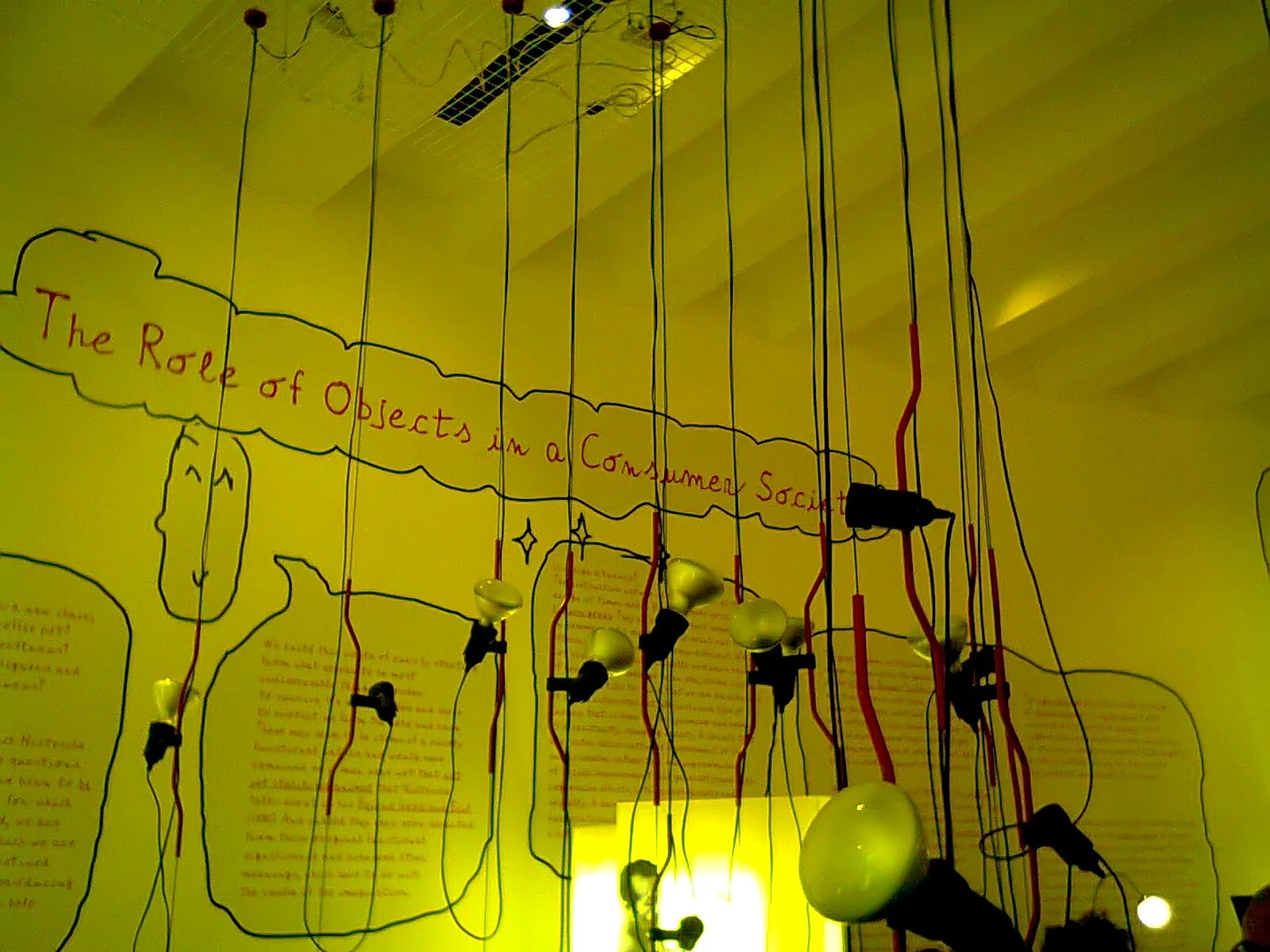
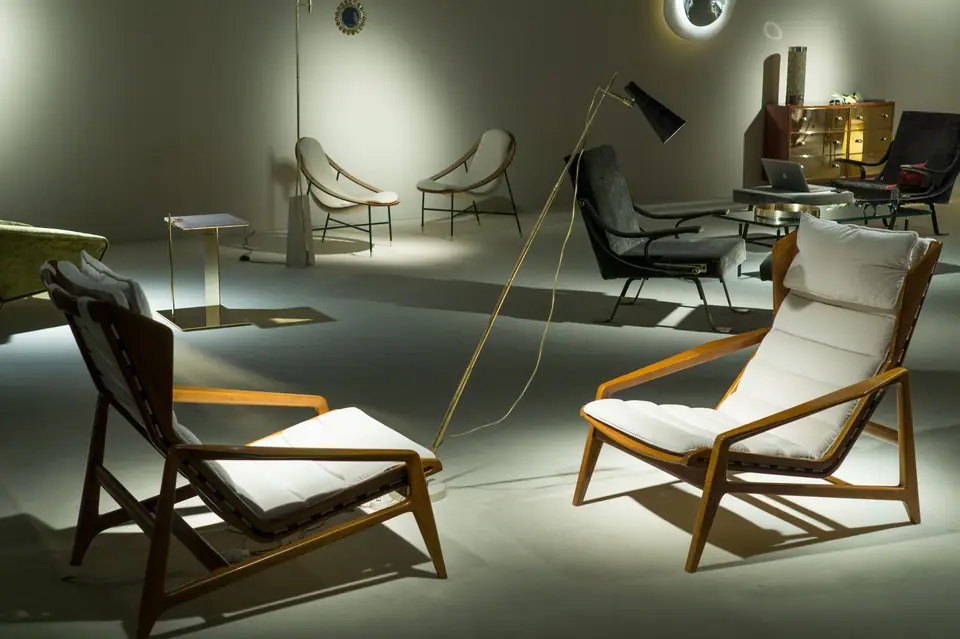
The institution holds an extraordinary collection tracing the evolution of Italian industrial design. Exhibits range from post-war household appliances to experimental furniture.
Curators present everyday functional tools alongside visionary prototypes. These displays illuminate how Northern Italian workshops transformed domestic living across multiple creative generations.
Each hall groups objects by design philosophy and material innovation. Visitors can observe how wooden joinery gave way to tubular steel and molded plastics.
The collection also highlights the close partnership between experimental designers and family-run factories across Lombardy. This relationship turned regional workshops into global leaders of modern aesthetics.
Temporary showcases regularly expand across the main floors. These exhibitions cover contemporary graphic arts, landscape planning, and forward-looking urban architecture.
We appreciate the clear bilingual signage placed beside each object. It explains technical materials, regional craftsmanship, and studio histories without overwhelming casual gallery visitors.
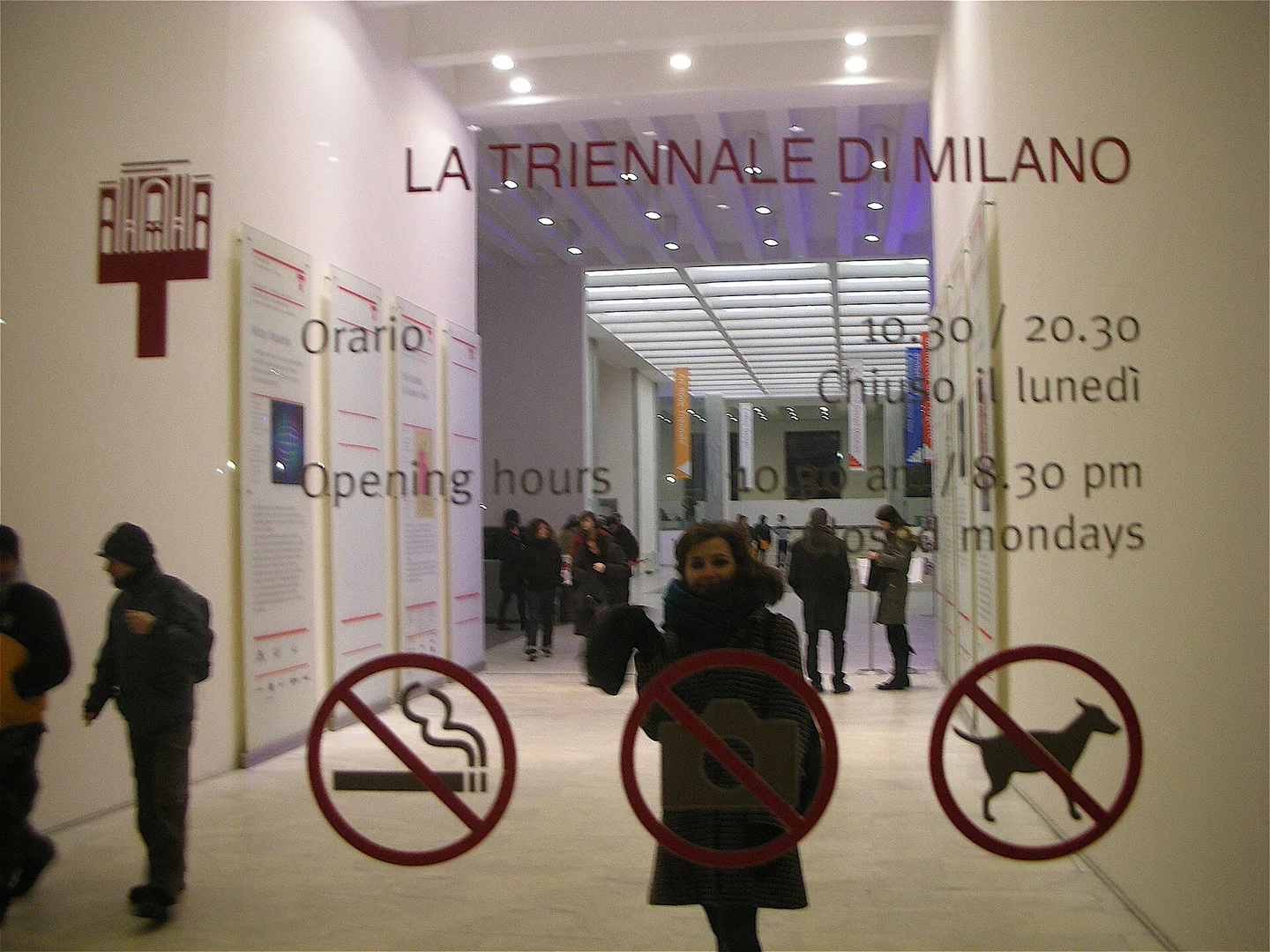
Reaching the institution is straightforward using the city's comprehensive transport network. We take the metro to Cadorna station.
At Cadorna, major suburban rail services connect directly with central underground lines. From the station concourse, a short walk leads through tree-lined avenues.
Alternatively, strolling eastward across Parco Sempione leads travellers towards the historic fortified courtyards of the Castello Sforzesco.
Combining an afternoon gallery visit with a relaxed morning walk through Brera gives a balanced perspective on local arts.
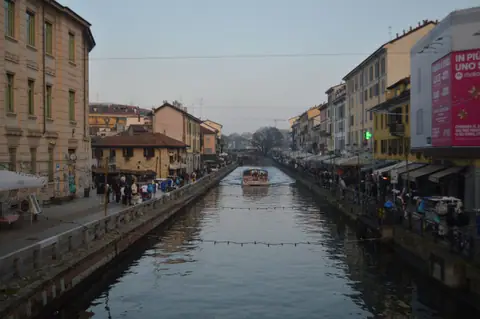
You can also follow your visit with an evening meal along the Navigli canals. This pairing provides a satisfying geographic balance to any urban itinerary.
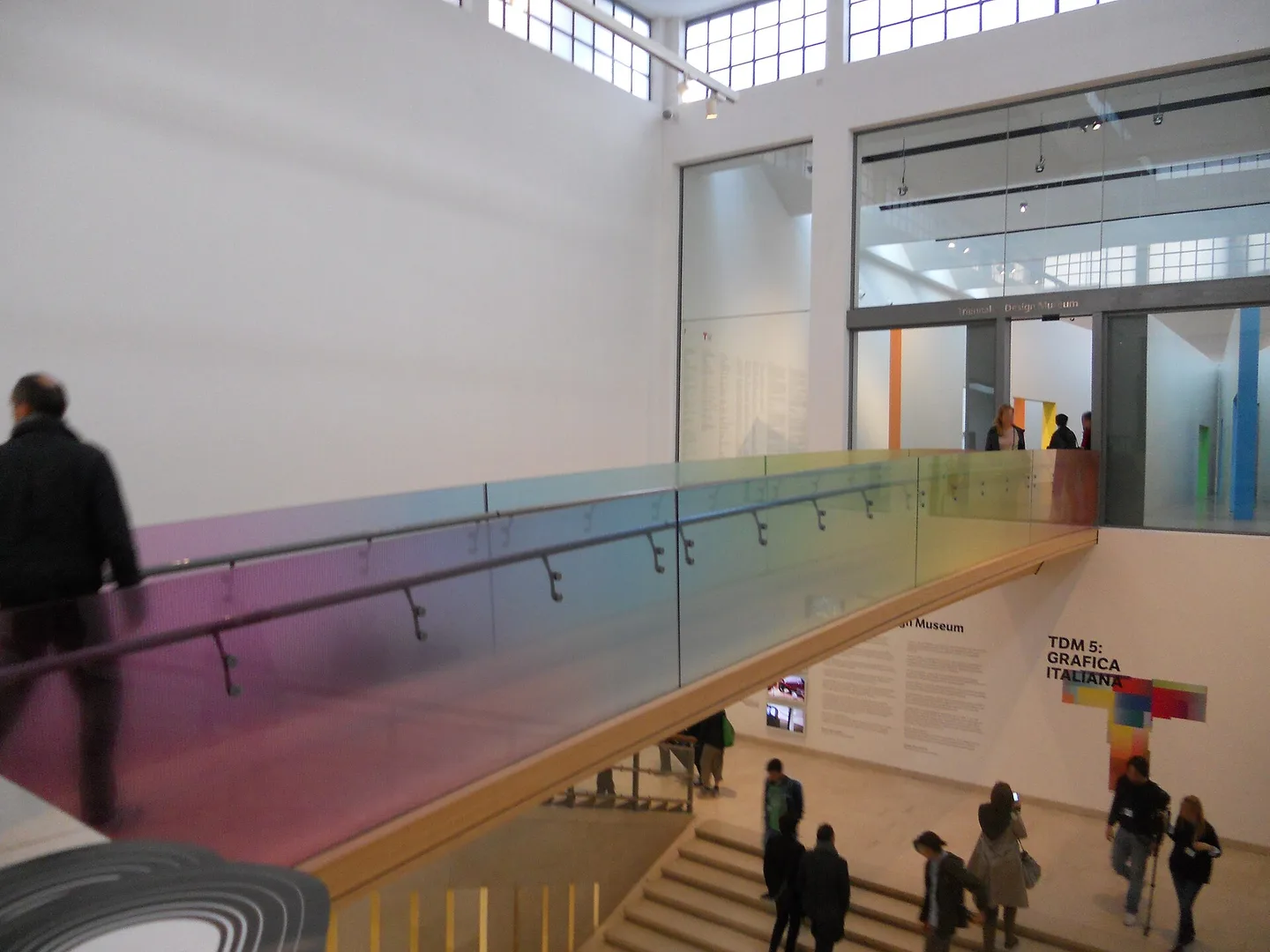
Planning a route through the building requires minimal effort. The galleries connect across logical open staircases and wide corridors.
We find that combining the permanent design displays with the outdoor garden pavilion creates a comprehensive experience. It offers a thorough survey of Italian manufacturing traditions.
The outdoor cafe area looks out across manicured lawns. It offers travellers a quiet spot to reflect on the exhibits under tall shade trees.
Architect Giovanni Muzio designed the Palazzo dell'Arte to adapt to ever-changing creative media. That original architectural vision remains palpable in every airy gallery today. Rotating exhibitions frequently trace domestic ceramicware, architectural graphics, and experimental textiles produced across northern Italian factories. Wide stone terraces overlook tall oaks along the park lawn edge, inviting quiet reflection between exhibition halls.
| Gallery Section | Primary Focus | Nearby Park Landmark |
|---|---|---|
| Design Museum | Industrial prototypes and household furniture | Sempione West Meadows |
| Central Pavilion | Rotating architectural and urban exhibitions | Castello Sforzesco Axis |
| Garden Courtyard | Outdoor sculptures and functional installations | Palazzo dell'Arte Grounds |
Reserve timed exhibition passes directly at the ground-floor ticket counter before climbing toward upper display suites.
- Plan your arrival through Cadorna station to enjoy the shortest park walk directly to the entrance.
- Combine your design gallery visit with a walk towards central cathedral spires near the Duomo di Milano
- Reserve time to explore the rear garden sculptures, which offer shaded benches during warmer summer afternoons.
- Spend extra time in the post-war lighting galleries, where innovative glass and metal prototypes demonstrate ingenious technical solutions.
- Take the pedestrian pathway toward Castello Sforzesco after your visit to view historic fortifications framing the park horizon.
Visitors who appreciate modern craftsmanship will find this cultural complex an inspiring stop during a wider trip across central Milan avenues. Quiet bookshop rooms beside the entrance hall carry bilingual design monographs, architectural maps, lighting prototypes, archival posters, and studio catalogues tailored specifically for curious design travellers. Morning light streams across broad stair landings, illuminating temporary model rooms before afternoon school groups arrive across the courtyard.
The museum links industrial heritage with civic culture, making it an essential urban destination for architecture and design lovers exploring northern Italy across every season.
Official prices and opening hours
- Duomo di Milano (Cathedral, Terraces & Museum)Official site ↗
- Cenacolo Vinciano (Leonardo’s Last Supper)Official site ↗
Where it is
- 1Triennale Milano Architecture and Italian Industrial Design
- Milano Linate Airport (LIN) · about 9 km from here in a straight line
- Directions in Google Maps
Stations and taxi ranks: OpenStreetMap. Airports: OurAirports. Distances are in a straight line.
Traveller tips
Real advice from people who have been to Milano. Every tip is read by our team before it goes live.
No tips yet. Been here? Yours could be the first.
Thank you! Your tip will appear here after a quick review.
More in Milano
Continue exploring Milano with related neighbourhood, food, and planning guides