Teatro alla Scala Guide: Milan's Legendary Opera House
Neoclassical arches on Piazza della Scala anchor museum galleries, square approaches, and walking links across central Lombardy streets.
Piazza della Scala and the Neoclassical Facade
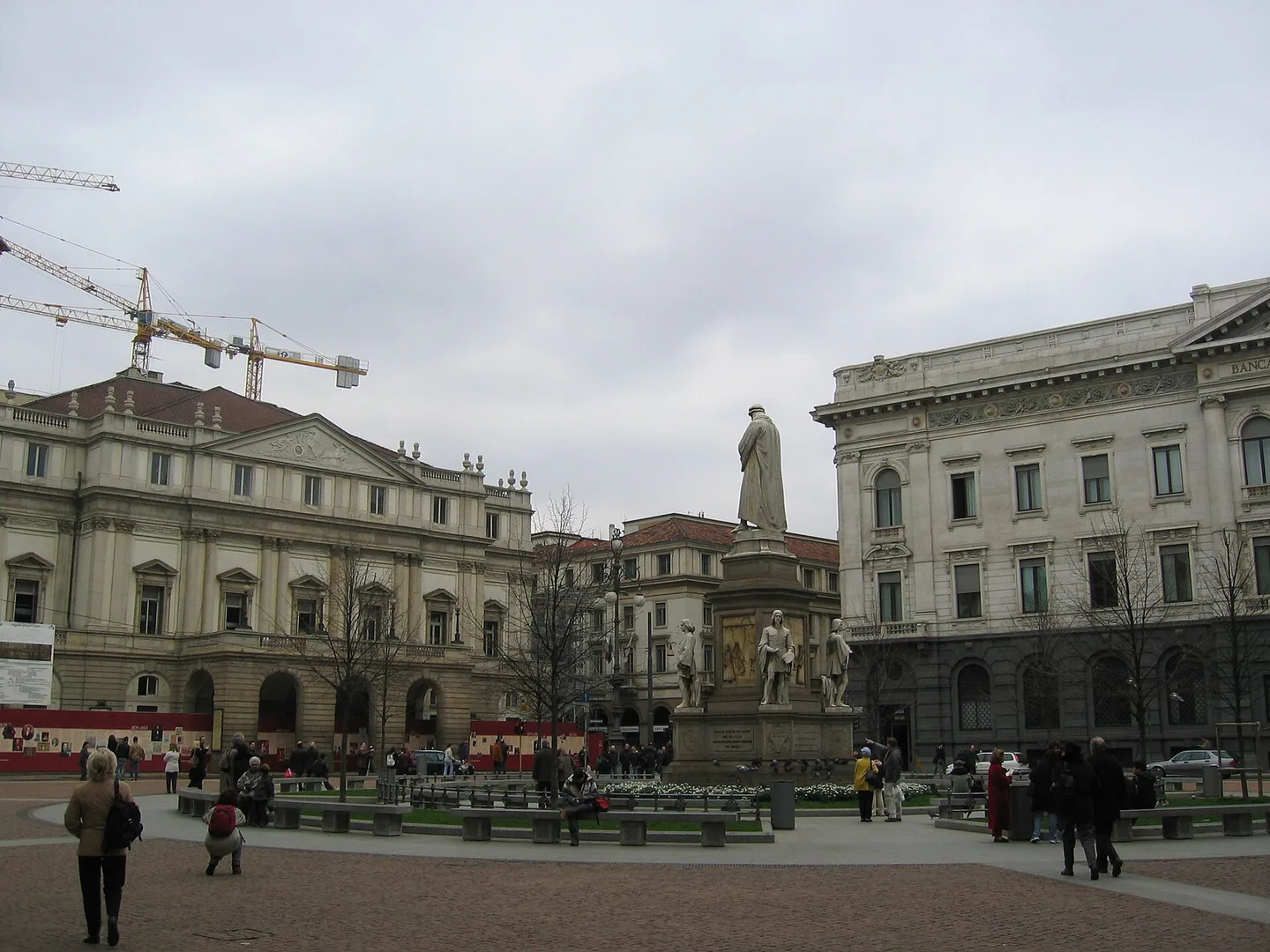
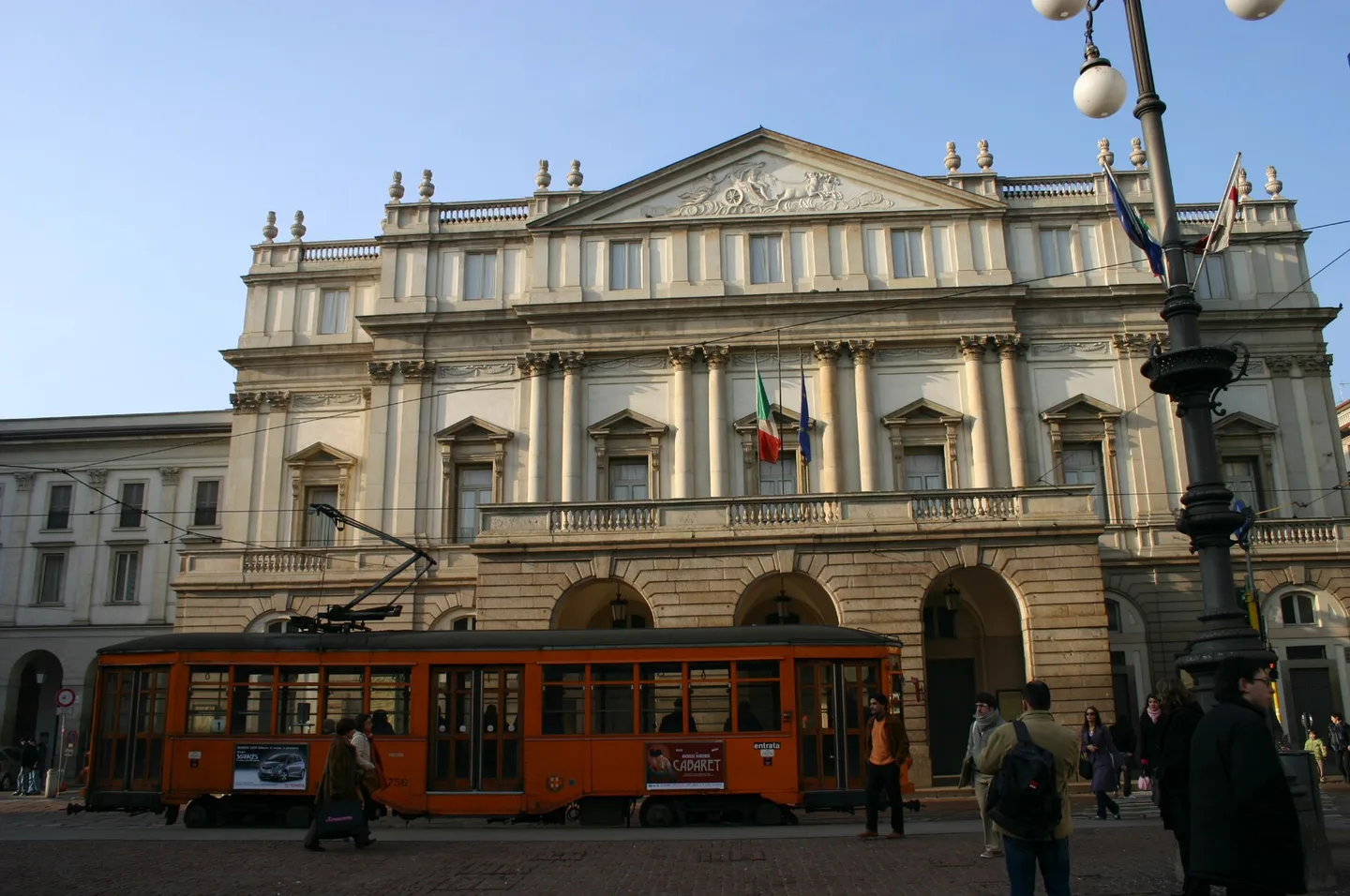
Standing in Piazza della Scala, we face one of the most celebrated musical institutions across continental Europe. The understated neoclassical exterior designed by Giuseppe Piermarini surprises many first-time arrivals expecting baroque grandeur. Its pale stone facade sits quietly opposite Palazzo Marino, forming a balanced civic square anchored by the central monument to Leonardo da Vinci.
We find that the restraint of the exterior architecture deliberately contrasts with the lavish interior halls waiting beyond the entrance doors. Horse-drawn carriages once rolled beneath the projecting portico to keep patrons dry during winter rainstorms. Today, the square serves as a quiet pedestrian threshold where music lovers and curious travellers pause before evening curtain calls.
The square itself has witnessed centuries of Milanese civic life and cultural transformation. Monumental bronze sculptures and neat benches invite visitors to reflect on the legacy of Italian opera. Giuseppe Piermarini completed this balanced structure after the earlier Teatro Regio Ducale burned down in the late eighteenth century.
The rational lines of the facade mirror the Enlightenment principles popular across northern Italy during that historical period. Broad pilasters, triangular pediments, and symmetrical window arrangements lend the exterior a dignified bearing without excessive ornamentation.
Reaching the Theatre from Central Milan
Navigating towards the opera house on foot takes us through the lofty arcade of Galleria Vittorio Emanuele II. Walking straight through the glass-vaulted crossway brings us directly onto the open square facing the theatre portico. Those starting near the cathedral can easily walk between the two landmarks in just a few short minutes.
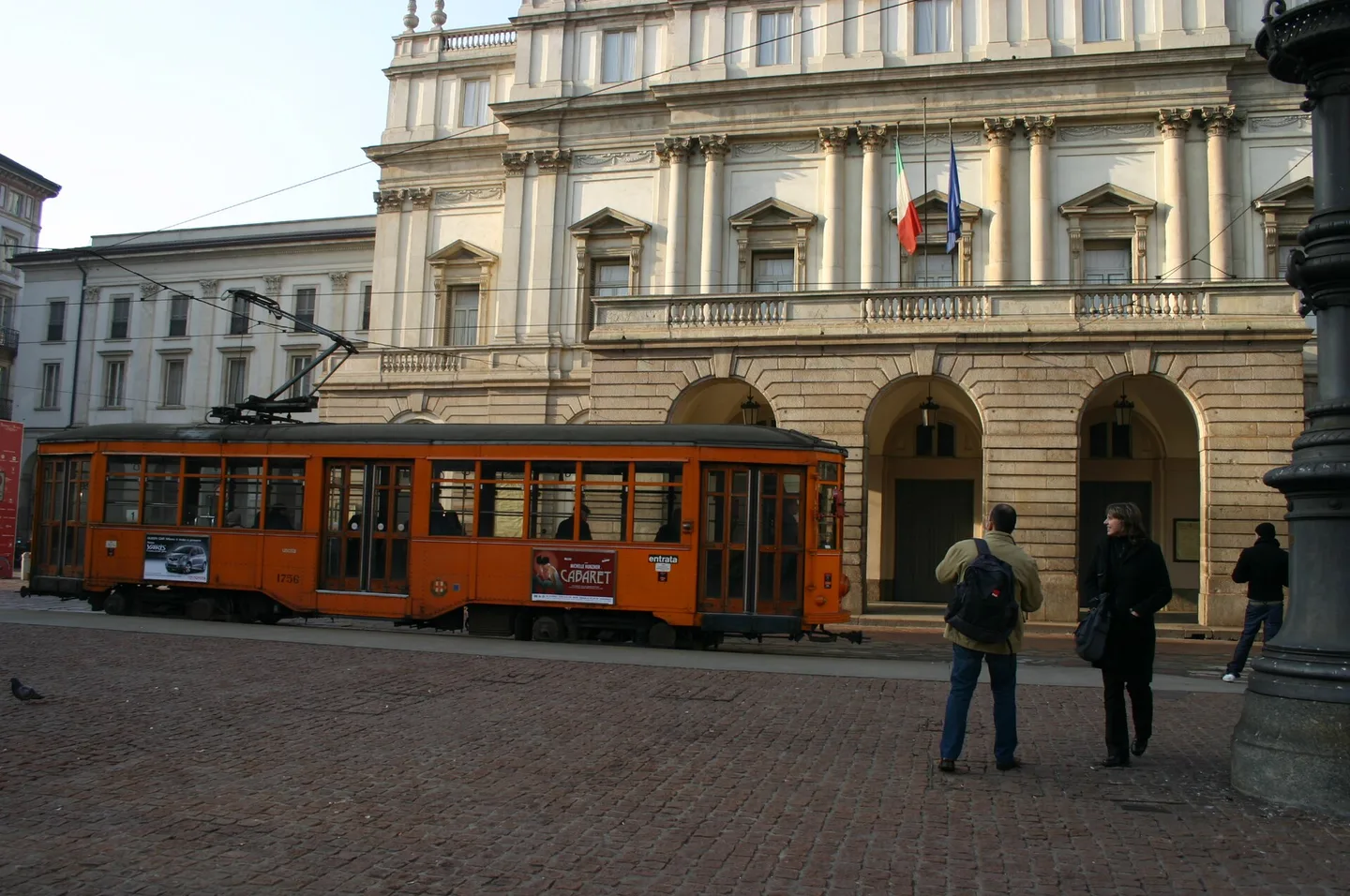
Urban transport links around the opera house remain remarkably straightforward for independent travellers relying on Milanese public transit. Several tram lines glide along the nearby streets, while underground metro stations sit within comfortable walking radius. Metro routes link central opera stages cleanly with central Milan neighbourhoods and rail stations.
Pedestrian navigation through the city centre remains smooth throughout all seasons of the year. Broad pavements and clearly signed pedestrian zones make strolling between classical landmarks simple and enjoyable. Travellers carrying light backpacks can easily navigate the crossways between the opera house, local tram stops, and central shopping streets.
| Approach Route | Key Landmark Crossed | Transit Connection |
|---|---|---|
| Galleria Corridor | Galleria Vittorio Emanuele II | Duomo underground lines |
| Northern Approach | Via Verdi and historic alleys | Local tram stops |
| Eastern Access | Palazzo Marino perimeter | San Babila links |
| Southern Axis | Piazza del Duomo pedestrian zone | Central underground lines |
Navigating the Museum and Historic Auditorium
Entering the Museo Teatrale alla Scala allows daytime travellers to immerse themselves in musical history without attending an evening performance. The exhibition rooms display historic instruments, painted stage sets, marble busts, and personal letters from legendary Italian composers. Walking through these rooms reveals how the institution shaped global opera traditions across multiple centuries.
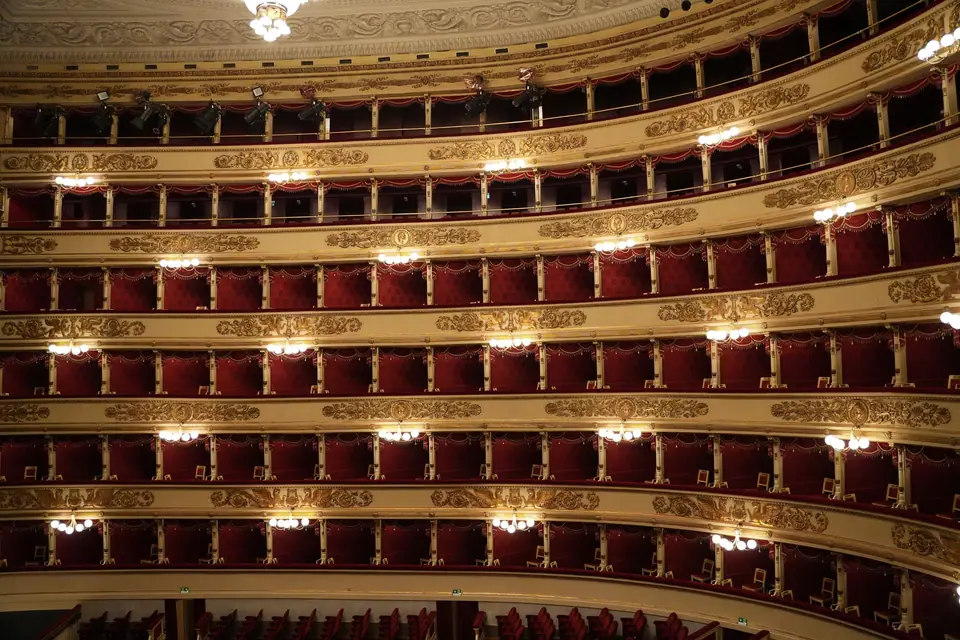
Whenever rehearsals are not in active progress, daytime museum entry lets us look inside the legendary auditorium itself. Peering from the velvet-lined private boxes gives a sweeping view of the tiered crimson balconies, gilded mouldings, and grand chandelier. Morning museum entry permits auditorium viewing only when rehearsals do not block gallery shutters.
The acoustics inside the horseshoe-shaped hall remain celebrated among conductors, instrumentalists, and classical vocalists worldwide. Six tiers of boxes and galleries rise toward the ceiling, creating an intimate vertical space that carries acoustic sound with pristine clarity. Historical portraits of Giuseppe Verdi, Giacomo Puccini, and Arturo Toscanini line the adjacent museum corridors.
- Central box vantage points looking down over the main orchestra stalls and orchestral pit.
- Dedicated exhibition galleries holding antique musical instruments and theatrical memorabilia.
- Portrait rooms dedicated to notable conductors, sopranos, and dramatic stage designers.
- Archival libraries preserving historic musical scores and vintage performance programs.
Connecting Opera Walks to Surrounding Quarters
After stepping out from the opera house into the afternoon light, Milan opens up into several distinct historic quarters. Wandering south leads directly back towards the magnificent marble spires of Duomo, offering dramatic photographic perspectives along the pedestrian avenues. Heading north along Via Verdi guides us toward the atmospheric cobbled lanes of Brera, renowned for art galleries and peaceful courtyard cafes.
The transition between the civic atmosphere of Piazza della Scala and the artistic enclave of Brera takes only moments on foot. Quaint bookstores, perfume shops, and art academies line the narrow alleys radiating north from the opera house. Travellers can easily weave through these tranquil streets while experiencing the distinct architectural textures of historical Milan.
Those wishing to expand their Milanese journey can continue their cultural trail toward Santa Maria delle Grazie to admire Last Supper masterpieces. Later in the evening, taking a tram southward toward the historic canals of Navigli provides a lively waterside finale to an enriching day of Lombard exploration.
Official prices and opening hours
- Duomo di Milano (Cathedral, Terraces & Museum)Official site ↗
- Cenacolo Vinciano (Leonardo’s Last Supper)Official site ↗
Where it is
- 1Teatro alla Scala
- Milano Linate Airport (LIN) · about 7 km from here in a straight line
- Directions in Google Maps
Stations and taxi ranks: OpenStreetMap. Airports: OurAirports. Distances are in a straight line.
Traveller tips
Real advice from people who have been to Milano. Every tip is read by our team before it goes live.
No tips yet. Been here? Yours could be the first.
Thank you! Your tip will appear here after a quick review.
More in Milano
Continue exploring Milano with related neighbourhood, food, and planning guides