Basilica of Sant’Ambrogio: Milan’s Romanesque Masterpiece
Ancient brick courtyards and Romanesque arcades define the historic Basilica of Sant'Ambrogio in central Lombardy.
Approaching the Ancient Atrium
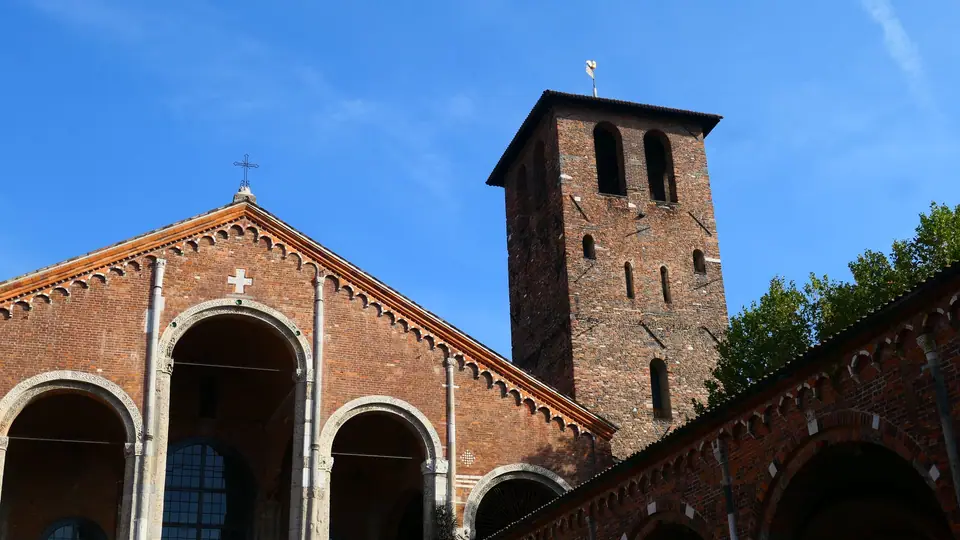
Stepping off the busy city pavement into the quiet courtyard of the Basilica of Sant’Ambrogio feels like walking straight into early medieval Lombardy. Red terracotta bricks frame the four-sided portico, where stone arcades soften the ambient hum of city traffic. The western facade displays classic Romanesque proportions, flanked by two asymmetrical towers built across distinct building campaigns. Carved stone capitals depict biblical allegories alongside stylised animal figures, rewarding anyone who pauses to study the weathered pillars. We often stand beneath the high arches to take in the layered stonework before crossing the main threshold.
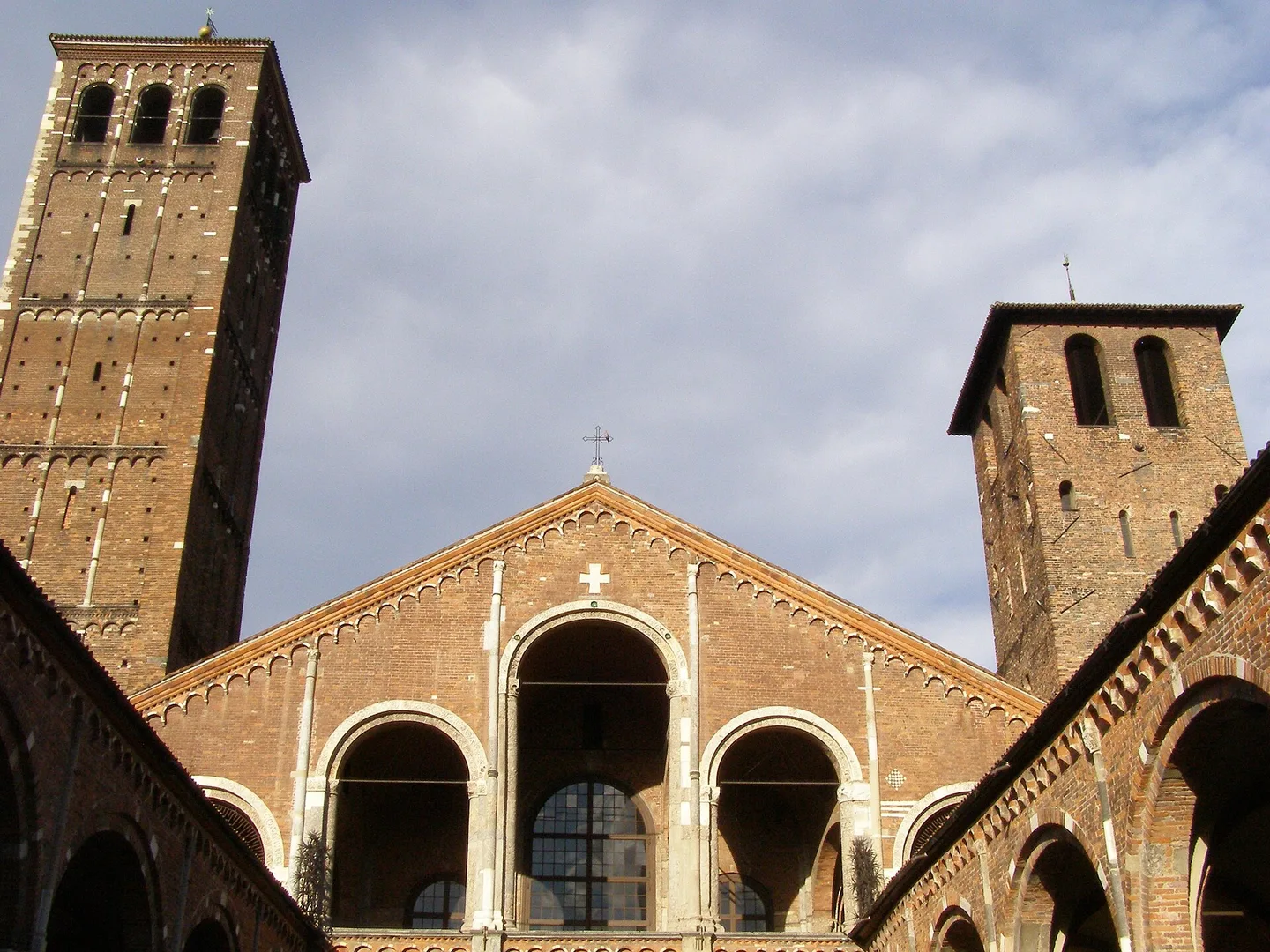
The entrance courtyard sets this complex apart from the grand marble structures found around central Milano. Here, the focus rests on warm masonry, low vaults, and an open atrium that once sheltered unbaptised worshippers. The calm rhythm of the arcades encourages a slower walking pace, contrasting with the packed avenues nearby. Early morning light illuminates the weathered surfaces, highlighting centuries of civic and religious history etched directly into the brickwork. It remains one of northern Italy's most influential models of Romanesque church design.
The Romanesque Interior and Golden Altar
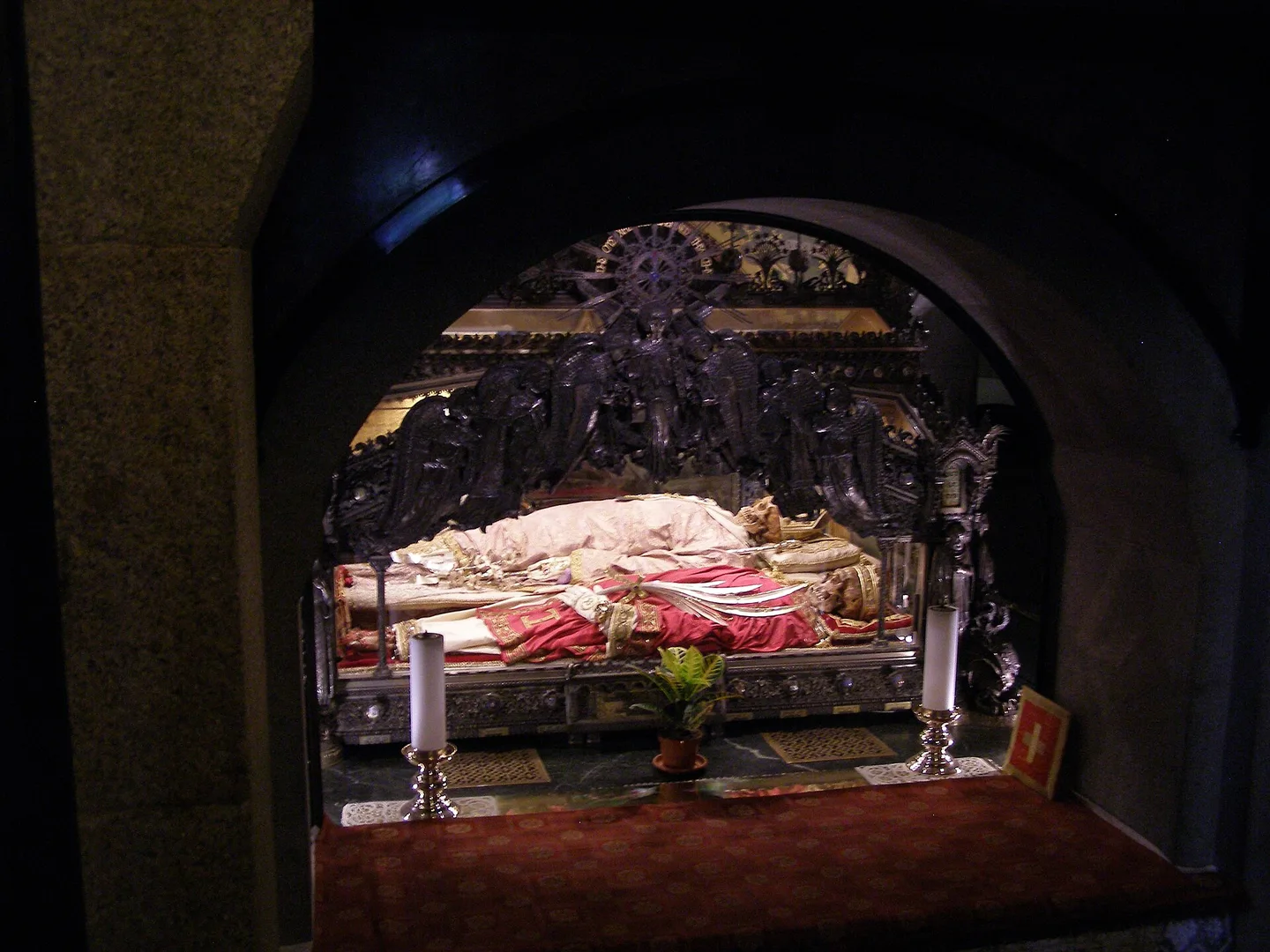
Inside, the nave opens beneath broad quadripartite rib vaults, anchored by sturdy clustered piers and low side aisles. The interior atmosphere is subdued and dignified, illuminated by natural light filtering through high clerestory windows. At the eastern end, the raised presbytery crowns the renowned altar, shimmering with delicate reliefs and antique enamel panels. Below this sanctuary space lies the quiet crypt, where glass reliquaries rest beneath stone vaults. We find the understated lighting deepens the contemplative quality of every chapel.
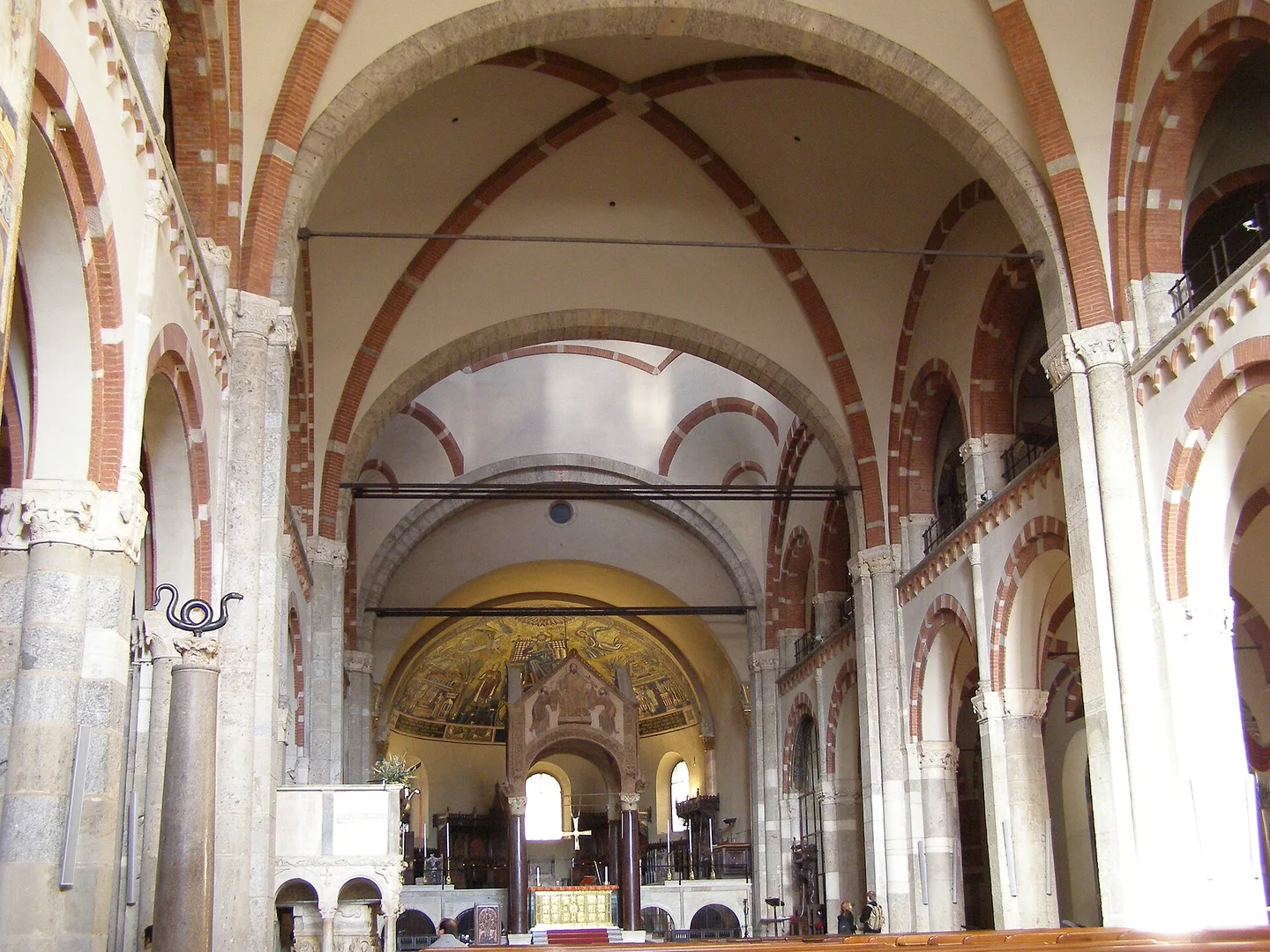
Exploring the perimeter reveals quiet side chapels, antique mosaics, and historical tombs that commemorate prominent figures from regional church history. Unlike the towering white marble pinnacles of the Duomo, this basilica preserves an earthly intimacy shaped by timber, stone, and brick. Visitors should note the subtle craftsmanship of the choir stalls and the carved stone pulpit resting on an antique Roman sarcophagus. Each architectural layer reflects continuous reverence across more than a millennium of active service.
| Basilica Feature | Architectural Character | Visitor Experience |
|---|---|---|
| Atrium Portico | Four-sided brick courtyard with carved capitals | Peaceful transition away from street traffic |
| Central Nave | Low rib-vaulted Romanesque bays | Warm acoustics and contemplative lighting |
| High Altar | Gilded relief panels and raised ciborium | Focal point of medieval artisan craft |
| Underground Crypt | Vaulted stone chamber below the apse | Quiet atmosphere around historic reliquaries |
Walking Corridors and Neighbouring Quarters
The basilica sits within an enviable pocket of the city, perfectly situated for relaxed walking itineraries across historic districts. Leaving the atrium, quiet residential streets curve gently northward toward the refectory holding Leonardo's Last Supper. Walking these tree-lined pavements reveals independent bookshops, artisan bakeries, and tucked-away university courtyards belonging to the nearby Catholic University. The neighbourhood balances youthful student energy with dignified domestic quiet.
A leisurely stroll toward the south links you directly to the canals and evening restaurants of the Navigli basin. Alternatively, heading northeast brings you toward the cultured art quarter of Brera, crossing past quiet leafy piazzas. Combining these walks allows travellers to see how early medieval faith, Renaissance brilliance, and modern city life fit together smoothly. We suggest planning an unbroken morning route that links these contiguous areas on foot.
- Follow the stone-paved alleys northward toward Renaissance refectories and quiet cloisters.
- Walk south through residential avenues toward the lively canal network.
- Linger in the leafy university squares bordering the ancient basilica perimeter.
Practical Access and Visiting Rhythm
Reaching the site is straightforward thanks to nearby underground stations and city tram routes that stop along adjoining boulevards. Arriving on foot from central hubs is equally pleasant, offering shaded footpaths across historic residential blocks. Because this remains an active parish, quiet decorum is respected throughout services, especially near the main altar and the crypt. Modest dress covering shoulders and knees is appropriate when stepping inside the holy spaces. Quiet courtyard doors welcome visitors calmly during morning prayer intervals.
Visiting during autumn and spring allows you to enjoy the open-air portico without intense summer heat or midwinter chills. Morning hours offer gentle natural illumination across the nave, casting soft shadows beneath the Romanesque arches. Taking time to sit in the brick atrium before or after entering creates a grounded, restful city break. Sant’Ambrogio stands as a serene touchstone of historical identity, grounding the fast modern pace of contemporary Lombardy.
Official prices and opening hours
- Duomo di Milano (Cathedral, Terraces & Museum)Official site ↗
- Cenacolo Vinciano (Leonardo’s Last Supper)Official site ↗
Where it is
- 1Basilica of Sant’Ambrogio
- Milano Linate Airport (LIN) · about 8 km from here in a straight line
- Directions in Google Maps
Stations and taxi ranks: OpenStreetMap. Airports: OurAirports. Distances are in a straight line.
Traveller tips
Real advice from people who have been to Milano. Every tip is read by our team before it goes live.
No tips yet. Been here? Yours could be the first.
Thank you! Your tip will appear here after a quick review.
More in Milano
Continue exploring Milano with related neighbourhood, food, and planning guides
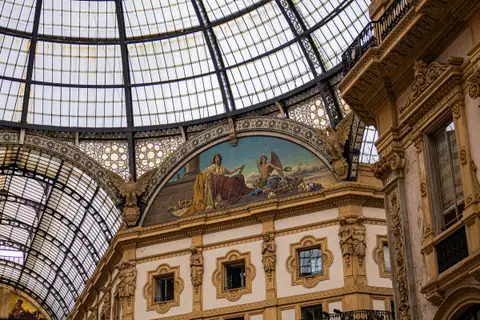
Galleria Vittorio Emanuele II Walking and Architectural Guide
Milano, Italy
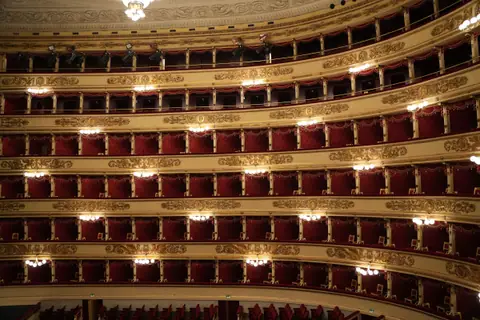
Teatro alla Scala Guide: Milan's Legendary Opera House
Milano, Italy
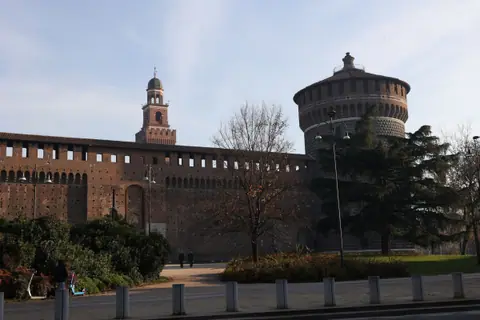
Castello Sforzesco Field Guide: Courtyards, Art Collections, and Park Connections
Milano, Italy
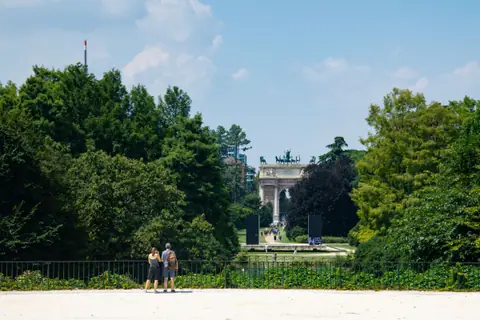
Parco Sempione: Green Paths, Castles, and City Gates
Milano, Italy
