Exploring NoLo in Milano
NoLo offers an energetic neighbourhood atmosphere north of Loreto, mixing residential courtyards, park pathways, and creative community projects across northeastern Milano.
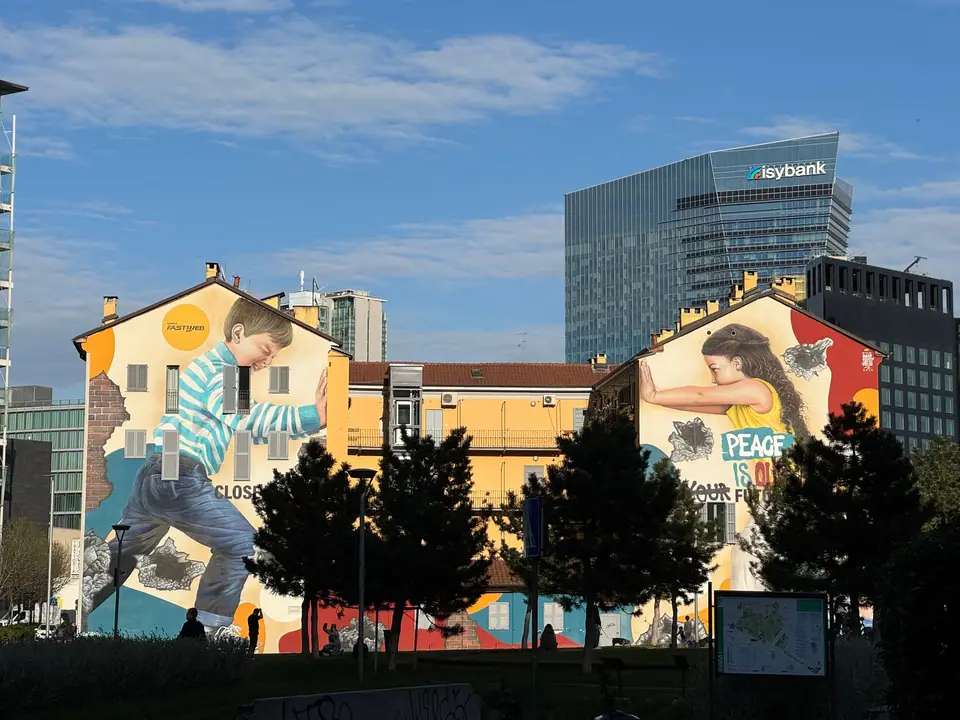
North of Loreto, abbreviated informally as NoLo, represents a distinct residential district set slightly away from the dense monumental core of northeastern Milano. The area developed rapidly alongside industrial railway expansion. This growth left a framework of traditional apartment blocks, quiet side alleys, and wide transit avenues. Today, travellers find an engaging mix of local bakeries, independent studios, and casual trattorias that preserve an authentic neighbourhood spirit. It stands in direct contrast to the formal marble piazzas found around the historic centre.
Walking along the main corridors reveals colourful building facades alongside restored historic workshop spaces. While standard tourist paths rarely extend past the central railway hub, this area rewards visitors who enjoy calm streetscapes and genuine urban variety. Heading southwest connects back towards central highlights like Duomo, making the district an accessible base for broader city exploration. Taking unhurried morning strolls through the quarter gives a clear view of everyday northern Italian domestic life.
Walking Routes and Green Enclaves
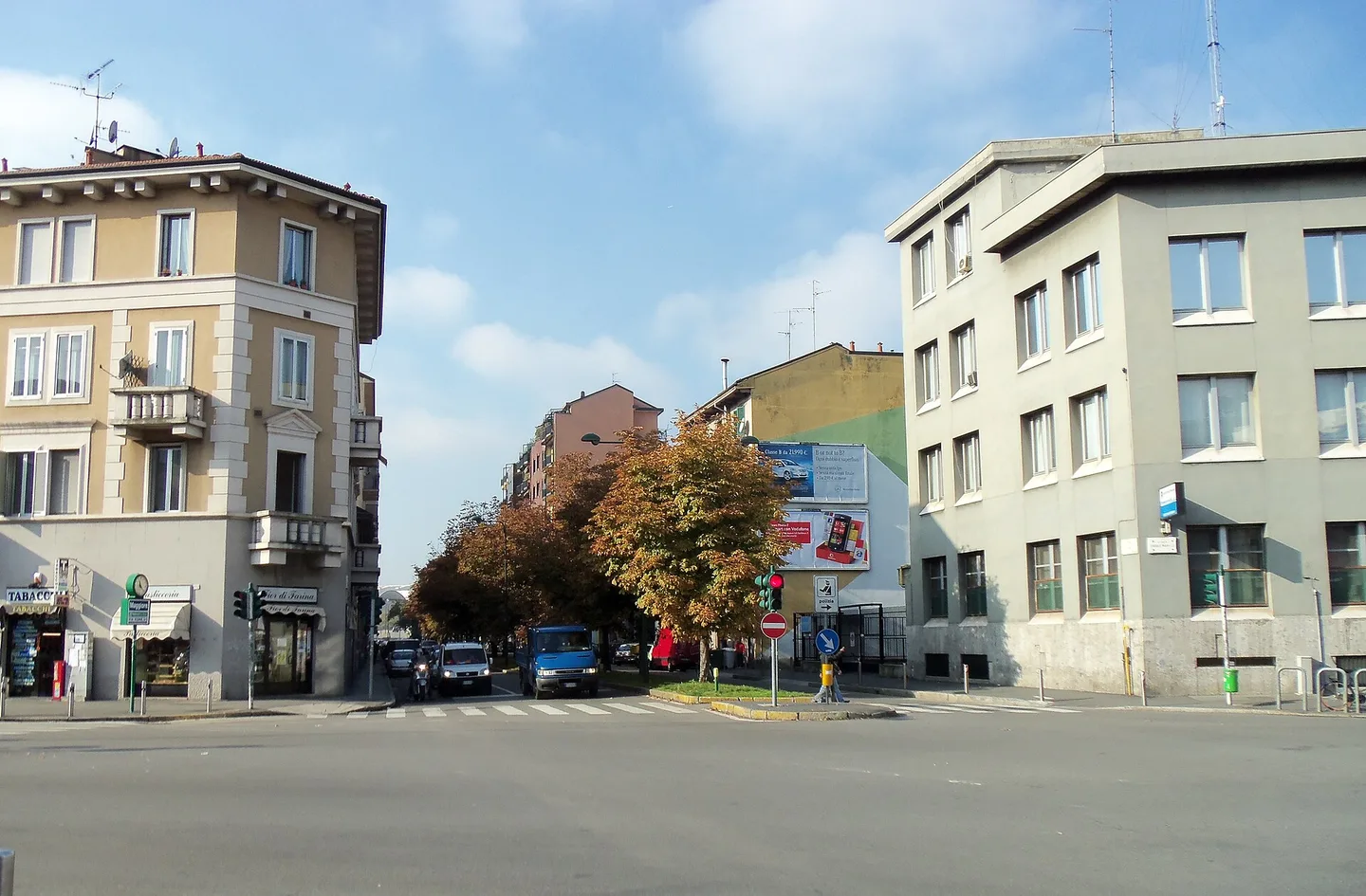
Navigating the quarter on foot allows travellers to appreciate sudden transitions from lively avenues to peaceful green spaces. The district borders long linear routes that lead towards outer municipalities, offering long urban perspectives. Walking along Viale Monza connects the southern edge near Loreto directly with the northern boundary corridors. These broad pavements offer easy walking conditions, flanked by family-run grocers, modern cafes, and traditional corner newsstands.
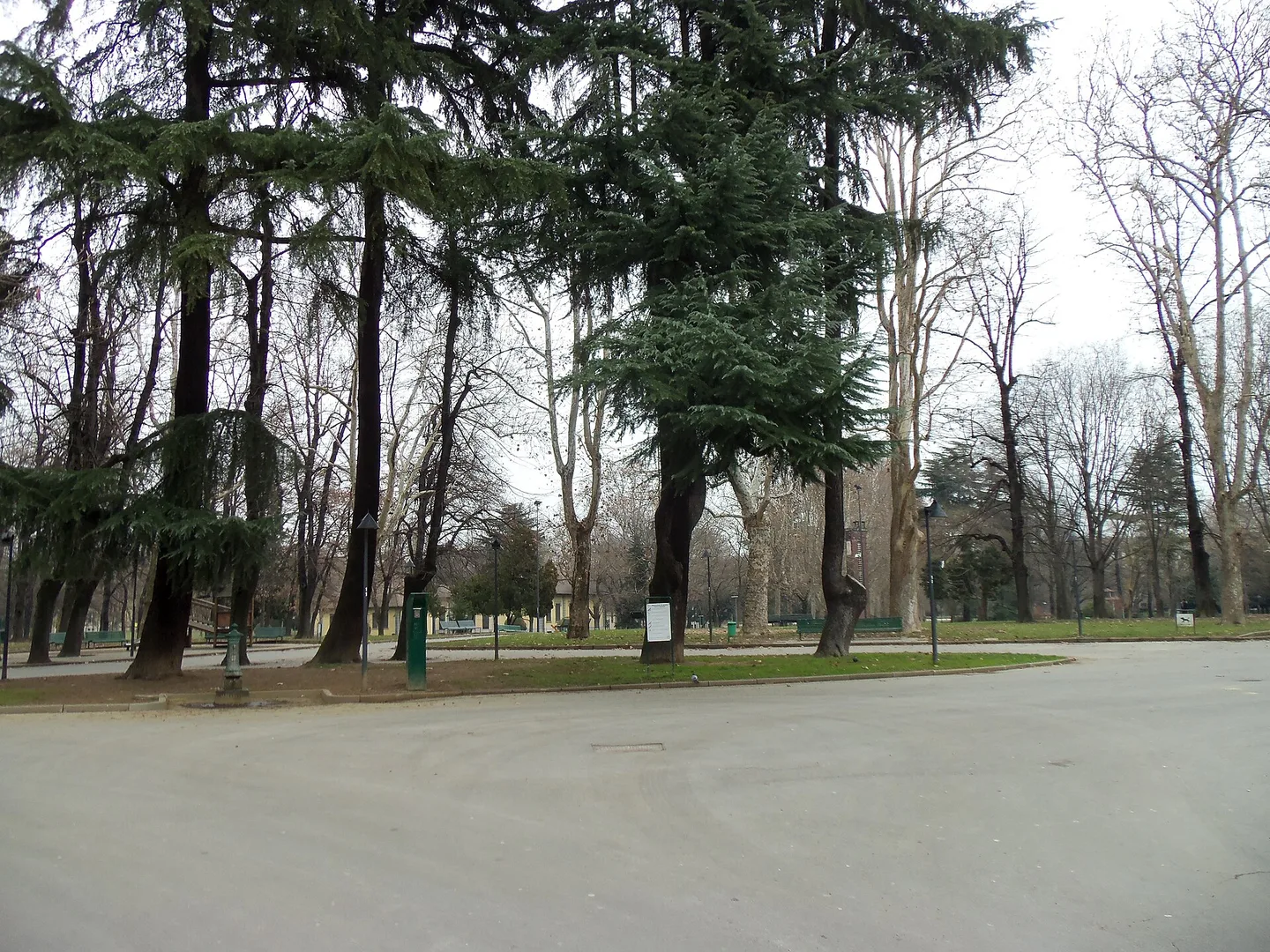
A primary highlight for open-air walks is Parco Trotter, a unique enclosed municipal park that once served as an equestrian racetrack. Today, mature plane trees and winding footpaths shade historic educational pavilions, giving the grounds an oasis-like quiet within the surrounding street grid. Walkers frequently gather around the central lawn spaces to read or take breaks between city excursions. Continuing further north leads towards the quiet waterways of the Naviglio Martesana, where paved pedestrian trails follow the slow-moving canal.
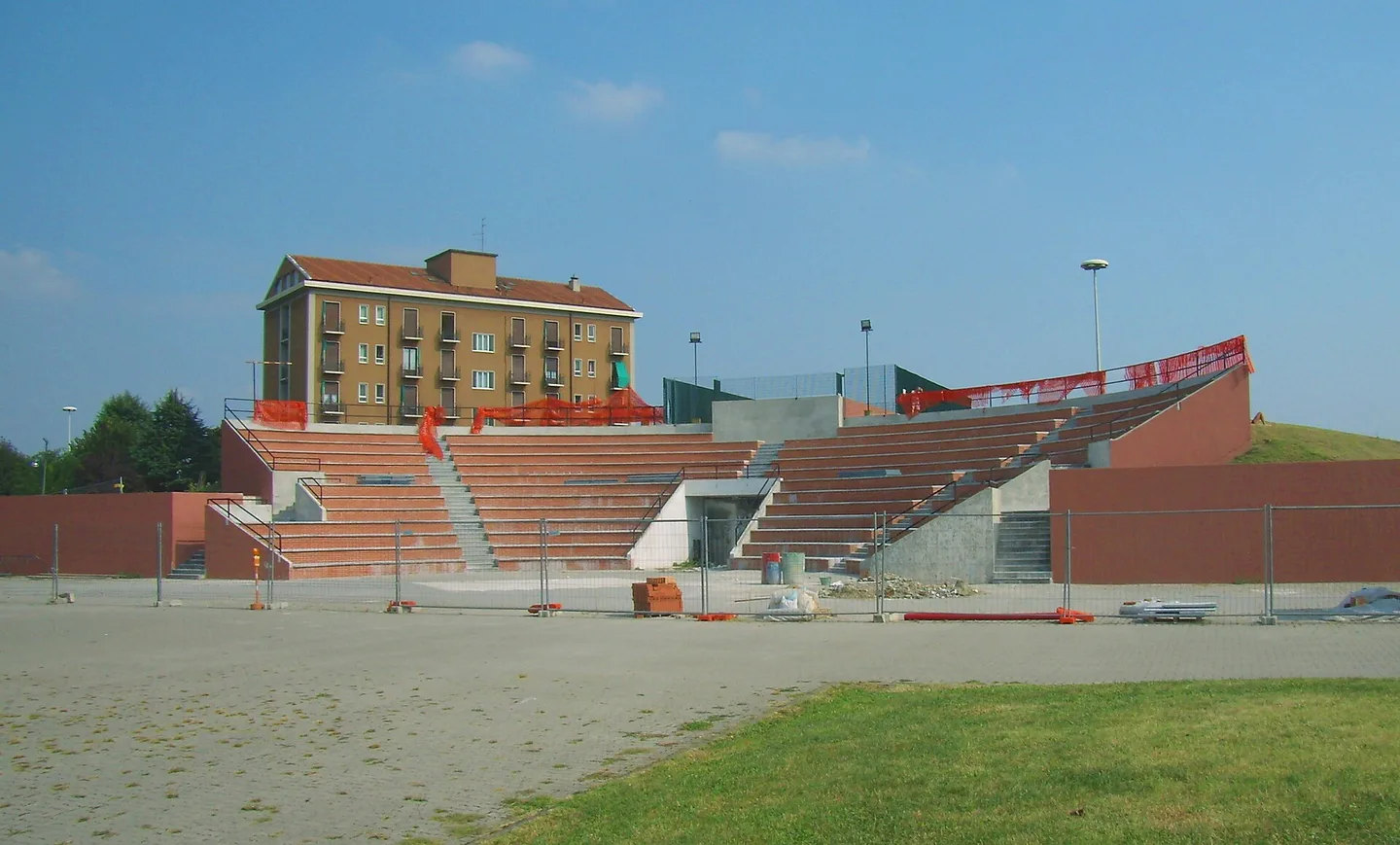
The canal towpath connects naturally to outdoor cultural spaces such as the open-air amphitheatre along the park grounds. This network of green pockets makes the neighbourhood remarkably pleasant for travellers seeking alternatives to crowded stone plazas. Here is how the key outdoor segments compare during a morning or afternoon walk:
- Viale Monza Corridor: Broad city avenue connecting major cross streets with varied dining choices and transit stops.
- Parco Trotter Grounds: Fenced park perimeter featuring historic school pavilions, curving pathways, and shaded benches.
- Naviglio Martesana Path: Peaceful waterside pedestrian lane leading towards open lawns and community gathering spaces.
Transit Connections Across the District
Reaching NoLo from the city core is straightforward thanks to extensive underground and surface transit networks. The district is served primarily by the Red Line metro, which cuts directly through the area beneath the main roadway. Stations along this underground axis permit fast links to central cultural sites, including direct routes towards Last Supper on the western side of the centre. Surface buses also run parallel to the train tracks, providing simple point-to-point connections.
For travellers arriving from other quarters, interchange stations allow painless transitions between metro lines. Loreto acts as a major transfer point where travellers can switch easily between the Red and Green lines. The Green Line offers immediate links south towards the canals of Navigli, while the Red Line shoots straight across the historical hub. Using these rail links avoids traffic delays on busy surface boulevards, keeping journey times short and predictable throughout the day.
| Station or Axis | Line Type | Primary Connection Purpose |
|---|---|---|
| Loreto Interchange | Red and Green Metro | Southern gateway linking to the central shopping axes and southern canals. |
| Pasteur and Rovereto | Red Metro Line | Core access points serving the central streets and Parco Trotter entrances. |
| Martesana Towpath | Pedestrian and Cycle Route | Canal pathway running eastwards away from vehicular avenues. |
Purchasing transit tickets digitally or tapping contactless bank cards at turnstiles keeps transit completely hassle-free. The local stops feature clear wall maps indicating nearby street exits, so exiting into the correct lane takes minimal effort.
Neighbourhood Rhythm and Daily Exploration
The daily rhythm of NoLo follows an unhurried, community-oriented timeline. Mornings centre around counter service at corner espresso bars, where residents stop for coffee and pastries before boarding the metro. The afternoon hours bring relaxed foot traffic to the public benches and open recreational fields of Parco Trotter. As evening approaches, small wine bars and informal eateries open their doors, creating an intimate, convivial dining scene across the side lanes.
Art initiatives and creative studios often post event notices on community boards, giving visitors unexpected cultural discoveries. Walking past former industrial storehouses often reveals shared artist workshops or neighbourhood gallery spaces. Combining an afternoon in these creative pockets with a trip to the art collections of Brera offers an intriguing contrast between contemporary community projects and classical fine art. The area stays lively well into the night without feeling overwhelmed by tourist coaches.
When planning a stay in or a day visit to the district, wearing supportive walking shoes is helpful for navigating older stone pavements. The terrain remains entirely flat, making gentle cycling or extended urban strolls easy for all fitness levels. By balancing mornings along the canal with afternoons exploring local markets, travellers can experience a grounded, creative face of modern Milano that many visitors overlook.
Official prices and opening hours
- Duomo di Milano (Cathedral, Terraces & Museum)Official site ↗
- Cenacolo Vinciano (Leonardo’s Last Supper)Official site ↗
Where it is
- 1Exploring NoLo in Milano
- Milano Linate Airport (LIN) · about 7 km from here in a straight line
- Directions in Google Maps
Stations and taxi ranks: OpenStreetMap. Airports: OurAirports. Distances are in a straight line.
Traveller tips
Real advice from people who have been to Milano. Every tip is read by our team before it goes live.
No tips yet. Been here? Yours could be the first.
Thank you! Your tip will appear here after a quick review.
More in Milano
Continue exploring Milano with related neighbourhood, food, and planning guides
Pinacoteca di Brera: Art Heritage and Courtyard Paths
Milano, Italy
Basilica of Sant’Ambrogio: Milan’s Romanesque Masterpiece
Milano, Italy
San Maurizio al Monastero Maggiore: Milan Painted Renaissance Sanctuary
Milano, Italy
Milan's Monumental Cemetery: Grand Architecture and Outdoor Sculpture
Milano, Italy
