Pinacoteca di Brera: Art Heritage and Courtyard Paths
Northern Italian Renaissance painting collections alongside serene neoclassical courtyards await inside the historic Palazzo Brera.
Arriving at Palazzo Brera and the Grand Courtyard
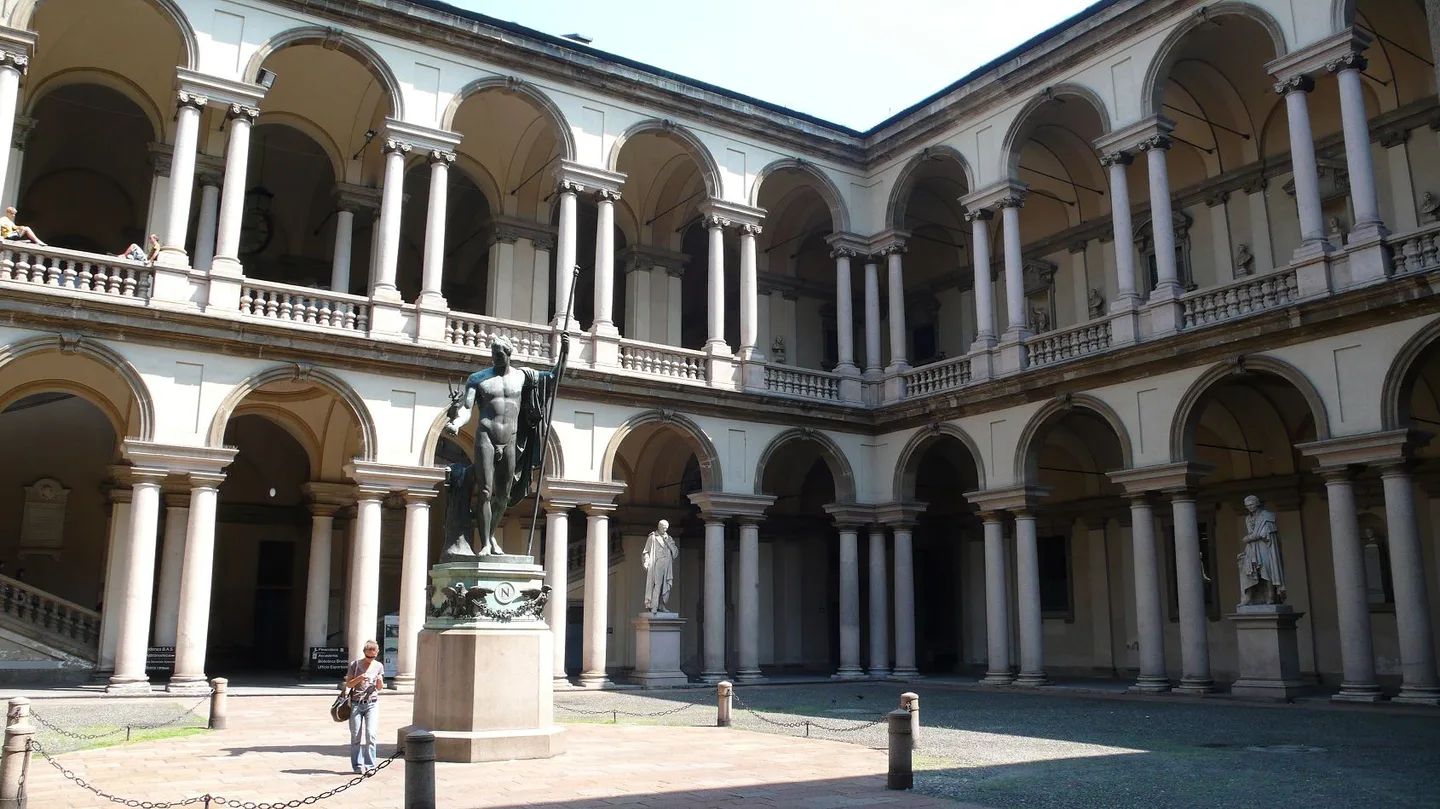
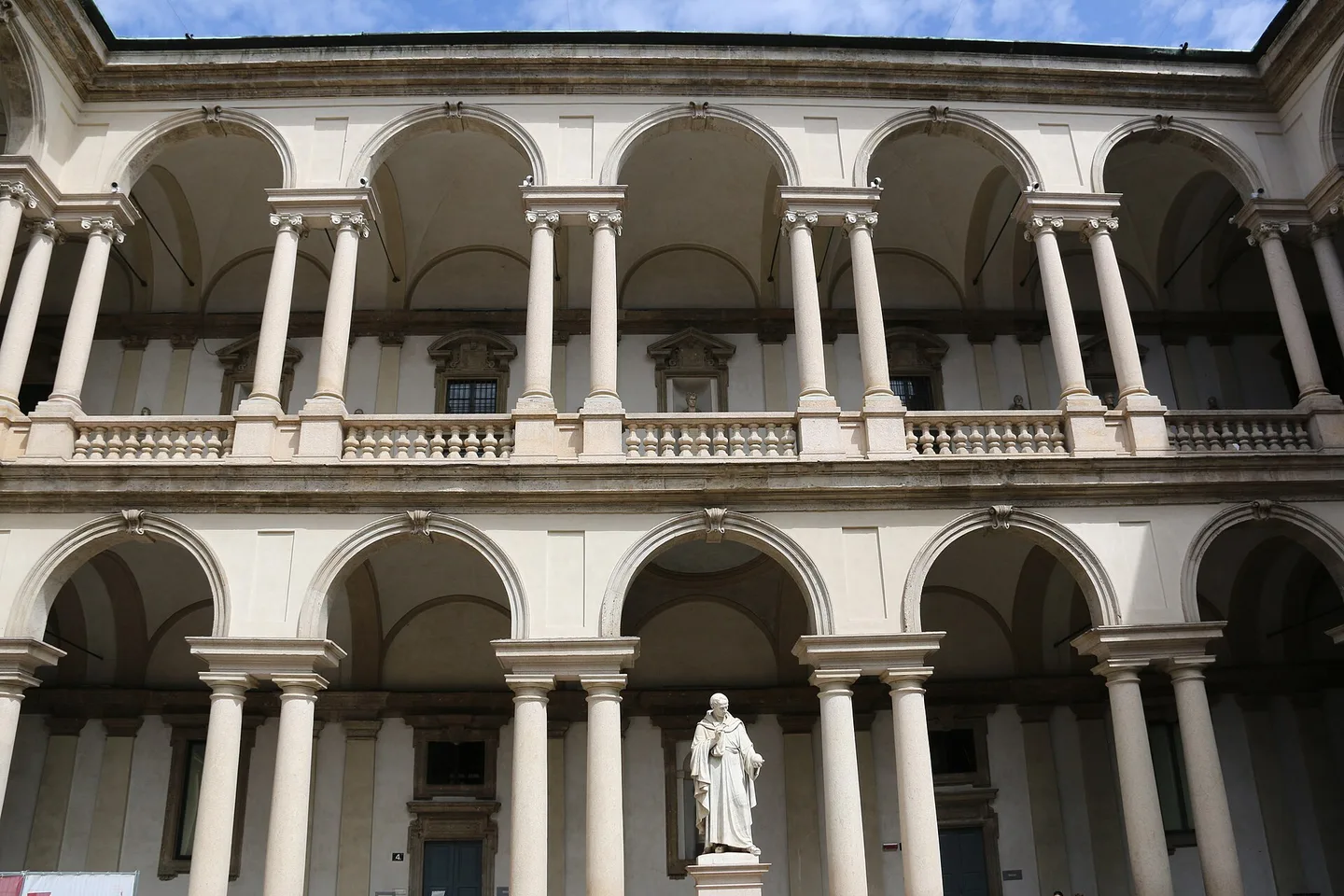
Stepping off the cobbled pavements into the grand double-arched courtyard of Palazzo Brera reveals a serene transition away from city traffic. The surrounding arcades frame a peaceful open space centred around a monumental bronze statue of Napoleon portrayed as Mars the Peacemaker. We pause under the covered ground-floor portico to admire the stone balustrades before climbing the wide staircase towards the gallery entrance.
The palace itself brings together historic academic institutions, an astronomical observatory, and the prestigious botanical garden behind ancient brick walls. Light filters across the colonnades, giving travellers an immediate sense of Milanese civic dignity and scholarly focus. You can stroll through the courtyard freely, taking in classical sculptures set between monumental pillars that line the perimeter.
Approaching the gallery from the narrow pedestrian lanes allows visitors to absorb the historic atmosphere of the surrounding district. After picking up timed entry passes at the main reception, we climb the monumental stone stairs up to the first-floor exhibition rooms.
The architectural layout of the palace reflects centuries of intellectual ambition and artistic refinement across Lombardy. Ground-floor corridors connect scholarly libraries with quiet teaching studios that once formed the nucleus of Milanese fine arts education. Visitors often notice the interplay between outdoor stone masonry and the quiet academic halls that surround the central courtyard.
Navigating the Renaissance and Baroque Galleries
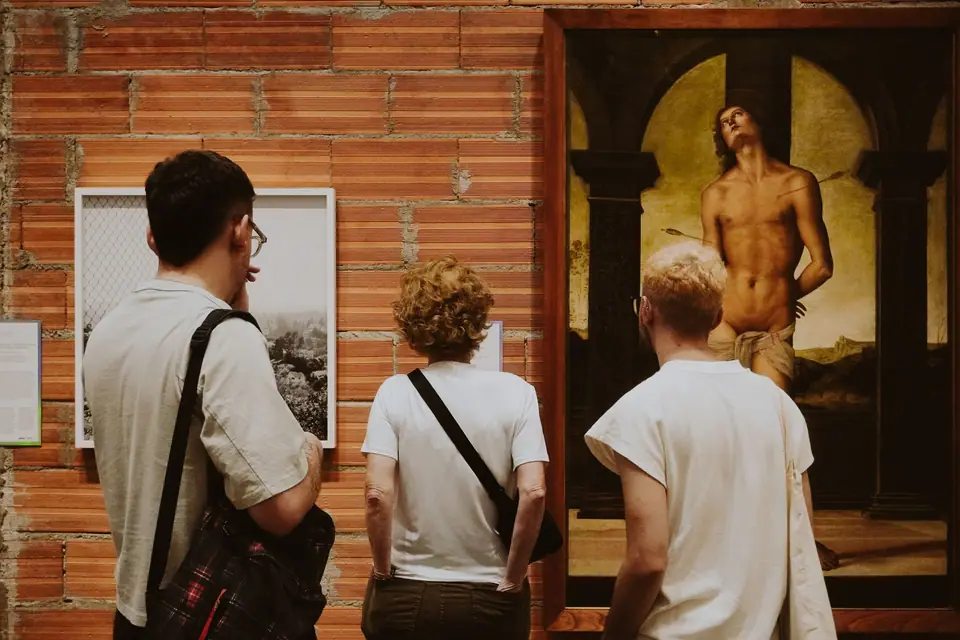
Entering the upper floor opens into an expansive sequence of carefully lit rooms arranged largely by regional school and chronology. Venetian masters dominate the early halls with deep crimson pigments, luminous golden backdrops, and expressive biblical scenes painted on grand canvases. We move between quiet halls where daylight streams through tall windows onto dark hardwood floors.
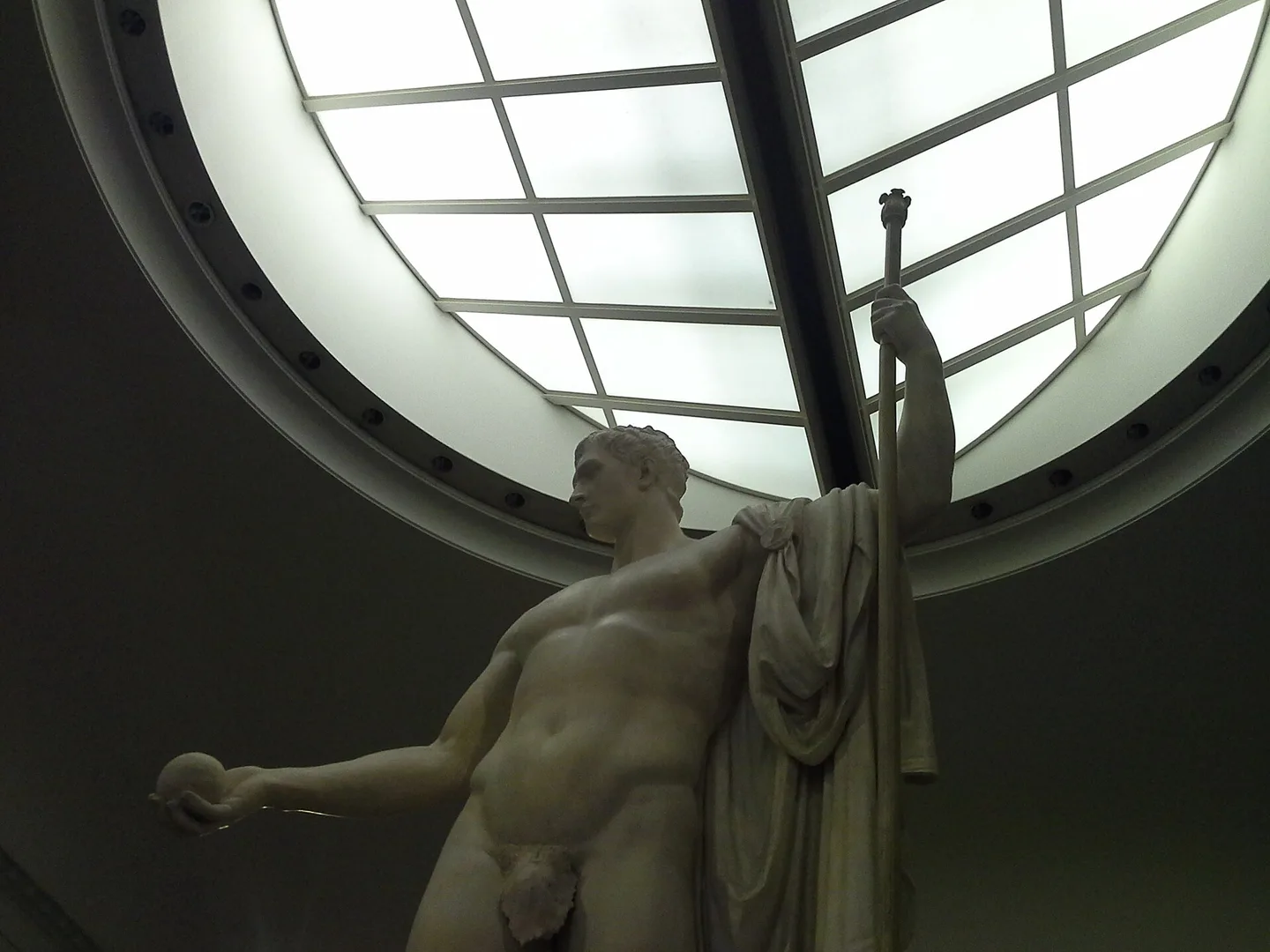
The Lombard and central Italian rooms showcase delicate perspective, intricate draughtsmanship, and striking emotional restraint across devotional panels. Sculptural pieces and classical replicas appear throughout key transition spaces, reinforcing the close dialogue between painterly form and three-dimensional stone. Each room offers benches where one can sit quietly and study subtle brushwork from close range.
Moving deeper into the northern wings, the dramatic chiaroscuro of Baroque altarpieces contrasts vividly with the gentle geometry of earlier Renaissance frescoes. Careful curation allows each canvas room to breathe, preventing the visual exhaustion often found in denser national galleries. We advise walking slowly through the smaller secondary cabinets where intimate portraiture reveals private glimpses of historic Italian courts.
Devotional triptychs and gilded wood panels demonstrate the technical mastery achieved by early painters working with tempera and egg emulsion. The gradual adoption of oil glazes created richer depths and atmospheric realism across subsequent generations of northern artists. Walking through these chronological halls clarifies how Italian visual culture evolved from formal religious iconography into humanistic observation.
Curating Your Room-by-Room Gallery Route
To experience the vast collection comfortably without missing signature halls, structuring your visit around clear thematic wings proves beneficial. We recommend spending unhurried time in the central rooms before progressing towards later expressive works.
| Gallery Wing | Primary Focus | Key Atmosphere |
|---|---|---|
| Courtyard and Portico | Classical architecture and monumental bronze sculpture | Open-air classical calm with shaded double arcades |
| Venetian Halls | Luminous colourists and grand narrative canvases | Deep crimson tones, dramatic maritime scale, rich gilding |
| Lombard and Central Rooms | Early Renaissance perspective and devotional altarpieces | Intimate draughtsmanship, serene geometry, quiet natural light |
| Baroque Chambers | Chiaroscuro masterworks and large-scale religious scenes | High emotional drama, stark shadows, monumental framing |
Following this measured progression keeps your route coherent and lets you compare shifting artistic approaches across historic Italian regions. Many visitors choose to pair this artistic exploration with timed visits to see the wall paintings at the Last Supper across town. Planning distinct morning and afternoon art sessions keeps your visual appreciation fresh and rewarding.
Taking short pauses between major wings helps maintain your concentration as you study intricate iconographic details across diverse schools of painting. The transition hallways also offer pleasant elevated views overlooking the central courtyard and its classical statuary below. Moving at a steady, contemplative pace lets each regional masterwork resonate without sensory overload.
Neighbourhood Walking Connections and Urban Rhythm
Leaving Palazzo Brera brings you directly into the bohemian heart of the creative Brera neighbourhood. Cobbled alleys, traditional stationers, artisan perfumeries, and historic reading rooms branch out in every direction from the main museum gates. We enjoy walking these pedestrian paths in late afternoon when the streetlights begin reflecting softly off damp stone paving.
- Walk south along shaded stone corridors towards the marble spires of Duomo di Milano through central shopping streets.
- Relax in nearby courtyard cafes to compare gallery impressions over fragrant espresso before heading south towards the canals of Navigli.
- Stroll through the shaded botanical gardens hidden behind the palazzo palace walls for a quiet botanical respite.
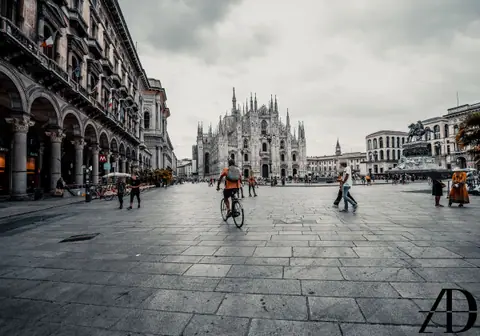
- Continue across town to explore wider cultural districts and regional train hubs across greater central Milan.
The quiet rhythm of this museum quarter presents a delightful contrast to the energetic commerce found across the wider metropolis. Taking time to absorb both the grand paintings inside the galleries and the charming streetscapes outside creates a deeply satisfying cultural excursion.
Art lovers can easily spend an entire afternoon wandering the quiet side streets after concluding their tour of the upper galleries. Independent bookshops and historic art supply vendors continue to serve local students and international travellers alike along these historic stone alleys. Ending your cultural day here balances classical visual art with contemporary Milanese street life.
Official prices and opening hours
- Duomo di Milano (Cathedral, Terraces & Museum)Official site ↗
- Cenacolo Vinciano (Leonardo’s Last Supper)Official site ↗
Where it is
- 1Pinacoteca di Brera
- Milano Linate Airport (LIN) · about 8 km from here in a straight line
- Directions in Google Maps
Stations and taxi ranks: OpenStreetMap. Airports: OurAirports. Distances are in a straight line.
Traveller tips
Real advice from people who have been to Milano. Every tip is read by our team before it goes live.
No tips yet. Been here? Yours could be the first.
Thank you! Your tip will appear here after a quick review.
More in Milano
Continue exploring Milano with related neighbourhood, food, and planning guides