Milano
Milano combines historic Lombard heritage, major art collections, efficient underground transit, and rich culinary traditions across distinct, walkable neighbourhoods.
Quick decisions
How many days?
Three full days allow travellers to visit major art collections, historic churches, and central neighbourhoods without rushing your schedule.
Where should I stay?
Choose central districts near metro stops or quieter residential quarters like Porta Venezia to balance transit access and restful evenings.
Do I need a car?
Avoid driving inside the city centre entirely, because strict low-emission zones, limited permits, and dense traffic make cars impractical.
Best for
Art historians, architecture admirers, and urban explorers who enjoy classic Northern Italian cuisine and walkable historic quarters appreciate the city.
Before you go
Reserve museum tickets well ahead of your arrival date, as popular frescos and galleries enforce strict advance booking policies.
Getting around
Use the comprehensive metro network, historic tram lines, and extensive suburban rail routes that connect all central railway stations efficiently.
Continue your trip
Board fast regional trains to northern lakes, or take high-speed rail south towards central Italian cultural centres across the country.
Overview
Milano stands as the financial capital of Italy, yet its core remains deeply rooted in centuries of artistic tradition. Travellers discover a dynamic blend of grand Renaissance architecture, imposing medieval fortifications, and leafy parks surrounding central thoroughfares. The city rewards visitors who move beyond business facades to explore winding lanes lined with small galleries, quiet courtyards, and family bakeries.
Daily life moves briskly along grand boulevards, but local rhythms soften around neighbourhood squares during late afternoon coffee breaks and evening aperitivo hours. Visitors find that distinct districts offer sharply contrasting flavours, from the bohemian corners of Brera to the historic canal banks of Navigli. Clear pedestrian routes connect major public squares, allowing effortless exploration across the flat Lombard landscape.
The local climate shifts markedly across the seasons. Winter brings cool conditions, with January recording an average daytime high of 7.8°C and an overnight low of -0.6°C. By contrast, midsummer sees warm afternoons where July reaches an average high of 29.9°C and an overnight low of 20.1°C. Rainfall occurs regularly across all seasons, with May averaging 164 mm across 16 wet days and November recording 142 mm across around 11 wet days.
Travellers can adjust their walking itineraries around these seasonal weather patterns. Spring and early autumn bring comfortable temperatures for exploring outdoor monuments and residential quarters on foot. During wet spells or warmer summer afternoons, expansive covered arcades, shaded courtyards, and air-cooled museum galleries offer pleasant shelter.
Getting there
Arriving by rail brings passengers into central Milano through monumental termini with direct underground connections to historic districts. High-speed services connect the city smoothly with other major Italian hubs, eliminating any need for private vehicle transport. Travellers landing at nearby international air gateways find dedicated airport express trains and frequent shuttle coaches running directly into the centre.
Urban journeys rely heavily on an integrated transit network that includes modern underground lines, historic street-level trams, and clean municipal buses. The transit agency divides ticketing across concentric travel zones, making ticket purchases straightforward at station kiosks or digital touchpoints. Pedestrians can easily navigate central zones, though boarding a yellow historic tram offers a classic way to cross broad urban avenues.
Connecting onwards to regional destinations remains simple due to frequent train frequencies from major rail hubs. Travellers planning multi-city itineraries can easily board direct high-speed services heading south toward Florence or coastal routes leading west toward Genoa. Ticket validation machines stand at platform entrances, so passengers must stamp physical paper passes before stepping onto regional rail carriages.
Where to stay
Selecting an ideal base depends on personal preferences for nighttime quiet, proximity to major monuments, and straightforward access to transit links. Staying within the historic centre places prominent landmarks on your doorstep, though street noise and crowds remain high through the evening. Selecting rooms in elegant Brera offers atmospheric cobblestone streets, charming artisan shops, and immediate access to classic trattorias.
Travellers seeking a relaxed residential atmosphere often prefer the tree-lined avenues of Porta Venezia or the contemporary surroundings of Porta Nuova. Both areas offer reliable metro connections, pleasant urban green spaces, and a diverse range of neighbourhood dining options. Staying near the central railway station offers practical convenience for early-morning regional day trips, though side streets require regular urban awareness after dark.
Budget-conscious visitors often explore residential districts located just beyond the primary ring road. Areas surrounding Corso Buenos Aires and Città Studi feature family-run pensioni, modern hostels, and convenient access to underground line 1. These neighbourhoods retain authentic local grocery shops, casual cafes, and affordable pizzerias frequented by resident university students.
Things to do
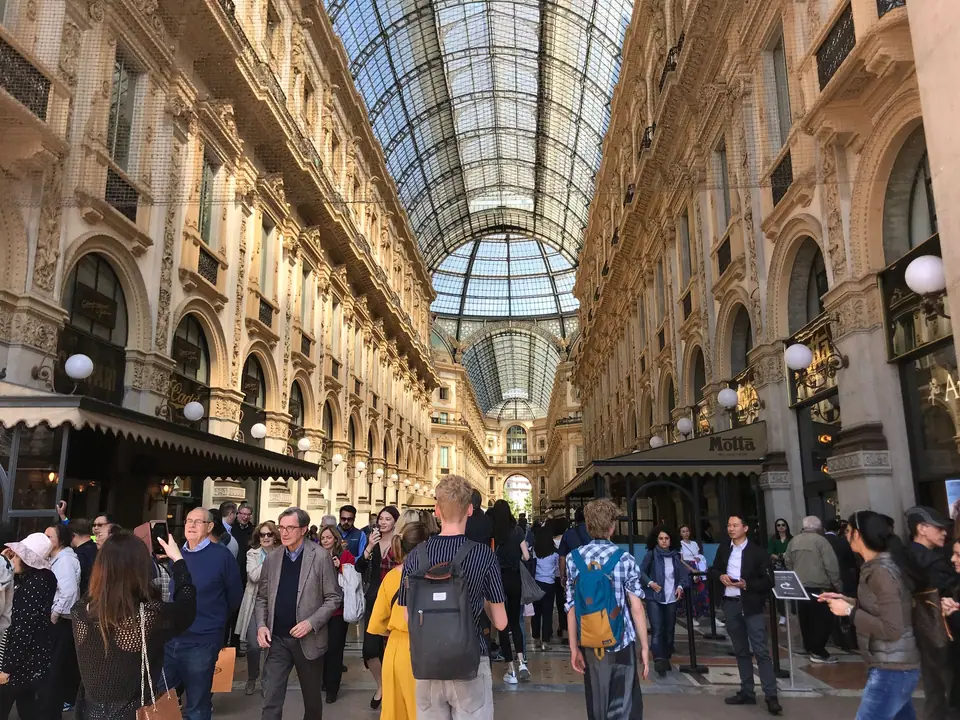
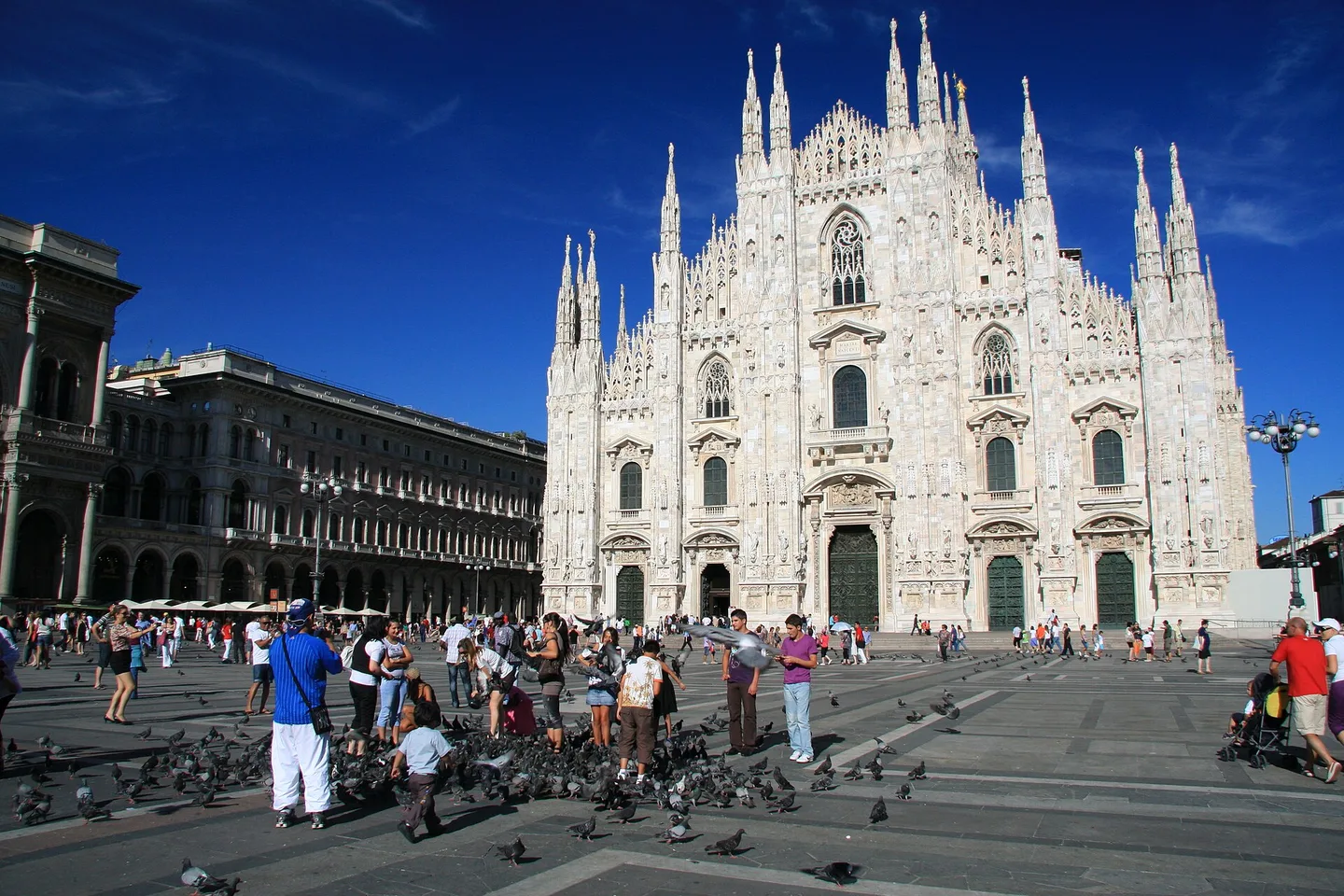
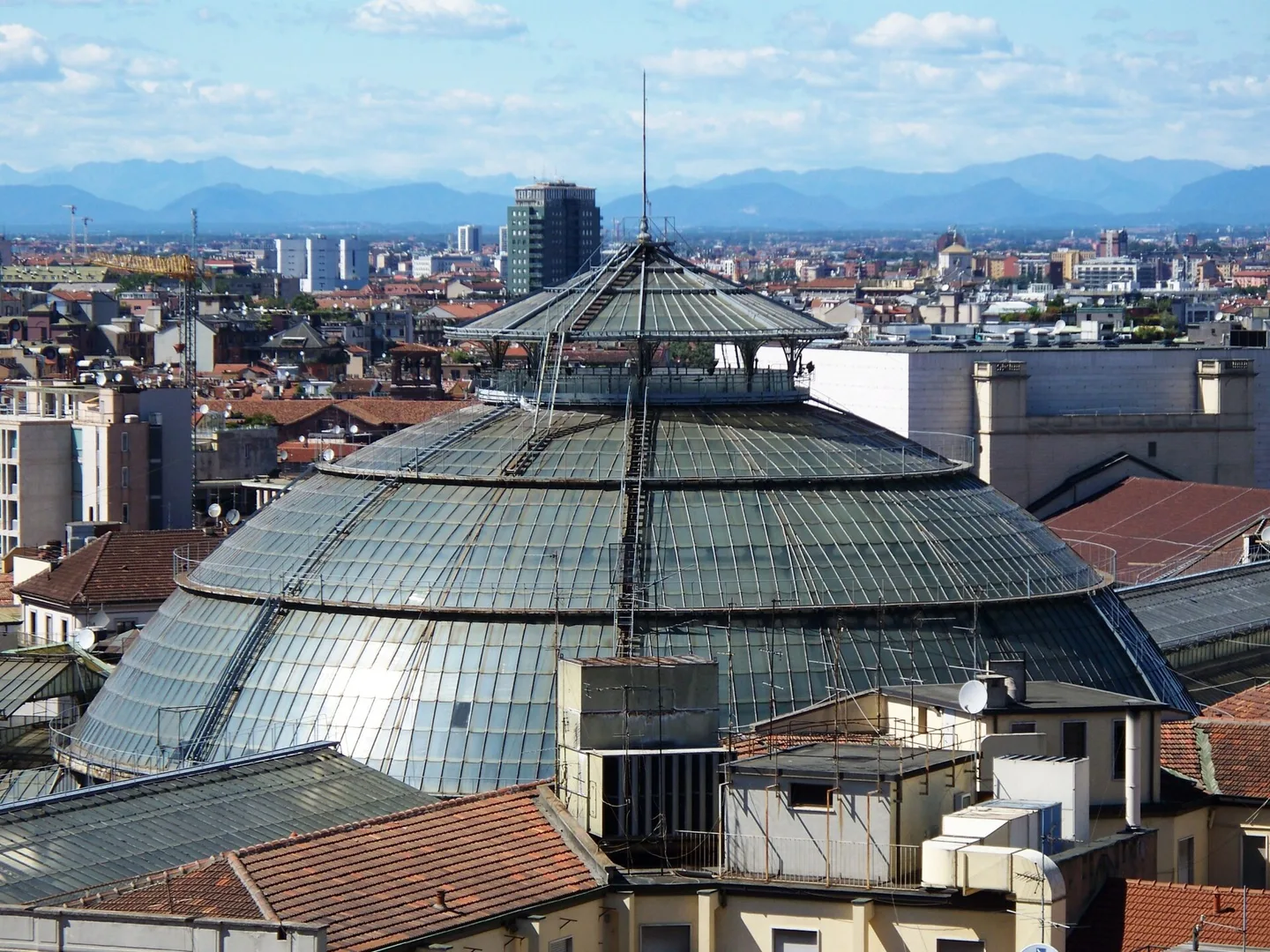
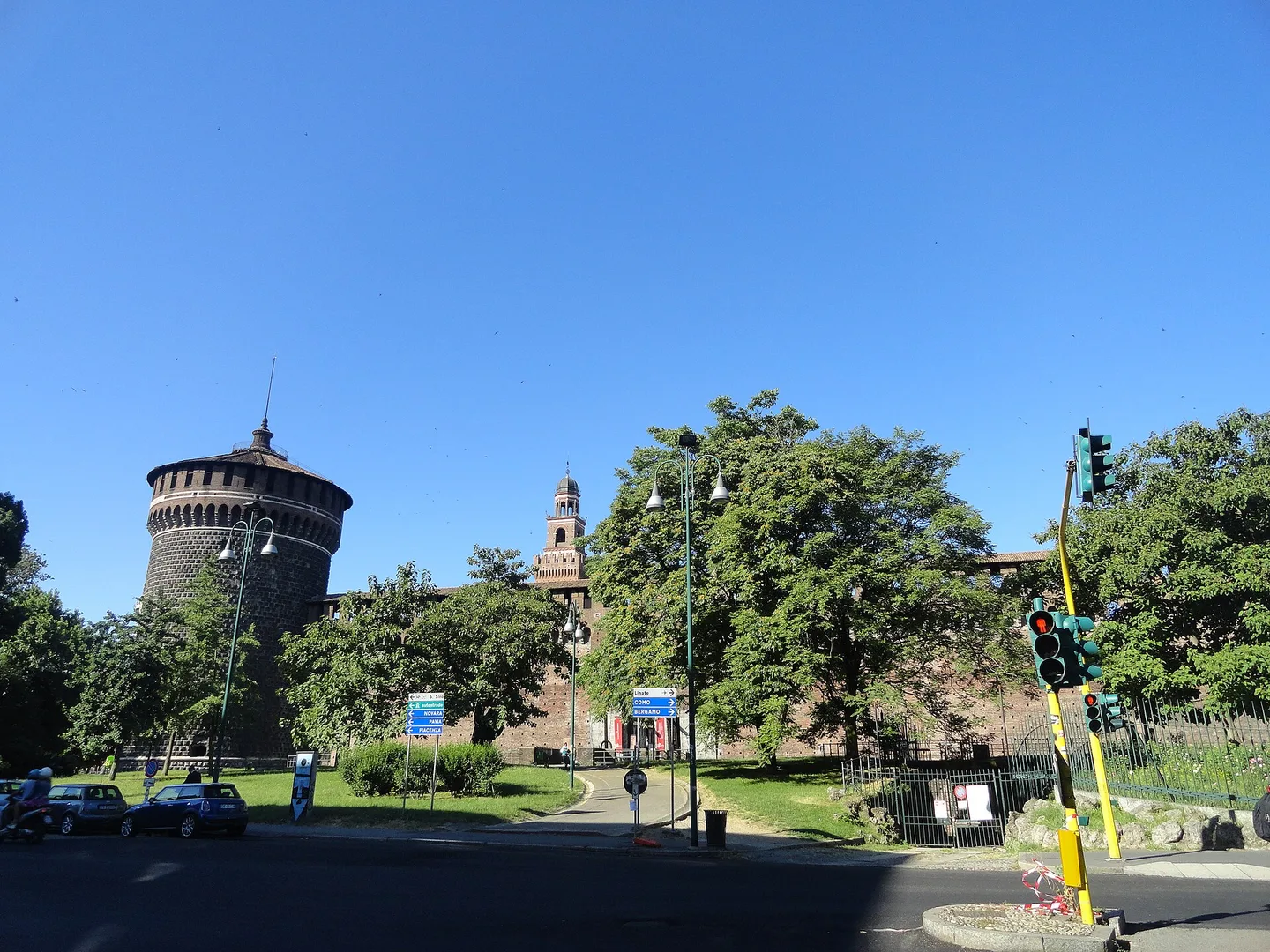
A visit naturally starts around the vast cathedral square, dominated by intricate Gothic spires, sculpted marble, and wide stone plazas. Strolling through the soaring glass-vaulted arcade of the Galleria Vittorio Emanuele II connects visitors directly to legendary opera venues and elegant historic cafes. The monumental fortress of Sforza Castle houses rich municipal collections, leading outward into the broad green lawns of Parco Sempione.
Art lovers must plan carefully to secure entry for Leonardo da Vinci's celebrated masterpiece inside the refectory of Santa Maria delle Grazie to see the Last Supper. The nearby Pinacoteca di Brera displays exceptional Italian Renaissance canvases within an imposing baroque palace complex. Taking time to wander quieter sanctuaries, such as San Maurizio al Monastero Maggiore, reveals extraordinary Renaissance wall paintings without overwhelming tourist crowds.
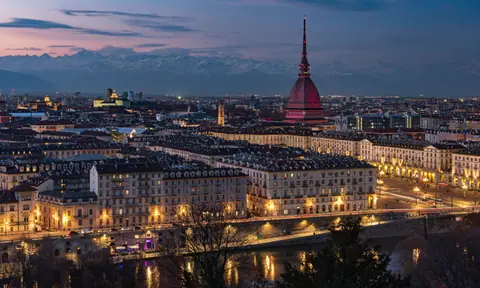
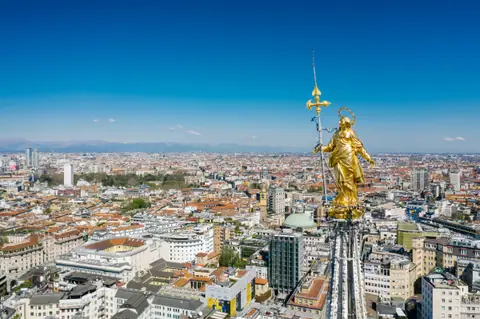
The rooftop terraces of the Duomo di Milano offer remarkable perspectives over carved marble pinnacles and the city skyline. On clear winter days, visitors can view the distant snow-capped peaks of the Italian Alps across the flat Lombard plain. Down below, the historic opera house of Teatro alla Scala stands across the square, accompanied by its dedicated theatre museum.
Collectors and scholars also frequent the Pinacoteca Ambrosiana, which preserves master drawings, historic manuscripts, and classic Renaissance paintings. Walking between these varied cultural sites introduces visitors to centuries of architectural shifts, moving from medieval brickwork to modern urban towers.
Food and drink
Lombard cooking favours butter, cream, and slow-braised meats over the olive oil and tomato foundations found further south. Classic meals centre around creamy saffron risotto, breaded veal cutlets fried in clarified butter, and tender ossobuco braised with fresh lemon gremolata. In autumn and winter, local bakeries fill display windows with dome-shaped artisanal panettone loaded with candied citrus peel and plump raisins.
The evening aperitivo remains an essential social ritual across neighbourhood bars, especially along the waterside promenades of the historic Navigli canals. Patrons order bitter herbal aperitifs or regional sparkling wines, which come accompanied by small plates of olives, cured meats, and regional cheeses. Dining later in the evening allows travellers to experience authentic local pacing, particularly within classic family-run osterie tucked away on quiet residential side streets.
Sampling authentic Milanese food reveals a proud culinary tradition that mirrors the agricultural abundance of the surrounding Po River valley. Local menus routinely highlight rich polenta dishes, gorgonzola and taleggio cheeses, and slow-simmered vegetable minestrone served at room temperature during warmer summer months. Concluding a meal with a rich espresso at a stand-up counter provides an authentic glimpse into everyday Lombard life.
Culture
Milano maintains a refined urban culture where polite social interactions, modest cathedral dress codes, and punctual schedules are widely respected. Entering historic churches requires covered shoulders and modest attire, meaning visitors should carry a light scarf or jacket during warmer summer visits. Museum spaces often require quiet contemplation, and photography rules vary considerably between municipal galleries and fragile ecclesiastical sites.
Locals take immense pride in regional design heritage, fashion craftsmanship, and performing arts, which flourish throughout the calendar year. Learning basic Italian greetings and ordering customs earns warm appreciation from counter staff, waiters, and shopkeepers across neighbourhood quarters. Respecting local queue etiquette and allowing passengers to disembark from metro carriages first helps maintain pleasant transit journeys throughout your Lombard holiday.
Cultural etiquette also extends to daily dining and coffee habits. Locals drink cappuccino primarily during morning hours alongside a sweet pastry, preferring short espresso after lunch and dinner. Tipping is not mandatory in casual osterie, though rounding up the bill or leaving modest coins for courteous table service is welcomed by waitstaff.
Official prices and opening hours
- Duomo di Milano (Cathedral, Terraces & Museum)Official site ↗
- Cenacolo Vinciano (Leonardo’s Last Supper)Official site ↗
- ATM Milano Urban Transit (Mi1–Mi3 Fare Zones)Official site ↗
Weather by month
Milano is warmest in July, with average highs around 30°C, and coldest in January, when nights drop to about -1°C. May is the wettest month by rainfall (164 mm), with rain on about 16 days. For mild weather with fewer rainy days, aim for April and September.
| Month | Low | Range | High | Rain | Rainy days |
|---|---|---|---|---|---|
| Jan | -1°C | 8°C | 49 mm | 6 d | |
| Feb | 2°C | 11°C | 81 mm | 8 d | |
| Mar | 4°C | 14°C | 76 mm | 9 d | |
| Apr | 8°C | 18°C | 88 mm | 9 d | |
| May | 13°C | 22°C | 164 mm | 16 d | |
| Jun | 18°C | 27°C | 115 mm | 11 d | |
| Jul | 20°C | 30°C | 100 mm | 12 d | |
| Aug | 20°C | 29°C | 106 mm | 10 d | |
| Sep | 16°C | 24°C | 122 mm | 10 d | |
| Oct | 11°C | 19°C | 142 mm | 11 d | |
| Nov | 5°C | 12°C | 111 mm | 11 d | |
| Dec | 1°C | 8°C | 64 mm | 7 d |
Averages of daily values from 2015 to 2024. Rainy days are days with at least 1 mm of rain. Source: Open-Meteo · Compare destinations by month.
Milano on the map
Every place we cover in Milano. Tap a category or pin to explore.
In-depth Milano guides
Browse the guides grouped by topic: sights, neighbourhoods, food, transport, day trips and trip planning.
Sights, Landmarks & Parks
Key monuments, viewpoints, museums and nature trails.
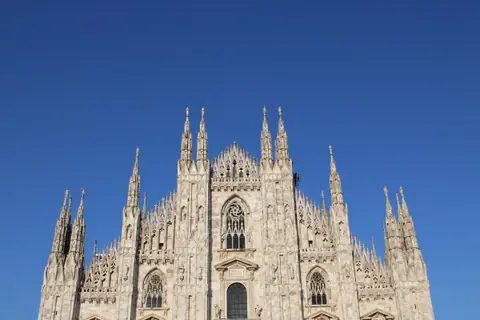 Milan Cathedral and Rooftops GuideSoaring Gothic marble naves, subterranean remains, and pinnacle pathways define the high terraces of Duomo di Milano.
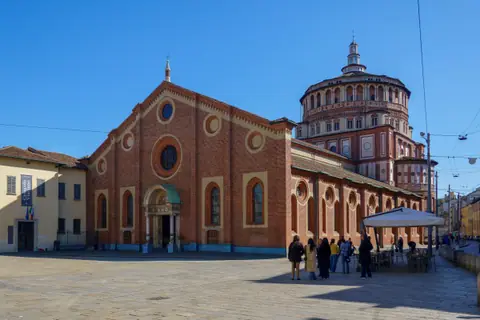 Visiting Leonardo’s Last Supper in MilanoViewing Leonardo da Vinci’s masterpiece at Santa Maria delle Grazie requires advance preparation and thoughtful walking plans through historic western Milano.
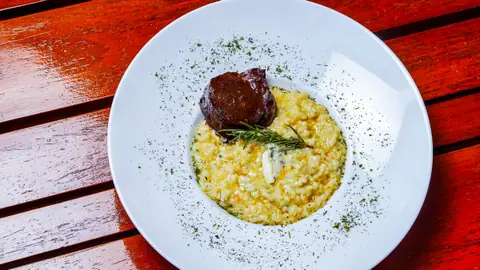 Milanese Culinary Traditions and Historic Dining QuartersTraditional Milanese food pairs butter, rich broths, and saffron across historic trattorias and neighbourhood bakeries throughout northern Italy.
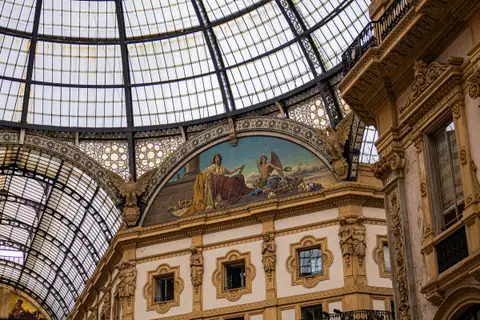 Galleria Vittorio Emanuele II Walking and Architectural GuideGalleria Vittorio Emanuele II connects the cathedral piazza to Teatro alla Scala beneath four soaring glass and cast iron vaults.
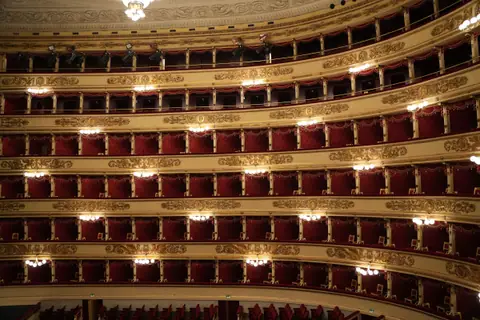 Teatro alla Scala Guide: Milan's Legendary Opera HouseNeoclassical arches on Piazza della Scala anchor museum galleries, square approaches, and walking links across central Lombardy streets.
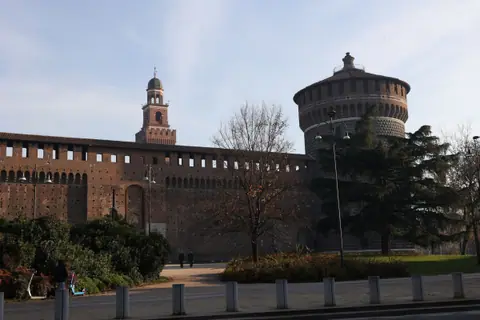 Castello Sforzesco Field Guide: Courtyards, Art Collections, and Park ConnectionsCastello Sforzesco stands as an imposing brick stronghold connecting central urban avenues with broad municipal parkland in northern Italy.
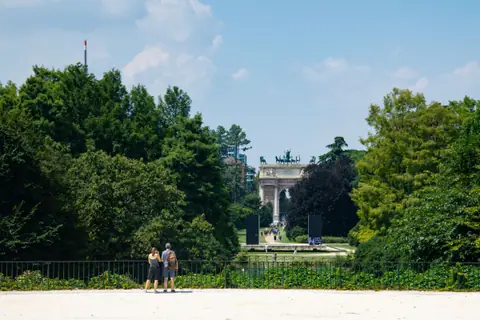 Parco Sempione: Green Paths, Castles, and City GatesParco Sempione spreads behind Castello Sforzesco, offering shaded gravel paths, sweeping lawns, and pedestrian links toward neighboring districts.
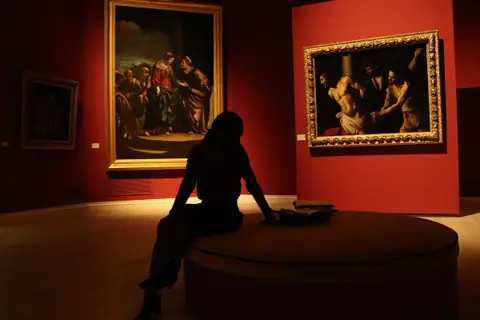 Pinacoteca Ambrosiana: Art and History in Central MilanoRenaissance masterpieces and tranquil rooms steps away from central monuments fill the historic Pinacoteca Ambrosiana in central Milano.
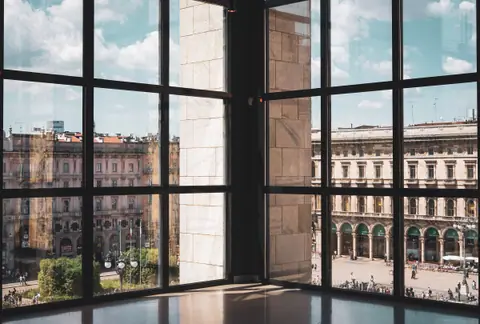 Museo del Novecento: Modern Art Facing the DuomoMuseo del Novecento showcases influential twentieth-century Italian art inside the converted Palazzo dell'Arengario directly overlooking the central cathedral square.
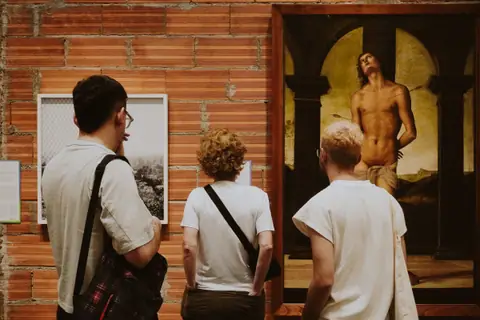 Pinacoteca di Brera: Art Heritage and Courtyard PathsNorthern Italian Renaissance painting collections alongside serene neoclassical courtyards await inside the historic Palazzo Brera.
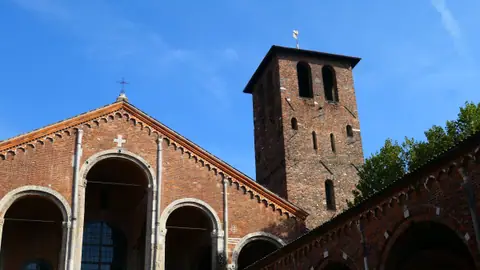 Basilica of Sant’Ambrogio: Milan’s Romanesque MasterpieceAncient brick courtyards and Romanesque arcades define the historic Basilica of Sant'Ambrogio in central Lombardy.
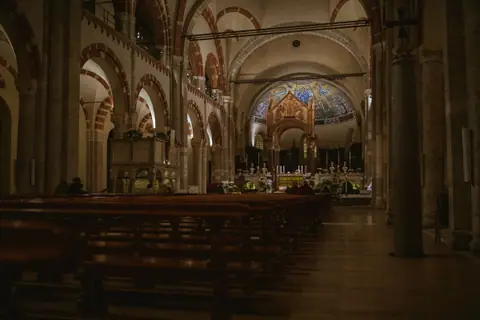 San Maurizio al Monastero Maggiore: Milan Painted Renaissance SanctuaryStep inside San Maurizio al Monastero Maggiore to admire walls lined with Renaissance frescoes right in central Milano.
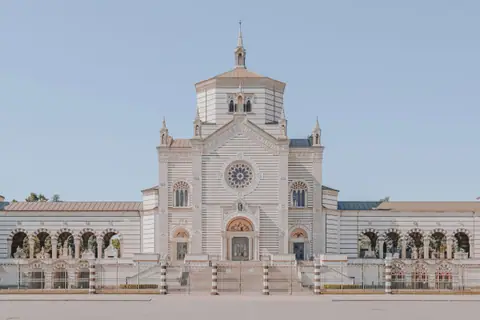 Milan's Monumental Cemetery: Grand Architecture and Outdoor SculptureMilan's Monumental Cemetery serves as an expansive open-air museum filled with intricate marble chapels, bronze statues, and quiet tree-lined avenues.
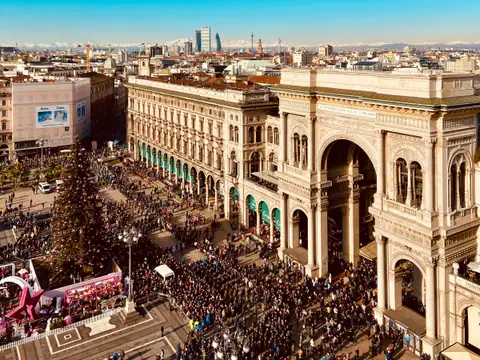 Milan Retail and Fashion StreetsDiverse shopping avenues, design arcades, and independent boutiques fill historic neighbourhoods of Milan.
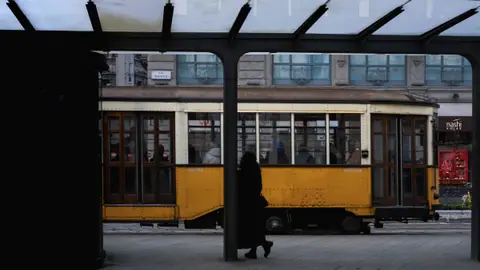 Milan Public Transport: Metro Lines, Trams, and Suburban Rail ConnectionsUrban transfers across Lombardy's capital rely on underground metro lines, classic tramways, and suburban railway corridors.
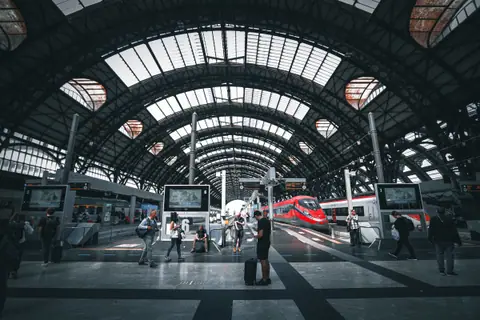 Arriving in Milan: Airport Rail and Metro ConnectionsReaching central Milan from regional runways involves direct rail corridors, underground transfers, and clearly signposted interchange concourses across the city.
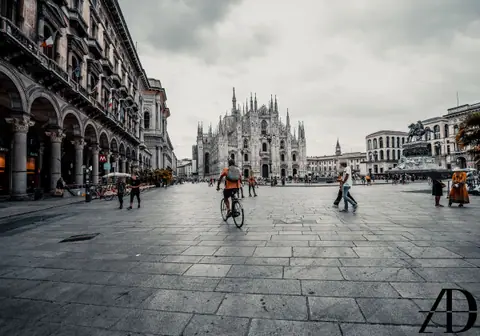 Milan Walking Tour: Duomo to Brera and Historic ArcadesWe trace a central walking route across Milan connecting major squares, covered passages, and historic art courtyards on foot.
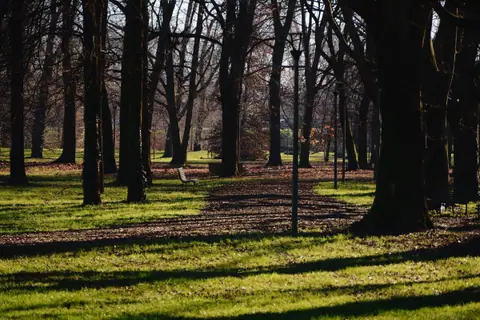 Milan Parks, Public Gardens, and Urban Green SpacesShady urban parklands, quiet villa grounds, and peaceful green walking routes connect central quarters of Milan.
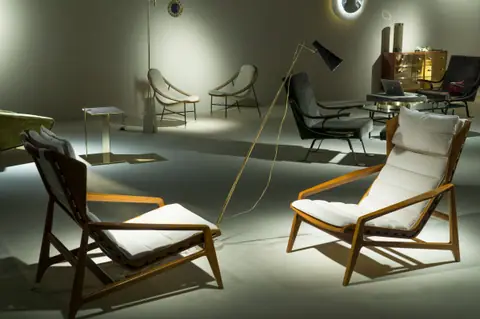 Triennale Milano Architecture and Italian Industrial DesignIndustrial design galleries, distinctive architecture, and leafy Parco Sempione parkland routes define Triennale Milano.
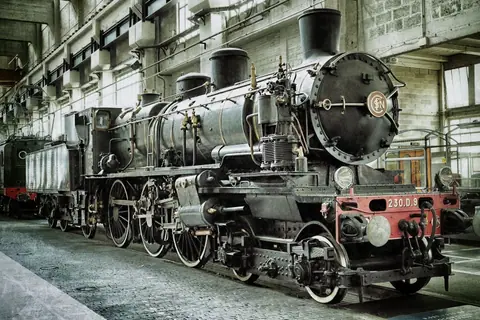 National Museum of Science and Technology in MilanoHistoric cloisters, transport hangars, and engineering galleries fill the science institution inside Milano.
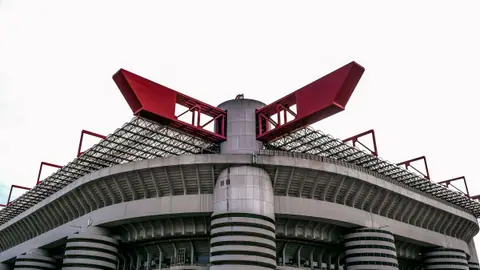 San Siro Stadium: Milan's Football CathedralMassive concrete architecture defines the western suburban stadium of San Siro in Milano, honouring a legendary football legacy.
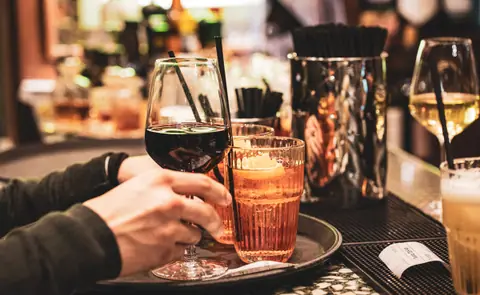 Milan Aperitivo Culture and Evening NeighbourhoodsWe gather in early evening across neighbourhood counters, sharing bitter spritzes, local vermouths, and savoury platters after sunset.
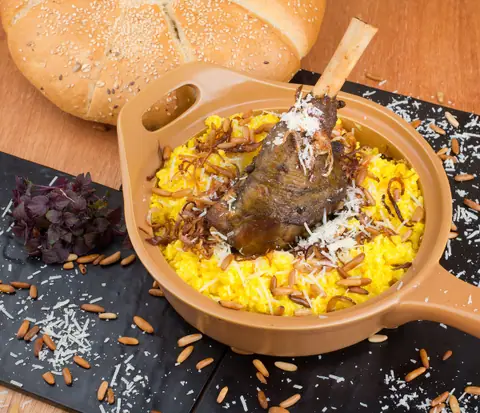 Savouring Authentic Risotto alla MilaneseGolden saffron risotto forms the culinary soul of Lombardy, bringing rich flavours to historic dining rooms across central Milano.
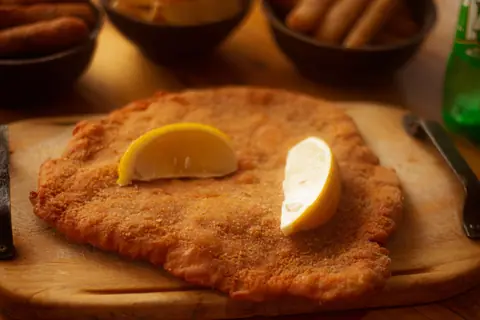 Tasting Cotoletta and Ossobuco Across Historic MilanoSavouring golden cotoletta alla milanese alongside slow-cooked ossobuco reveals the rich culinary craft anchored across traditional dining tables in Milano.
 Panettone in Milan: History, Pasticcerie, and Tasting TraditionsGolden Milanese panettone heritage comes alive through historic bakeries, seasonal baking traditions, and classic local tasting customs.
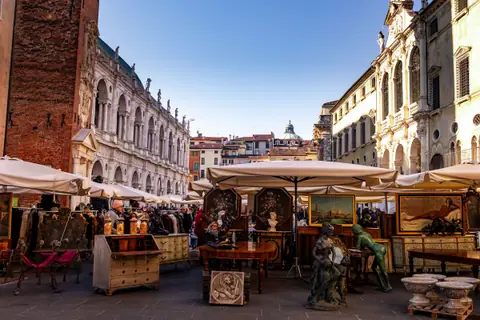 Milano Flea Markets and Vintage ShoppingMilano offers historic waterways, canal basins, and artistic districts that form an evocative setting for vintage clothing, collectables, and open-air markets.
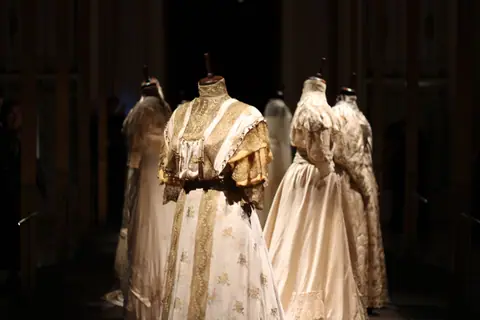 Milan Fashion Museums and Historic Textile CollectionsMilan displays centuries of sartorial history through patrician palazzi, archive collections, and contemporary exhibition spaces across its central districts.
Neighbourhoods & Where to Stay
Districts, historic quarters and the best bases for your stay.
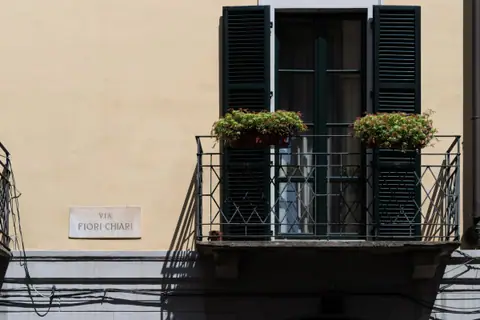 Milan Brera District Field GuidePaved with historic cobblestones and shaded by quiet palace courtyards, Brera remains one of Milan's most characterful quarters.
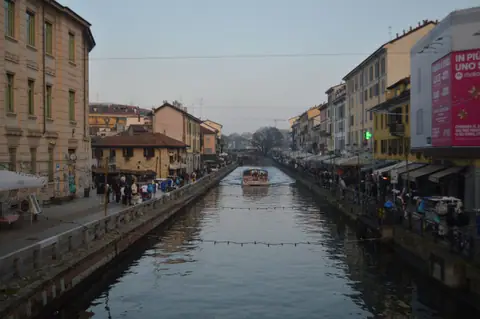 Navigli and Darsena Canal Quarter GuideHistoric waterways, quiet courtyards, and former freight basins link south-western Milano to its Lombard water network.
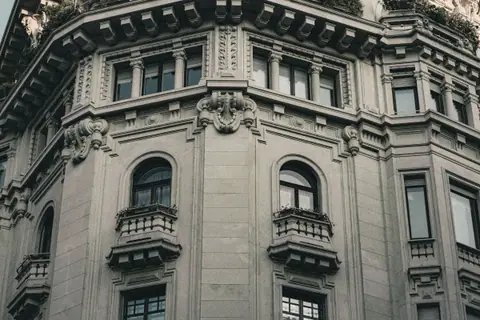 Porta Venezia Neighbourhood Guide: Architecture, Gardens, and StreetsPorta Venezia blends grand neoclassical entrance gates, expansive public parkland, and elegant decorative residential streets in central Milano.
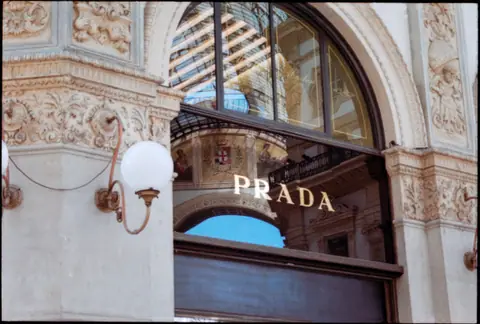 Quadrilatero della Moda Field GuideMilano Quadrilatero della Moda concentrates premier fashion houses and quiet neoclassical courtyards along stone-paved lanes just north of the cathedral square.
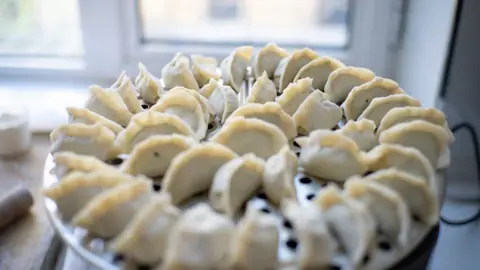 Sarpi and Milan Chinatown Field GuidePedestrianised Via Paolo Sarpi presents a distinct side of Milan where heritage regional bakeries sit beside northern Chinese dumpling kitchens.
 Porta Romana Guide: Streets, Culture, and Local RhythmCalm residential avenues surround the historical city gate of Porta Romana, framing a thriving contemporary arts scene.
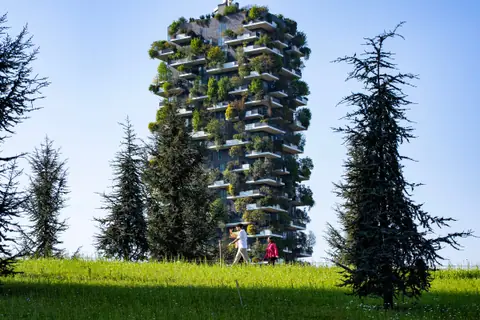 Isola and Porta Nuova Neighbourhood GuideElevated stone squares beneath the towers of Porta Nuova open directly onto the craft streets and botanical lawns of Isola.
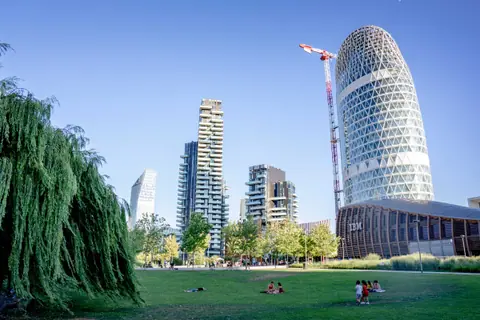 Milano CityLife Architecture and Urban ParklandContemporary skyscrapers, residential complexes, and open gardens shape the redeveloped CityLife district across western Milano.
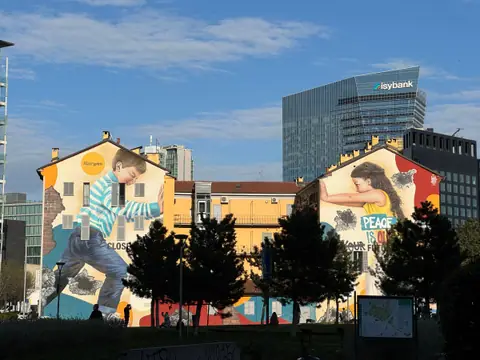 Exploring NoLo in MilanoNoLo offers an energetic neighbourhood atmosphere north of Loreto, mixing residential courtyards, park pathways, and creative community projects across northeastern Milano.
Day Trips & Excursions
Easy half-day and full-day trips from the city.
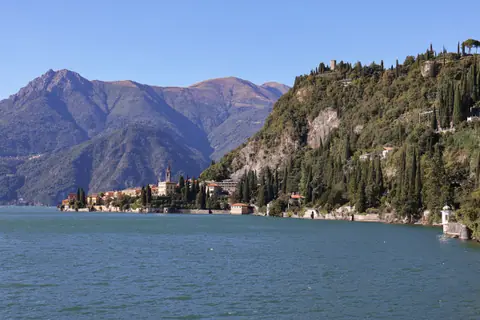 Lake Como Day Trip from MilanoCatch an early regional train from Milano to Varenna, continuing across clear Alpine waters by ferry towards Bellagio.
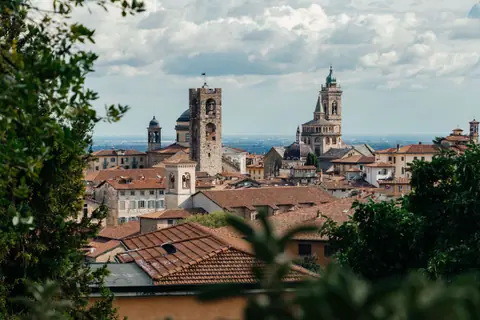 Bergamo Day Trip: Exploring Città Alta and Historic Venetian WallsPerched above the Lombard plain, Bergamo offers historic ramparts, quiet medieval lanes, and ornate Renaissance architecture an easy train journey from Milano.
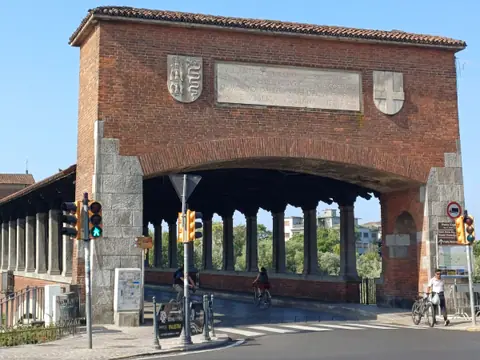 Pavia Day Trip from Milano: Rivers, Covered Bridges and Ancient CloistersQuiet medieval alleys, covered bridges, and peaceful monastery cloisters across the plain await south of Milano in Pavia.
Trip Planning & Itineraries
When to visit, what to pack and day-by-day routes.
Upcoming events in and near Milano
Concerts, festivals and tours with their own guide on JourneyCities. Check dates with the organiser before you book.



Need your embassy or consulate in Italy? See embassies and consulates in Italy.
Reviews
Log in to write a review.
No reviews yet.