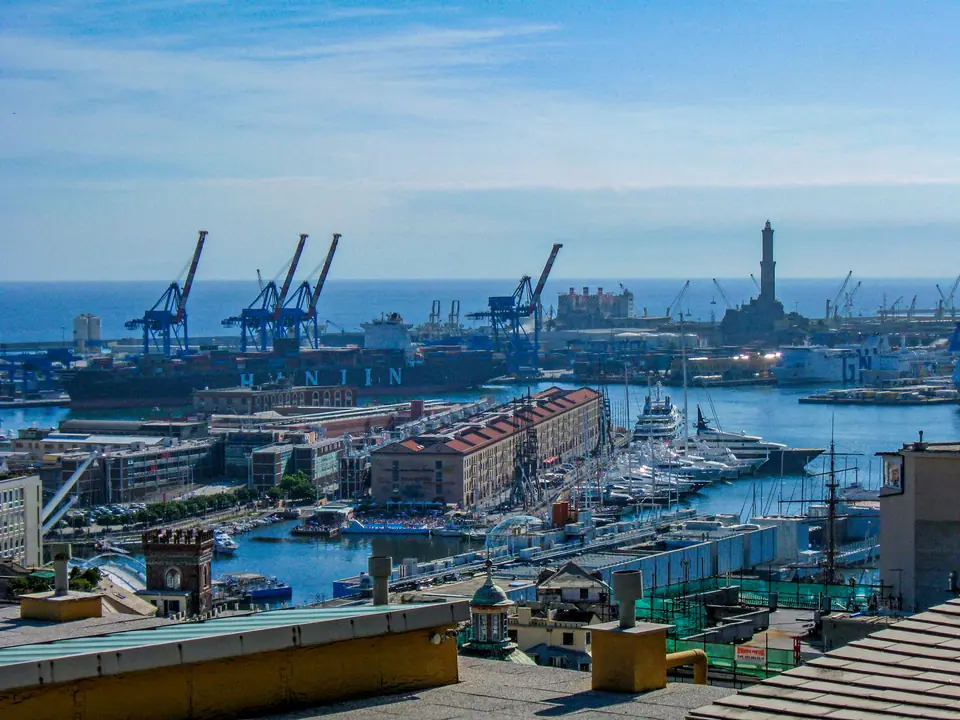
Photo: EvelinaRibarova · CC BY-SA 4.0
Genoa
Genoa blends dramatic maritime heritage, steep cliffside funiculars, and grand Renaissance palaces along the narrow medieval alleys of coastal Liguria.
Quick decisions
How many days?
Plan two to three full days to take in the historic centre, waterfront museums, and seaside promenades comfortably.
Where should I stay?
Choose Piazza Principe for early rail departures or select Castelletto for calmer residential evenings above the crowded alleys.
Do I need a car?
Leave private cars behind because strict environmental driving zones and narrow pedestrian lanes make local rail far simpler.
Best for
Maritime historians, independent walkers, and food lovers who appreciate coastal Ligurian cooking will enjoy the city.
Before you go
Pack flat shoes with reliable grip for polished slate cobbles, and buy AMT public transport tickets before riding cliffside lifts.
Getting around
Rely on local metro trains, urban buses, hillside public lifts, and historic funiculars to scale the steep coastal ridges.
Continue your trip
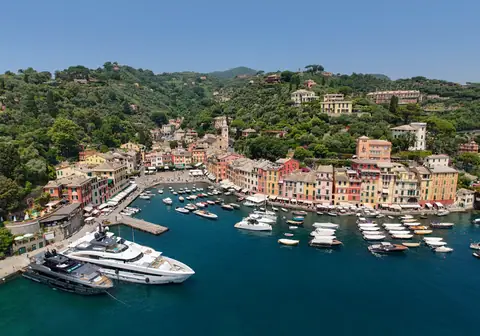
Board direct regional trains towards coastal Portofino or transfer north to Turin and Milan along established northern rail lines.
Overview
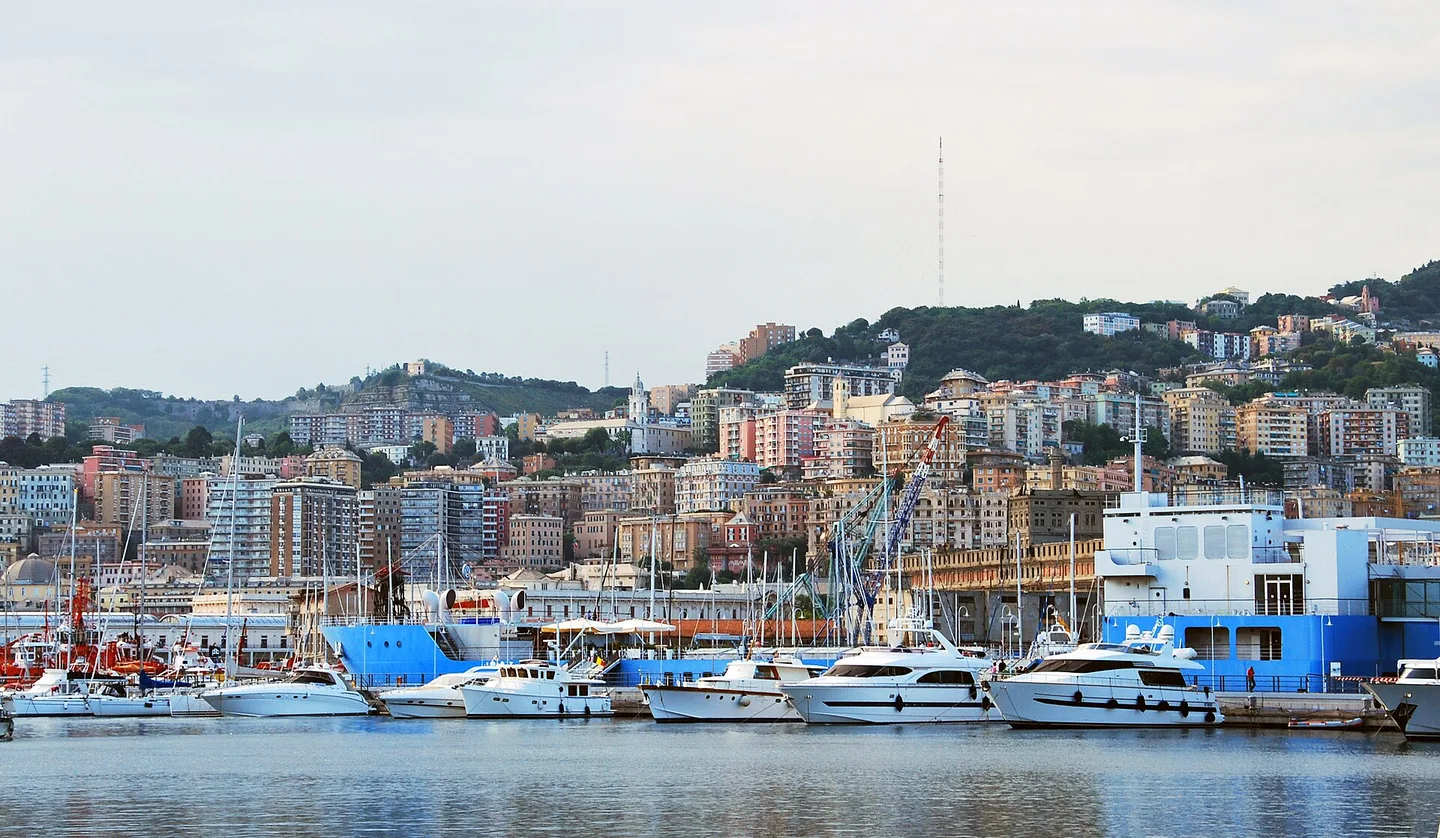
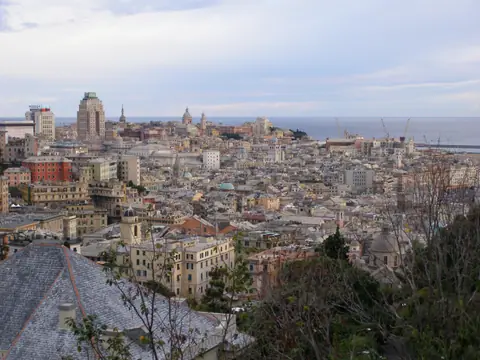
Genoa rises steeply from the Ligurian Sea into rugged coastal hills, creating a deeply layered urban landscape across northern Italy. The historic core preserves shaded alleyways known as caruggi, where medieval stone houses stand beside tall Renaissance residences. Down along the harbour front, commercial docks reflect centuries of Mediterranean trade and shipbuilding.
Walking through the centre reveals sharp shifts between narrow passages and sunlit marble courtyards. Salty sea breezes climb through stone corridors toward elevated hillside terraces. The city remains an active working port where daily trade outweighs staged tourism.
Steep sandstone ridges historically shielded overland routes while funnelling commerce through fortified harbour basins. Modest artisan bakeries share narrow lanes with neighbourhood espresso counters and corner grocers along slate pavements worn smooth by footsteps.
Getting there
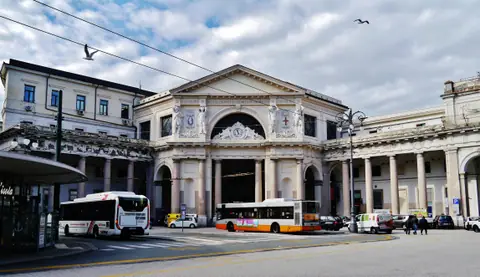
Mainline trains arrive at two primary rail hubs, Genova Piazza Principe in the west and Genova Brignole in the east. Regular rail services connect both stops with Milan, coastal Tuscany, and the French border. Cristoforo Colombo Airport sits on a coastal peninsula west of the city, linked to central stations by scheduled shuttle buses.
Inside the city, the steep terrain relies on a coordinated urban network managed by AMT. Single-line metro tracks link both rail hubs to the harbour basin, while public funiculars, cog railways, and vertical passenger lifts connect lower alleys with upper hillside neighbourhoods.
Regional buses depart from stops near Brignole station toward coastal towns along both Rivieras, running alongside frequent local trains hugging the shoreline. Detailed routes appear in our coastal rail and airport shuttle guide.
Maritime terminals also handle international passenger ferries arriving from Sardinia, Sicily, and Mediterranean ports. Terminal gates sit within clear reach of harbour metro stops, though foot passengers should allow extra walking time between piers and trains.
Where to stay
Selecting a base in Genoa depends on your tolerance for stone stairs and street noise. Flat quarters around Piazza De Ferrari and Via Garibaldi offer easy walking routes to major art galleries, whereas tight alleys inside the medieval core stay lively past midnight.
For quieter nights and harbour views, pick the upper residential slopes of Castelletto or Carignano connected by municipal lifts. Waterfront rooms near the Old Port offer level access to maritime sights; compare bases under harbourfront alleys and hillside districts.
Budget guesthouses occupy upper floors of tall townhouses near Piazza Principe, often without modern lifts yet close to early train platforms. Luxury hotels and restored boutique palazzi cluster along nineteenth-century boulevards with frescoed halls and inner courtyards.
Things to do
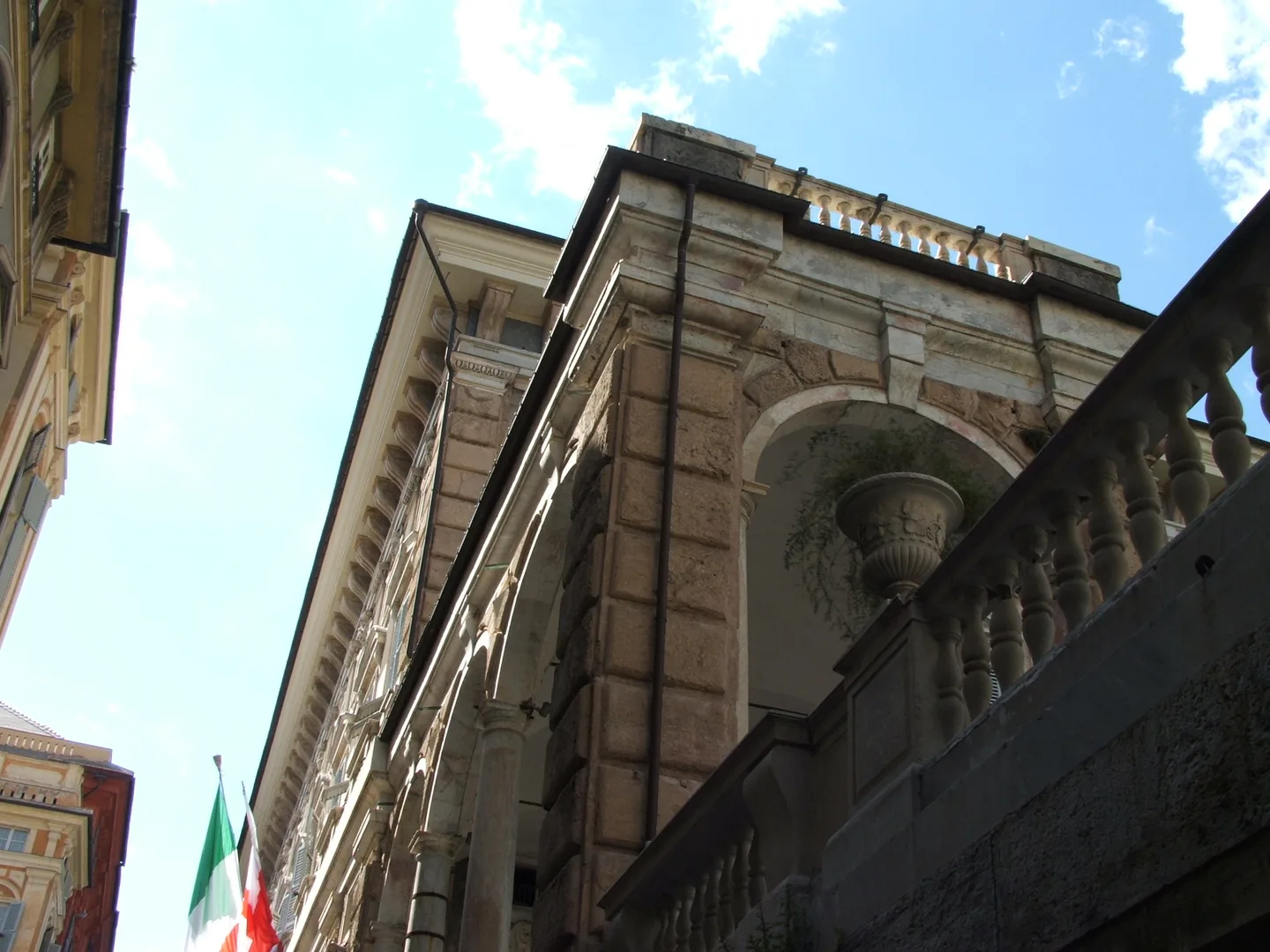
The architectural centrepiece is the Strade Nuove district, home to the UNESCO-listed Palazzi dei Rolli along Via Garibaldi. These aristocratic mansions feature grand open atriums, marble staircases, and hanging gardens, while nearby San Lorenzo Cathedral displays striped stone masonry.
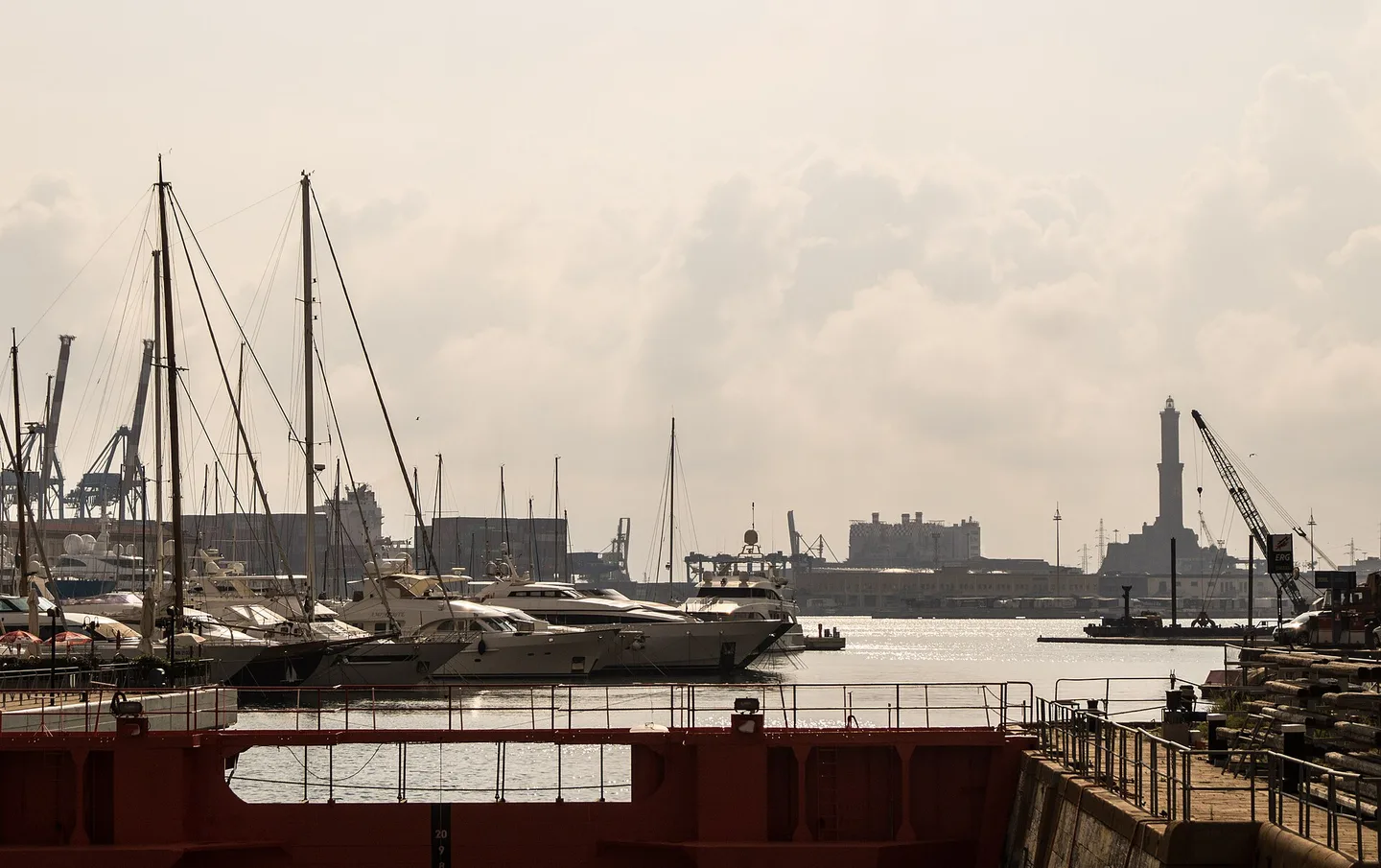
At the waterfront, the Porto Antico basin holds maritime museums, historic vessels, and the expansive aquarium beside the ancient Lanterna lighthouse. Pair city walks with caruggi alleys and coastal walks plus Via Garibaldi Rolli mansions.
High above the basin, Belvedere Castelletto looks out across slate rooftops toward cargo cranes via an Art Nouveau lift from Piazza Portello. Further east, Corso Italia promenade leads to Boccadasse, a former fishing hamlet of pastel houses around a pebble cove.
Food and drink
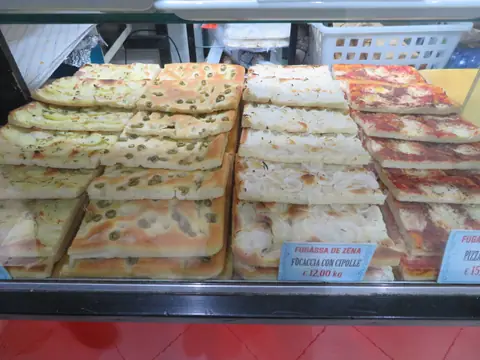
Ligurian cuisine reflects the severe coastal topography, relying on fragrant herbs, pressed olive oil, and dry vegetable gardens rather than heavy meats. Classic pesto genovese blends fresh local basil, pine nuts, garlic, olive oil, and mature cheese, tossed over twisted trofie pasta. Warm bakeries produce crisp sheets of golden focaccia, deeply dimpled and saturated with rich olive oil.
Near the port docks, traditional fry shops sell paper cones of fried anchovies, squid, and thin chickpea farinata straight from cast-iron pans. Old covered markets like the Mercato Orientale supply fresh seasonal produce, cured olives, and local salt cod. Discover regional culinary heritage and market traditions in our Ligurian dining summary.
Savoury herb pies known as torta pasqualina feature layered puff pastry encasing fresh Swiss chard, artichokes, marjoram, and creamy prescinsêua curd cheese. In neighbourhood trattorias, pansotti pasta parcels filled with wild field greens come served under thick, creamy walnut sauce. These vegetable-driven recipes originated in remote mountain valleys where meat remained a rare luxury for rural families.
Local wine production focuses on crisp white varieties cultivated along terraced hillside vineyards overlooking the sea. Pigato and Vermentino pair naturally with delicate grilled sea bass, steamed mussels, and salted anchovy fillets dressed with cold-pressed olive oil. Meals typically conclude with sweet pandolce cake studded with raisins, candied pumpkin, and aromatic pine nuts.
Culture
Local daily life balances old maritime directness with deep municipal pride in centuries of independent republican history. In narrow residential alleys, laundry lines stretch between pastel shutters high above tiny artisan workshops. Visitors should dress respectfully when entering historic churches and step to the side when delivery scooters navigate narrow alleys.
Genoese shopkeepers appreciate a polite greeting upon entry and value exact pocket change at busy bakery counters. In July and August, average afternoon temperatures reach 28°C with modest rainfall of 26 mm, making morning gallery visits preferable. Late autumn brings heavier precipitation, with November recording peak rainfall of 200 mm across nine wet days.
Winter remains relatively mild along the coastal basin, with January seeing highs of 12°C and lows of 6°C across six wet days. Spring warms steadily, rising from 15°C in March to 22°C in May, accompanied by moderate rainfall between 58 mm and 84 mm. Review seasonal itineraries and planning tips in our practical travel recommendations for a smooth coastal visit.
Maritime tradition continues to anchor local identity, celebrated through rowing regattas and neighbourhood festivals honouring Saint George. Historic artisan trades, including decorative stucco plasterwork and velvet textile weaving, survive in tucked-away workshops scattered across the ancient core. Taking time to observe these living customs offers deep insight into Genoa resilient communal character.
Official prices and opening hours
- Musei di Strada Nuova (Palazzi dei Rolli UNESCO)Official site ↗
- AMT Genova Metro, Funiculars & Lifts (Ascensore Castelletto)Official site ↗
Weather by month
Genoa is warmest in July, with average highs around 28°C, and coldest in January, when nights drop to about 6°C. November is the wettest month by rainfall (200 mm), with rain on about 9 days. For mild weather with fewer rainy days, aim for June.
| Month | Low | Range | High | Rain | Rainy days |
|---|---|---|---|---|---|
| Jan | 6°C | 12°C | 76 mm | 6 d | |
| Feb | 7°C | 13°C | 58 mm | 5 d | |
| Mar | 9°C | 15°C | 74 mm | 5 d | |
| Apr | 11°C | 18°C | 84 mm | 7 d | |
| May | 15°C | 22°C | 58 mm | 6 d | |
| Jun | 19°C | 25°C | 51 mm | 4 d | |
| Jul | 22°C | 28°C | 26 mm | 3 d | |
| Aug | 22°C | 28°C | 48 mm | 4 d | |
| Sep | 19°C | 25°C | 116 mm | 6 d | |
| Oct | 15°C | 21°C | 150 mm | 7 d | |
| Nov | 11°C | 16°C | 200 mm | 9 d | |
| Dec | 7°C | 13°C | 99 mm | 7 d |
Averages of daily values from 2015 to 2024. Rainy days are days with at least 1 mm of rain. Source: Open-Meteo · Compare destinations by month.
Genoa on the map
Every place we cover in Genoa. Tap a category or pin to explore.
In-depth Genoa guides
Browse the guides grouped by topic: sights, neighbourhoods, food, transport, day trips and trip planning.
Sights, Landmarks & Parks
Key monuments, viewpoints, museums and nature trails.
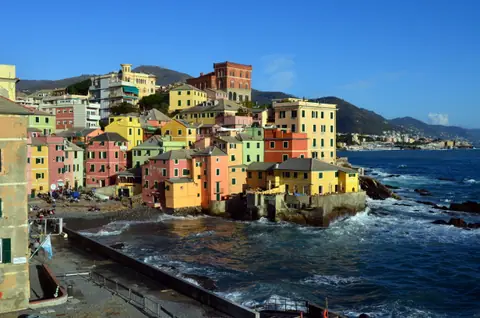 Alleyways, Belvederes and Maritime GenoaMedieval caruggi alleyways, noble Renaissance palazzos, and panoramic cliffside belvederes define the Ligurian capital's dramatic urban landscape.
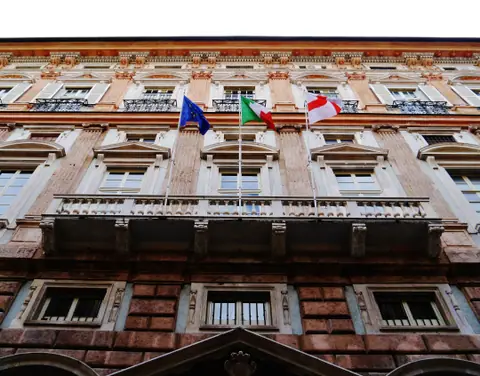 Via Garibaldi and the Rolli Palaces of GenoaVia Garibaldi presents the monumental stone spine of Genoa's aristocratic hosting network, framed by grand courtyards and hillside gardens.
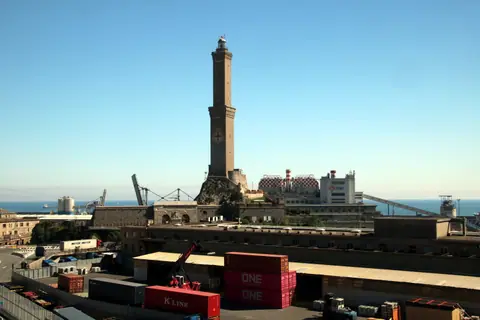 Genoa Waterfront: Lanterna Lighthouse, Porto Antico and the Harbour BasinTowering medieval lighthouses anchor maritime routes stretching across the open piers and historic basins of Porto Antico.
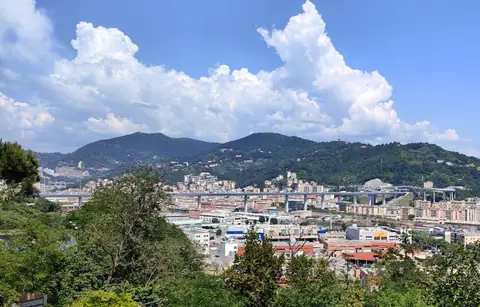 Ponte Morandi, the Polcevera Valley and Renzo Piano's ViaductPolcevera valley engineering projects evolved dramatically following the tragic collapse of Ponte Morandi and subsequent completion of Renzo Piano's replacement viaduct.
Neighbourhoods & Where to Stay
Districts, historic quarters and the best bases for your stay.
Food & Drink
Local dishes, markets, cafés and dining districts.
Getting Around & Arrival
Airport transfers, public transit, passes and driving rules.
Day Trips & Excursions
Easy half-day and full-day trips from the city.
Trip Planning & Itineraries
When to visit, what to pack and day-by-day routes.
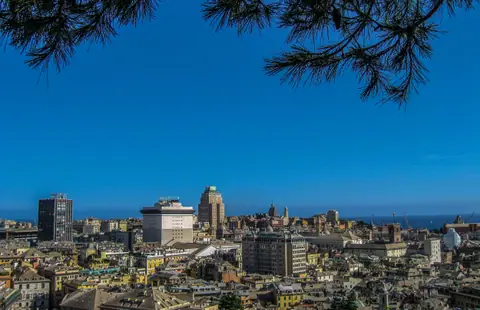 Genoa in Three Dimensions: Sea, Caruggi and FunicularsGenoa ascends steeply from working harbour wharves through dense medieval alleys up to dramatic hillside panoramas.
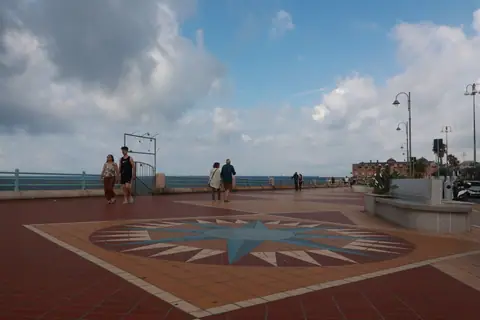 Genoa Through the Seasons: Winds, Autumn Showers and Rolli DaysWe navigate maritime climates, mountain breezes, autumn downpours, and aristocratic palace openings across historic Genoese quarters through changing seasons.
Need your embassy or consulate in Italy? See embassies and consulates in Italy.
Reviews
Log in to write a review.
No reviews yet.