Photo: Rachel Dalby photographer · CC BY-SA 4.0
Genoese Dining Traditions: Focaccia, Pesto and Farinata
Historic port quarter bakeries yield aromatic trays of traditional focaccia, mortar-ground basil pesto, and crisp chickpea farinata pancakes daily.
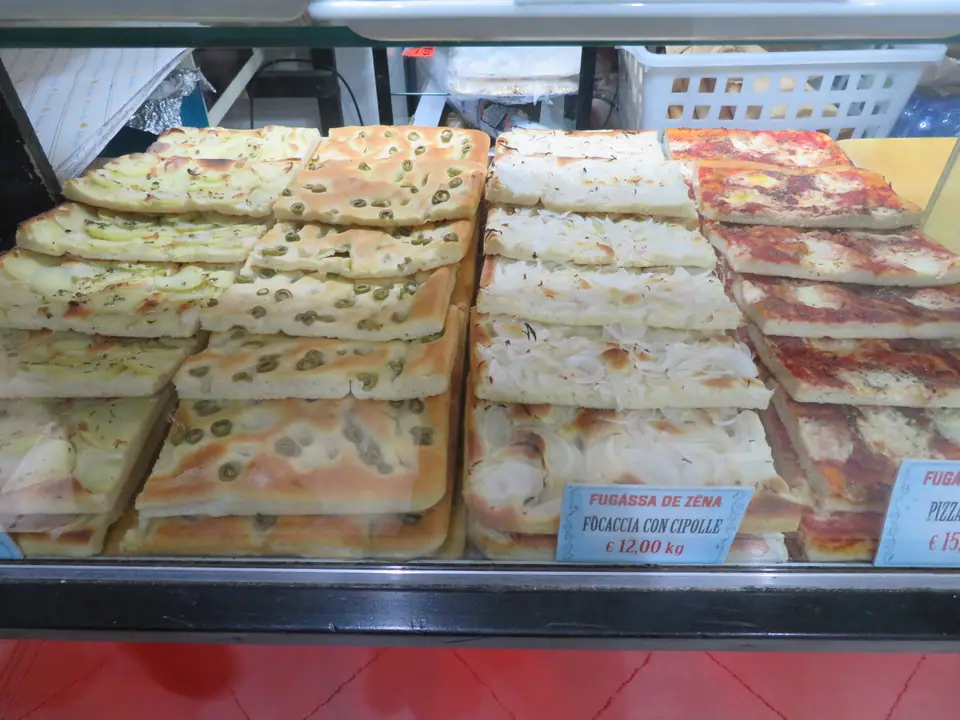
Morning in the maritime centre begins with the fragrance of dough and hot olive oil rising from subterranean ovens. Long before midday crowds gather, neighbourhoods wake to residents ducking into bakeries to collect warm paper parcels. Classic focaccia Genovese is glossy, dimpled with fingertips, and generously soaked with local olive oil and sea salt brine. The exterior crust yields a gentle crunch, giving way to a soft, airy crumb that stays tender for hours.
Locals regularly order narrow strips to accompany morning espresso or dip into creamy cappuccino at the counter. Variations emerge across display trays, notably sweet stewed onion focaccia and thin cheese-filled flatbread originally from nearby coastal settlements. You can sample these freshly baked goods after reviewing Genoa travel basics to navigate your morning through narrow stone alleyways. Ordering requires patience during peak breakfast rushes, when clerks slice rectangular slabs straight from wide metal baking sheets.
Morning Focaccia and Historic Bakeries
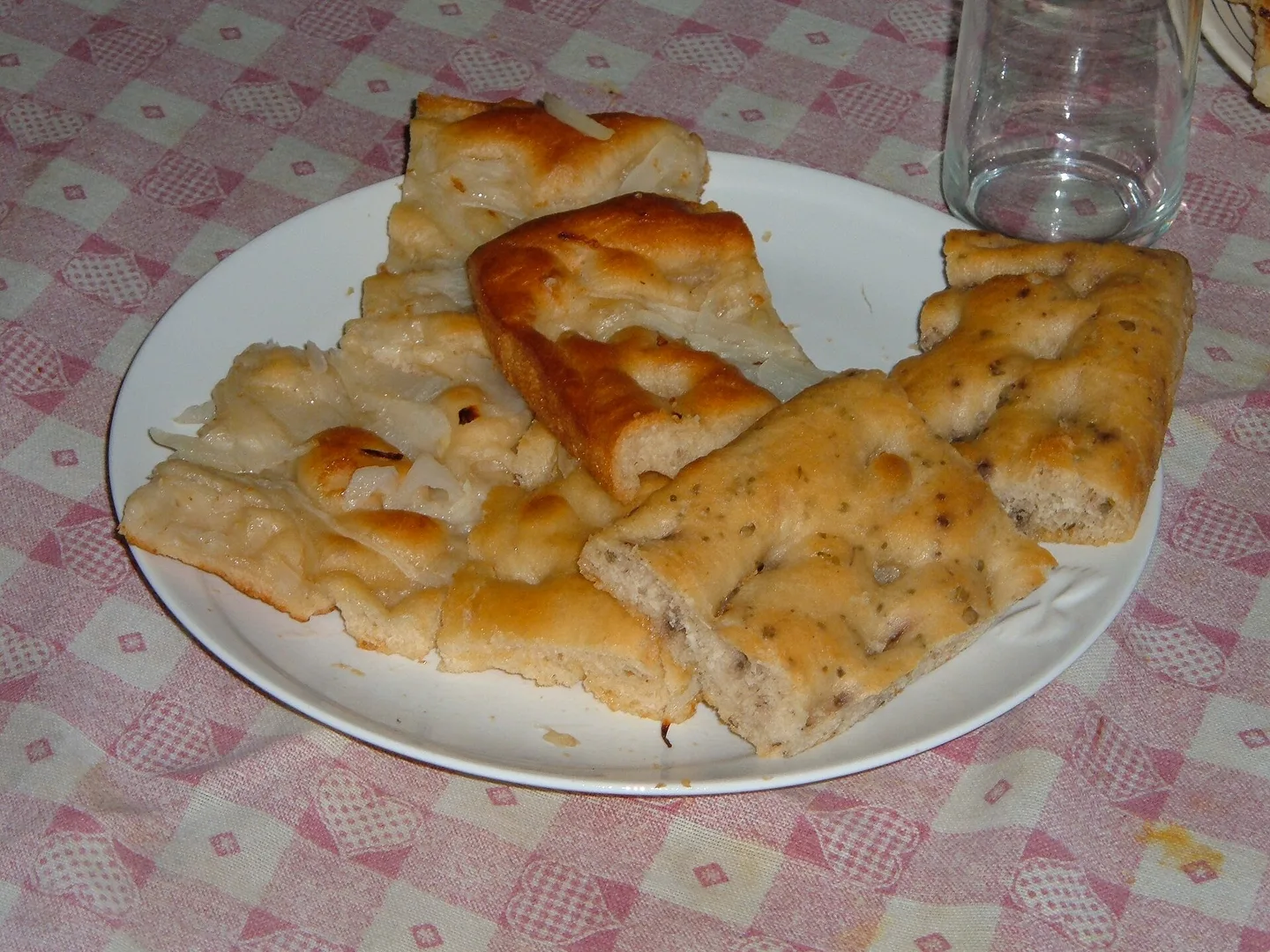
Navigating the bakeries tucked into the caruggi network reveals how deeply grain traditions shape everyday urban life. Bakers grease heavy rectangular pans, pressing dough into corners before creating shallow wells that trap pockets of fragrant brine. The golden crust must never turn pale or dry, maintaining a rich sheen from cold-pressed regional olive oil. Salt flakes gather inside the shallow depressions, balancing the gentle sweetness of yeast and flour.
Beyond standard salted slabs, afternoon counters present focaccia topped with thinly sliced green olives, sweet rosemary sprigs, or softened onions. We find that purchasing small portions from multiple bakeries lets you contrast crust thickness and crumb texture. The best bakeries wrap each slice in greaseproof paper, enabling travellers to eat while walking toward coastal viewpoints. Keep spare paper napkins ready, because true Ligurian focaccia leaves fingers glistening with fragrant oil.
Mortar-Pounded Pesto and Pasta Traditions
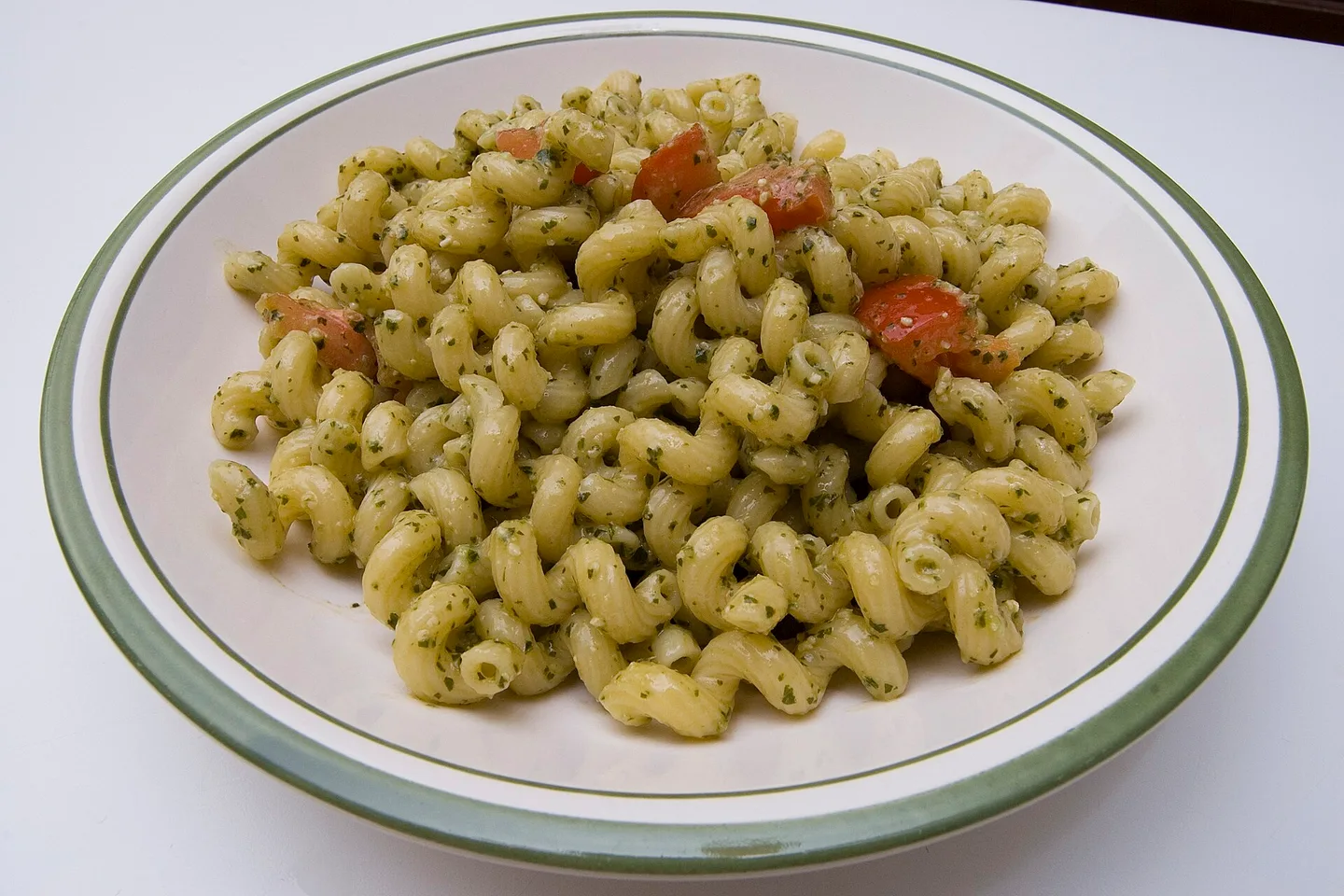
True pesto alla Genovese remains the defining symbol of local gastronomy, protected by strict ingredient standards across the region. Small-leaf basil grown on coastal hillsides provides intense fragrance without harsh minty undertones. Cooks grind the delicate leaves inside heavy marble mortars using smooth wooden pestles, working in steady circular rhythms. Coarse sea salt, sweet pine nuts, mild garlic, aged Parmigiano Reggiano, and rich Pecorino Sardo combine into a bright emerald paste.
Heat destroys the delicate aromas, so cooks never boil or simmer genuine pesto in heavy metal saucepans. Instead, kitchen staff loosen the cold paste with starchy pasta cooking water just before tossing it with freshly boiled pasta. Traditional pairings focus on twisted trofie or wide folded mandilli de sea, frequently served alongside tender potato cubes and green beans. When coordinating lunch stops while checking Genoa neighbourhood accommodations, seek small trattorias displaying fresh mortar preparations.
| Dish Name | Key Ingredients | Traditional Texture | Best Dining Setting |
|---|---|---|---|
| Focaccia Genovese | Wheat flour, olive oil, sea salt brine | Crisp golden base, soft dimpled crumb | Morning bakery counters |
| Trofie al Pesto | Fresh basil, pine nuts, garlic, hard cheese | Velvety emerald sauce, chewy pasta twists | Historic centre trattorias |
| Farinata di Ceci | Chickpea flour, spring water, olive oil | Crisp roasted crust, tender creamy centre | Wood-fired sciamadde shops |
| Panissa Fritta | Cooked chickpea polenta, hot frying oil | Crispy exterior cubes, smooth interior | Street food paper cones |
Wood-Fired Farinata and Street Food Bites
As evening approaches, appetites shift toward historic frying shops known locally as sciamadde. These tiny, tile-lined establishments centre around massive wood-burning ovens that roar at high temperatures. The premier speciality is farinata, a humble pancake made exclusively from chickpea flour, water, olive oil, and salt. Chefs whisk the thin batter, leave it to rest, and skim froth before pouring it into wide copper pans.
Inside the intense wood fire, the batter sets quickly, forming a blistered golden crust while keeping the interior creamy. Servers slice steaming portions directly from the round pan, dusting the surface with freshly ground black pepper. Another chickpea staple is panissa, prepared by boiling chickpea flour into a firm polenta block before slicing it into batons. Locals eat panissa fresh from brown paper cones. They dip the hot fries into sea salt or squeeze fresh lemon over the top.
Seafood Specialities and Culinary Neighbourhoods
The maritime harbour dictates the rest of the traditional menu, delivering anchovies, squid, and seasonal catch directly to dockside kitchens. Fresh anchovies appear marinated in lemon juice, stuffed with wild herbs, or lightly battered and fried in boiling oil. Historic food stalls near the waterfront offer convenient tastings, letting you alternate between crispy whitebait cones and savoury vegetable pies. Exploring nearby sights after reviewing Genoa cultural itineraries pairs well with a relaxed fish lunch.
- Order savoury torta pasqualina to experience delicate pastry leaves layered with tender greens, fresh herbs, and soft local cheese.
- Try fried anchovies served piping hot in street paper wrappers while strolling along the waterfront promenades.
- Sample cappon magro during celebratory feasts, where cooks layer firm white fish, shellfish, and seasonal vegetables over hard sea biscuits.
- Finish your evening meal with crisp pandolce fruit cake, scented with aniseed seeds, sweet sultanas, and crunchy pine nuts.
Eating well in the regional capital demands an appetite for unpretentious, vegetable-focused recipes and centuries-old street food counters. Respect the natural rhythm of neighbourhood kitchens by seeking warm focaccia early, ordering pesto at lunch, and enjoying farinata at dusk. By following these local habits, you encounter an authentic culinary landscape preserved inside the quiet corners of the historic centre.
Official prices and opening hours
- Musei di Strada Nuova (Palazzi dei Rolli UNESCO)Official site ↗
- AMT Genova Metro, Funiculars & Lifts (Ascensore Castelletto)Official site ↗
Where it is
- 1Genoa
- Genoa Cristoforo Colombo Airport (GOA) · about 8 km from Genoa in a straight line
- Milano Linate Airport (LIN) · about 118 km from Genoa in a straight line
- Directions in Google Maps
Stations and taxi ranks: OpenStreetMap. Airports: OurAirports. Distances are in a straight line.
Traveller tips
Real advice from people who have been to Genoa. Every tip is read by our team before it goes live.
No tips yet. Been here? Yours could be the first.
Thank you! Your tip will appear here after a quick review.
More in Genoa
Continue exploring Genoa with related neighbourhood, food, and planning guides