Photo: Zairon · CC BY-SA 4.0
Via Garibaldi and the Rolli Palaces of Genoa
Via Garibaldi presents the monumental stone spine of Genoa's aristocratic hosting network, framed by grand courtyards and hillside gardens.
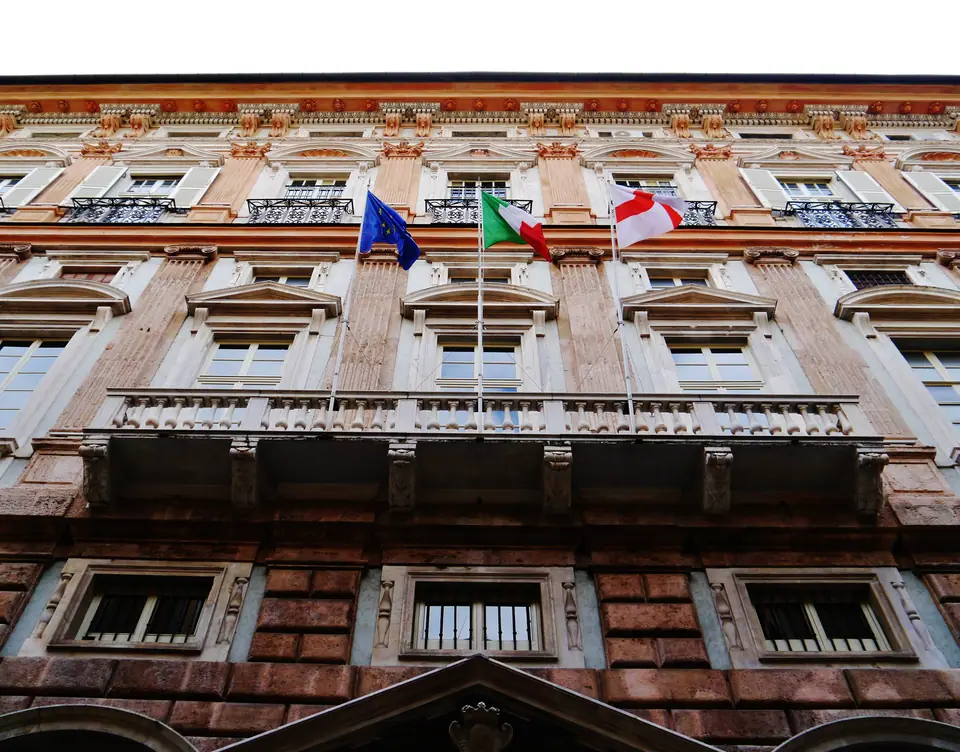
Stepping into Via Garibaldi reveals a disciplined urban canyon constructed during the golden age of the Genoese Republic. Noble families planned this paved passage away from the cramped medieval harbour lanes. They created a refined residential avenue lined with monumental marble doorways and carved stone cornices. Visitors walking the street encounter towering Renaissance facades that conceal cascading courtyards and stepped gardens cut into the steep northern ridge.
The narrow corridor produces dramatic sightlines where light reflects off pale stucco, pink stone, and carved heraldic relief sculptures. Walking through the monumental entrances draws you into cool vestibules flanked by paired Doric columns and open vaulted loggias. The entire street represents an ambitious sixteenth-century civic expansion project. It turned private family wealth into lasting urban architecture.
Understanding the Rolli Lodging Lottery
The Palazzi dei Rolli operated under an extraordinary civic protocol established by the Senate of the Republic of Genoa. Rather than building a singular royal court, the republic maintained an official public register. This catalog divided noble mansions into distinct categories based on scale and decorative quality.
When distinguished state visitors arrived at the port, authorities drew lots from the official rolls. This lottery determined which patrician dynasty would host the visiting delegation. The highest tier received cardinals, kings, and foreign princes. Meanwhile, lower rolls welcomed ambassadors, merchants, and naval officers. This ingenious public lottery shared the diplomatic and financial burdens of hospitality among private families across centuries.
- First Category Rolls: Reserved for reigning monarchs, sovereign princes, and papal cardinals requiring sprawling reception halls.
- Second Category Rolls: Allocated to resident foreign ambassadors, senior military commanders, and noble envoys.
- Third Category Rolls: Designated for lesser diplomats, civic magistrates, and visiting financial emissaries.
The Core Trio of Strada Nuova Museums
Three adjacent palaces along the street form the linked civic museum complex known collectively as the Musei di Strada Nuova. Palazzo Rosso stands out with its warm crimson exterior. It features lavish baroque interiors decorated by Domenico Piola and Gregorio De Ferrari.
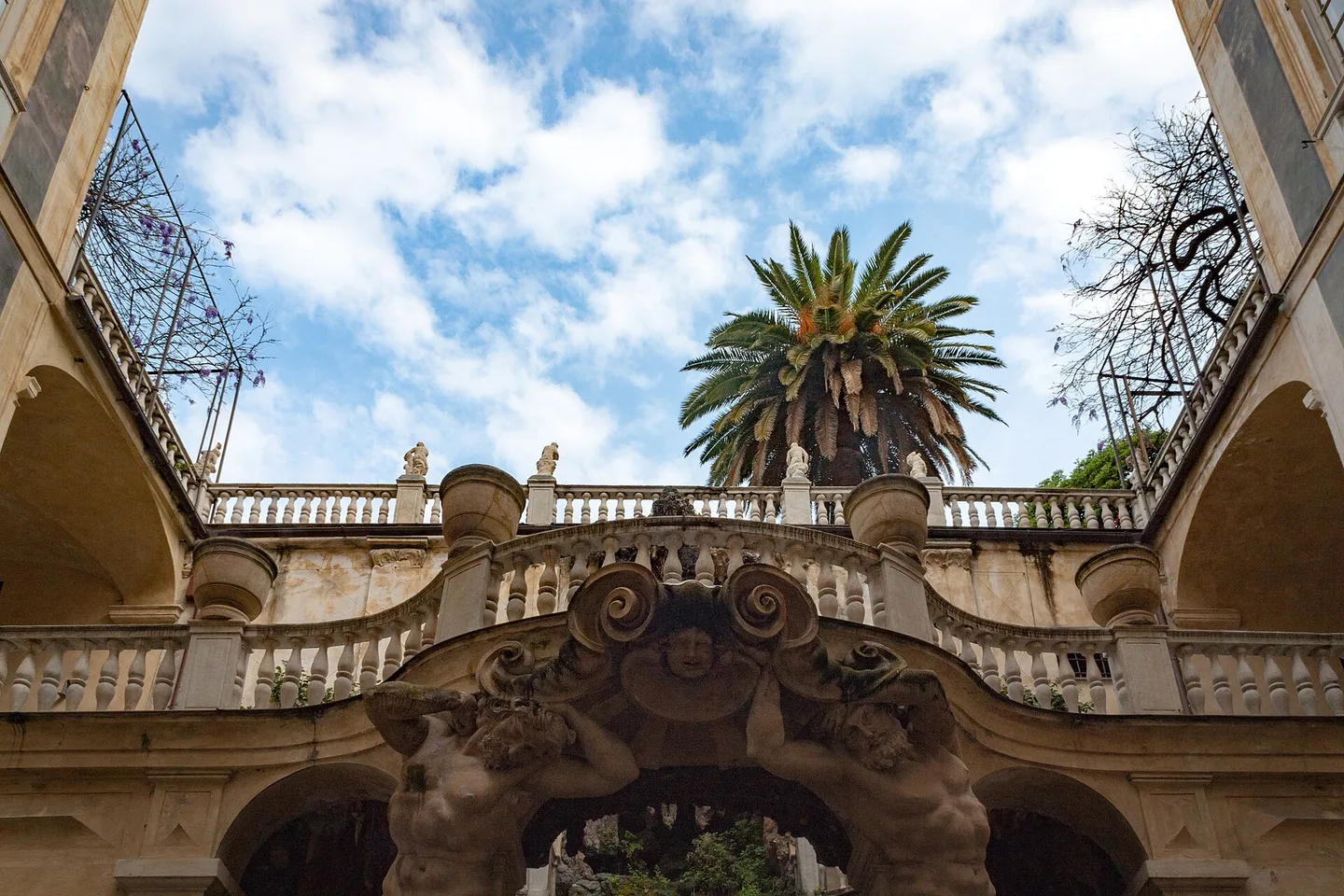
Across the paved lane, Palazzo Bianco houses an extensive painting gallery containing works by Caravaggio, Veronese, and Flemish master Peter Paul Rubens. Connecting directly through elevated walkways, Palazzo Doria Tursi serves as the municipal seat and preserves the historic Cannone violin played by Niccolò Paganini. Quiet courtyard arcades link the upper rooms cleanly, while terraced hillside niches catch dappled coastal light behind painted porticoes.
Pair these galleries with caruggi alleyways and maritime walks before embarking on this dense art circuit. Inside Palazzo Rosso, visitors can take an interior lift up to the panoramic roof terrace, opening out across terracotta rooflines of the historic core toward Mediterranean docks. Spring and autumn bring periodic Rolli Days weekends when additional privately owned courtyards open their marble stairways and frescoed reception rooms to the public.
Ascending to Castelletto and Urban Transitions
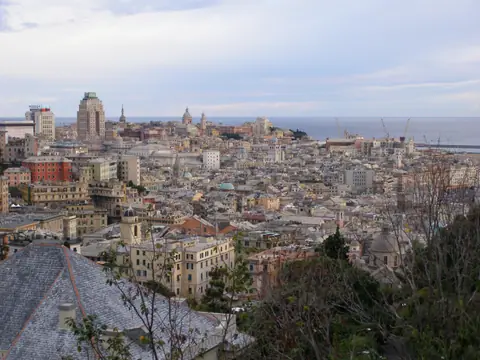
Leaving the museum galleries brings you toward Piazza Portello, where an Art Nouveau passenger lift climbs through solid hillside rock to the Spianata Castelletto viewpoint. Ascending this vertical transit link offers fresh sea air and a sweeping vantage across layered slate roofs, medieval towers, and domed churches across the lower basin.
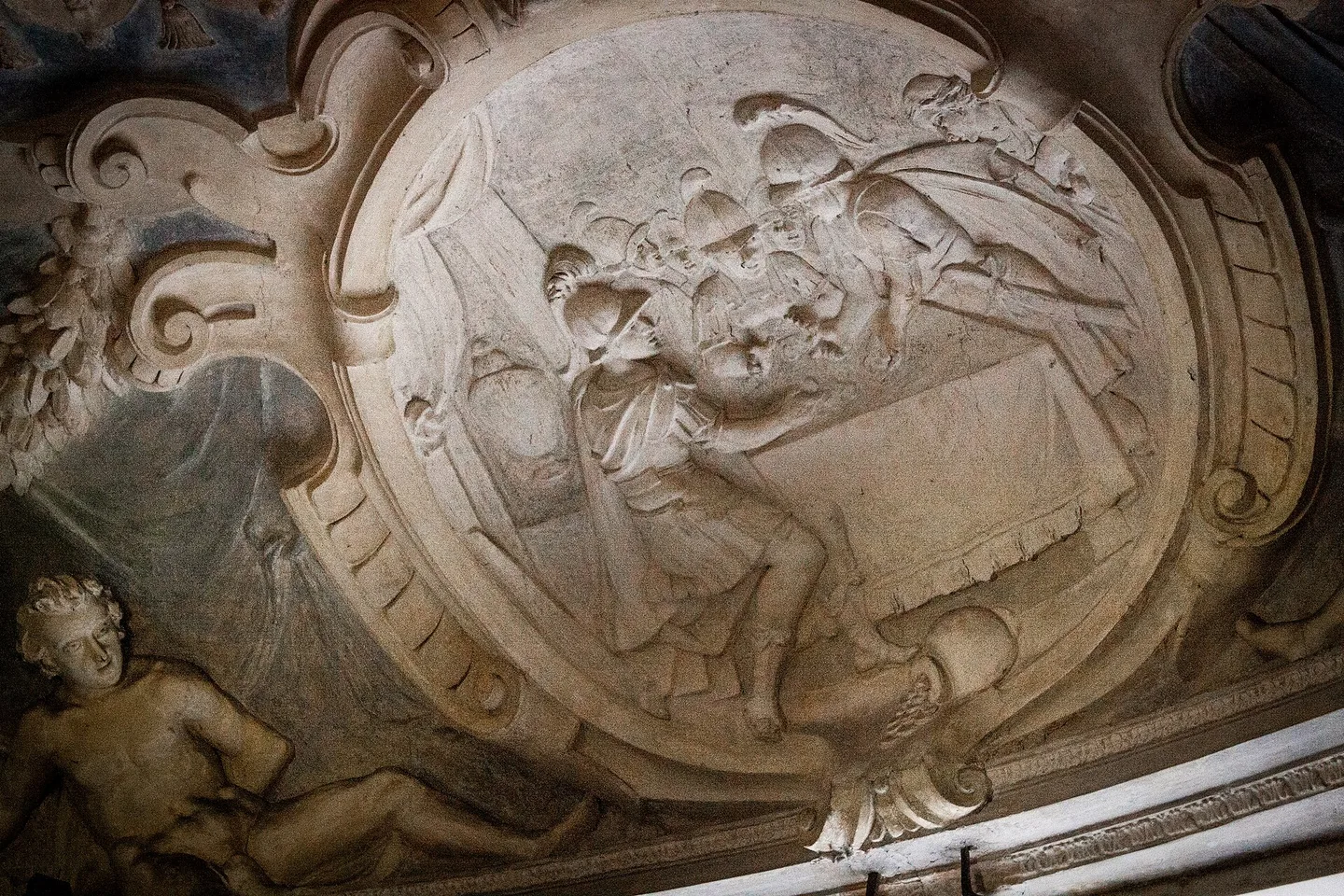
West of Via Garibaldi, Via Balbi continues the aristocratic street axis past university courtyards and Palazzo Reale, whose mirrored gallery and seaside hanging terrace overlook the port docks. Notice how grand staircases climb inward through cool marble colonnades to catch coastal breezes while framing painted mythological ceilings above landing balconies. From Castelletto belvedere, visitors look straight down into private hanging gardens that stay completely hidden from street level along Via Garibaldi.
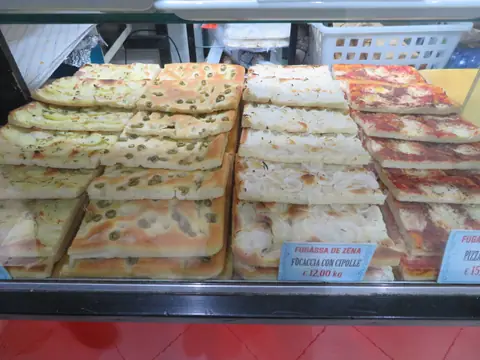
Navigating steep hillside steps requires sturdy footwear on damp slate flagstones after coastal showers. Small neighbourhood espresso bars and warm focaccia bakery counters along Piazza Portello give easy coffee stops before ascending upper hillside avenues. Reviewing coastal rail arrivals and vertical AMT lift routes simplifies linking railway platforms directly to these upper belvederes. The contrast between dim medieval alleys below and sunlit stone avenues above highlights the ambition of Genoese noble houses across four centuries. Walking slowly from vaulted porticoes onto high rooftop terraces turns one urban street walk into an atmospheric architectural circuit.
Official prices and opening hours
- Musei di Strada Nuova (Palazzi dei Rolli UNESCO)Official site ↗
- AMT Genova Metro, Funiculars & Lifts (Ascensore Castelletto)Official site ↗
Where it is
- 1Via Garibaldi and the Rolli Palaces of Genoa
- Genoa Cristoforo Colombo Airport (GOA) · about 7 km from here in a straight line
- Milano Linate Airport (LIN) · about 118 km from here in a straight line
- Directions in Google Maps
Stations and taxi ranks: OpenStreetMap. Airports: OurAirports. Distances are in a straight line.
Traveller tips
Real advice from people who have been to Genoa. Every tip is read by our team before it goes live.
No tips yet. Been here? Yours could be the first.
Thank you! Your tip will appear here after a quick review.
More in Genoa
Continue exploring Genoa with related neighbourhood, food, and planning guides