Photo: EvelinaRibarova · CC BY-SA 4.0
Genoa in Three Dimensions: Sea, Caruggi and Funiculars
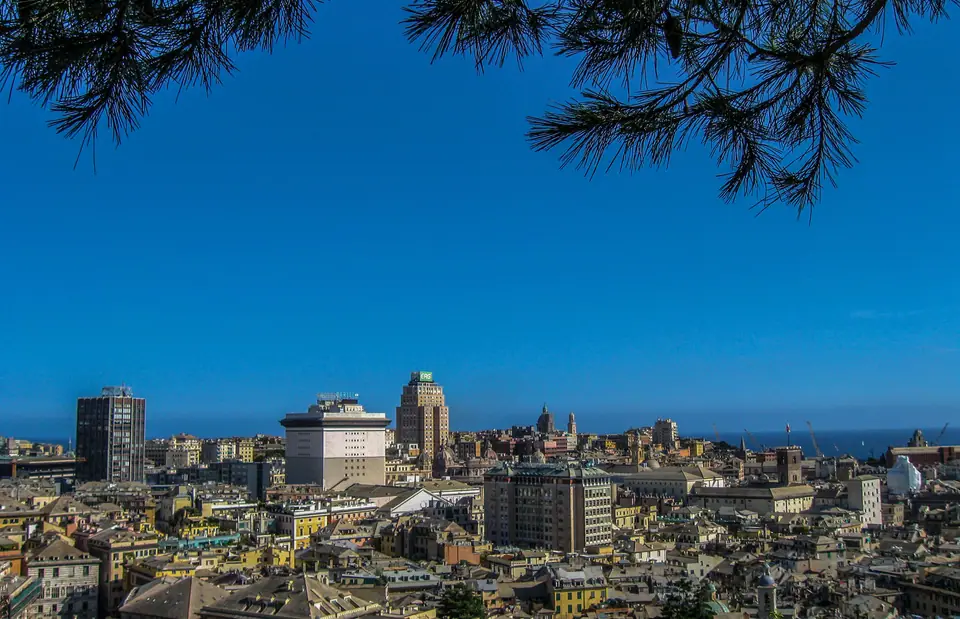
Genoa ascends steeply from working harbour wharves through dense medieval alleys up to dramatic hillside panoramas.
Navigating the Caruggi and Port Waterfront
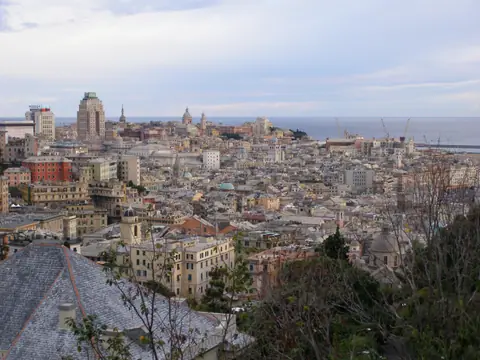
Genoa faces the Ligurian Sea as an amphitheatre of slate roofs, stone towers, and working pier aprons. The waterfront blends commercial docks with open pedestrian promenades where salt winds meet tall pastel facades. Stepping inland pulls you into the caruggi, an intricate maze of narrow medieval passageways. Sunlight drops down in thin shafts between six-storey townhouses, lighting small piazzas, striped chapels, and carved marble doorways.
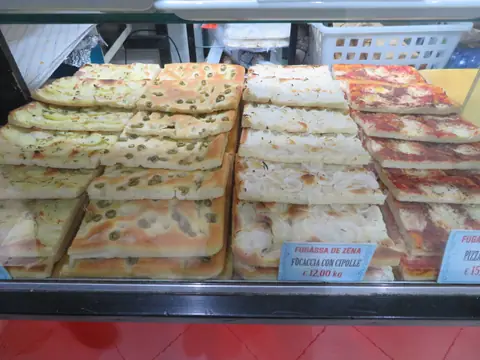
Walking through these narrow corridors rewards curiosity over strict map directions. Lanes turn abruptly into quiet courtyards scented with warm olive oil focaccia, fried seafood, and roasted coffee. Pair morning walks cleanly with caruggi alleys, Boccadasse coves, and harbour piers across the lower old town. Sloping passages eventually slope downward toward the waterfront, keeping orientation simple whenever corners look alike.
Ascending the Vertical Transport Network
The city handles severe coastal slopes through public passenger lifts, hillside funicular railways, and steep cogwheel tracks. Underground stone tunnels lead straight to wood-panelled lift cabins that climb smoothly above terracotta rooftops in moments. Stepping onto breezy upper belvederes reveals broad maritime horizons dotted with container cranes, medieval bell towers, and coastal headlands.
Spianata Castelletto offers one of the clearest rooftop lookouts above the old core. Choosing a room near vertical stations becomes straightforward after checking harbourfront alleys and hillside districts in advance. Daily commuters share these cliffside lifts and funicular cars beside arriving travellers carrying cameras. Consistent daytime and evening intervals keep upper hill terraces connected to metro stations and waterfront piers without tiring stair climbs.
Strada Nuova and Aristocratic Splendour
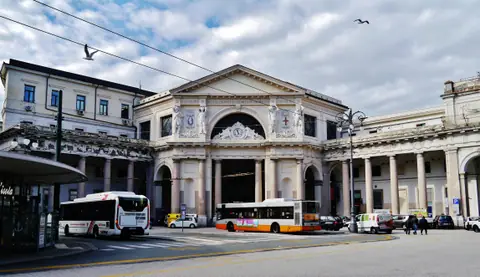
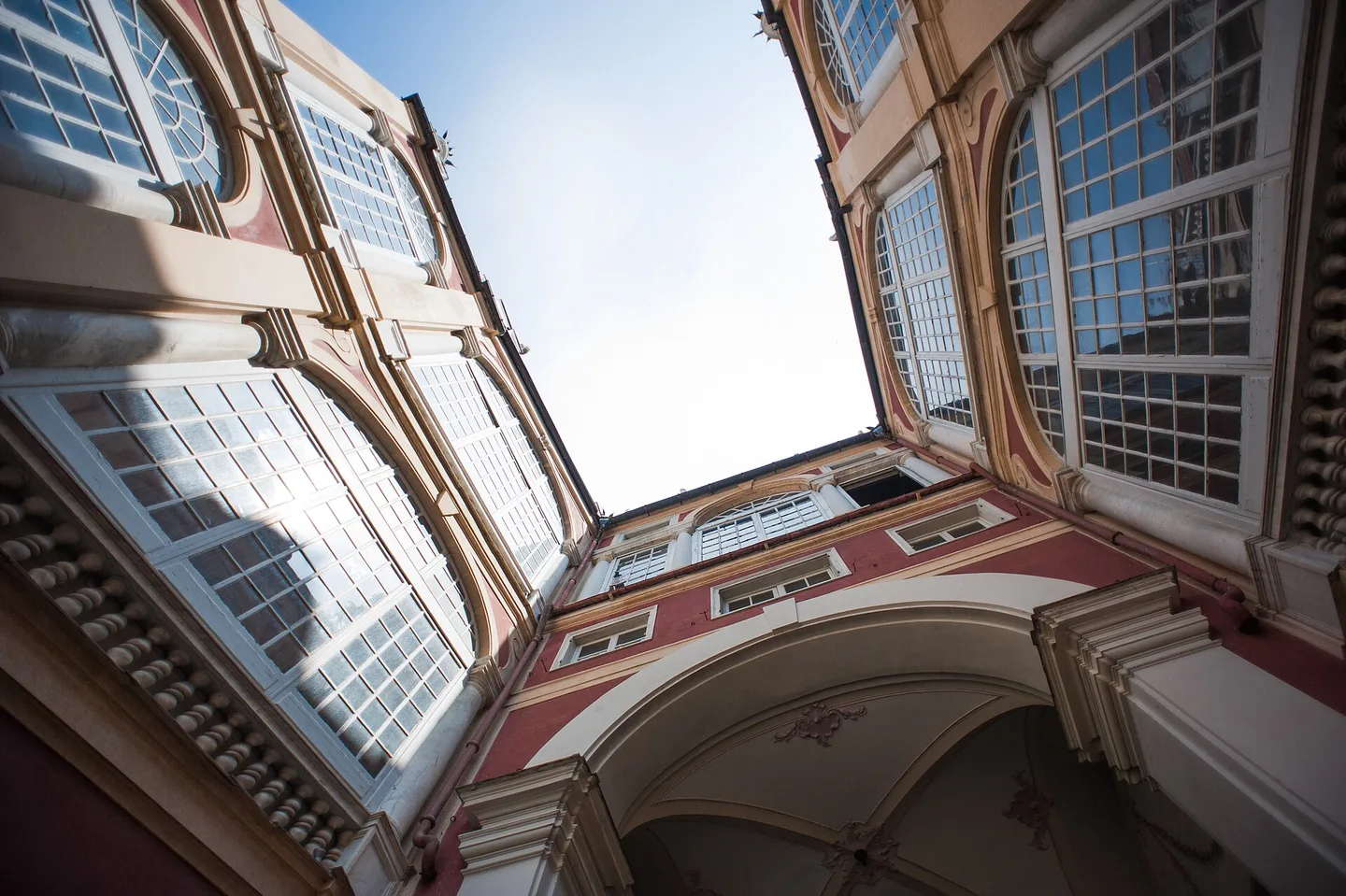
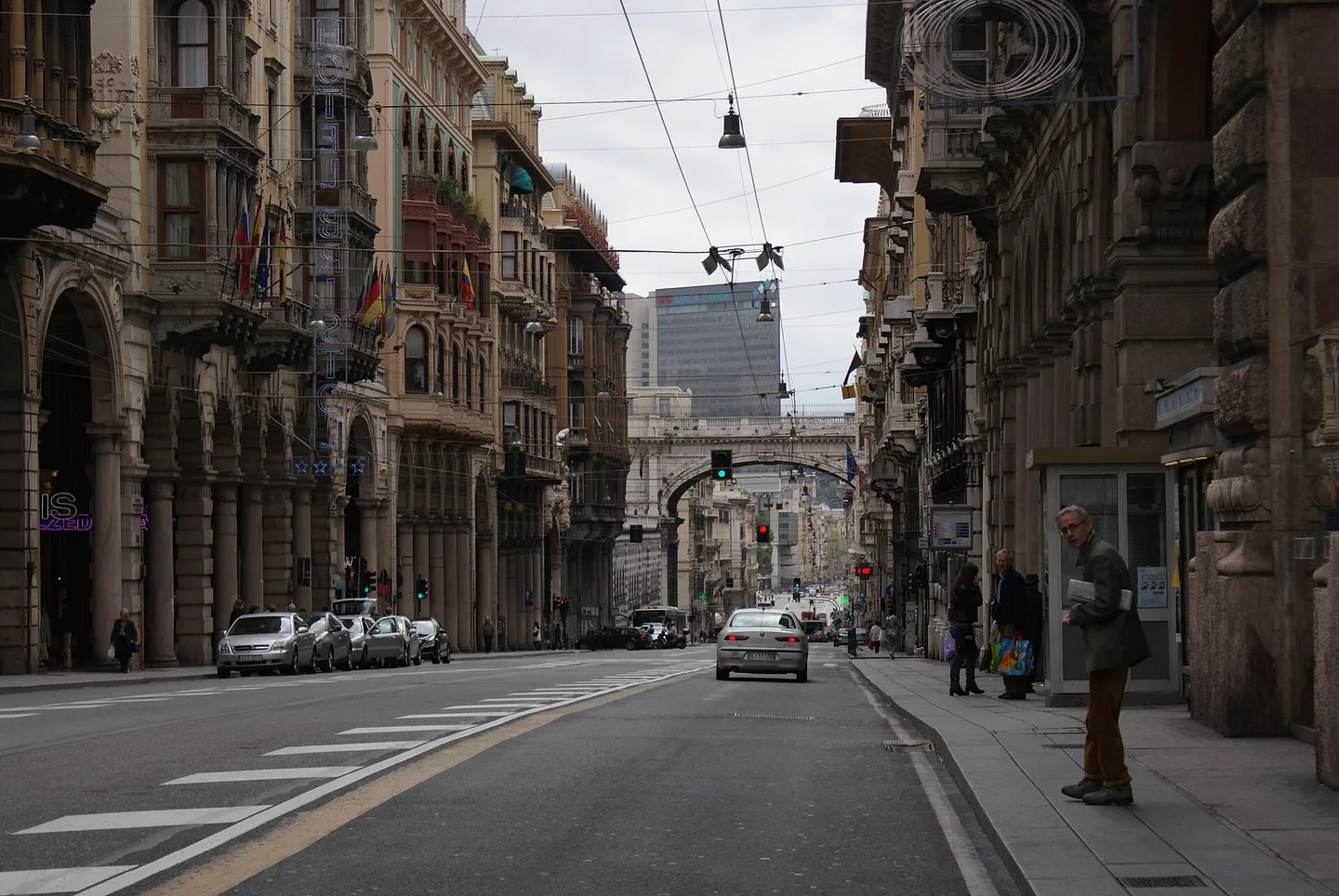
Beyond shadowy medieval lanes sits sixteenth-century aristocratic symmetry along Via Garibaldi, originally laid out as Strada Nuova. Renaissance and Baroque residences reveal tall vaulted atriums, citrus-planted inner courtyards, and wide marble staircases sculpted for visiting diplomats. Neighbouring Via Balbi extends this monumental spine westward past university cloisters toward maritime train terminals.
Three linked mansions along Via Garibaldi operate as civic art galleries housing frescoed reception halls, historic textiles, and regional canvases away from busy tour queues. Arrivals by train or coastal bus link straight into central avenues; map Piazza Principe and Brignole arrival routes cleanly ahead of museum mornings. Unified ticketing covers adjacent Strada Nuova palaces along one level walking street.
Spatial Orientation Across Distinct Quarters
Understanding coastal elevations helps pick sturdy rubber-soled footwear and pace energy across stone stairs. Genoa shifts within short blocks between level dockside promenades, cool shaded alleys, monumental avenues, and airy residential ridges. Compare each elevation zone clearly below:
| District Sector | Elevation Profile | Primary Character | Transit Connection |
|---|---|---|---|
| Porto Antico | Sea level | Open promenade, maritime piers, relaxed walking | Metro and harbour ferries |
| Centro Storico | Gently rising | Dense medieval caruggi, artisan shops, shaded lanes | Walking and street-level buses |
| Strada Nuova | Mid slope | Wide stone avenues, grand palaces, formal courtyards | Central bus corridors |
| Castelletto | High ridge | Residential terraces, panoramic belvederes, cool breezes | Public lifts and funiculars |
Everyday Rhythm Along Markets and Seafront Promenades
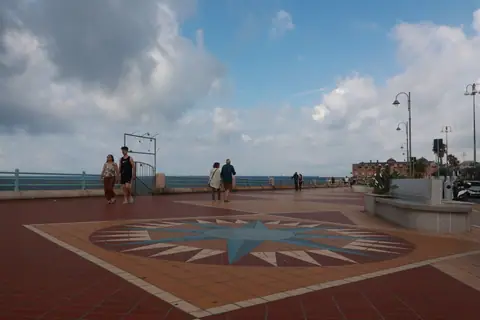
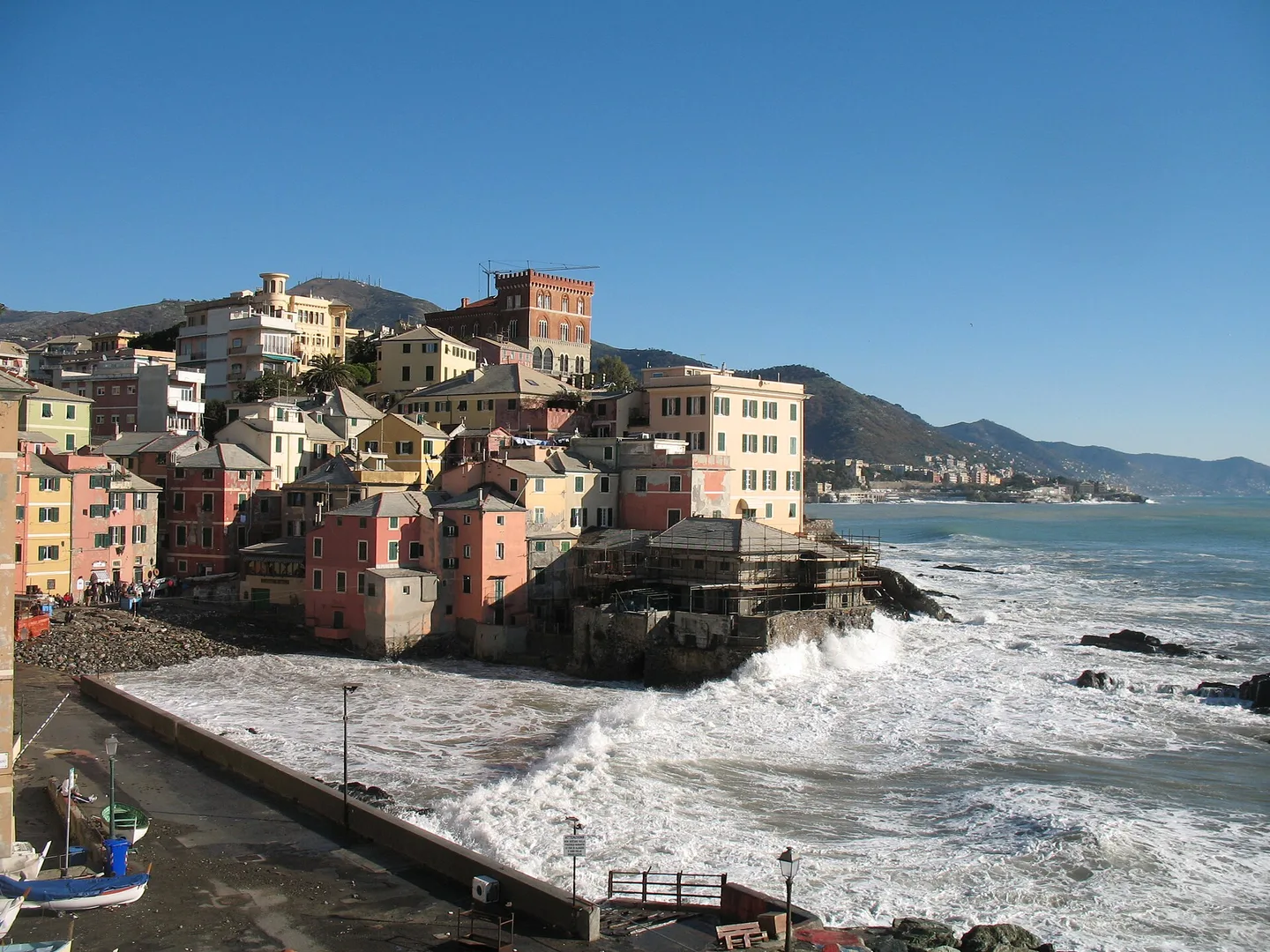
Between monument quarters, Mercato Orientale fills historic monastery cloisters off Via XX Settembre with fresh basil bunches, aged Parmigiano wedges, dried porcini mushrooms, and seafood counters. Mornings bring brisk local shoppers buying focaccia strips wrapped in paper before catching cross-town buses along Piazza De Ferrari. Stepping east beyond the central avenues reveals Corso Italia, an open seaside promenade stretching past rocky shingle beaches toward Boccadasse's pastel fishermen houses tucked inside a sheltered cobblestone cove.
- Wear gripping rubber soles suited to polished slate flagstones inside medieval alleyways and cliff staircases.
- Board AMT lifts and funiculars rather than hauling suitcases uphill between lower metro stops and hillside hotels.
- Keep compact coins or paper transit tickets ready for small bakeries, newsagents, and express hill buses.
- Time harbour piers for calm morning light before afternoon coastal sun reflects off open stone wharves.
Exploring Genoa steadily means alternating flat port piers with funicular climbs into quiet upper gardens. Stone creuze footpaths meander down between garden walls draped in lemon boughs and bougainvillea, carrying fresh coastal air through mild spring and autumn afternoons. Public buses descend straight back toward Brignole railway platforms whenever feet tire along upper terrace lanes. Match travel months against seasonal Tramontana winds and rainfall patterns before booking seaside routes.
Official prices and opening hours
- Musei di Strada Nuova (Palazzi dei Rolli UNESCO)Official site ↗
- AMT Genova Metro, Funiculars & Lifts (Ascensore Castelletto)Official site ↗
Where it is
- 1Genoa
- Genoa Cristoforo Colombo Airport (GOA) · about 8 km from Genoa in a straight line
- Milano Linate Airport (LIN) · about 118 km from Genoa in a straight line
- Directions in Google Maps
Stations and taxi ranks: OpenStreetMap. Airports: OurAirports. Distances are in a straight line.
Traveller tips
Real advice from people who have been to Genoa. Every tip is read by our team before it goes live.
No tips yet. Been here? Yours could be the first.
Thank you! Your tip will appear here after a quick review.
More in Genoa
Continue exploring Genoa with related neighbourhood, food, and planning guides