Photo: Mongolo1984 · CC BY-SA 4.0
Genoa Waterfront: Lanterna Lighthouse, Porto Antico and the Harbour Basin
Towering medieval lighthouses anchor maritime routes stretching across the open piers and historic basins of Porto Antico.
Walking the Raised Walkway to the Lanterna
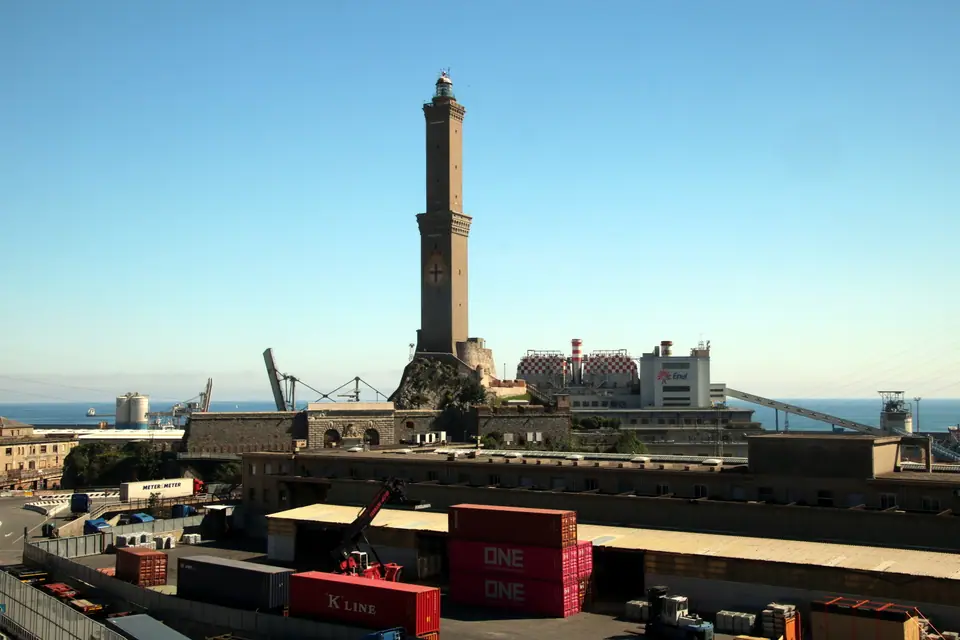
The symbol of maritime Genoa stands isolated on its rocky promontory, separated from the pedestrian waterfront by active cargo terminals and expressway flyovers. We reach the tower along an elevated pedestrian footbridge that threads above the port traffic, starting from the terminal area. The barrier walkway protects walkers from the heavy industrial roads below while offering dramatic sightlines over gantry cranes and container vessels.
The path climbs steadily towards the base of the fortifications, where brick bastions once guarded the western approach to the Gulf of Genoa. Here, the salt wind blows hard off the open water, carrying the tang of marine fuel and diesel from the commercial docks. We find the small museum quarter tucked into the ramparts directly beneath the twin square stages of the stone tower.
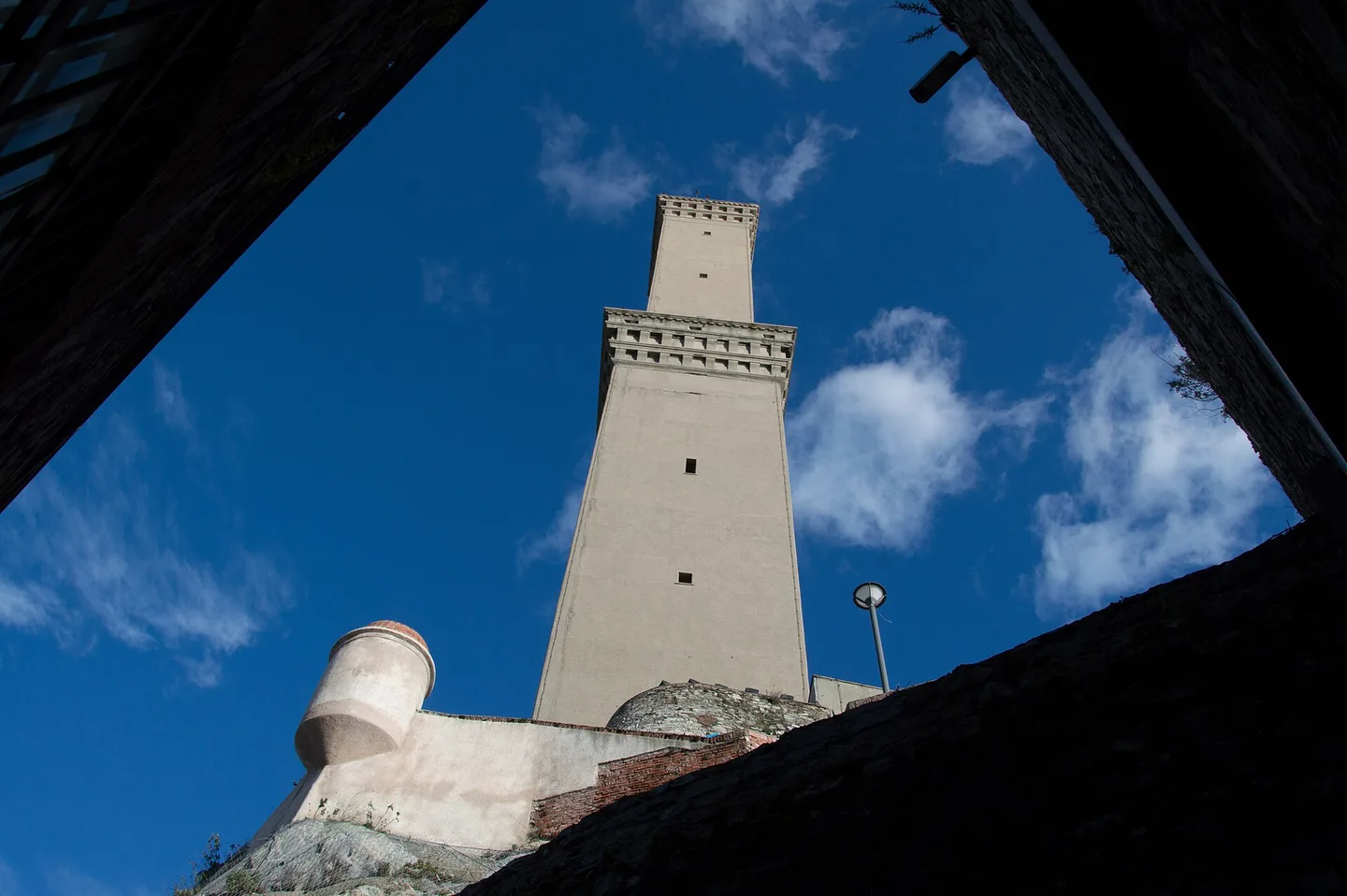
Inside the museum galleries, the displays explain how lighthouse keepers tended the coal fires and lanterns through centuries of naval rivalry. Climbing the open steps to the first viewing gallery rewards visitors with an expansive panorama across the curved sweep of Liguria. To the east, the pastel facades of the old town rise in steep tiers against the foothills.
Porto Antico and the Historic Wharves
Leaving the commercial headland behind, we head east into Porto Antico, the historic basin transformed from a derelict cargo yard into an open public space. Broad timber boardwalks and stone-paved quays replace the old security gates. These broad decks open unobstructed views across moored yachts, harbour tugs, and historical vessels. The salt air feels noticeably gentler within this sheltered pocket of the harbour.
The central piers draw local families and maritime visitors alike, acting as a natural gathering ground between water and urban stone. Broad public spaces allow unhurried walking beside restored cotton warehouses and metal rigging monuments. We pair this seaside stroll with key Genoa points of interest to balance sea views with hillside vantage points.
- Ponte Spinola: The central finger pier housing the sweeping marine exhibits and exterior decks over the water.
- Piazza Caricamento: The wide esplanade where dockworkers once unloaded cargo directly into the merchant arcades.
- Molo Vecchio: The oldest stone jetty enclosing the southern edge of the basin, offering quiet sunset views.
The soundscape here is shaped by clanking halyards, crying gulls, and the steady hum of cross-harbour shuttle craft. Benches line the edge of the water, offering resting spots under canvas awnings that echo the sails of classic galleons.
Maritime Landmarks Along Calata Falcone Borsellino
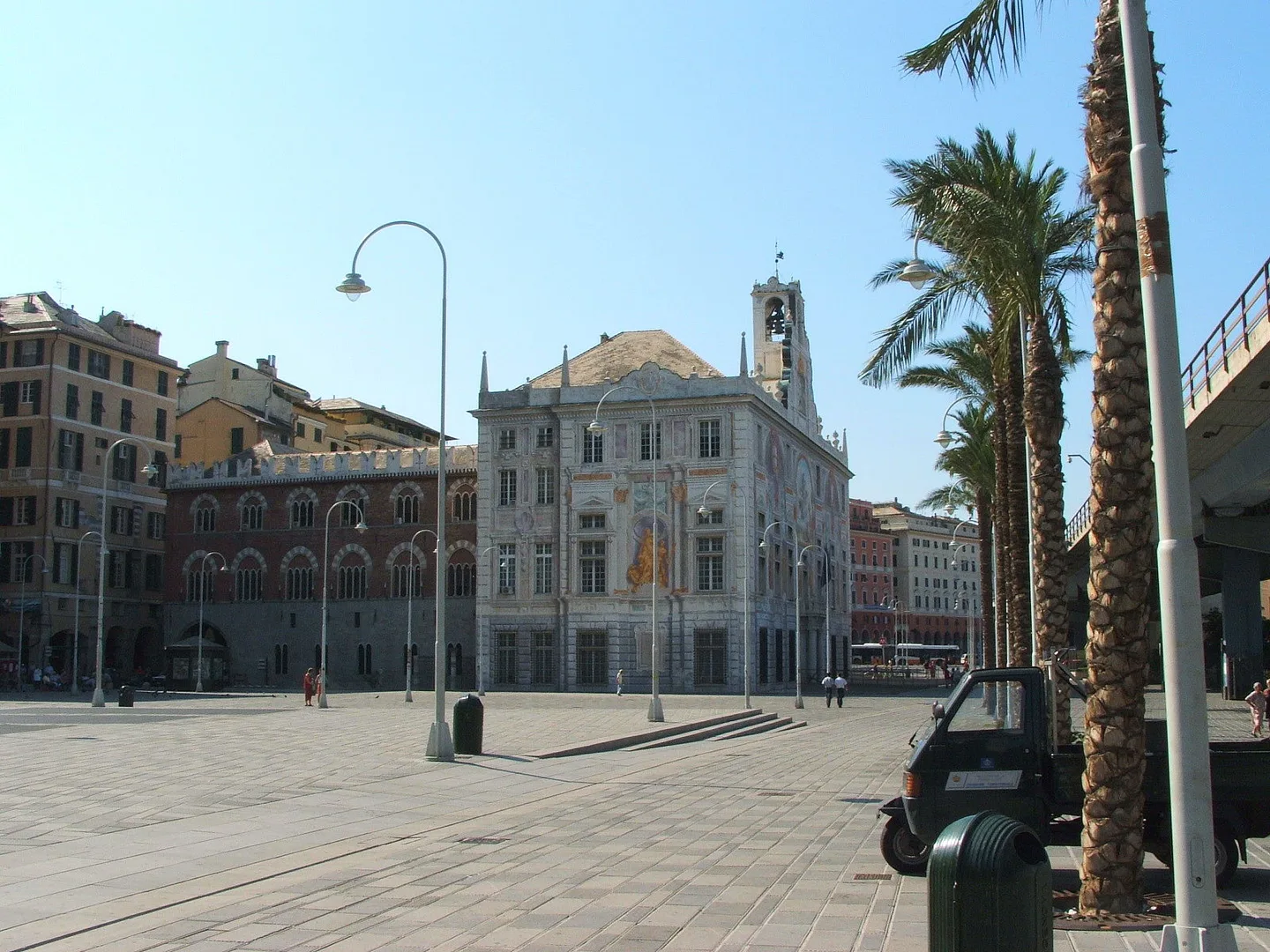
Continuing across the water's edge, we follow the curve of Calata Falcone Borsellino towards the grand historical buildings of the port authority. The exterior of Palazzo San Giorgio commands immediate attention, displaying painted frescoes that recount the merchant wealth of the medieval republic. Its red stone facade marks the exact threshold where the dense maze of alleyways spills onto the open wharf.
Near the maritime museum berths, historic vessels float alongside modern pontoons, creating an instructive contrast between traditional timber hulls and contemporary shipping technology. Walking this perimeter gives a clear sense of how the republic built its naval dominance from tiny, crowded slipways. We find shade beneath the vaulted colonnades when midday sun bounces harshly off the calm harbour basin.
The waterfront cafes and bakeries here serve crisp slices of sea-salt focaccia, baked fresh and wrapped in brown paper for eating beside the moorings. Stepping off the wide promenade into the adjacent alleys changes the atmosphere completely within two paces, swapping maritime glare for cool shadow.
Harbour Transit and Practical Promenade Circuits
Navigating the broad harbour crescent requires a sensible walking strategy, because moving between the Lanterna and the eastern jetties involves substantial distance. Rather than walking beside the noisy vehicle viaduct, we recommend boarding the local underground line between the port terminals and the old centre. Detailed transit options and rail connections are set out in our guide to arriving in Genoa.
Metro stations sit conveniently close to the central harbour esplanades, allowing quick access back to the principal railway junctions. During hot summer afternoons, the paved expanses of the quays offer little natural cover from intense sunlight, making early mornings ideal for uninterrupted outdoor strolls. The entire dockside route stays level, offering welcome relief from the steep vertical climbs found elsewhere across the city.
Official prices and opening hours
- Musei di Strada Nuova (Palazzi dei Rolli UNESCO)Official site ↗
- AMT Genova Metro, Funiculars & Lifts (Ascensore Castelletto)Official site ↗
Where it is
- 1Genoa Waterfront
- Genoa Cristoforo Colombo Airport (GOA) · about 5 km from here in a straight line
- Milano Linate Airport (LIN) · about 119 km from here in a straight line
- Directions in Google Maps
Stations and taxi ranks: OpenStreetMap. Airports: OurAirports. Distances are in a straight line.
Traveller tips
Real advice from people who have been to Genoa. Every tip is read by our team before it goes live.
No tips yet. Been here? Yours could be the first.
Thank you! Your tip will appear here after a quick review.
More in Genoa
Continue exploring Genoa with related neighbourhood, food, and planning guides