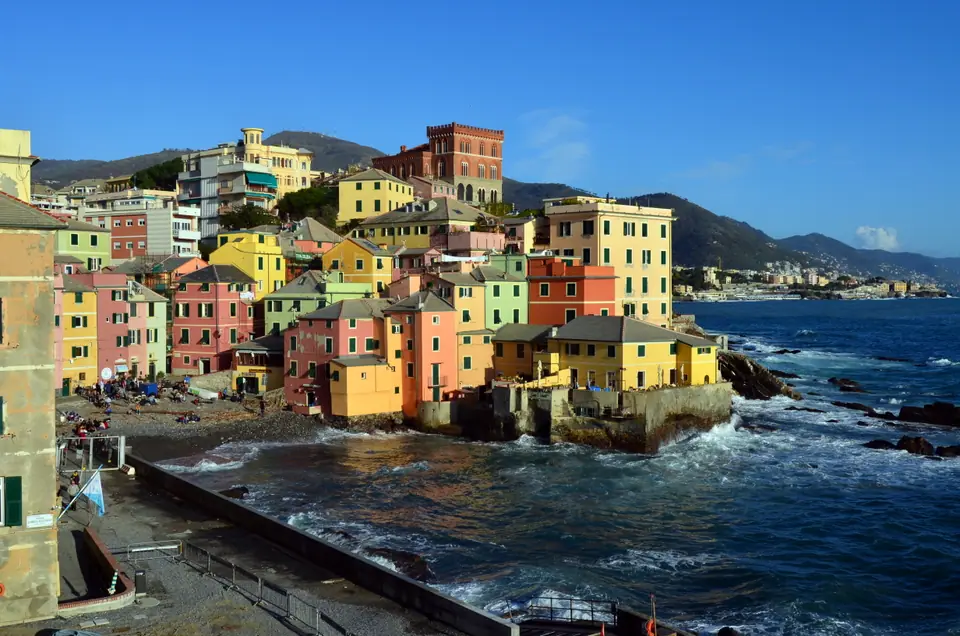
Photo: Dapa19 · CC BY-SA 4.0
Alleyways, Belvederes and Maritime Genoa
Medieval caruggi alleyways, noble Renaissance palazzos, and panoramic cliffside belvederes define the Ligurian capital's dramatic urban landscape.
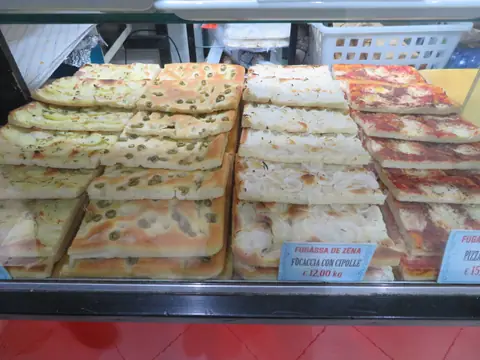
Genoa unfolds as a tight labyrinth pressed directly against steep coastal cliffs. Maritime trade built extraordinary stone wealth across the harbour over many centuries. We begin wandering through the dense caruggi, the narrow medieval alleys where tall tenements block direct sunlight. Laundry flutters high overhead between ancient stone walls. Turning sudden street corners reveals quiet piazzas fronted by striped marble churches. Artisan bakeries scent the air with focaccia, and weathered stone lintels crown heavy wooden doorways. The contrast between shadowy medieval passageways and sweeping boulevards defines the character of this historic harbour city.
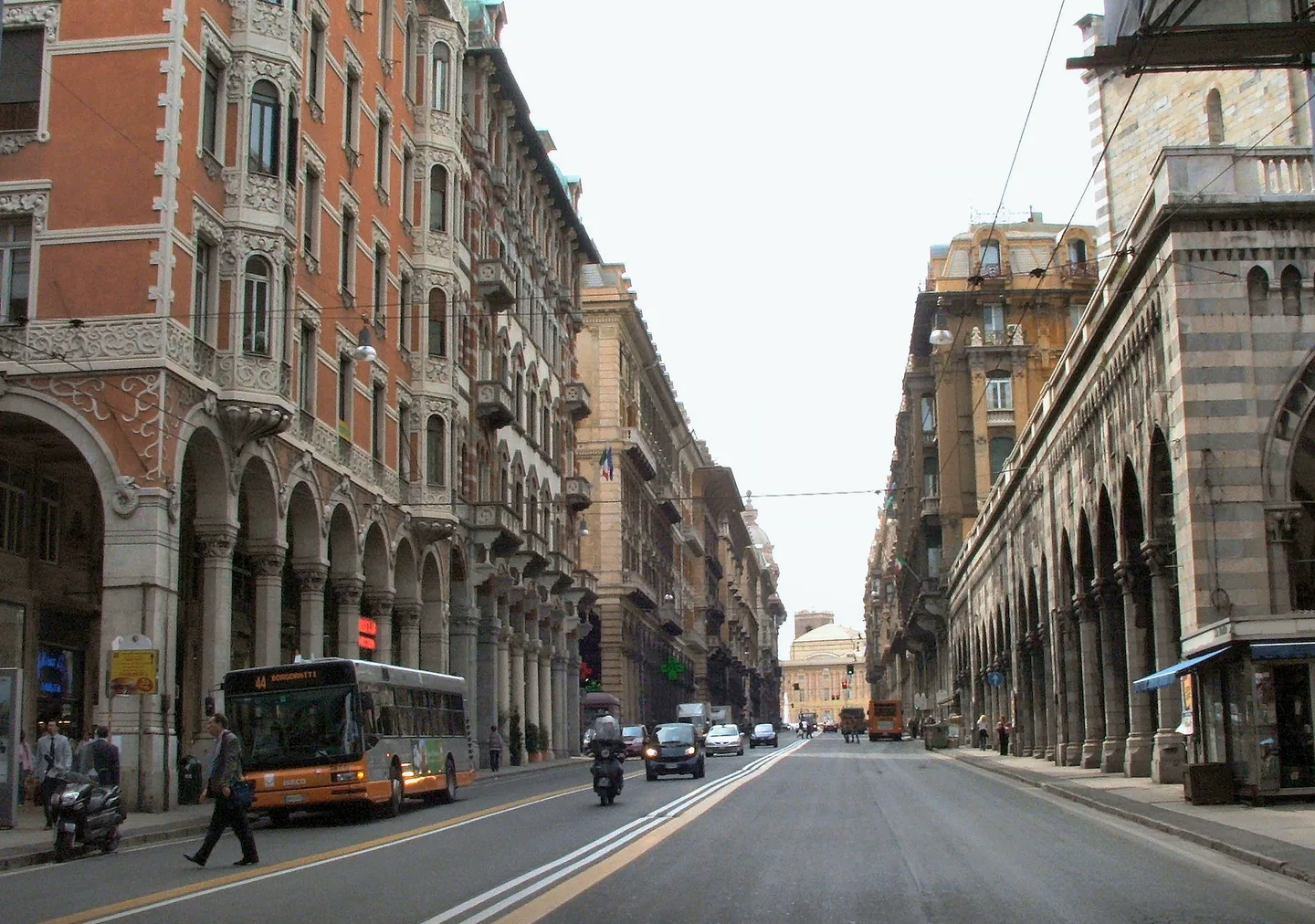
Stepping out of the dense alleyways into the sunlit expanse of Piazza De Ferrari brings us into the civic heart of the city. Grand bank headquarters, historic theatres, and bronze fountains frame this circular gathering place. The square connects the old port directly with nineteenth-century commercial avenues. Walking along Via XX Settembre, we pass beneath monumental stone arches. Broad shaded pavements run beside grand residential facades decorated with classical sculptures. Match seaside squares with our topographic layout and funicular guide to link walking loops with main railway stops.
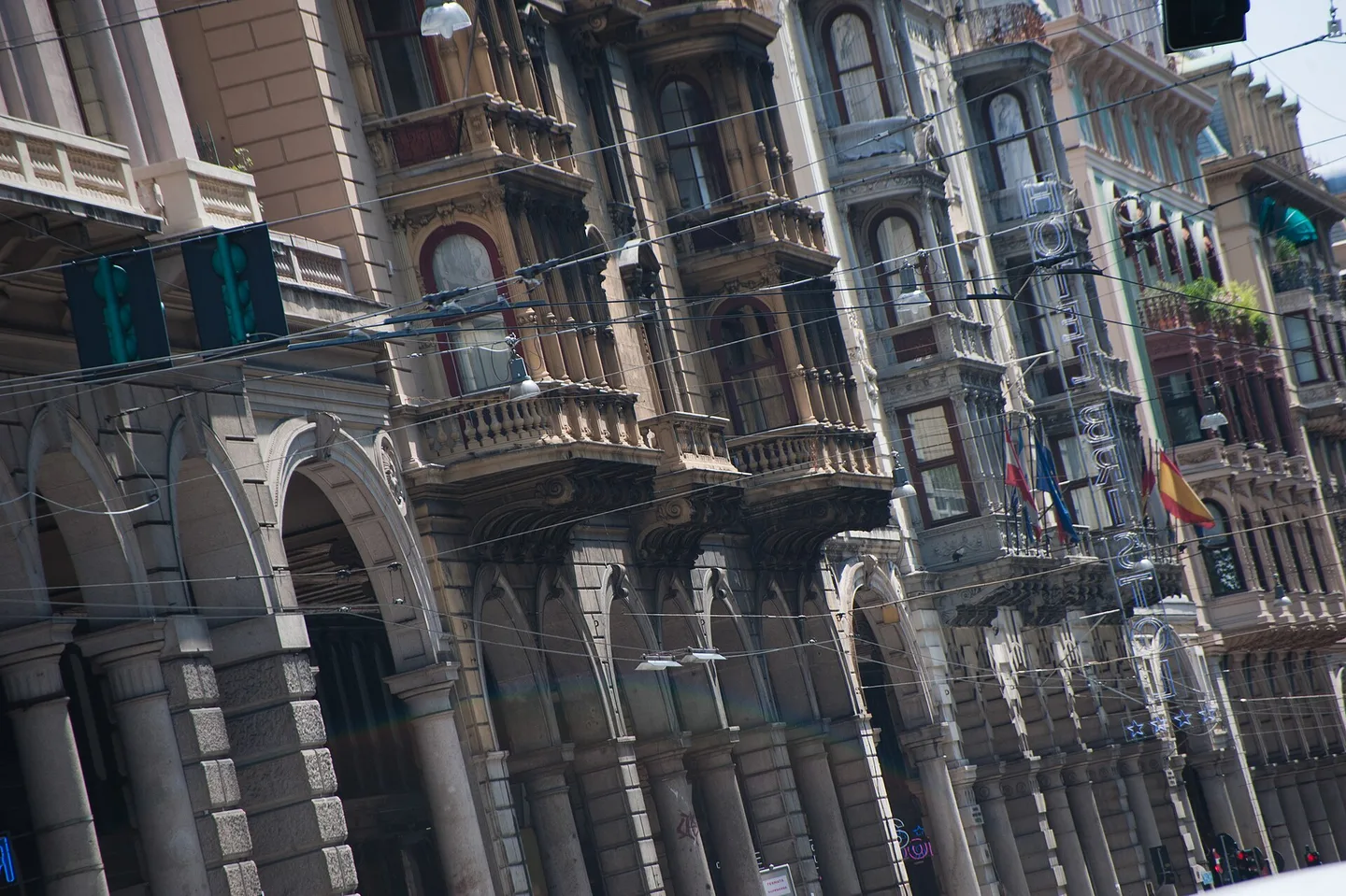
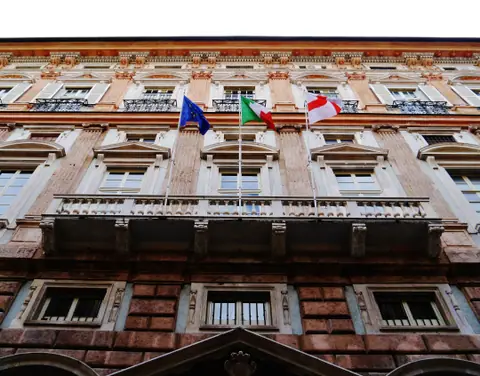
The grandest residential architecture stands gathered along Via Garibaldi, historically known as Strada Nuova. Genoese patricians constructed lavish residences along this paved corridor during the sixteenth century. These monumental buildings, preserved under UNESCO protection as the Palazzi dei Rolli, formed an official network of noble residences appointed to lodge visiting foreign dignitaries. Today, Palazzo Rosso, the neighbouring Bianco gallery, and nearby Doria-Tursi house Flemish tapestries, Ligurian ceramics, and Renaissance canvases across gilded rooms.
Visiting the Rolli palaces reveals internal courtyards planted with citrus trees, sweeping marble staircases, and open loggias. Wealthy merchant dynasties commissioned master painters to cover vaulted ceilings with classical myths and maritime allegories. These artistic commissions displayed private maritime fortunes to visiting ambassadors. Walking through the quiet garden courtyards offers peaceful moments away from the busy traffic of modern arterial roads. Visitors can easily spend an entire morning studying oil paintings and sculpted reliefs along this single protected thoroughfare.
| Urban Quarter | Key Architectural Landmark | Primary Access Method | Primary Exploration Focus |
|---|---|---|---|
| Centro Storico | Medieval Caruggi Network | Walking from San Giorgio Metro | Hidden squares, historic bakeries, and Romanesque portals |
| Strada Nuova | Palazzi dei Rolli | Walking from Piazza Fontane Marose | Renaissance courtyards, frescoed ceilings, and art collections |
| Castelletto | Spianata Belvedere | Ascensore Castelletto Art Nouveau lift | Panoramic harbour views and rooftop photography |
| Porto Antico | Restructured Harbour Quays | Walking from San Giorgio station | Maritime docks, waterfront esplanades, and ferry piers |
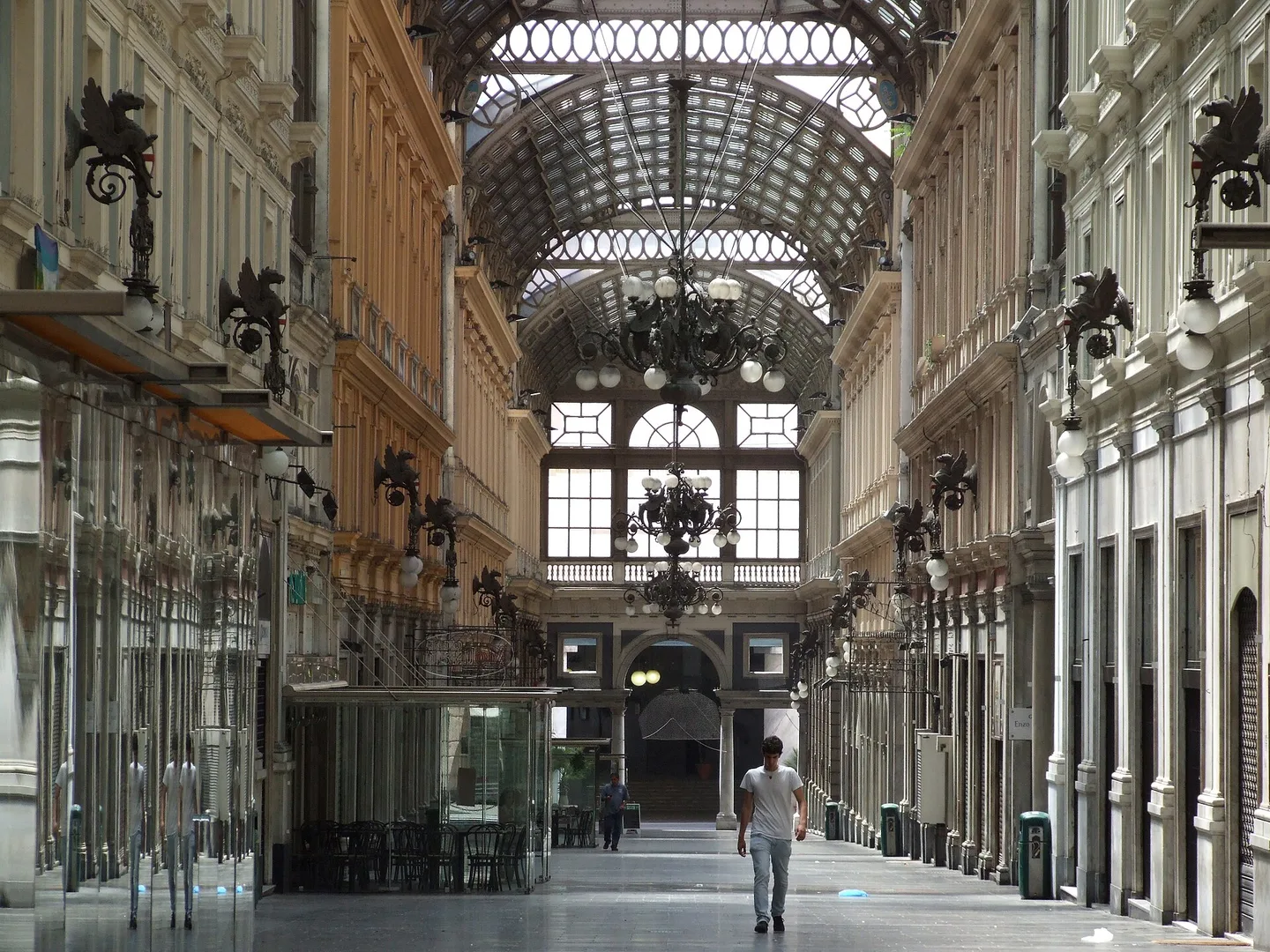
Beyond the Renaissance palaces, covered shopping galleries offer shelter during sudden coastal showers. These glass passages showcase delicate cast ironwork from the late nineteenth century. Galleria Mazzini runs parallel to the main opera house, featuring vaulted glass ceilings and polished stone paving. The bright gallery design recalls classical Milanese arcades built during the same historic era. Second-hand bookstalls, traditional coffee houses, and antique print dealers fill these quiet shopfronts. Basing yourself across harbourfront alleys or hillside Castelletto avenues makes exploring early markets simple.
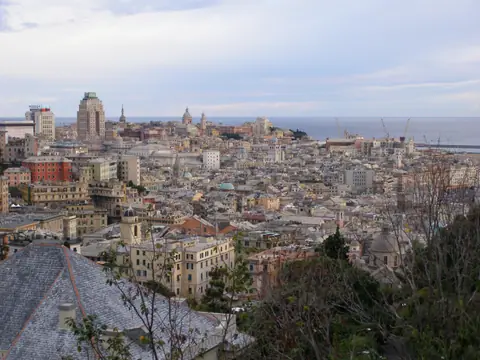
Vertical transport forms an essential part of daily life in Genoa. Here, steep mountains drop sharply down into the Tyrrhenian Sea. Instead of climbing hundreds of stone steps, we board public lifts, funiculars, and rack railways carved directly into bedrock. The Art Nouveau public lift at Portello carries passengers straight up inside the hillside rock. You arrive suddenly at Spianata Castelletto high above the city roofs. Stepping out onto this stone belvedere reveals an open view across slate rooftops, medieval bell towers, and shipping cranes working in the distant port.
Spending time at the high belvederes explains how maritime commerce dictated the physical growth of the coastal city over centuries of expansion. We trace the route of ancient defensive walls along surrounding ridges, noting where modern roads curve around rocky ravines. Mountain breezes regularly sweep down from the Apennine peaks, clearing sea mist and giving remarkable clarity to the horizon. Looking down across the rooftops reveals hidden roof terraces filled with potted herbs, flowering plants, and terracotta tiles.
The public transit network includes several unique hillside conveyances that climb through wooded ravines and steep residential quarters. The Zecca-Righi funicular climbs high above the urban centre toward trailheads along the mountain ridge. Passengers travel up past terraced gardens, stone villas, and ancient stone bastions. Reaching the upper terminus gives access to walking trails that follow old defensive walls overlooking the valley below. These transit lines demonstrate how municipal engineers conquered challenging topography to connect isolated hillside suburbs with maritime piers.
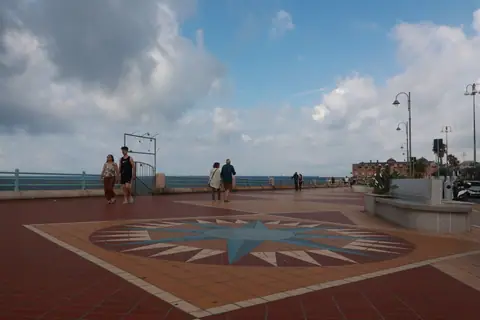
Descending back to sea level leads directly to the waterfront along the Porto Antico. Historical merchant galleys and sailing vessels once docked beside grand customs houses here. Centuries of international trade, shipbuilding, and maritime exploration started along these restored stone quays. The redeveloped docks now host cultural venues, marine museums, and open walking piers. We enjoy fresh seafood along the quayside benches while watching tugboats, passenger ferries, and cargo freighters manoeuvre across the roadstead. The historic docklands remain active, preserving the proud seafaring heritage of the Ligurian republic.
- Follow the winding stone paths through the Centro Storico toward ancient gate towers and Romanesque crypts.
- Ascend public funicular railways into hillside suburbs to observe how residential districts cling to vertical mountain slopes.
- Stroll along stone harbour jetties to photograph modern naval vessels and historical dry docks side by side.
- Continue along the eastern coast toward traditional fishing quarters where colourful pastel cottages shelter around rocky coves.
Coastal roads stretch eastward from the city centre along seaside promenades, leading toward traditional maritime villages such as Boccadasse. Here, multi-coloured fishermen's houses cluster tightly around a pebble cove. Small wooden rowing boats rest pulled safely above the surf on gravel ramps. Locals gather on the rocks during late afternoon to share paper cones of fried anchovies and watch gentle waves break against stone breakwaters. This harmonious balance of working harbour docks, mountain vistas, and quiet coastal inlets makes Genoa a deeply rewarding city to explore on foot.
Further along the eastern coastline, seaside paths connect small shingle beaches with rocky headlands where pine trees overhang the Mediterranean water. The changing sea light highlights pastel stucco facades and green wooden window shutters. Walking along these maritime pathways provides refreshing sea breezes away from the dense shadows of the inner city caruggi. Genoa successfully preserves both its monumental urban history and its intimate coastal character within a compact, walkable territory.
Official prices and opening hours
- Musei di Strada Nuova (Palazzi dei Rolli UNESCO)Official site ↗
- AMT Genova Metro, Funiculars & Lifts (Ascensore Castelletto)Official site ↗
Where it is
- 1Genoa
- Genoa Cristoforo Colombo Airport (GOA) · about 8 km from Genoa in a straight line
- Milano Linate Airport (LIN) · about 118 km from Genoa in a straight line
- Directions in Google Maps
Stations and taxi ranks: OpenStreetMap. Airports: OurAirports. Distances are in a straight line.
Traveller tips
Real advice from people who have been to Genoa. Every tip is read by our team before it goes live.
No tips yet. Been here? Yours could be the first.
Thank you! Your tip will appear here after a quick review.
More in Genoa
Continue exploring Genoa with related neighbourhood, food, and planning guides