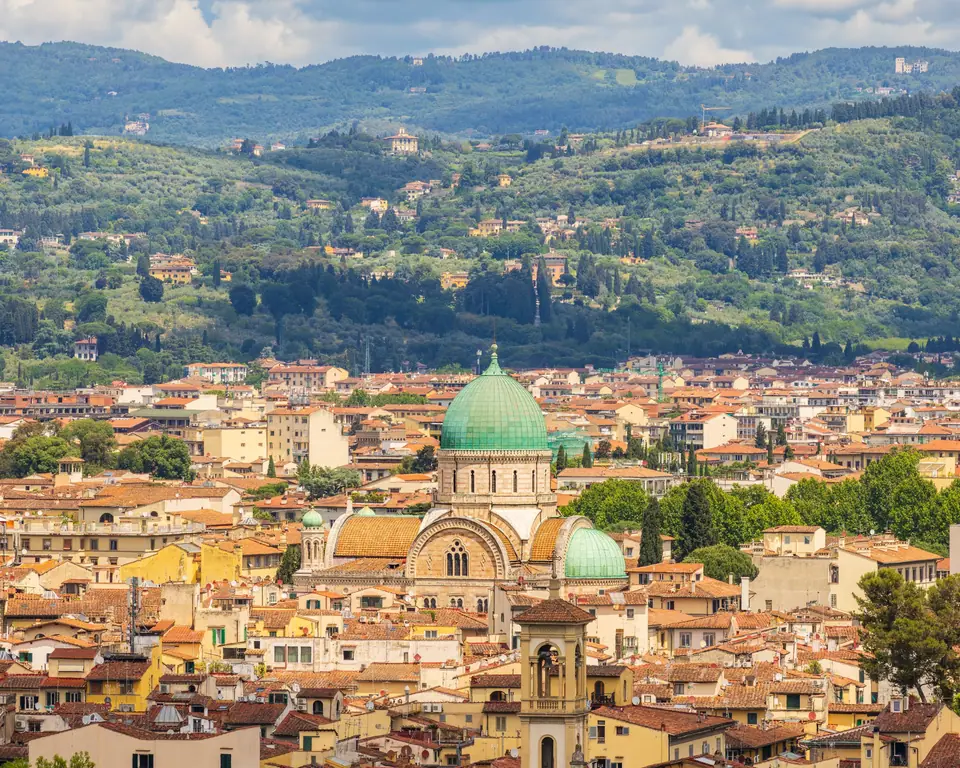
Florence
Florence rewards slow walking through medieval stone lanes, Renaissance galleries, and riverside quarters shaped by centuries of Tuscan craftsmanship.
Quick decisions
How many days?
Plan three full days to cover the primary galleries, climb the cathedral hills, and explore the artisan workshops without feeling rushed.
Where should I stay?
Choose San Marco for quieter residential streets, or cross the river into Oltrarno to stay closer to traditional workshops and independent dining spots.
Do I need a car?
Never bring a private car into central Florence, as strict camera-enforced restricted zones cover the entire historic core.
Best for
Art historians, independent walkers, and food lovers seeking rich Tuscan cooking, early modern sculpture, and dense architectural heritage.
Before you go
Secure advance reservations for high-demand art galleries weeks ahead, especially when travelling between April and October.
Getting around
Walk across the compact city centre on foot, relying on the modern tram network primarily for connections to the main railway terminus.
Continue your trip
Board high-speed trains directly from the central terminus towards regional rail hubs across central and northern Italy.
Overview
Florence sits within a natural basin along the banks of the Arno River, surrounded by gently rolling Tuscan hills. The urban footprint remains remarkably compact, preserving a dense medieval and Renaissance street grid paved with broad flagstones. Most journeys between major public squares require only ten to twenty minutes on foot, making the city exceptionally approachable for independent walkers who enjoy exploring historic architecture without motor vehicles.
Centuries of commercial and artistic patronage under the Medici family transformed this regional trading town into a cradle of European art and humanism. Grand stone palazzi still stand beside lively family grocery shops, stationers, and independent craft studios. The city balances heavy international visitor numbers with an enduring civic pride, maintaining deep culinary traditions and seasonal pageants rooted in medieval guild quarters. Stepping down narrow residential alleys soon trades coach-tour avenues for quiet courtyards and sunlit cloisters.
Getting there
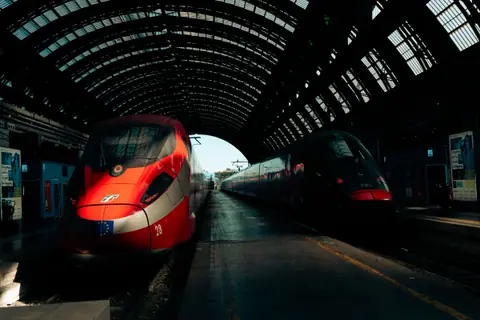
Most travellers reach the city by high-speed rail arriving directly at Firenze Santa Maria Novella railway station. The station stands right at the edge of the historic quarter, allowing visitors to walk to central hotels within minutes. Modern tramlines also connect the rail terminal smoothly to outer districts and the regional airport, offering affordable and predictable public transport journeys across the metropolitan area.
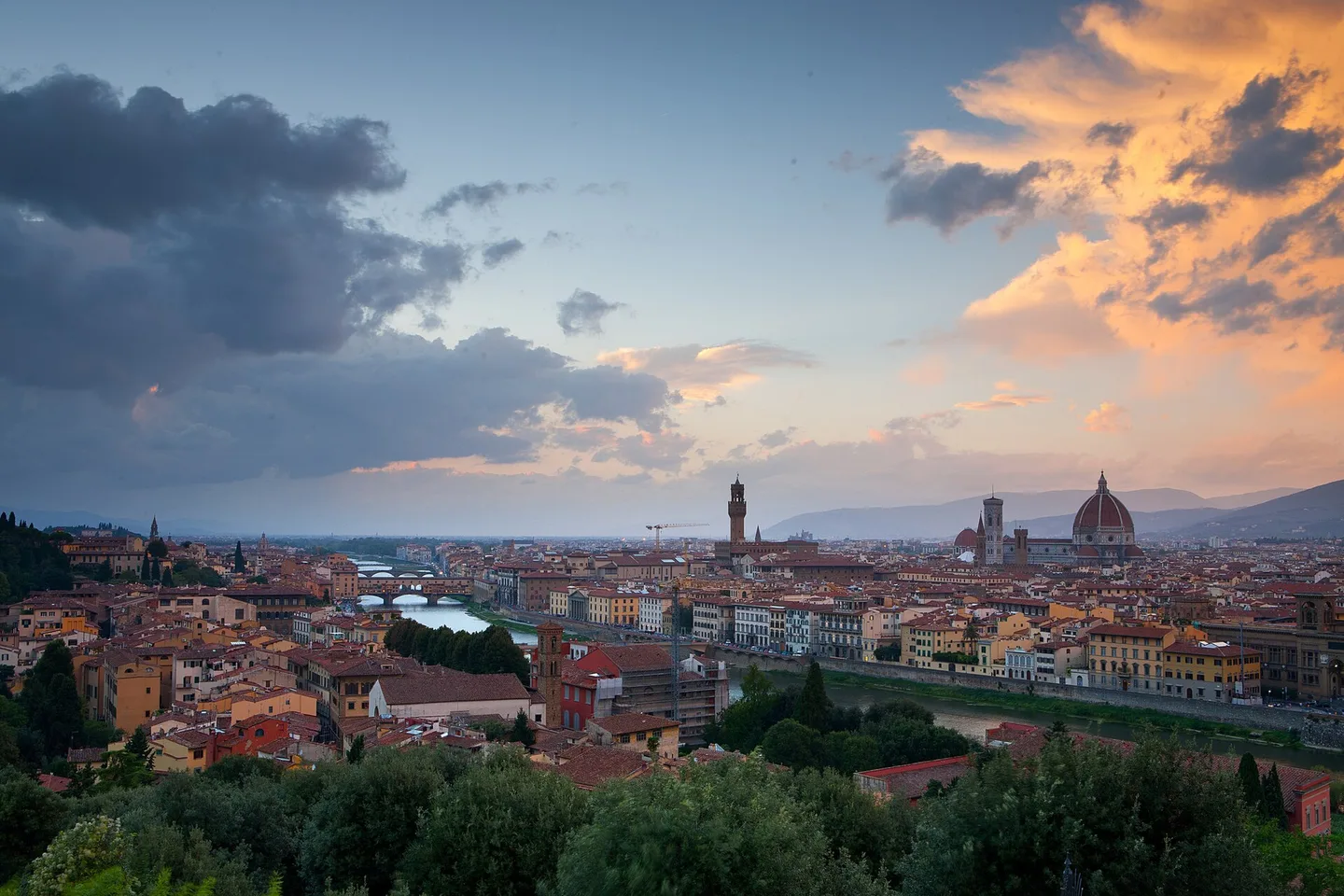
Driving inside central Florence is prohibited for non-resident vehicles under strict traffic enforcement systems with automatic cameras. Heavy municipal fines apply to unauthorised cars entering the historic core, so you should leave rental vehicles at peripheral park-and-ride facilities. Plan your arrival routes and check local transport options to avoid traffic complications around pedestrian zones.
Where to stay
Deciding where to establish your base depends on your daily walking habits and sensitivity to evening street noise. The central district surrounding the cathedral keeps you steps away from premier galleries, yet early morning delivery vans and late-night crowds can disturb light sleepers. For a calmer atmosphere, consider the residential blocks of Santissima Annunziata and San Marco, which offer shaded public squares and local grocers.
Across the river, the Oltrarno district offers a strong alternative with artisan studios, antique markets, and quieter wine bars. Streets around Piazza Santo Spirito feel calm and residential once daytime crowds drift back over the bridges. Compare terrain, luggage convenience, and evening noise levels in central vs southern districts before booking a room.
Things to do
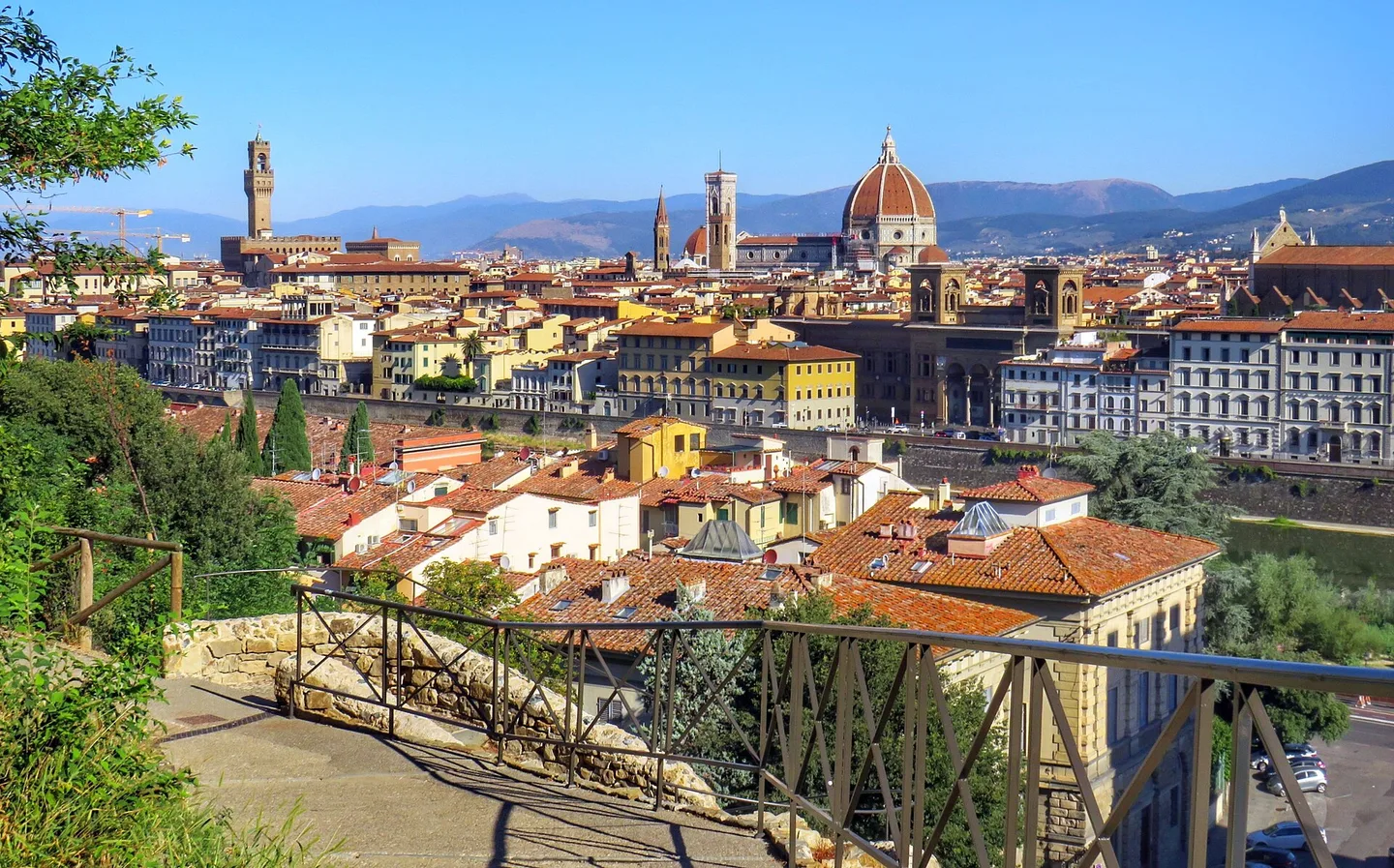
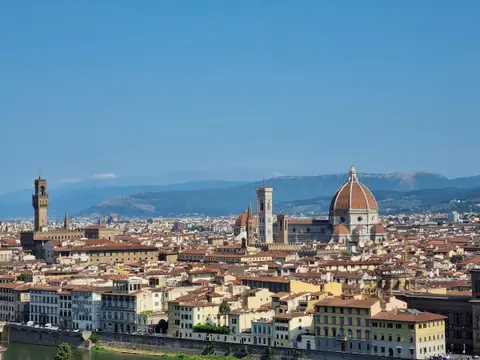
The monumental heart of the city centres on the cathedral complex with its famous red-brick dome and carved marble campanile. A short walk south leads toward Piazza della Signoria, an open-air sculpture gallery dominated by the towering fortress walls of Palazzo Vecchio. Pair exterior stone ensembles with museum stops from key Florentine landmarks and river walks for balanced walking circuits.
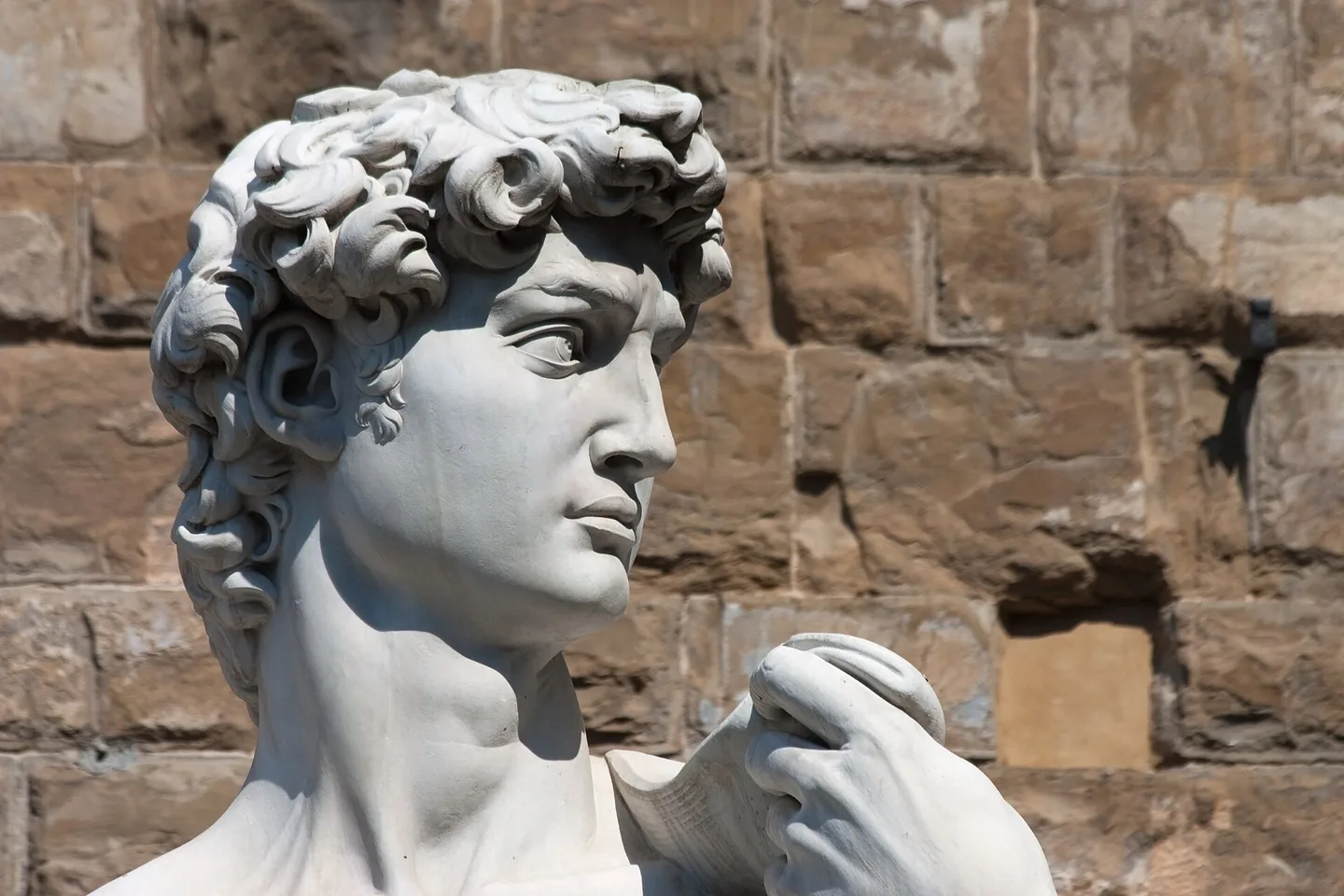
Art collections in the historic centre demand realistic pacing rather than rushed gallery marathons. The Uffizi holds an extensive survey of Florentine painting, while the Accademia houses celebrated Renaissance marble carvings. To experience major monuments without fatigue, reserve fixed entry slots ahead and trace the stone route linking the Duomo and Piazza della Signoria cleanly on foot.
Food and drink
Florentine cooking relies on honest, rustic ingredients sourced from the surrounding Tuscan countryside. Unsalted crusty bread forms the foundation of hearty soups like ribollita, simmered with cavolo nero and cannellini beans, and pappa al pomodoro. Thick T-bone steaks cut from Chianina cattle are traditionally grilled over glowing embers, served rare with coarse salt and local olive oil.
For casual midday lunches, visit neighbourhood street counters for warm lampredotto rolls seasoned with tangy salsa verde. Indoor market halls offer seasonal produce, cured wild boar salumi, and regional sheep cheeses alongside busy lunch counters. Pair your evening meal with dry Chianti wines served in traditional carafes, following local custom by savouring dishes at a steady, relaxed pace.
Culture
Florentines take immense pride in their civic identity and artisanal heritage, from hand-marbled paper makers to bespoke leather workshops. When entering churches, wear modest clothing covering shoulders and knees, as religious custodians enforce dress codes strictly. Wear durable, supportive walking shoes to handle uneven stone flags comfortably, especially when climbing steep steps up to the panoramic viewpoints above the river.
Summer conditions can be demanding, with July daytime temperatures averaging 32.8°C and night lows around 19.3°C, while January drops to 2.4°C with daytime highs of 10.8°C. Heavy rainfall peaks in November at 108 mm across around 11 wet days, contrasting with dry July averages of only 28 mm over about 4 wet days. Shape morning gallery visits around a paced three-day walking loop across both banks of the river before midday heat builds.
Official prices and opening hours
- Galleria degli UffiziOfficial site ↗
- Opera del Duomo (Brunelleschi Dome, Baptistery, Bell Tower)Official site ↗
Weather by month
Florence is warmest in July, with average highs around 33°C, and coldest in January, when nights drop to about 2°C. November is the wettest month by rainfall (108 mm), with rain on about 11 days.
| Month | Low | Range | High | Rain | Rainy days |
|---|---|---|---|---|---|
| Jan | 2°C | 11°C | 62 mm | 8 d | |
| Feb | 4°C | 13°C | 65 mm | 8 d | |
| Mar | 6°C | 16°C | 61 mm | 8 d | |
| Apr | 9°C | 20°C | 68 mm | 9 d | |
| May | 13°C | 25°C | 64 mm | 9 d | |
| Jun | 17°C | 30°C | 45 mm | 6 d | |
| Jul | 19°C | 33°C | 28 mm | 4 d | |
| Aug | 19°C | 33°C | 36 mm | 5 d | |
| Sep | 15°C | 27°C | 74 mm | 7 d | |
| Oct | 11°C | 21°C | 96 mm | 9 d | |
| Nov | 7°C | 15°C | 108 mm | 11 d | |
| Dec | 3°C | 11°C | 75 mm | 9 d |
Averages of daily values from 2015 to 2024. Rainy days are days with at least 1 mm of rain. Source: Open-Meteo · Compare destinations by month.
Florence on the map
Every place we cover in Florence. Tap a category or pin to explore.
In-depth Florence guides
Browse the guides grouped by topic: sights, neighbourhoods, food, transport, day trips and trip planning.
Sights, Landmarks & Parks
Key monuments, viewpoints, museums and nature trails.
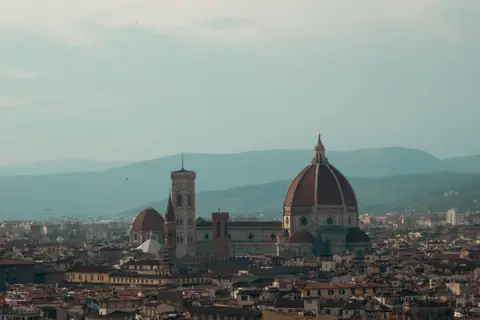 Florence Cultural Highlights and Historic NeighbourhoodsHistoric squares, celebrated galleries, peaceful riverbanks, and distinct artisan neighbourhoods across both banks of the Arno shape central Florence.
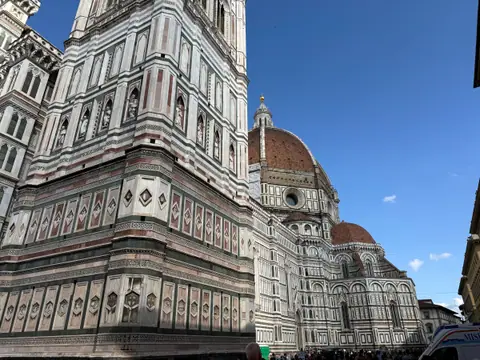 Florence Historic Core: Duomo Complex and Piazza della SignoriaWe walk through the architectural heart of Florence, connecting the cathedral marble facades with open-air civic sculpture collections across ancient stone flagstones.
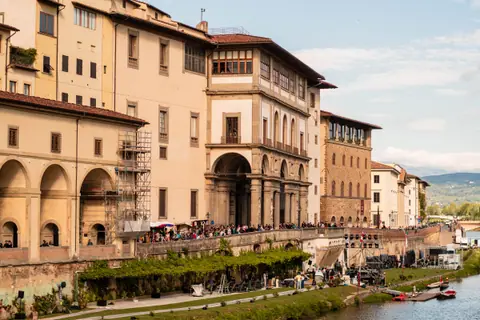 Florence Renaissance Sculpture and Museum Walking RoutesGrand marble sculptures and painting halls connect the Arno riverfront to northern Florence squares along quiet historic lanes.
Neighbourhoods & Where to Stay
Districts, historic quarters and the best bases for your stay.
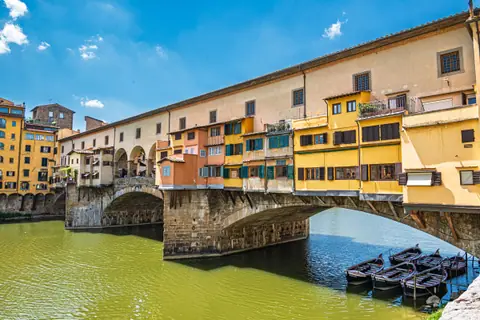 Oltrarno Artisans, Ponte Vecchio and Florentine Dining TraditionsCross the Arno into the Oltrarno to uncover artisan workshops, historic bridges, and traditional trattorias serving classic Tuscan specialities across peaceful streets.
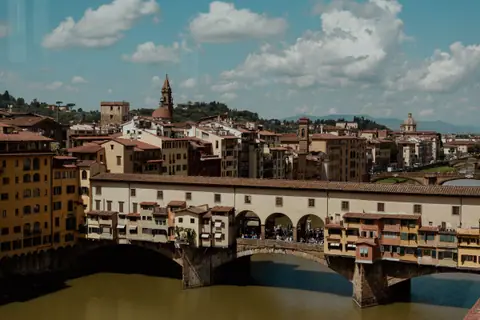 Florence Neighbourhood Guide: Choosing Your Base North and South of the RiverChoosing the right district in Florence shapes your daily rhythm between quiet artisan lanes and celebrated Renaissance collections.
Getting Around & Arrival
Airport transfers, public transit, passes and driving rules.
Trip Planning & Itineraries
When to visit, what to pack and day-by-day routes.
 Florence Practical Travel Notes: Streets, Squares, and SightsNavigating the compact historic centre of Florence requires comfortable footwear, early planning for major monuments, and sensible route pacing every morning.
 Florence Seasonal Rhythm and Touring SeasonsChoosing the best touring months lets you experience Tuscan street life and historical galleries under comfortable walking conditions.
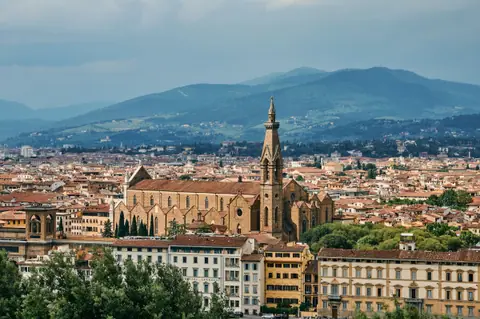 What to Wear in Florence: Footwear, Churches, and Seasonal LayersDressing well in Florence requires balancing Tuscan elegance with strict church etiquette and sturdy walking shoes for uneven sandstone paving.
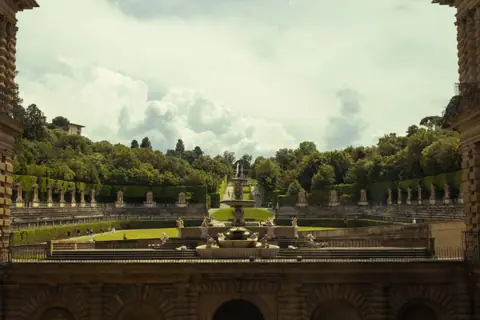 Florence in Three Days: A Renaissance Walking RouteWe trace a balanced three-day route through historic Florentine alleys, prominent art collections, and scenic southern hills across the Arno.
Need your embassy or consulate in Italy? See embassies and consulates in Italy.
Reviews
Log in to write a review.
No reviews yet.