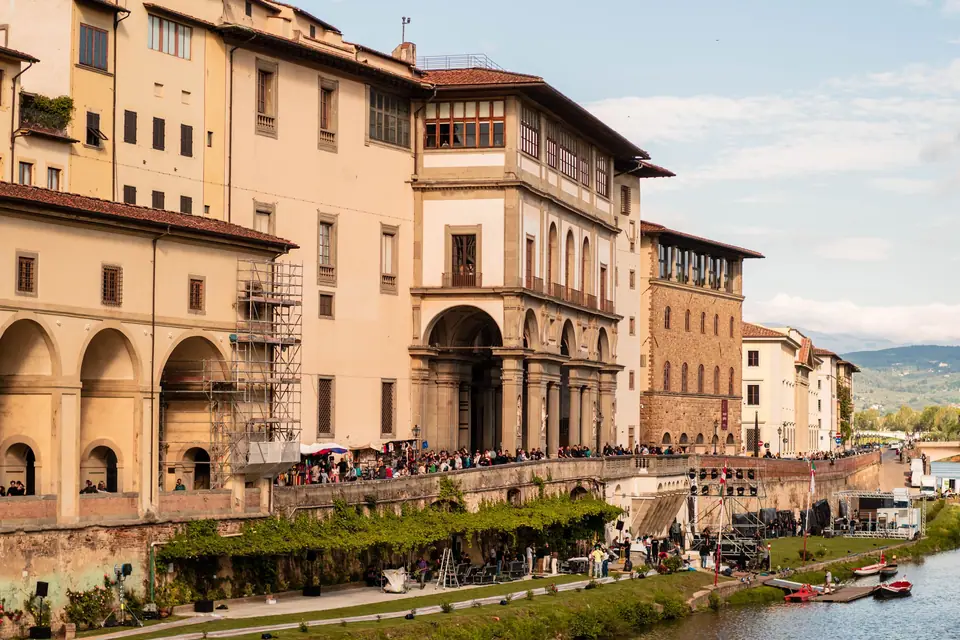
Florence Renaissance Sculpture and Museum Walking Routes
Grand marble sculptures and painting halls connect the Arno riverfront to northern Florence squares along quiet historic lanes.
Standing inside the upper corridors of the Galleria degli Uffizi, we look across polished floorboards flanked by antique Roman busts and Renaissance portrait heads. The grand building designed by Giorgio Vasari frames the long courtyard reaching toward the river Arno. This layout creates an open architectural spine through the historic core. Light floods through tall eastern windows, illuminating coffered ceilings painted with intricate grotesques, classical gods, and heraldic crests that celebrate Tuscan civic history.
We recommend starting your museum day directly along the riverfront colonnades before pedestrian clusters thicken around the Piazza della Signoria. Navigating the long gallery wings in numerical sequence gives visitors a coherent view of Tuscan art evolving from flat Gothic altarpieces to sculptural Renaissance canvases. Look through the south-facing windows for wide vistas across the riverbanks, where stone arches reflect against green water and clay roof tiles.
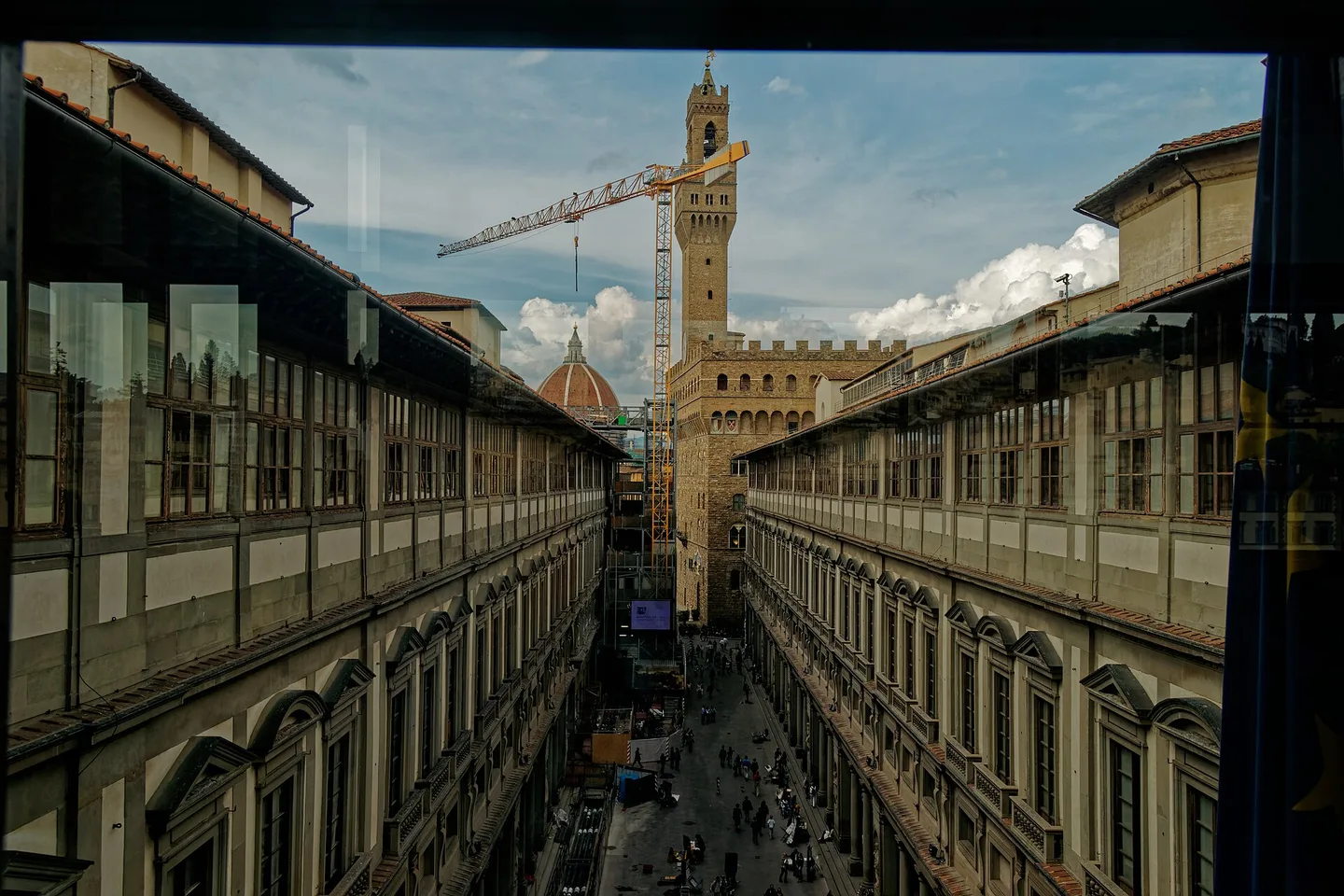
Navigating the Uffizi Riverfront Galleries
The transition between the eastern and western corridors brings travellers across the southern edge of the complex, hovering directly above riverside roads. Here, carved classical figures stand between arched window bays, casting long shadows across decorative stonework as the morning sun climbs over the hills. Taking time along these quiet perimeter walkways allows your party to appreciate the scale of Medici civic ambition before entering denser painting rooms.
Passing through the core collections, we encounter rooms holding celebrated panel paintings that reward slow, quiet study. The spacious presentation lets travellers view fine drapery folds, delicate gold leaf halos, and muscular draughtsmanship from several paces back. Stepping outside into the enclosed courtyard brings an immediate shift from intimate exhibition spaces to soaring rusticated stone arches.
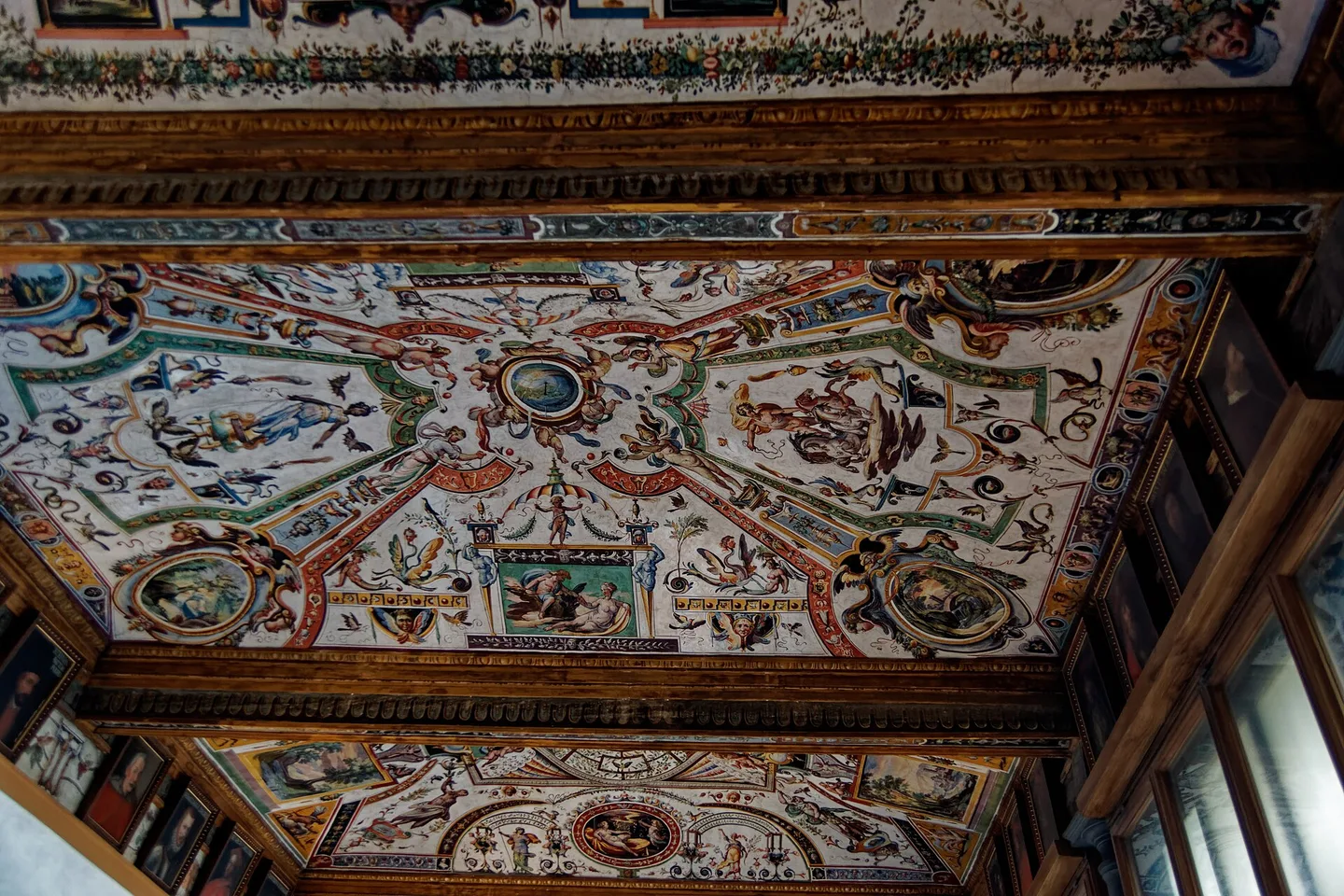
Connecting Piazza della Signoria to the Accademia
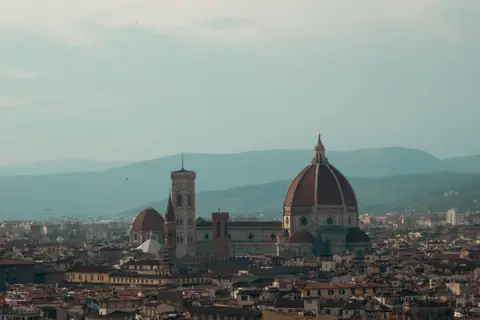
Leaving the riverfront complex, we walk northward into the open expanse of Piazza della Signoria, where outdoor marble statues command open flagstones. This historic square functioned as Florence's civic heart for generations, showcasing large-scale heroic bronzes and fountain figures against the imposing masonry of Palazzo Vecchio. Reviewing the varied cultural sights across Florence helps frame how these public monuments linked local governance with classical artistic storytelling.
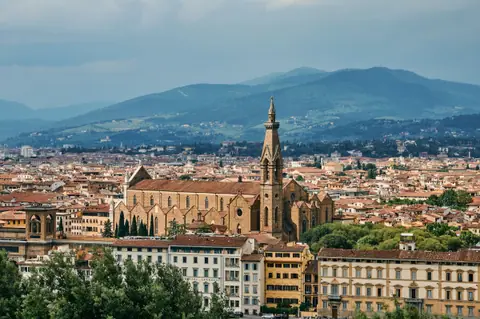
To reach the northern museum quarter, we follow stone-paved lanes past the cathedral perimeter toward Via Ricasoli and San Marco. Walking these central streets reveals continuous ground-floor workshops, quiet domestic chapels, and carved stone family crests set into ancient cornerstones. Travellers moving across the historic district find that walking remains the most direct way to observe architectural transitions between medieval alleys and broader Renaissance roads.
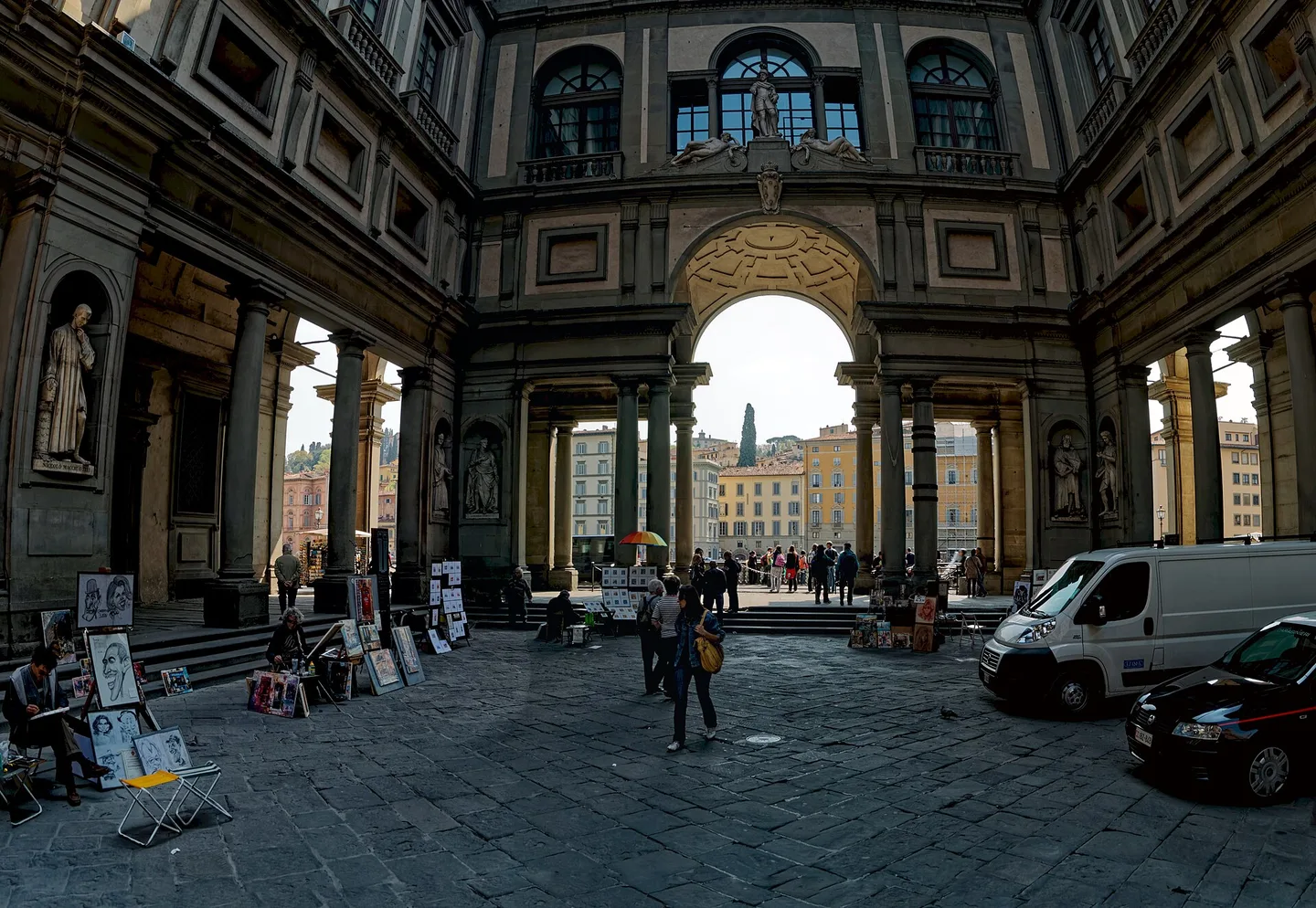
Renaissance Sculpture Sequences and Public Squares
Understanding where notable carvings reside across central Florence helps travellers structure an efficient walking day without retracing steps unnecessarily. We have mapped out the principal sculpture stops between the riverfront and northern neighbourhoods below to clarify their physical settings:
| District Location | Artistic Focus | Setting Style | Pedestrian Approach |
|---|---|---|---|
| Piazzale degli Uffizi | Medici portraiture and antique busts | Enclosed riverside colonnade | Direct riverfront walkway |
| Piazza della Signoria | Civic bronzes and fountain marbles | Open monumental stone square | Broad pedestrian flagstones |
| Via Ricasoli Quarter | Monumental heroic stone carving | Specialised skylit museum gallery | Paved northern street route |
| San Marco Environs | Monastic stone reliefs and cloisters | Quiet courtyard spaces | Level northern district lanes |
Each sculpture hub offers a distinct physical environment, ranging from open sunlit paving stones to carefully climate-controlled indoor halls. Studying these works in their intended civic context reveals how Florentine sculptors manipulated sunlight, perspective, and viewing angles across public thoroughfares.
Crowd Flow and Street-Level Route Advice
Connecting the Uffizi riverfront to the northern Accademia district requires navigating popular pedestrian arteries that fill rapidly during midday hours. We suggest reserving early morning intervals for quiet river views and planning your northern stroll through intermediate side lanes. Checking the wider overview of Florence's historic centre enables smoother pacing between dense gallery halls and open public piazzas.
To maintain energy during a long day of gallery exploration, factor in slow transitions through shaded inner cloisters and small neighbourhood squares. Paved surfaces remain firm underfoot, making comfortable leather shoes far preferable to thin footwear across ancient stone slabs. By moving between enclosed display rooms and breezy public courtyards in steady stages, you preserve fresh perspective for Florence's extraordinary sculpture legacy.
Official prices and opening hours
- Galleria degli UffiziOfficial site ↗
- Opera del Duomo (Brunelleschi Dome, Baptistery, Bell Tower)Official site ↗
Where it is
- 1Florence Renaissance Sculpture and Museum Walking Routes
- Florence Airport, Peretola (FLR) · about 6 km from here in a straight line
- Directions in Google Maps
Stations and taxi ranks: OpenStreetMap. Airports: OurAirports. Distances are in a straight line.
Traveller tips
Real advice from people who have been to Florence. Every tip is read by our team before it goes live.
No tips yet. Been here? Yours could be the first.
Thank you! Your tip will appear here after a quick review.
More in Florence
Continue exploring Florence with related neighbourhood, food, and planning guides