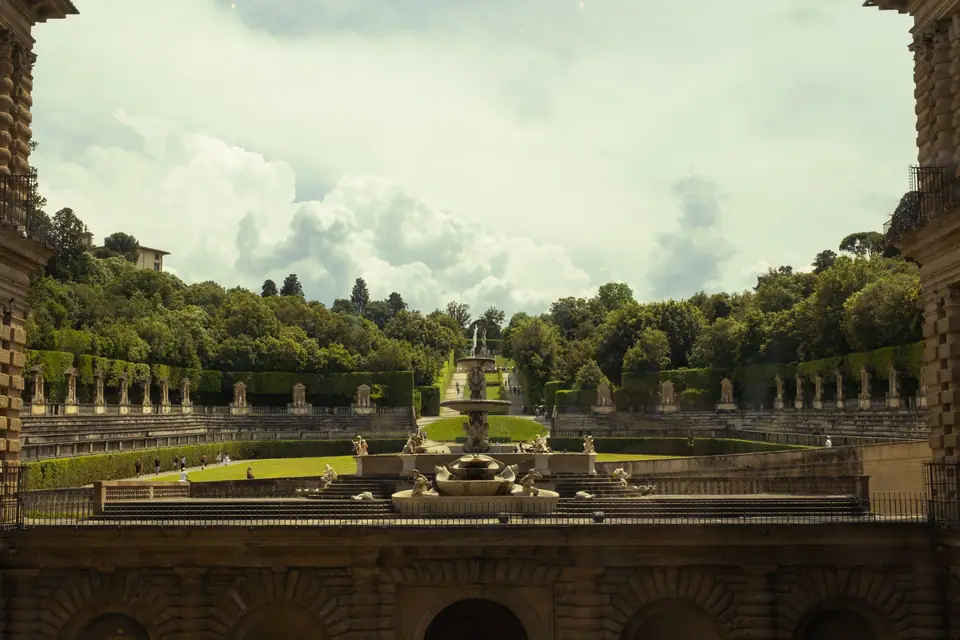
Florence in Three Days: A Renaissance Walking Route
We trace a balanced three-day route through historic Florentine alleys, prominent art collections, and scenic southern hills across the Arno.
Day One: The Duomo and the Historic Heart
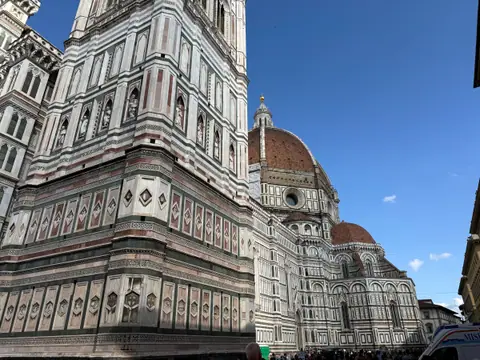
We begin our Florentine route right in the core of the ancient city, where street grids still reflect ancient Roman foundations. Moving on foot allows us to understand how compact the historic centre remains between the main railway station and the river. The vast marble facade of the cathedral complex anchors the morning, showing intricate green, pink, and white stonework across every wall.
We walk slowly around the exterior of the Baptistery to study the bronze doors before entering quieter northern alleys. Narrow lanes here lead toward sheltered courtyards and stone arches where daily commerce continues away from the busiest thoroughfares. Stepping inside smaller neighbourhood basilicas gives a direct look at local frescoes without prolonged queues. Booking cathedral dome climb slots ahead avoids mid-morning delays across Piazza del Duomo.
During the afternoon, we continue southward toward Piazza della Signoria, where civic architecture dominates the open space. The fortress-like town hall contrasts sharply with the delicate religious marbles seen earlier in the morning. Stone sculptures stand openly along the loggia, creating an accessible open-air display that requires no ticket. Paved stone passages lead toward traditional bakeries, where travellers sample fresh schiacciata flatbread while observing street life.
Day Two: Uffizi Treasures and Oltrarno Workshops
Our second morning centres on the riverfront colonnades, where classical arcades frame views toward the flowing waters of the Arno. Exploring the long corridors of the riverside gallery reveals centuries of regional painting, tracing artistic development from early wooden altarpieces to delicate Renaissance portraits. Windows along the upper hallways frame wonderful perspectives of the tiled rooftops across the southern bank.
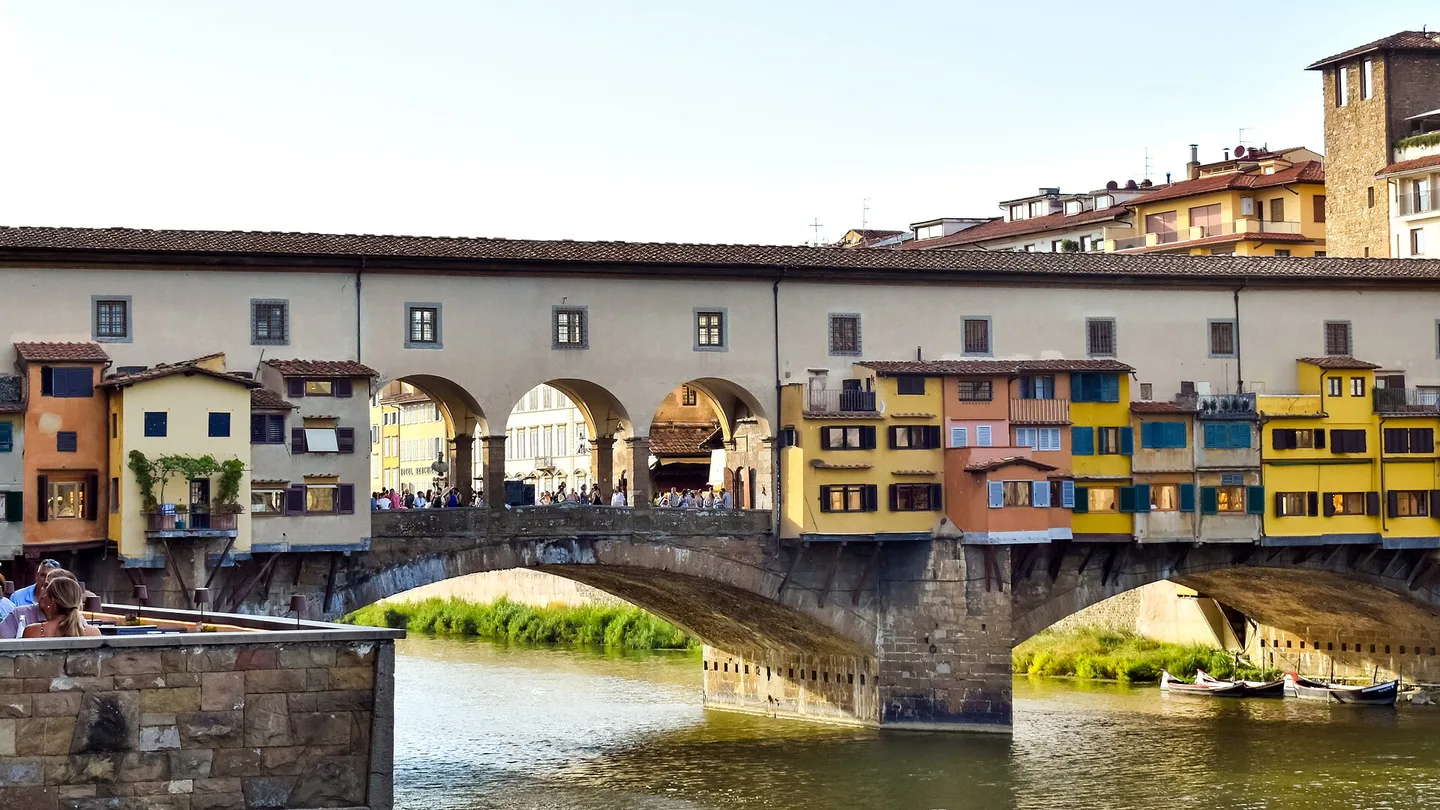
Crossing the old bridge allows us to leave the grand public spaces behind and enter the artisan quarter known as Oltrarno. Here, quiet workshop doorways reveal traditional bookbinders, leather artisans, and wood restorers plying their heritage crafts along paved stone lanes. When arranging routes between separate urban districts, you can review public transit connections to reach the riverside quickly. Small cafes along the side streets offer a calmer midday break under broad canvas awnings.
In the late afternoon, we walk toward the expansive stone square fronting the Pitti Palace. The sloping gravel foreground offers a pleasant place to rest and admire the imposing rusticated stone frontage. We follow the rising lanes toward Santo Spirito, where local residents gather around the central fountain as dusk settles. Quiet trattorias in this neighbourhood serve hearty ribollita vegetable stew and regional beans dressed with fresh olive oil.
Day Three: Santa Croce and Hilltop Panoramas
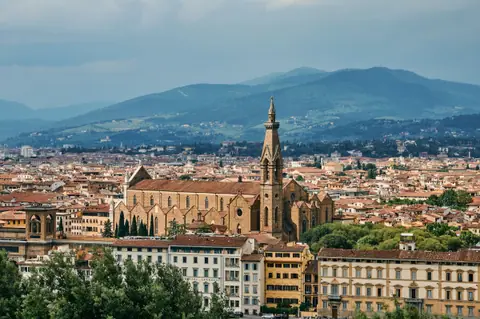
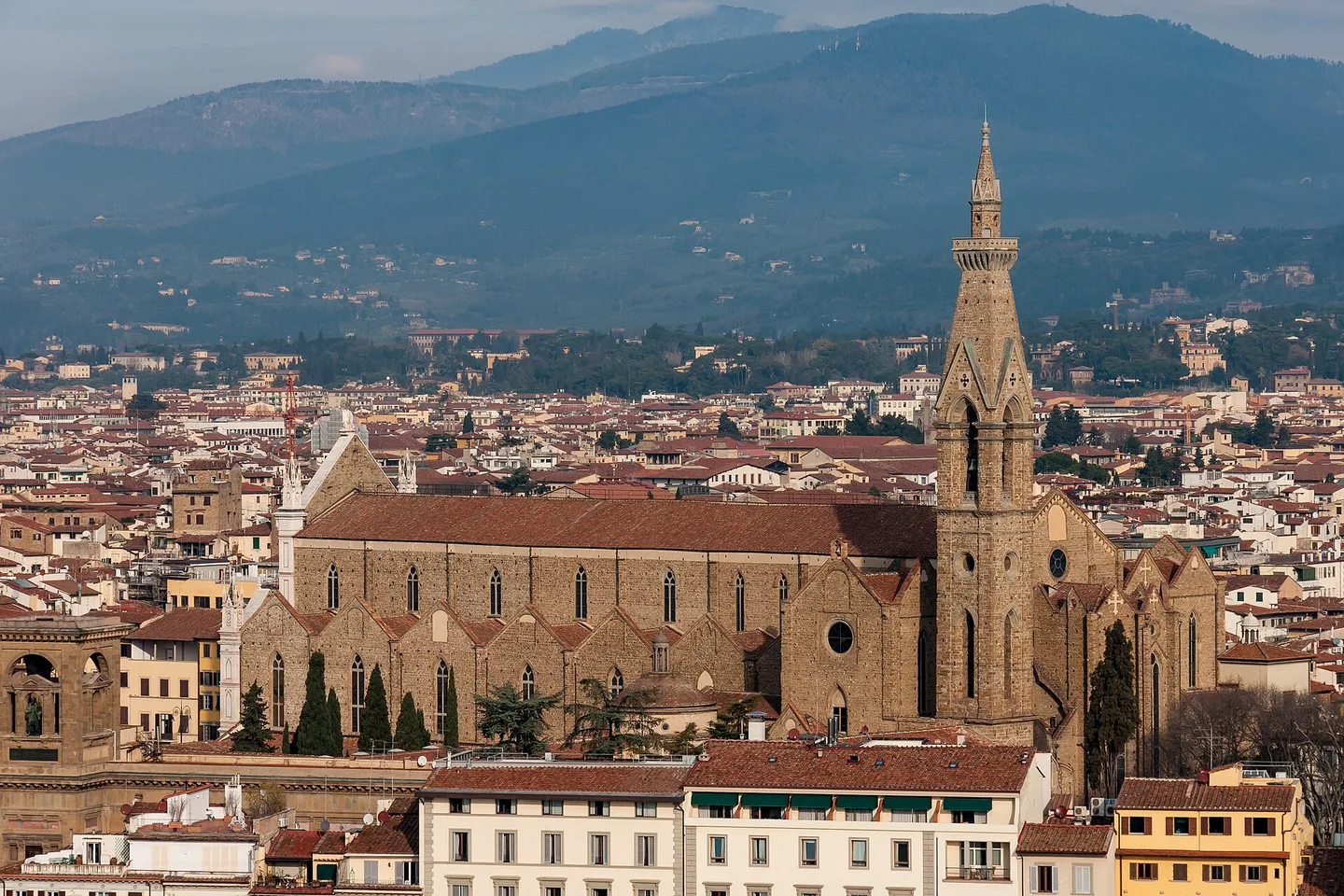
Our third day focuses on the eastern quarters, beginning at the vast paved square fronting the Basilica of Santa Croce. The open space retains a broad, civic scale that once hosted historic medieval ball games and neighbourhood markets. Inside the cloister complex, tranquil stone walkways offer shade beneath cypress branches and sculpted memorials honouring Tuscan scholars. Pair eastern neighbourhood stops with major Florentine museums and historic piazzas depending on afternoon energy.
We cross the river using the eastern bridges, directing our walk upward through terraced gardens toward the hilltops. Stone staircases climb past olive groves and old defensive ramparts, leaving urban traffic noise far below. The ascent rewards walkers with sweeping views across the river plain, taking in the full sweep of the terracotta dome.
Continuing higher along the paved path brings us to the ancient marble facade of San Miniato al Monte. The quiet church interior preserves remarkable Romanesque patterns, glowing mosaics, and an evocative monastic atmosphere. We linger on the surrounding stone terraces as late afternoon light washes warm tones across the distant valley hills.
Structuring Your Three-Day Walking Circuit
Organising Florence by geographic sectors prevents redundant journeys across the river, saving energy for exploring cobblestone alleyways. Here is our daily geographic overview to help coordinate your walking schedule efficiently:
| Day | Primary Area | Key Walking Sights | Character of Route |
|---|---|---|---|
| Day 1 | Duomo and Signoria | Cathedral square, medieval alleys, civic palazzo | Flat historic paving, architectural landmarks |
| Day 2 | Riverfront and Oltrarno | River colonnades, old bridge, artisan studios | Riverside paths, quiet artisan workshops |
| Day 3 | Santa Croce and South Hills | Eastern basilicas, stone staircases, hilltop churches | Moderate uphill climbs, sweeping panoramic views |
Every quarter offers distinct rhythms, from busy civic plazas in the morning to peaceful southern hillside terraces at sunset. Walking remains the finest method to appreciate the texture, stonework, and intimate proportions of this historic Tuscan city.
Official prices and opening hours
- Galleria degli UffiziOfficial site ↗
- Opera del Duomo (Brunelleschi Dome, Baptistery, Bell Tower)Official site ↗
Where it is
- 1Florence
- Florence Airport, Peretola (FLR) · about 6 km from Florence in a straight line
- Directions in Google Maps
Stations and taxi ranks: OpenStreetMap. Airports: OurAirports. Distances are in a straight line.
Traveller tips
Real advice from people who have been to Florence. Every tip is read by our team before it goes live.
No tips yet. Been here? Yours could be the first.
Thank you! Your tip will appear here after a quick review.
More in Florence
Continue exploring Florence with related neighbourhood, food, and planning guides