Oltrarno Artisans, Ponte Vecchio and Florentine Dining Traditions
Cross the Arno into the Oltrarno to uncover artisan workshops, historic bridges, and traditional trattorias serving classic Tuscan specialities across peaceful streets.
Crossing the Historic Arno Bridges
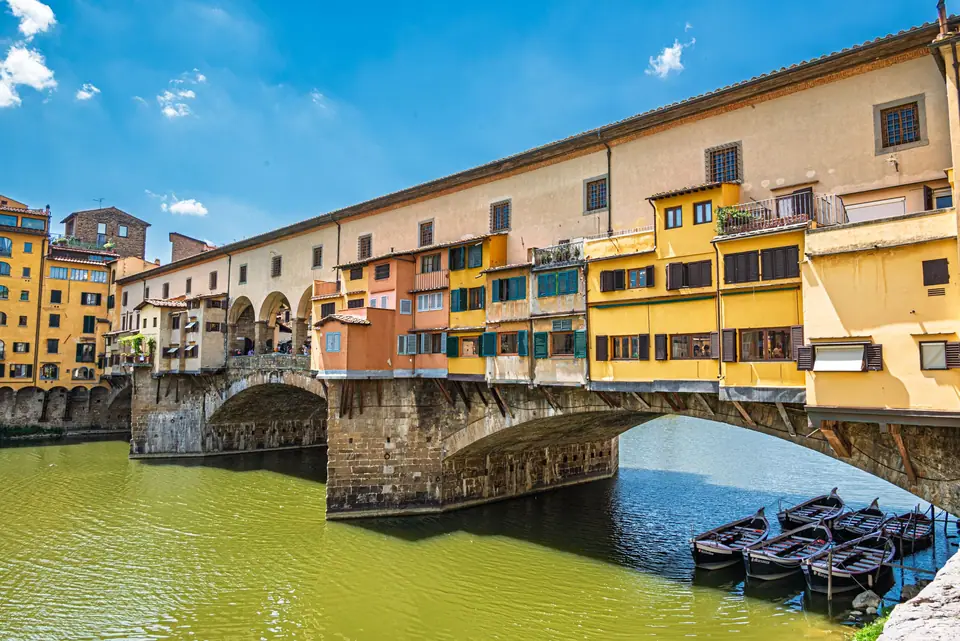
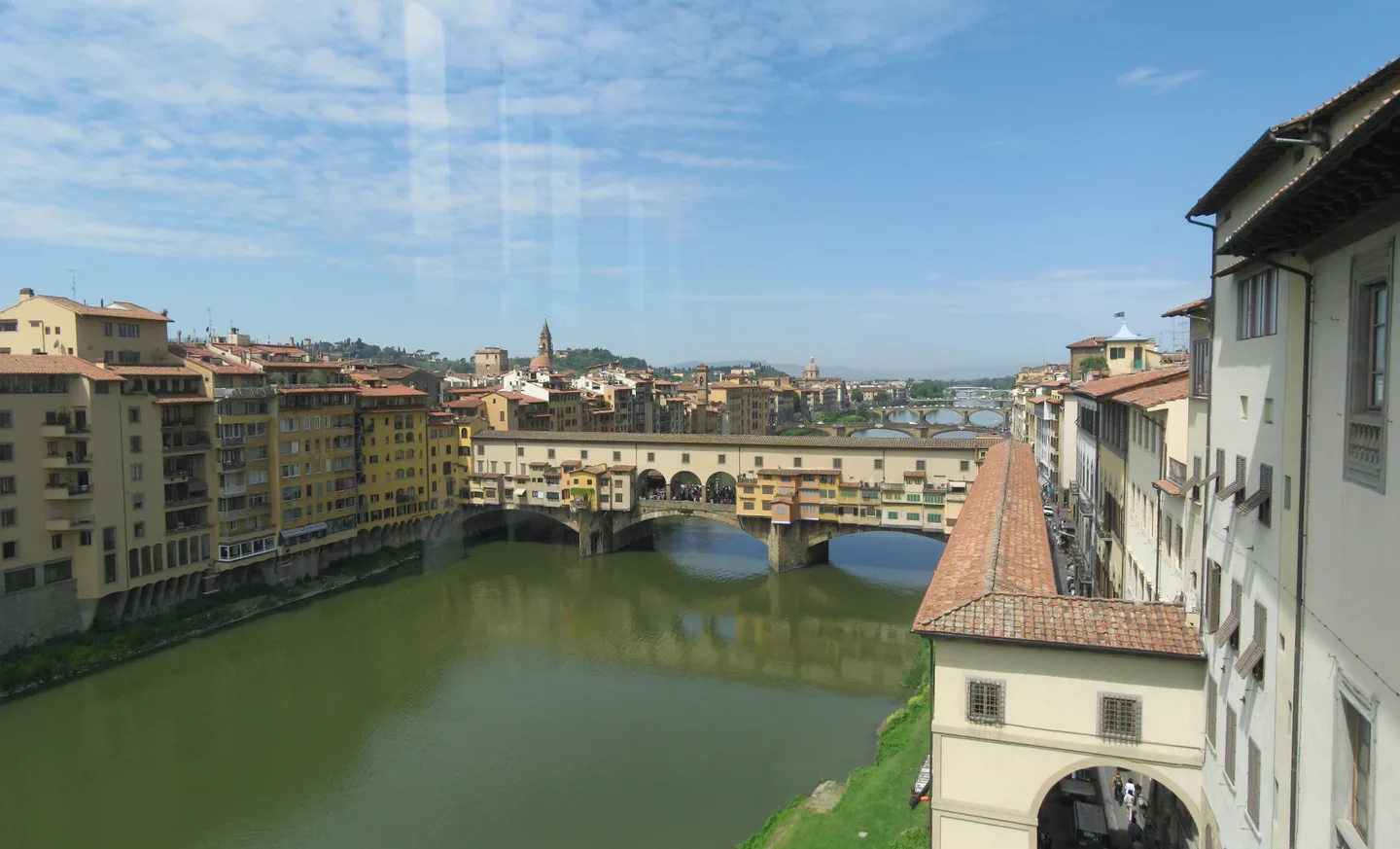
Stepping away from the monumental core of Florence brings us quickly to the riverbanks. Here, the Arno divides the historic centre from the craft quarters. The Ponte Vecchio remains the primary pedestrian spine connecting the north bank to quieter southern streets. Medieval goldsmith shops still hang over the water, supported by stone corbels that have resisted seasonal river surges. Above these jewellers runs the elevated corridor commissioned by the ruling Medici family. This enclosed pathway linked their administrative offices directly to their palace residence across the river.
Walking across the bridge during mid-morning allows us to observe the open timber shutters of the jewellery workshops before crowds peak. Looking downriver towards Ponte Santa Trinita reveals sweeping stone arches framing reflections on the water. Following these stone embankments opens a calmer pedestrian route into the Oltrarno, steering clear of congested tour groups. Taking the southern riverbank walk helps travellers pace their daily walking routes evenly across town.
Pair southern embankment walks with central Renaissance museums and squares to balance monument queues with quieter riverside lanes. Stepping off the southern bridge ramp brings immediate relief from heavy pedestrian congestion. Narrow alleys framed by tall residential palazzi guide walkers into the craft district.
Artisan Quarters and Santo Spirito
The Oltrarno maintains an authentic neighbourhood rhythm shaped by generations of craftspeople, restorers, and family-run workshops. Walking down Via Maggio and Via dei Serragli reveals gilders, leather bookbinders, and woodcarvers working behind open wooden doors. Unlike the polished boutique rows north of the river, these stone lanes retain sawdust scents, antique brass hardware, and quiet courtyards. We can watch artisans restoring gilded frames using methods unchanged since the Renaissance.
Piazza Santo Spirito forms the community anchor of the district, centred on the unadorned facade of Filippo Brunelleschi's parish church. Mornings bring a small vegetable and flea market under the shade of mature trees, where local residents trade produce and secondhand books. Around the perimeter, small cafes offer espresso and sweet pastries to residents chatting over newspapers.
- Via Maggio: Grand antique showrooms and historic palazzi with shaded inner courts.
- Piazza Santo Spirito: Neighbourhood market, local cafes, and timber-roofed dining rooms.
- San Frediano: Traditional leather crafters, frame gilders, and quiet stone alleys.
- Borgo San Jacopo: Riverside towers, wine bars, and scenic bridgeside vistas.
As dusk settles over the square, neighbourhood trattorias spill outdoor tables onto the cobblestones. Students, artists, and families gather around the central fountain, creating a relaxed community atmosphere far removed from tourist hubs.
Florentine Food Culture and Market Traditions
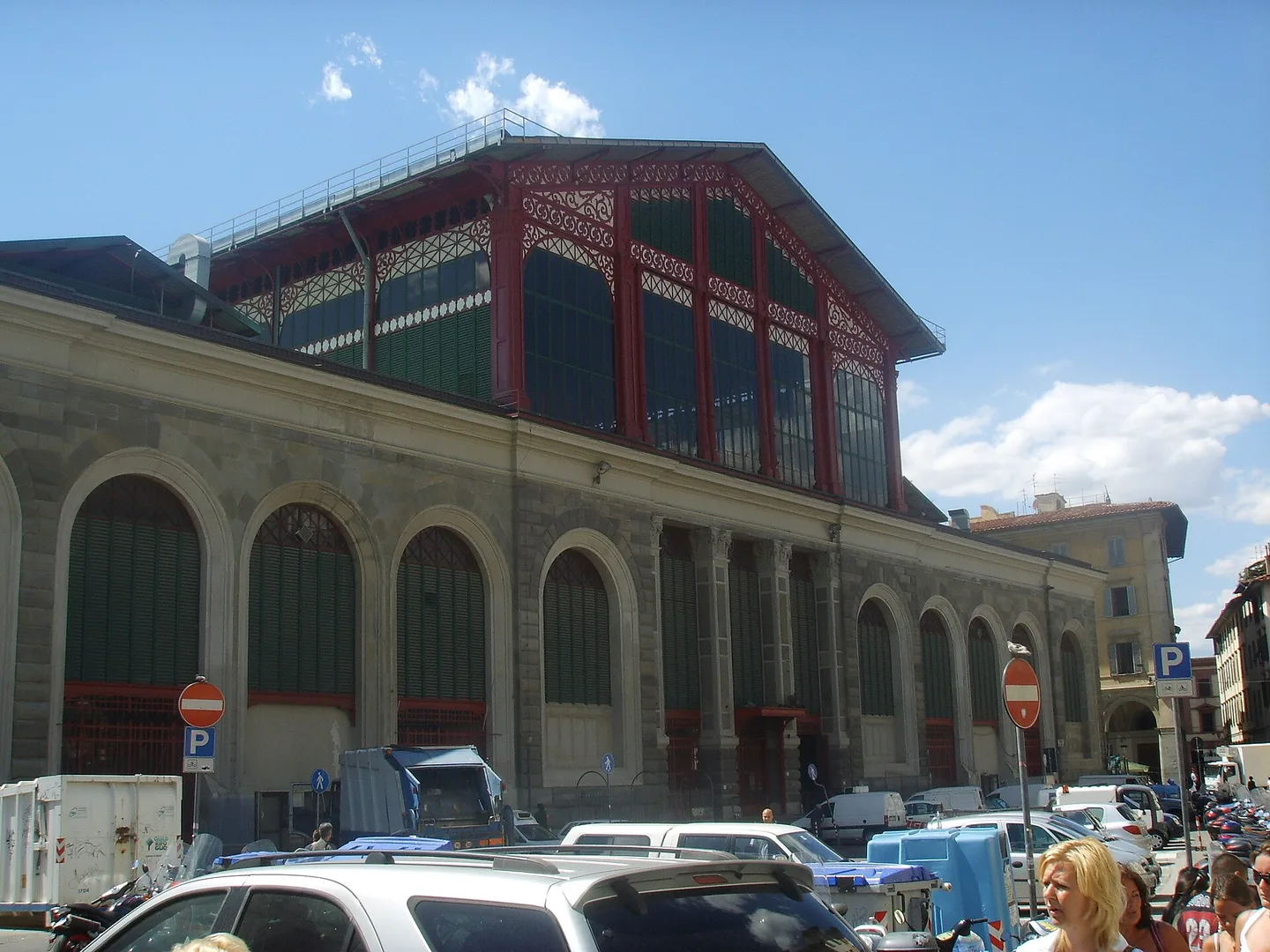
Tuscan cooking relies fundamentally on honest ingredients, stale saltless bread, peppery regional olive oil, and slow simmering techniques. Historic city markets serve as the foundation of this food culture, supplying home cooks and trattoria kitchens daily. Wandering through food halls introduces us to wheels of aged pecorino, cured wild boar salumi, and crates of seasonal vegetables.
Street food plays a major role in daily life across the historic centre. The most famous local speciality remains lampredotto, slow-cooked beef tripe simmered in a seasoned vegetable broth. Vendors carve tender meat straight from bubbling cauldrons, packing it into crusty semelle rolls dipped lightly in savoury broth. Topped with fiery chilli sauce or fresh salsa verde, this filling snack sustains market workers and passing walkers alike.
Link traditional trattorias and street food halls with broader neighbourhood routes in Florence city orientation notes to space meals naturally around museum mornings. Long-standing butchers and grocers across the Oltrarno continue preparing generational recipes daily.
Trattoria Dining and Oltrarno Sequences
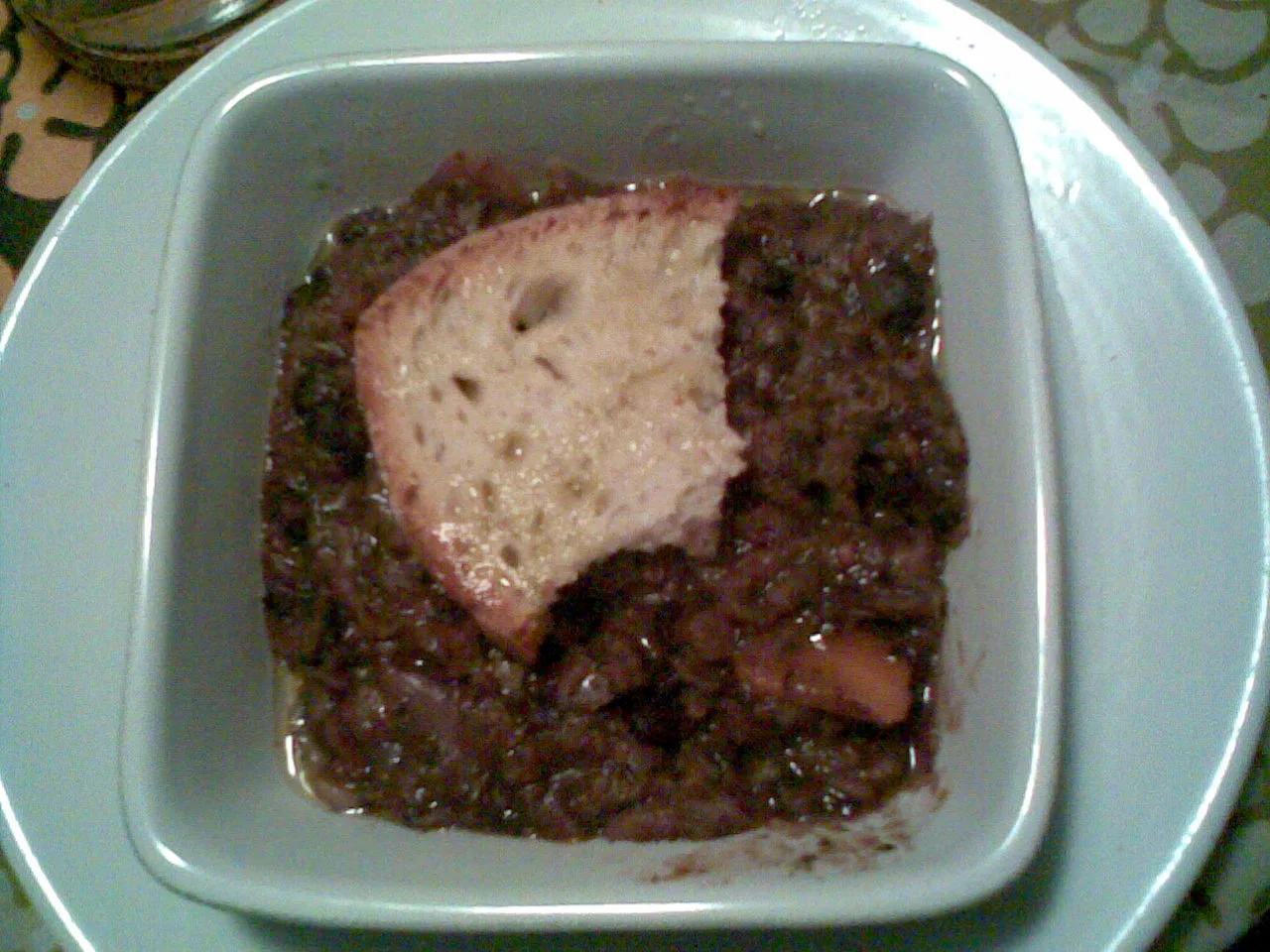
Dining in an authentic Oltrarno trattoria offers an immersive lesson in rustic Tuscan home cooking. Menus reliably feature ribollita, a thick vegetable soup built on hearty black cabbage, cannellini beans, and day-old bread baked together until dense. Another staple is pappa al pomodoro, combining ripe tomatoes, garlic, basil, and soaked bread into a silky, comforting porridge. These dishes emerged historically from peasant necessity, transforming humble pantry leftovers into celebrated regional staples.
| Traditional Speciality | Key Ingredients | Culinary Context |
|---|---|---|
| Ribollita | Cavolo nero, cannellini beans, stale bread | Slow-simmered winter stew baked twice |
| Pappa al Pomodoro | Tuscan bread, ripe tomatoes, basil, garlic | Summer comfort dish served warm or cold |
| Bistecca alla Fiorentina | Chianina beef, sea salt, rosemary, olive oil | Thick T-bone grilled rare over charcoal |
| Cantucci con Vin Santo | Almond biscuits, fortified dessert wine | Dunking sweet to finish traditional meals |
Main courses frequently highlight rich meat traditions, most famously the Bistecca alla Fiorentina cut thick on the bone. Trattoria cooks grill these Chianina cuts quickly over glowing coals, serving the meat rare with just coarse salt and olive oil. Pairing this feast with a carafe of dry Chianti from nearby hills creates an authentic Tuscan dining experience.
We recommend finishing the meal with crisp almond cantucci biscuits dipped into a small glass of amber Vin Santo. After dinner, walking through the lantern-lit stone alleys of the Oltrarno back toward the river bridges completes a restorative Florentine night.
Official prices and opening hours
- Galleria degli UffiziOfficial site ↗
- Opera del Duomo (Brunelleschi Dome, Baptistery, Bell Tower)Official site ↗
Where it is
- 1Oltrarno Artisans, Ponte Vecchio and Florentine Dining Traditions
- Florence Airport, Peretola (FLR) · about 6 km from here in a straight line
- Directions in Google Maps
Stations and taxi ranks: OpenStreetMap. Airports: OurAirports. Distances are in a straight line.
Traveller tips
Real advice from people who have been to Florence. Every tip is read by our team before it goes live.
No tips yet. Been here? Yours could be the first.
Thank you! Your tip will appear here after a quick review.
More in Florence
Continue exploring Florence with related neighbourhood, food, and planning guides