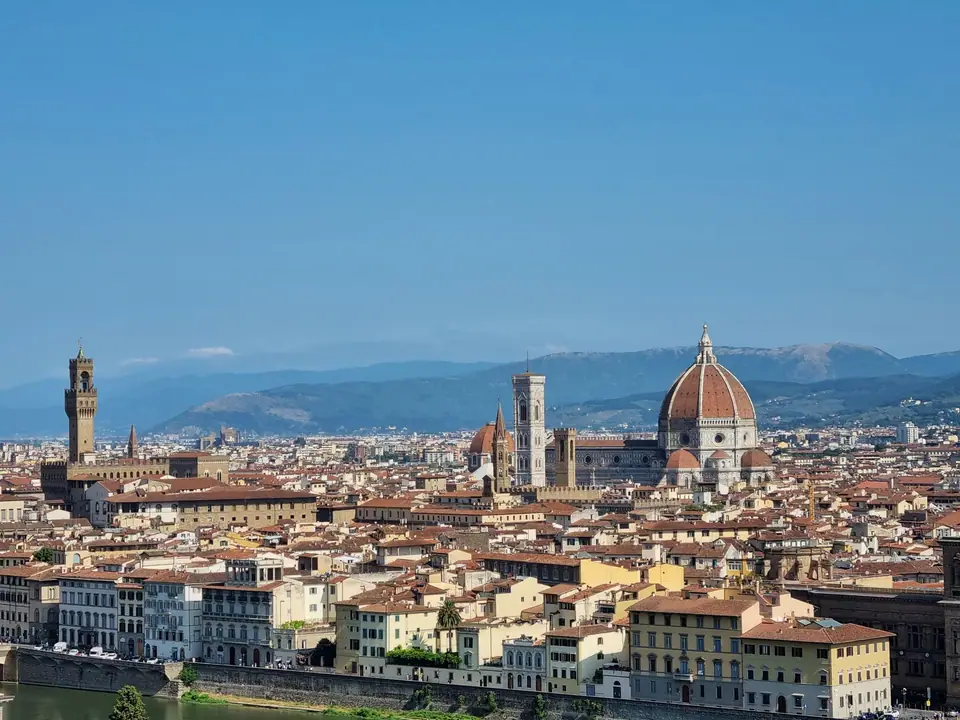
Florence Practical Travel Notes: Streets, Squares, and Sights
Navigating the compact historic centre of Florence requires comfortable footwear, early planning for major monuments, and sensible route pacing every morning.
Florence is one of the most compact cultural capitals in Europe, which means walking remains the premier method for getting around every district. Most central avenues prohibit private vehicles, giving pedestrians full freedom to wander between stone palaces and ancient piazzas without heavy road traffic. Before stepping out, confirm how you arrive in the historic centre by reviewing transport routes to Florence so you can reach your accommodation smoothly.
Paved flagstones known locally as pietra serena and worn cobblestones pave most thoroughfares across the city centre. These surfaces can turn remarkably slick during autumn showers or winter dampness, so sturdy shoes with rubber soles are essential gear. Pack sensible layers and supportive footwear by checking the clothing advice for Florence before loading your suitcase.
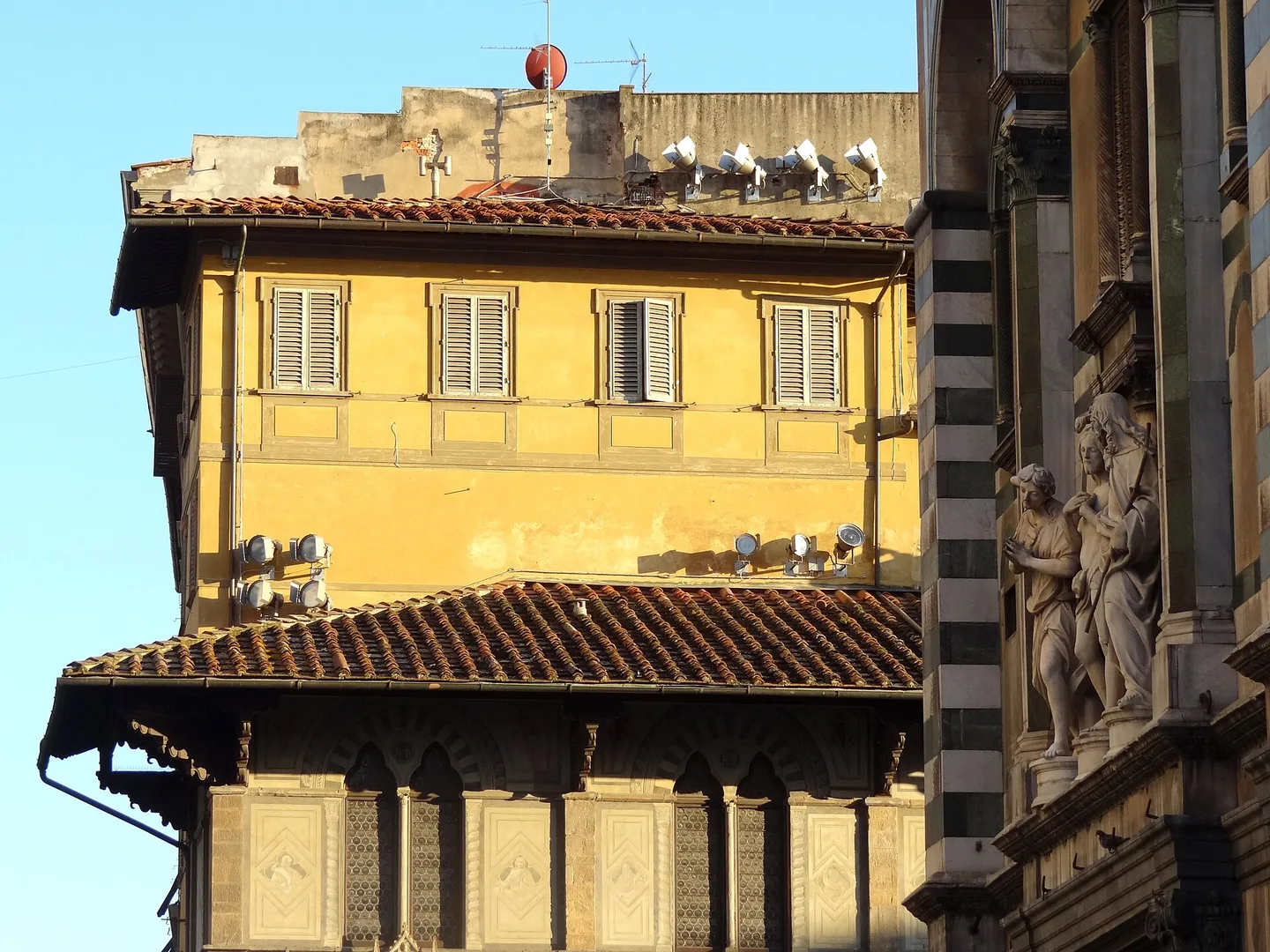
Crowds concentrate heavily along the primary artery running between Piazza del Duomo, Piazza della Repubblica, and the riverbank. Taking slightly parallel side alleys allows you to escape the dense midday pedestrian traffic while discovering quiet courtyards and artisan shops. Electric minibuses weave through select narrow corridors, yet walking almost always proves faster across the historic core.
Booking Major Landmarks and Monument Protocols
Securing entry passes well in advance is the defining practical rule for visitors planning to view civic art collections. The Galleria degli Uffizi draws large crowds daily, leading to slow ticket-desk waits for visitors without pre-booked time slots. Reserving specific entrance windows early keeps museum mornings predictable even during warm shoulder months.
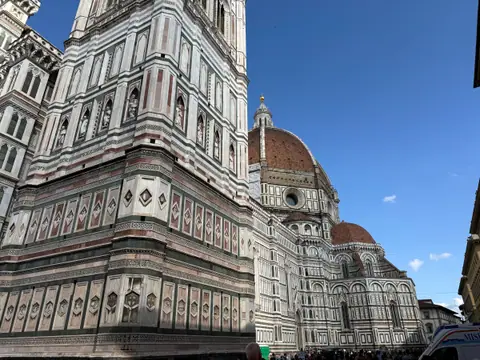
The Opera del Duomo complex includes Brunelleschi's Dome, the marble Baptistery, and the soaring Bell Tower, each demanding structured access regulations. Climbing the brick dome requires a fixed entry slot, and ticket holders must arrive promptly at the northern portal to join their allocated group. Match cathedral stops cleanly with major Renaissance museums and squares across Florence to keep daily routes tight.
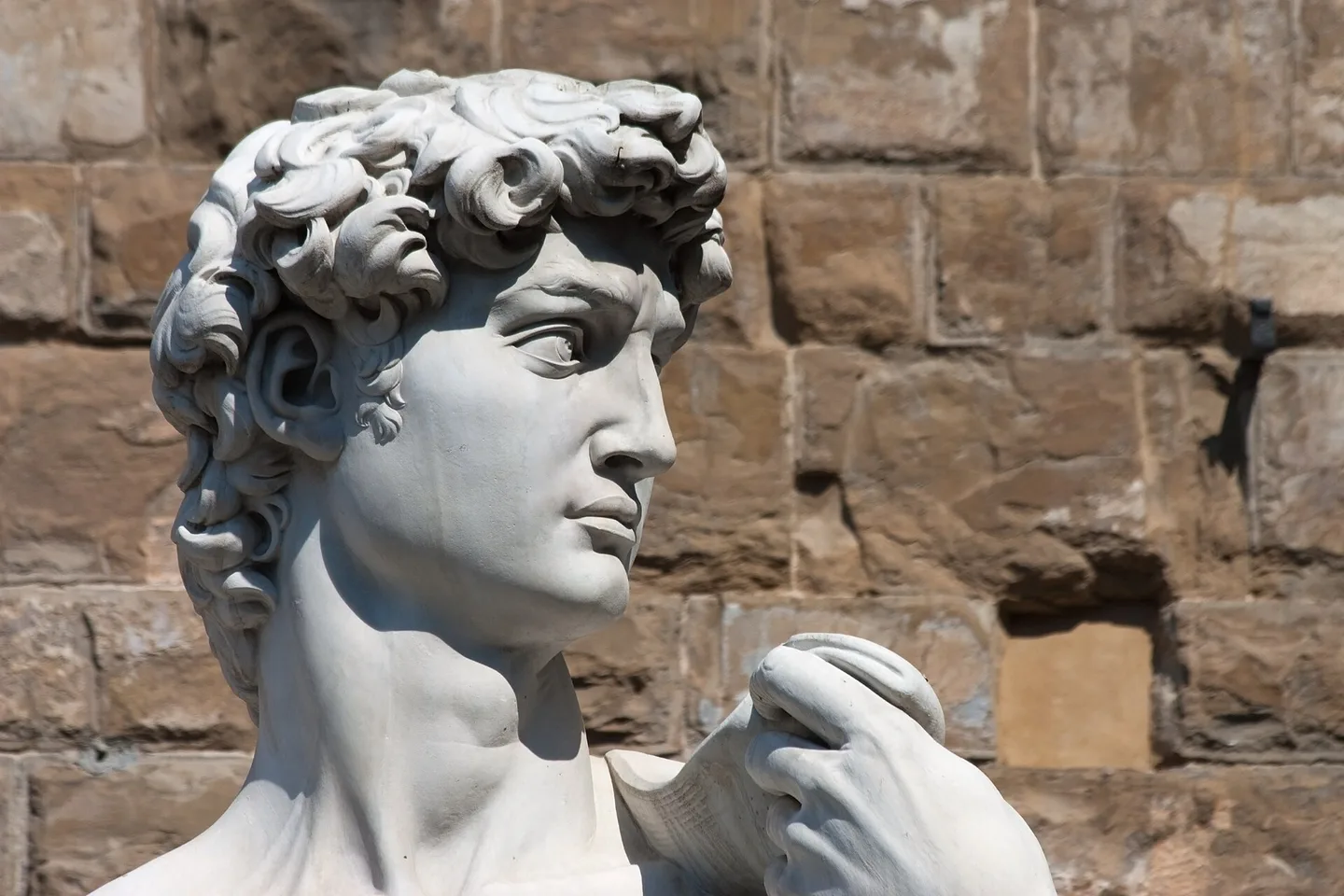
Modest dress standards apply strictly at every functioning place of worship, including the Cathedral of Santa Maria del Fiore. Bare shoulders, short skirts, and low-cut tops will prompt stewards at the door to deny entry, regardless of pre-purchased tickets. Carrying a light scarf or linen overshirt inside your day bag resolves these modesty requirements without discomfort on warm Tuscan afternoons.
Crossing the Arno River to the Oltrarno
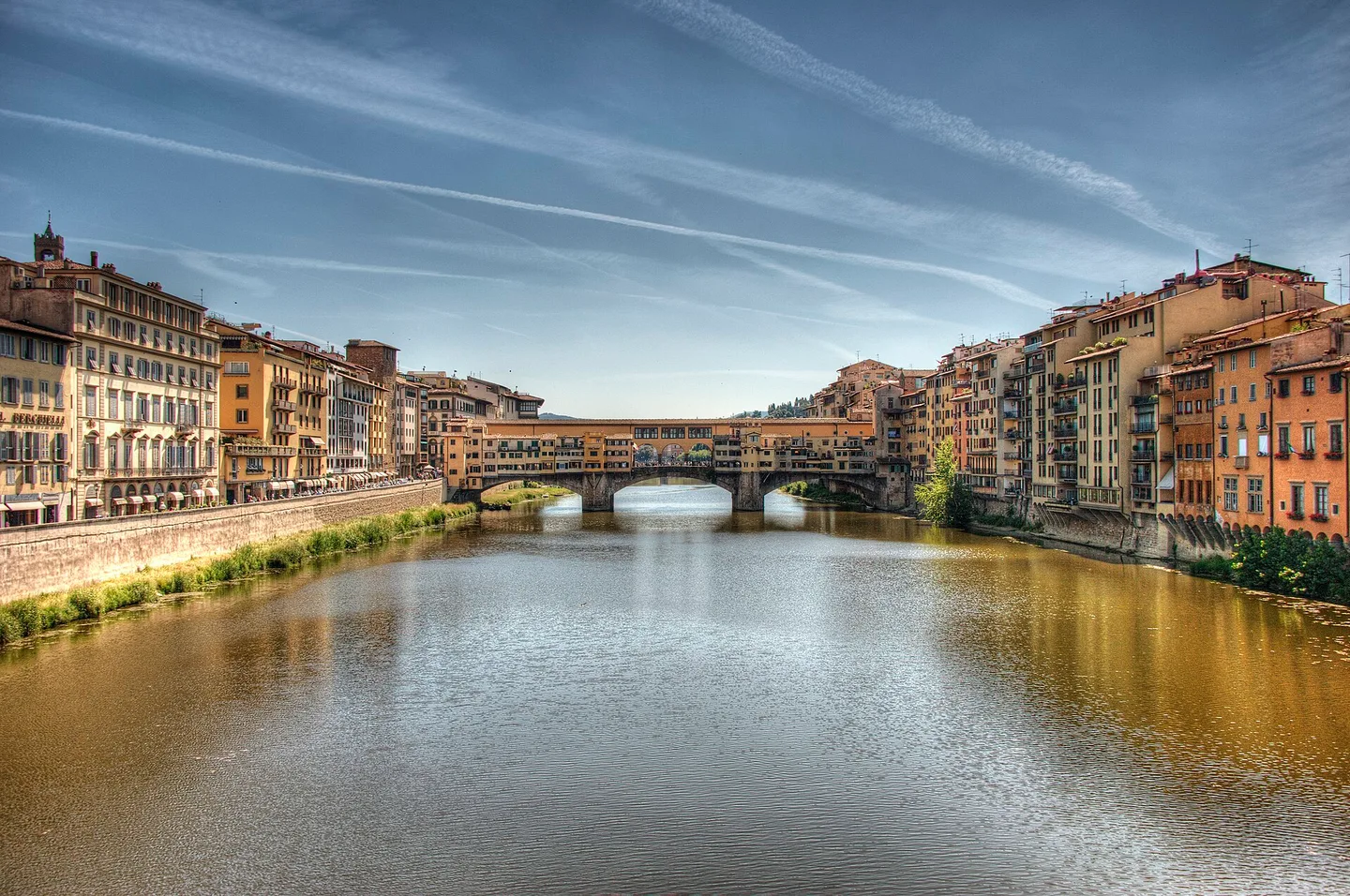
The Arno River splits the historic territory into distinct halves, linked by centuries-old stone spans that carry thousands of daily walkers. Ponte Vecchio remains the most famous crossing point, lined with goldsmith shops that continue medieval retail traditions above the water. Crossing during early morning offers calm river views before midday pedestrian clusters gather along the bridge parapets.
South of the river lies the Oltrarno district, which retains a slower residential cadence and numerous independent craft workshops. Here, woodcarvers, bookbinders, and leather gilders work behind open wooden shutters on winding lanes. Scheduling afternoon walks through the Oltrarno gives you a welcome break from the denser sightseeing pressures of the northern bank.
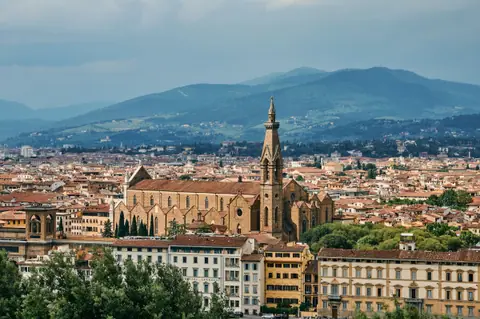
The climb up toward Piazzale Michelangelo rewards walkers with broad panoramas of the red-tiled skyline and distant Tuscan ridges. You can ascend the stone ramps through the rose gardens or take an urban bus from the central train station. Sunset attracts large gatherings on the stone terraces, making morning climbs preferable for peaceful photography and cooler temperatures.
Core Neighbourhood Profiles and Planning Rhythm
Understanding the layout of different quarters helps prevent backtracking and fatigue across long days of gallery visits and architectural touring. Match daily walking schedules cleanly against seasonal heat and museum crowds in Florence before setting out. Use the district summary below to organise daily routes through town.
| District | Character | Notable Highlights | Walking Notes |
|---|---|---|---|
| Duomo & Centro | Historic civic heart | Cathedral, Baptistery, Giotto Tower | Dense pedestrian thoroughfares with smooth flagstones |
| San Marco & Santa Croce | Scholarly and monastic quarter | Franciscan basilica, open market stalls | Wider pavements, manageable foot traffic between churches |
| Oltrarno & San Frediano | Artisan workshops and residential calm | Pitti Palace, artisan studios, leafy piazzas | Gentle inclines, narrow footpaths, authentic dining lanes |
To keep energy levels steady throughout your stay, balance demanding indoor museum sessions with relaxed outdoor hours in shaded squares. Daily pacing and seasonal logistics tie together cleanly across central Florence quarters and surrounding hill viewpoints from dawn onward. Start mornings early, respect midday shop closing hours in quieter residential lanes, and let the historic street grid shape each day.
Official prices and opening hours
- Galleria degli UffiziOfficial site ↗
- Opera del Duomo (Brunelleschi Dome, Baptistery, Bell Tower)Official site ↗
Where it is
- 1Florence
- Florence Airport, Peretola (FLR) · about 6 km from Florence in a straight line
- Directions in Google Maps
Stations and taxi ranks: OpenStreetMap. Airports: OurAirports. Distances are in a straight line.
Traveller tips
Real advice from people who have been to Florence. Every tip is read by our team before it goes live.
No tips yet. Been here? Yours could be the first.
Thank you! Your tip will appear here after a quick review.
More in Florence
Continue exploring Florence with related neighbourhood, food, and planning guides