Florence Neighbourhood Guide: Choosing Your Base North and South of the River
Choosing the right district in Florence shapes your daily rhythm between quiet artisan lanes and celebrated Renaissance collections.
Centro Storico: Immersed in the Renaissance Core
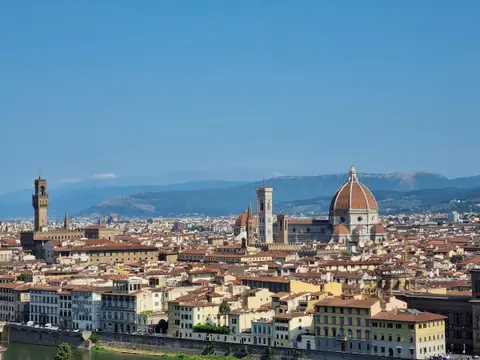
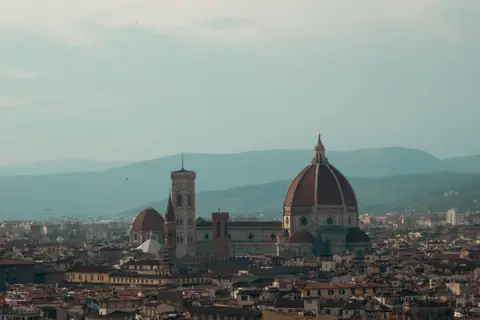
Settling into the historic centre places you directly between major civic landmarks and pedestrian corridors. Walking out of your doorway means stepping straight onto narrow stone lanes lined with tall palazzi. Central museums stay within short morning walks before day-trippers arrive from regional stations. Match hotel block choices with major Renaissance galleries and cathedral plazas across central alleys.
The central quarter stays largely pedestrianised, keeping motor traffic away from apartment windows and hotel doors. Luggage transfer requires forethought here. Taxis cannot pull right up to every lane, so you roll or carry bags across historic flagstones. Voices echo between tall facades late into warm evenings, especially above outdoor wine bars and gelaterias. Request upper-floor rooms facing inner courtyards rather than primary walking lanes.
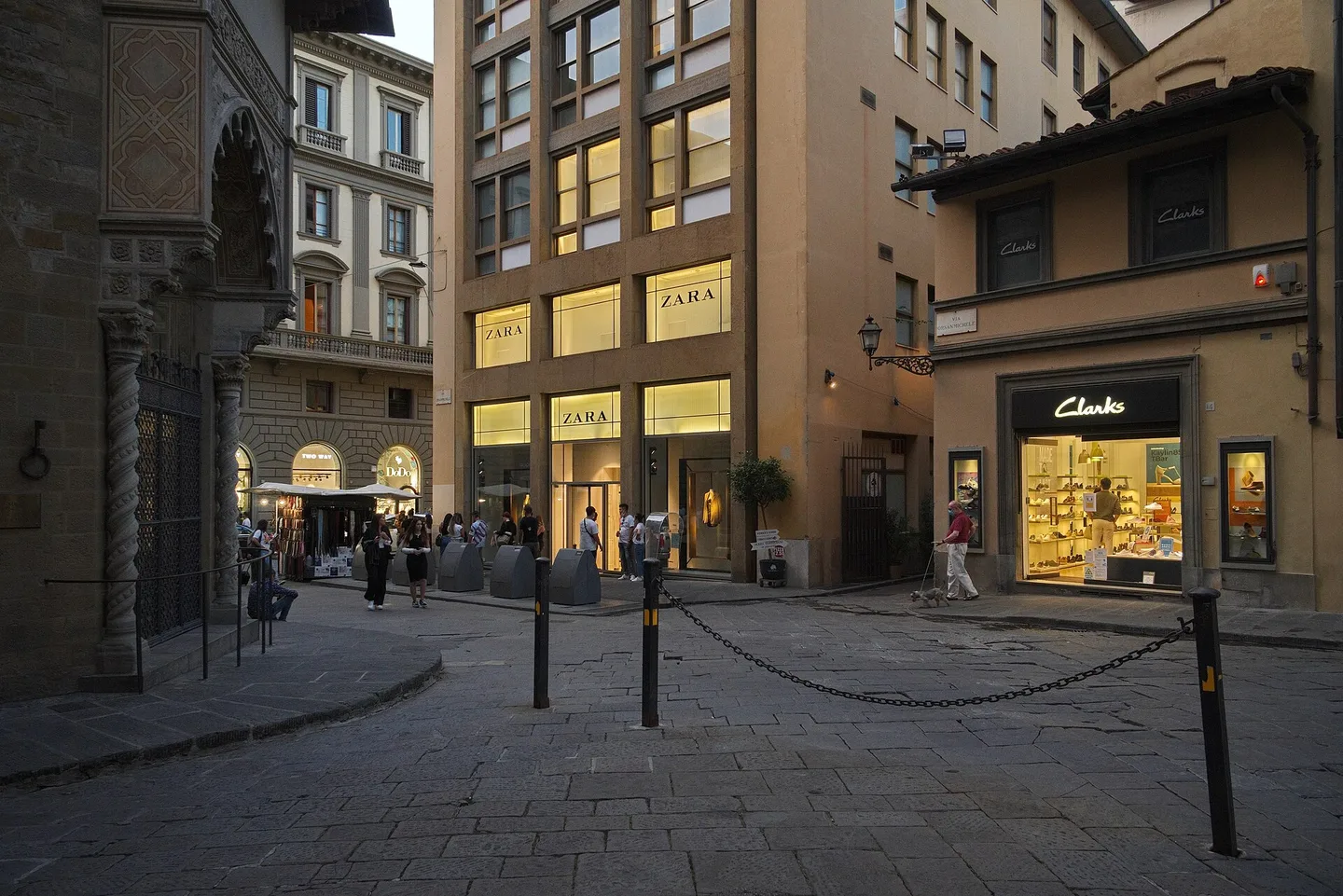
The density of historic architecture means hotels often occupy converted patrician mansions with steep stone staircases. Elevators can be compact or absent in preserved heritage properties, so clarify access details before confirming reservations. Staying here suits travellers who value stepping directly onto paved piazzas and returning easily to their room midday. The location allows you to slip out at dawn when the streets stand entirely peaceful.
Oltrarno and San Frediano: Artisan Quarters South of the River
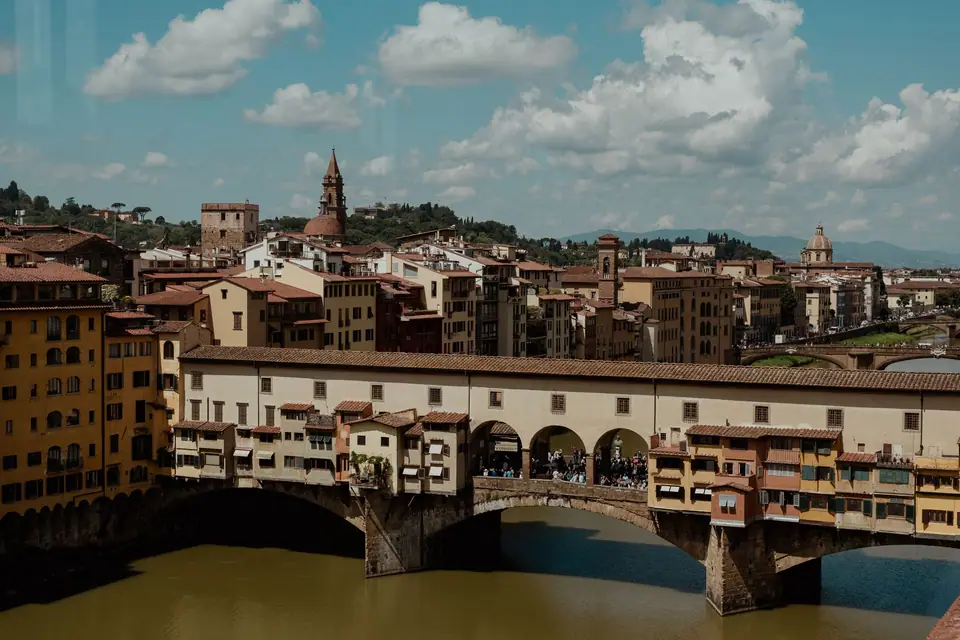
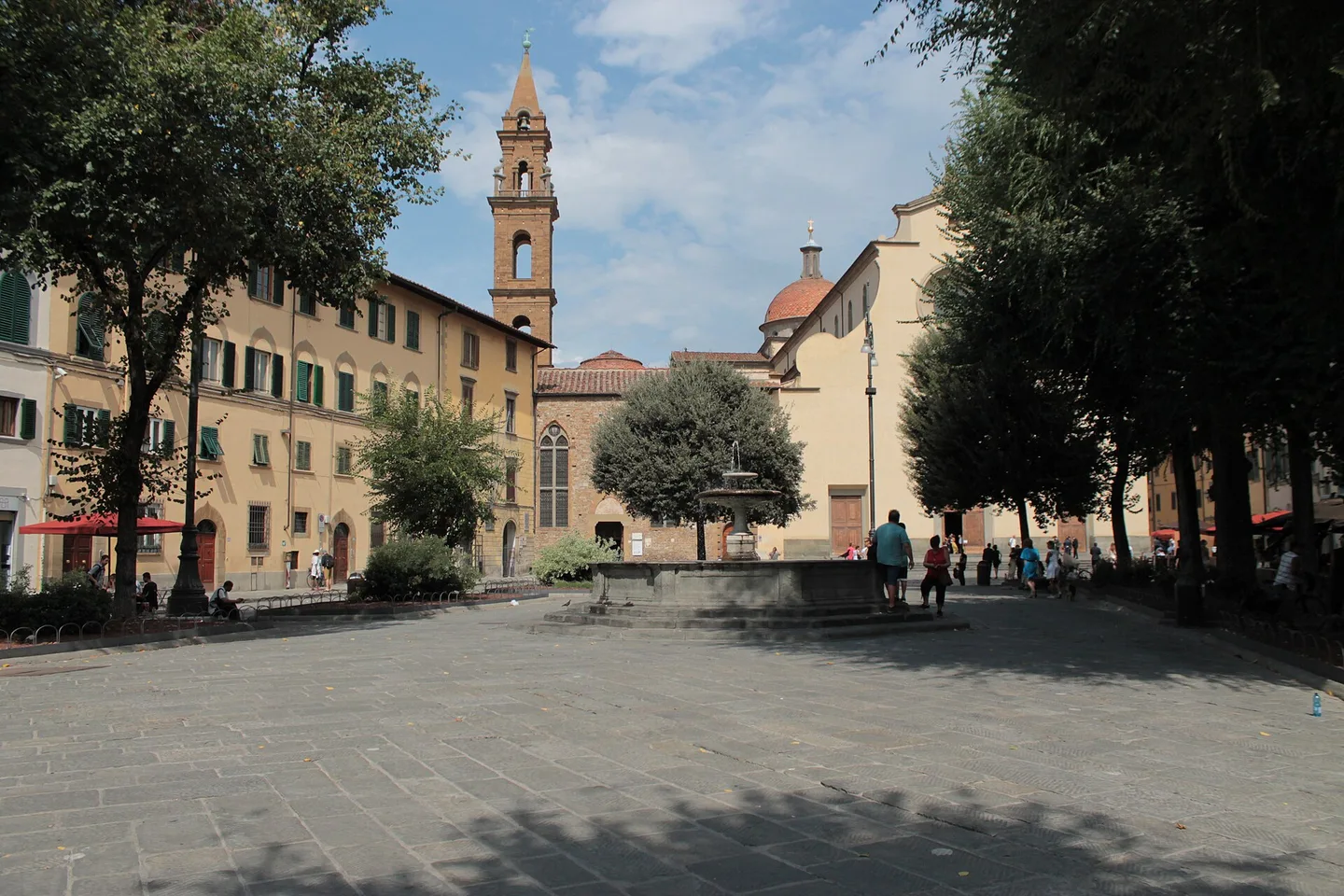
Crossing bridges to the south bank reveals a quieter cadence of residential life. The Oltrarno district, covering Santo Spirito and San Frediano, keeps active woodcarvers, bookbinders, and antique restorers. Mornings begin with coffee at corner bars alongside neighbourhood residents instead of tour groups. Shaded squares hold plane trees and family trattorias.
Walking from the south bank across historic stone spans takes only minutes. Open riverfront views frame Renaissance palazzi each morning toward the museum quarter. Evening dining here stays unhurried around simple family kitchens. Shift dates around shifting daylight and autumn harvest tables highlighted across Florentine seasons and crowds before locking room rates.
Lodging south of the Arno ranges from boutique heritage conversions to modest guesthouses on quiet side lanes. Fewer arterial roads cross this bank, so night-time noise drops quickly after dinner. Streets slope gently toward old city walls and garden terraces overlooking roofs. Travellers valuing neighbourhood character and calm nights settle naturally here.
Santa Maria Novella and San Lorenzo: Transit and Markets
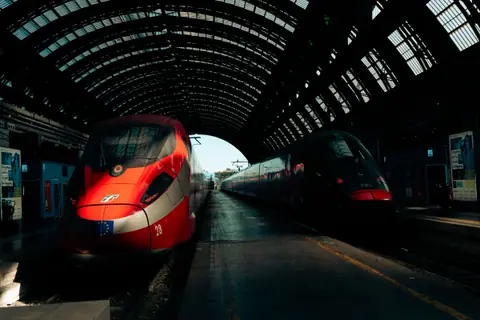
Streets beside the primary rail terminus combine transit convenience with lively food markets. Staying near the station avoids dragging heavy bags far after arriving on high-speed trains. Early regional trains and airport tram coaches stay steps away at dawn. Match airport tram transfers and platform exits via Florence rail and walking connections cleanly on arrival.
Eastward from the tracks, the San Lorenzo quarter revolves around indoor food halls and open-air leather stalls. The surrounding blocks offer numerous affordable pensions, modern apartments, and small family hotels within convenient walking distance. Choosing this sector gives you direct access to morning produce counters and casual lunch spots serving local specialties. Here is a practical overview comparing key accommodation sectors across the city:
- Centro Storico: Best for instant walking access to primary museums, with higher foot traffic and historic stone alleys.
- Oltrarno: Ideal for artisan culture, relaxed evening dining, and peaceful residential quarters south of the river.
- Santa Maria Novella: Optimal for rail connections and regional travel flexibility, with lively commercial activity nearby.
- Santa Croce: Well suited for quiet neighbourhood squares, independent wine bars, and spacious apartment rentals.
The blocks immediately around the station see constant foot traffic throughout the day, though streets calm down after market stalls close. Choosing properties situated two or three blocks back from the rail square provides quiet surroundings while keeping transit effortless. It serves as a sensible, highly functional base for travellers using trains for wider Tuscan day trips.
Santa Croce and Sant'Ambrogio: Quiet Squares and Local Life
Moving toward the eastern edge of the historic centre brings visitors into Santa Croce and Sant'Ambrogio. Broad stone piazzas open up for neighbourhood families in the afternoon sun. Local grocers, bakeries, and butcher shops keep daily street rhythms grounded. Central museums remain within an easy walk without constant crowd pressure.
Sant'Ambrogio houses an indoor food hall where home cooks shop for seasonal vegetables and Tuscan cheeses. Renting a self-catering flat nearby lets you cook market ingredients and follow daily neighbourhood habits. Surrounding alleys shelter wine bars and family osterias popular with university students and residents. The quarter balances cultural proximity with everyday Tuscan life cleanly.
Room proportions here often run larger than tightly packed medieval apartments near the cathedral. Many flats keep timber-beamed ceilings and tall wooden shutters opening onto private garden courts. Link eastern residential lanes with district walking circuits across the Arno basin before heading back out in the morning. Returning down calm eastern streets each night caps long gallery afternoons comfortably.
Official prices and opening hours
- Galleria degli UffiziOfficial site ↗
- Opera del Duomo (Brunelleschi Dome, Baptistery, Bell Tower)Official site ↗
Where it is
- 1Florence
- Florence Airport, Peretola (FLR) · about 6 km from Florence in a straight line
- Directions in Google Maps
Stations and taxi ranks: OpenStreetMap. Airports: OurAirports. Distances are in a straight line.
Traveller tips
Real advice from people who have been to Florence. Every tip is read by our team before it goes live.
No tips yet. Been here? Yours could be the first.
Thank you! Your tip will appear here after a quick review.
More in Florence
Continue exploring Florence with related neighbourhood, food, and planning guides