Getting to Florence and Travelling Around by Foot, Tram and Train
Arriving in Florence involves navigating historic streets, dependable modern tram corridors, and major rail platforms linking directly into the Renaissance core.
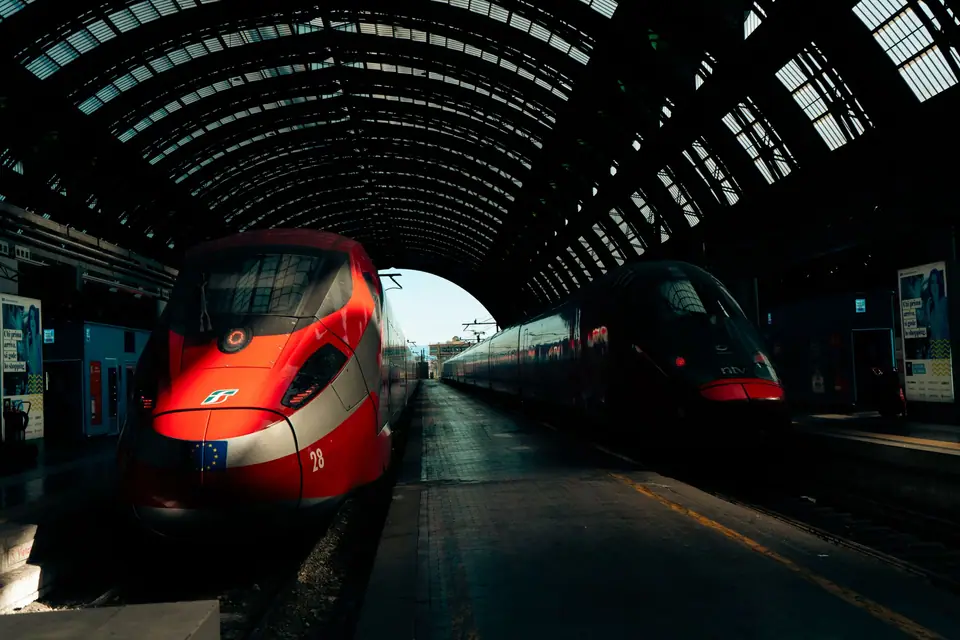
Stepping off a fast passenger train at Stazione di Santa Maria Novella places arrivals straight on the edge of the ancient core. The concourse leads toward open piazzas, allowing passengers to trade steel rails for stone avenues within minutes. Wide station corridors let rolling luggage glide smoothly before meeting historic flagstones outside. Pair cobble-ready shoes with practical Florentine packing notes to make that street transition comfortable. Many key lodging quarters sit close enough that a private car or taxi stays unnecessary.
Arriving by Rail at Santa Maria Novella
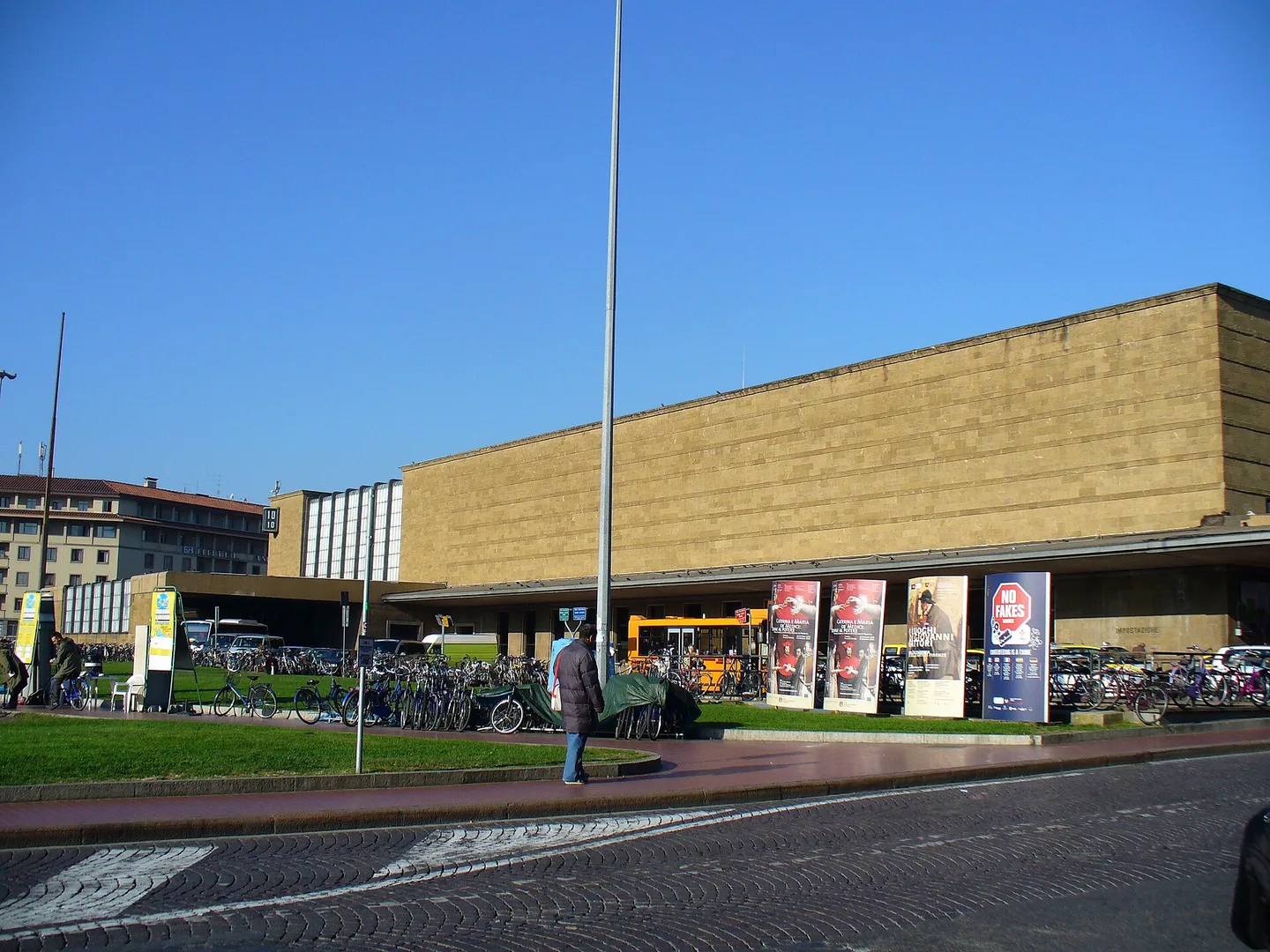
The main railway terminal functions as the primary hub for regional connections and intercity links crossing central Italy. Commuter services pull alongside express carriages under the glass and concrete canopy throughout the day. Exiting through the eastern portals leads visitors directly onto broad pavements facing church facades. You immediately sense the human scale of the old quarter as motor traffic thins out behind station exits. Porters, ticket booths, and luggage storage counters line lateral halls beside the platform heads.
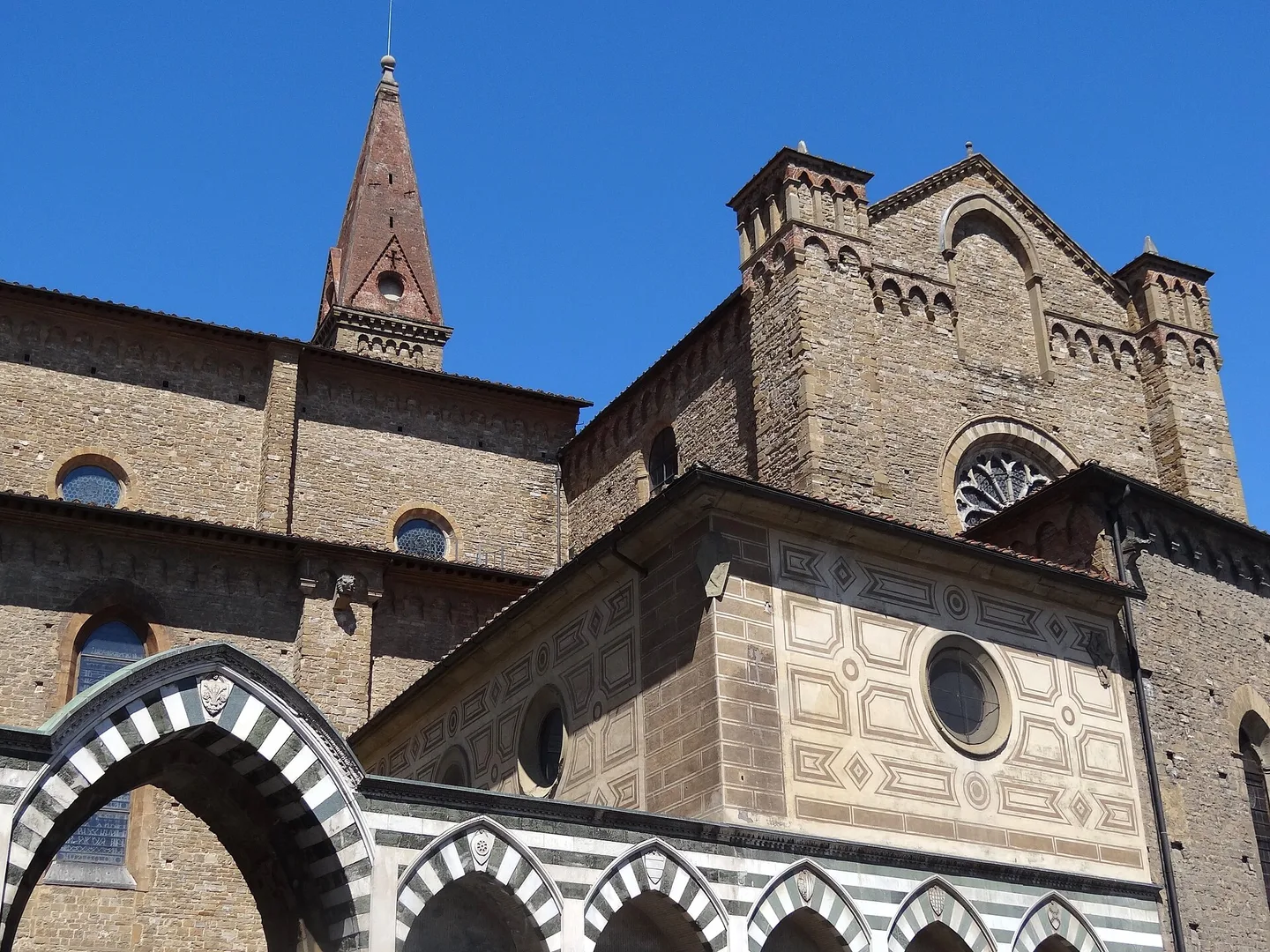
Navigating out of the railway hub relies on clear sightlines rather than complex transfers. Walking south leads past monastic cloisters toward the river, while eastern alleys channel pedestrians toward museums and central piazzas. Travellers carrying heavy bags follow level ground toward most downtown hotels and apartments. Short distances between rail platforms and medieval streets avoid the sprawl found in larger capitals. Link station arrival times directly with afternoon museum visits and historic walks along the Arno.
Airport Tram Connections and Local Transit
Air passengers touching down on local runways can step straight onto a sleek tramway running steadily toward the city centre. The light rail system glides through western residential districts before terminating adjacent to the central railway tracks. This connection avoids road congestion completely, offering a reliable journey regardless of morning rush or evening delays. Ticket machines stand at every stop, accepting cards and cash for quick validation before boarding carriages. The ride offers clean seating, clear stop announcements, and ample room for rolling suitcases.
Local buses also run along perimeter avenues, serving districts beyond the reach of standard tram lines. These electric and diesel vehicles loop around ancient city gates, shuttling residents toward outer residential neighbourhoods and northern hillside suburbs. Within the pedestrianised inner circle, public transport yields entirely to quiet foot passage and small municipal utility vans. A useful summary of city transit options shows how each mode serves different parts of your journey:
- Central rail links connect distant cities straight into the historic core beside ancient cloisters.
- Modern tram corridors link the airport terminal directly to the primary train station without road delays.
- Local urban buses skirt peripheral boulevards and grant access to scenic hills across the Arno.
- Stone pathways through pedestrian zones remain the most practical choice for museum visits.
Navigating Historic Streets on Foot
Florence remains one of the most rewarding cities on the continent to discover entirely on foot. Ancient paving stones, known locally as pietra serena and hard basalt slabs, cover most lanes within the core. These historic walkways require sturdy shoes with reliable grip, especially when light rain leaves polished stone slick underfoot. Narrow alleyways frequently lack elevated pavements, so pedestrians share space respectfully with passing cyclists and delivery carts. Walking remains the fastest way to travel between major landmarks, outperforming any motorised alternative.
The compact footprint means you can cross from northern cloisters to southern riverbanks in under twenty minutes of steady walking. Wandering away from crowded monument squares into quieter residential lanes reveals artisan studios and quiet bakeries. Keep your eyes up to notice carved stone coats of arms set into medieval palace corners above street lamps. Crossing broad pedestrianised squares gives your journey a relaxed rhythm free from constant street noise. Visitors who embrace this pedestrian layout discover hidden courtyards that motorised transport completely bypasses.
Crossing the Arno and Exploring the Oltrarno
Reaching the southern bank of the Arno involves crossing historic stone bridges that frame sweeping views along the water. Pedestrian paths line these spans, offering striking vantage points towards rolling hills and distant olive groves. Once across the river, the street pattern widens into quiet quarters filled with craft workshops and shaded squares. These southern neighbourhoods preserve an authentic community feel, where artisans work wood and leather behind open ground-floor doors. The slower pace here encourages unhurried afternoon wandering.
Gentle gradients begin as routes approach hillside gardens and fortified terraces overlooking the urban skyline. Climbing stone staircases rewards walkers with broad panoramas across tiled roofs, civic towers, and church domes. Because vehicle permits stay tightly limited across the entire historic basin, footpaths stay peaceful and clean. Walking back from an artisan workshop or heading out for dinner connects every corner naturally on foot. Florence rewards visitors who pack light and follow its street network step by step.
Official prices and opening hours
- Galleria degli UffiziOfficial site ↗
- Opera del Duomo (Brunelleschi Dome, Baptistery, Bell Tower)Official site ↗
Where it is
- 1Florence
- Florence Airport, Peretola (FLR) · about 6 km from Florence in a straight line
- Directions in Google Maps
Stations and taxi ranks: OpenStreetMap. Airports: OurAirports. Distances are in a straight line.
Traveller tips
Real advice from people who have been to Florence. Every tip is read by our team before it goes live.
No tips yet. Been here? Yours could be the first.
Thank you! Your tip will appear here after a quick review.
More in Florence
Continue exploring Florence with related neighbourhood, food, and planning guides
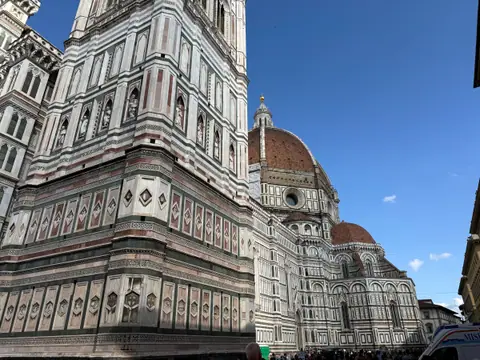
Florence Historic Core: Duomo Complex and Piazza della Signoria
Florence, Italy
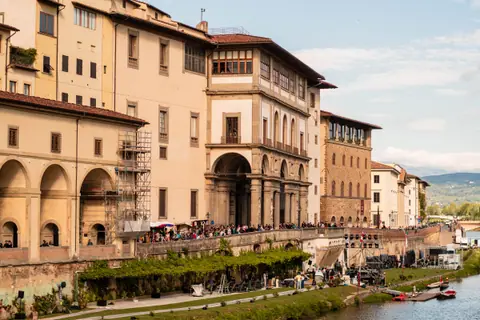
Florence Renaissance Sculpture and Museum Walking Routes
Florence, Italy
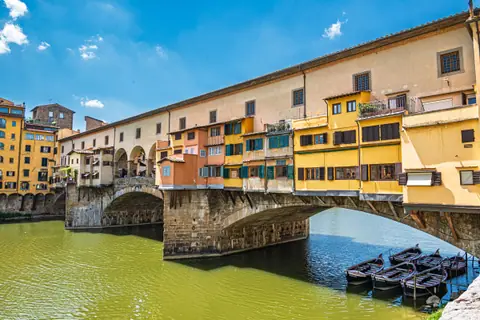
Oltrarno Artisans, Ponte Vecchio and Florentine Dining Traditions
Florence, Italy
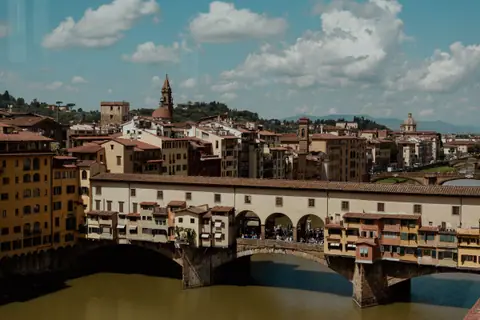
Florence Neighbourhood Guide: Choosing Your Base North and South of the River
Florence, Italy
