Tasting Cotoletta and Ossobuco Across Historic Milano
Savouring golden cotoletta alla milanese alongside slow-cooked ossobuco reveals the rich culinary craft anchored across traditional dining tables in Milano.
Classical Veal Cutlets and Breadcrumb Traditions
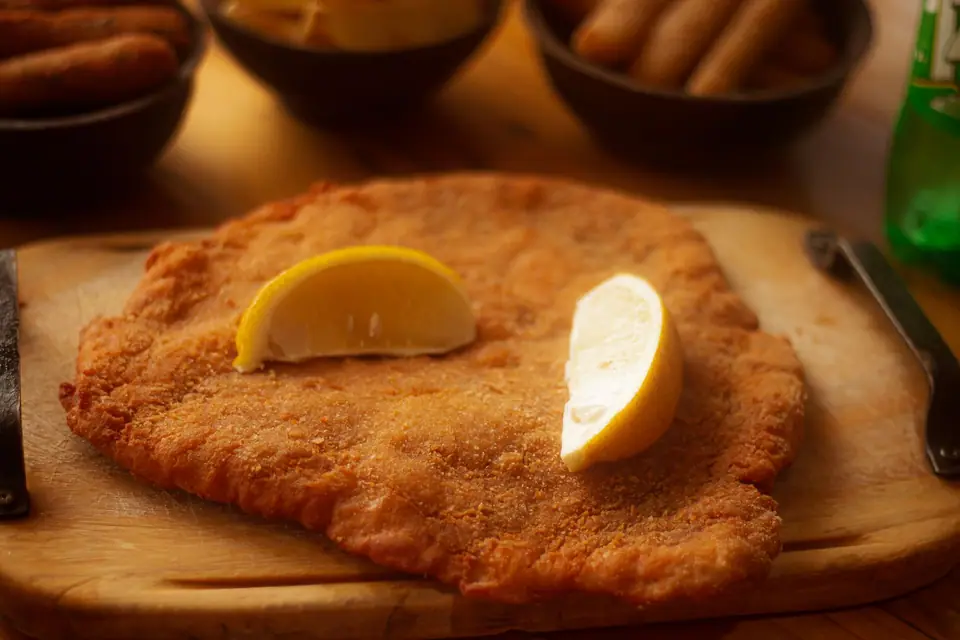
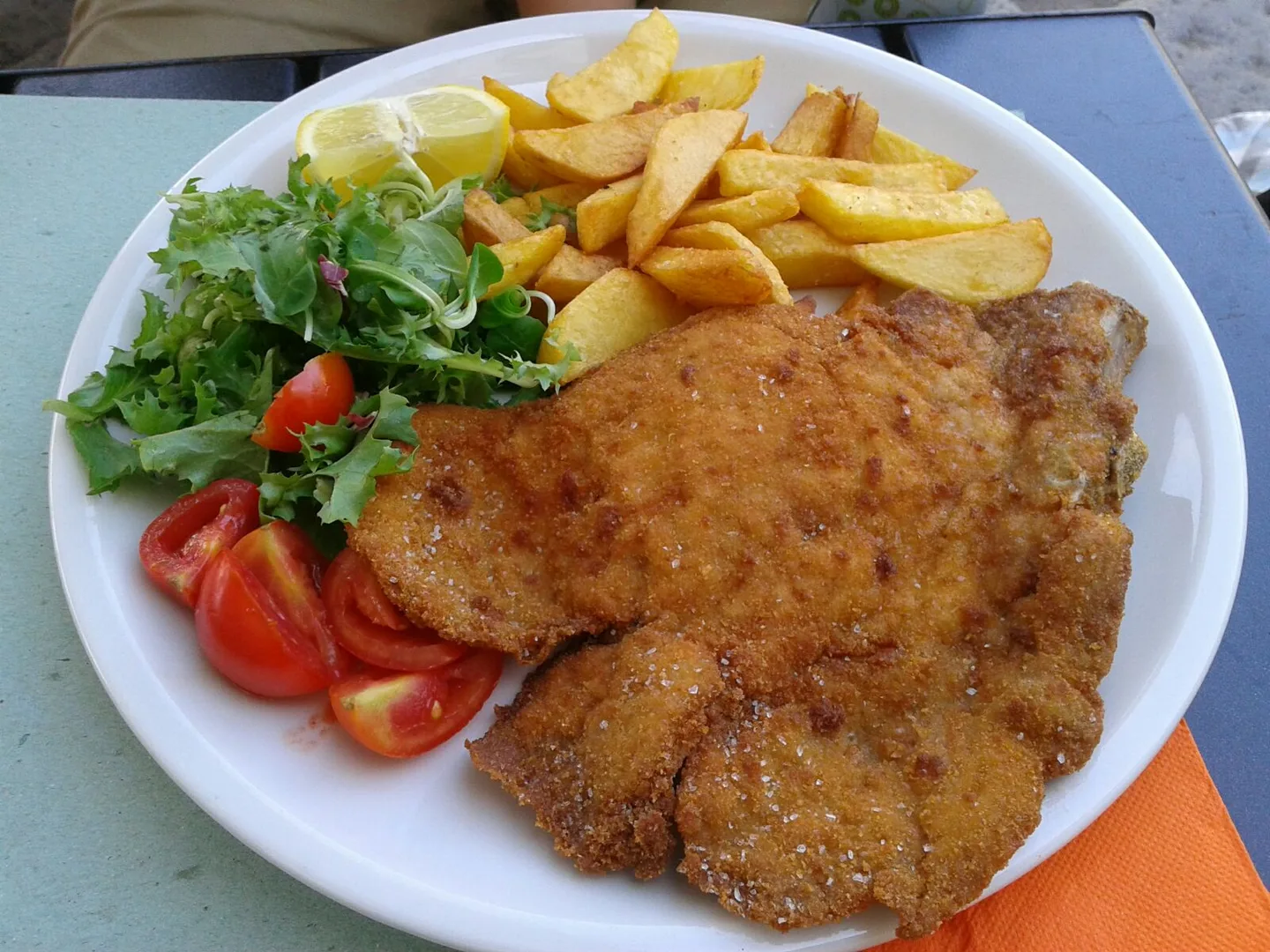
Milano treats its regional veal cutlet as an undisputed civic emblem, fried patiently in clarified butter until crisp and golden brown. The classical preparation relies on bone-in veal chops coated in fine breadcrumbs. This technique yields a delicate balance between exterior crunch and tender meat. Many kitchens pound the meat thin before frying, while older trattorias prefer thicker cuts that retain rich savoury juices inside. A simple squeeze of fresh lemon wedge often cuts cleanly through the rich dairy fats of the pan fry.
Locating an authentic serving means avoiding flash-fried tourist shortcuts that use processed oils instead of slow-melted butter. When walking between sightseeing stops, taking an appetite through quiet side streets reveals family kitchens honouring ancestral methods. A morning spent exploring Duomo di Milano sharpens the senses for a substantial midday meal in nearby historic rooms. The simple harmony of crumbed crust and tender veal forms the cornerstone of genuine Lombard hospitality.
Butchers across Lombardy carefully select rib cuts to preserve the attached bone during trimming and breading. Cooks dip each cutlet into beaten farm eggs before pressing it firmly into fine white breadcrumbs. The meat sizzles gently in foaming clarified butter rather than smoking seed oil. This traditional frying process gives the crust its distinctive uniform russet hue and rich aroma.
Slow-Braised Ossobuco and Citrus Gremolada
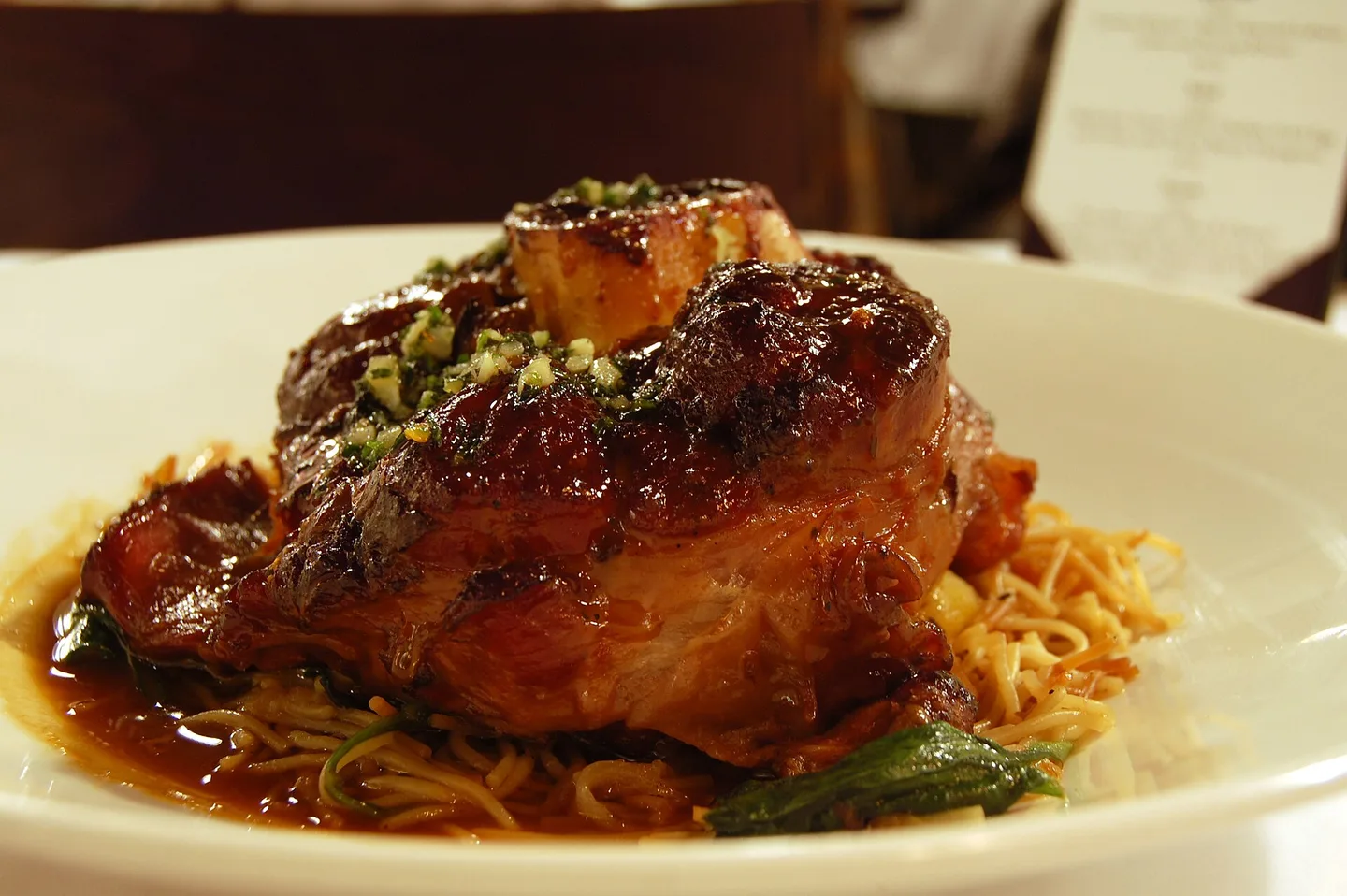
Braised veal shanks known as ossobuco supply a deeply warming contrast to the crisp bite of cutlets across northern dining rooms. Cross-cut veal shanks simmer gently with white wine, aromatic vegetables, and rich broth until the connective tissues turn supple and soft. The prized bone marrow rests within the central cavity. It offers intense richness that diners scoop with narrow spoons or crusty bread. Cooked patiently over gentle heat, the meat falls away easily without requiring modern steak knives.
A bright finishing touch called gremolada balances this slow stew through finely grated lemon zest, fresh flat-leaf parsley, and crushed garlic. The zesty citrus herb paste cuts across the deep meat reduction, perfuming the entire plate right before service. Traditional menus almost universally pair this melting shank with saffron-tinted risotto alla milanese, absorbing every drop of thick sauce. Paired with light red wines from nearby regional hills, the dish embodies quiet winter comfort across old city quarters.
The marrow hollow in the centre of the shank gives the recipe its historic name in local dialect. Diners prize this rich core as the culinary highlight of the entire braise. Stewing the shanks over several hours breaks down tough collagen into a silky, natural sauce. Kitchens refresh the heavy meat juices with the zesty gremolada mixture moments before serving.
Historic Trattorias and Neighbourhood Walking Circuits
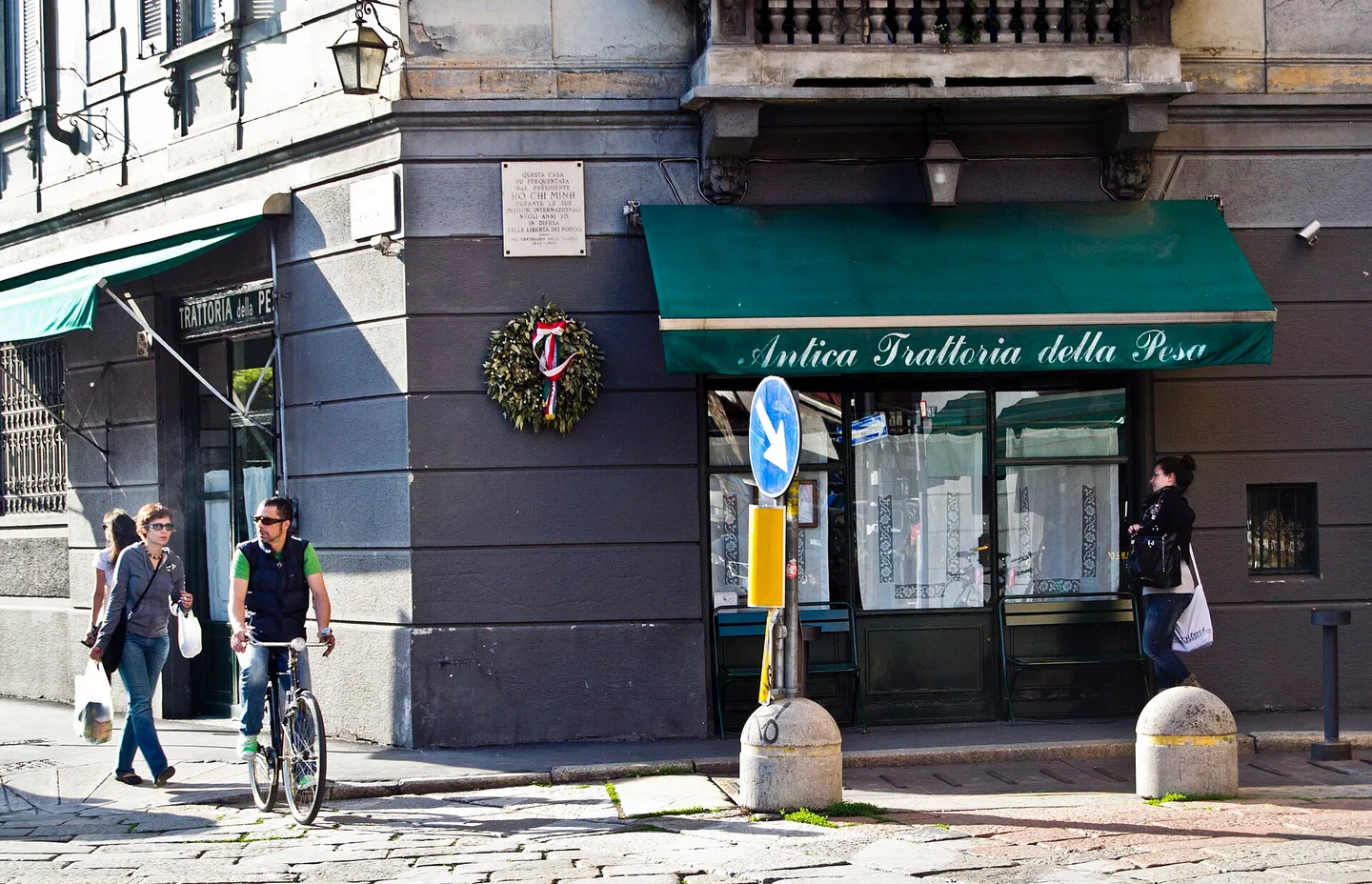
Finding the right dining room involves wandering outward from the busiest tourist thoroughfares into residential corners and artisan enclaves. Historic addresses in northern quarters preserve dark wood panelling, chequered tile floors, and classic marble counters from bygone eras. We often link a long lunch with an afternoon stroll through the cobblestone lanes of Brera, admiring gallery facades between meals. The quiet rhythm of neighbourhood alleys allows unhurried digestion after hearty plates of marrow and butter.
Alternatively, evening meals taste especially rewarding along ancient canal banks where water reflections bounce against colourful plaster facades. Linking an early supper with a twilight circuit through Navigli brings casual energy to traditional dining routines. When planning cultural visits such as viewing the masterwork at Cenacolo Vinciano, arranging dining reservations in advance prevents missing out on venerable tables. Checking verified open days in local listings keeps travel schedules smooth across every district.
Wandering between traditional dining rooms reveals architectural layers spanning centuries of urban growth. Quiet side streets branch off major tramways, leading into courtyards filled with leafy climbing vines. These tucked-away corners offer calm respites where midday diners take pleasure in unhurried service and heritage recipes.
Culinary Comparison and Navigating Dining Custom
Understanding local food customs helps diners appreciate the heritage behind both classical recipes during an extended stay across Milano. Both dishes reflect an agrarian history tied closely to regional dairy farming, cattle stock, and seasonal market availability. Comparing their core culinary elements helps select the right dish to suit individual appetites and varying weather conditions.
| Dish Name | Primary Cut | Cooking Method | Classical Accompaniment |
|---|---|---|---|
| Cotoletta alla Milanese | Bone-in veal chop | Pan-fried in clarified butter | Lemon wedges, roasted potatoes |
| Ossobuco alla Milanese | Cross-cut veal shank | Braised with wine and broth | Saffron risotto, fresh gremolada |
We suggest keeping these practical ordering customs in mind when sitting down at neighbourhood tables:
- Order ossobuco when seeking slow-cooked comfort food enriched by tender marrow and bright gremolada herbs.
- Select cotoletta for crisp pan-fried crunch, pairing it with light seasonal greens or oven-roasted tubers.
- Allow generous dining time during midday meals, as authentic trattorias cook these heritage cuts fresh to order.
By respecting local culinary paces, dining becomes a foundational way to understand northern Italian culture and communal history.
Official prices and opening hours
- Duomo di Milano (Cathedral, Terraces & Museum)Official site ↗
- Cenacolo Vinciano (Leonardo’s Last Supper)Official site ↗
Where it is
- 1Tasting Cotoletta and Ossobuco Across Historic Milano
- Milano Linate Airport (LIN) · about 7 km from here in a straight line
- Directions in Google Maps
Stations and taxi ranks: OpenStreetMap. Airports: OurAirports. Distances are in a straight line.
Traveller tips
Real advice from people who have been to Milano. Every tip is read by our team before it goes live.
No tips yet. Been here? Yours could be the first.
Thank you! Your tip will appear here after a quick review.
More in Milano
Continue exploring Milano with related neighbourhood, food, and planning guides